 Vietnamnet.vn

 Podcast




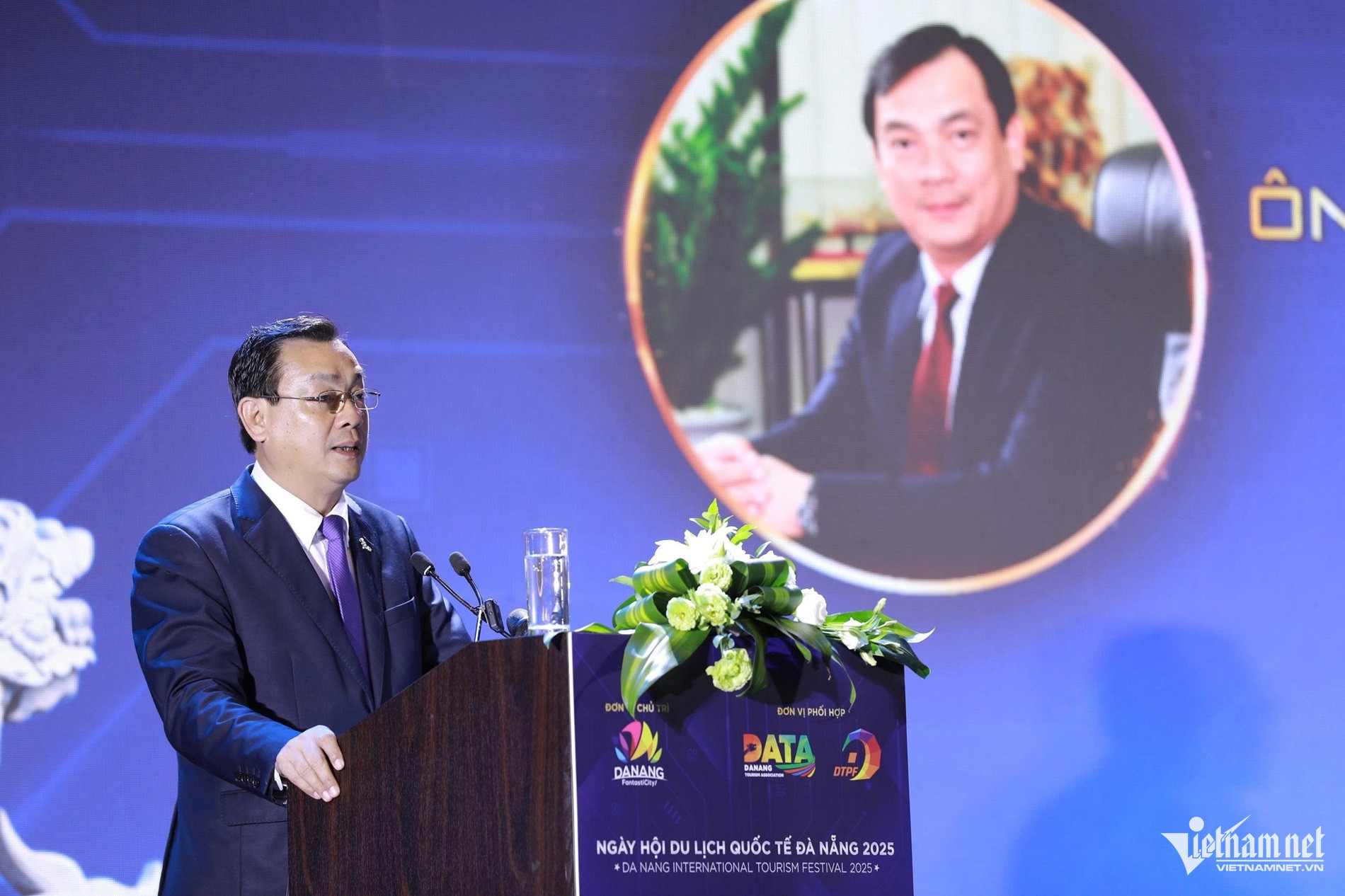
Nguyen Trung Khanh, Director General of the Vietnam National Authority of Tourism, echoed that Da Nang plays a key economic and tourism role in central Vietnam. With its strategic position linking world heritage sites and its modern infrastructure - airports, seaports, accommodation, and entertainment - the city holds vast potential.
After the administrative merger, Da Nang's development space and resources have expanded, allowing it to become a leading tourism center in Vietnam. He urged the city to implement breakthrough measures, affirm its status as a national growth driver, and position itself as a key gateway for both domestic and international visitors.
Director Khanh encouraged Da Nang to strengthen inter-regional tourism product linkages with Hue and Quang Tri and develop heritage tours combined with nature exploration.
He emphasized boosting the nighttime economy with well-planned, safe night markets and food zones to increase tourist spending. Additionally, Da Nang should attract strategic investors to develop premium coastal tourism and resorts that cater to high-spending visitors.
He also advised the city to accelerate digital transformation, promote branding on digital platforms, standardize the workforce, and build internationally certified management teams.
According to him, MICE tourism and the nighttime economy will be strategic pillars for Da Nang. He recommended investing in a world-class conference and exhibition center, paired with incentives to attract large regional and global events, capitalizing on Da Nang's proven track record in hosting major international events.
The Department of Culture, Sports and Tourism reported that tourism in Da Nang continues to grow robustly and remains a highlight of the city’s economic development.
In the first nine months of 2025, the total number of overnight visitors in Da Nang reached approximately 14.4 million, up over 22% compared to the same period in 2024. Among them, international visitors totaled over 5.8 million, while domestic travelers reached nearly 8.6 million. Total revenue from accommodation, food services, and travel was estimated at nearly 41 trillion VND (around 1.66 billion USD), an increase of more than 25% year-over-year.
Da Nang has identified two core tourism zones:
A luxury resort and entertainment tourism zone that meets green standards, located along the coastline, in the Son Tra Peninsula, Cham Islands, Hon Son Tra, Hai Van area, and along the Han and Co Co Rivers and western mountainous areas.
A cultural and historical tourism zone focused on preserving and enhancing heritage sites in Hoi An and My Son, craft villages along the Thu Bon River, the spiritual tourism area of Ngu Hanh Son, Linh Ung Pagoda, and the museum and historical site system in western Da Nang.
In parallel, Da Nang is implementing key projects such as a free trade zone, an international financial center, repurposing Tien Sa Port into a cruise port, developing a metro line, and completing a river tourism route.
Ho Giap
.svg)
