 Vietnamnet.vn

 Podcast



Thousands of peach trees in Thai Nguyen were submerged and withered following torrential rains from Storm No.11. Many households were left with nothing, burdened by debt, and are now hoping for support to restore their livelihoods.
The prolonged rainfall caused by Storm No.11 has had a severe impact on the Cam Gia peach blossom village (Gia Sang Ward, Thai Nguyen City). Dozens of hectares of ornamental peach trees - once the pride and primary source of income for local residents - have been waterlogged and left to rot.
Peach growers overwhelmed by debt
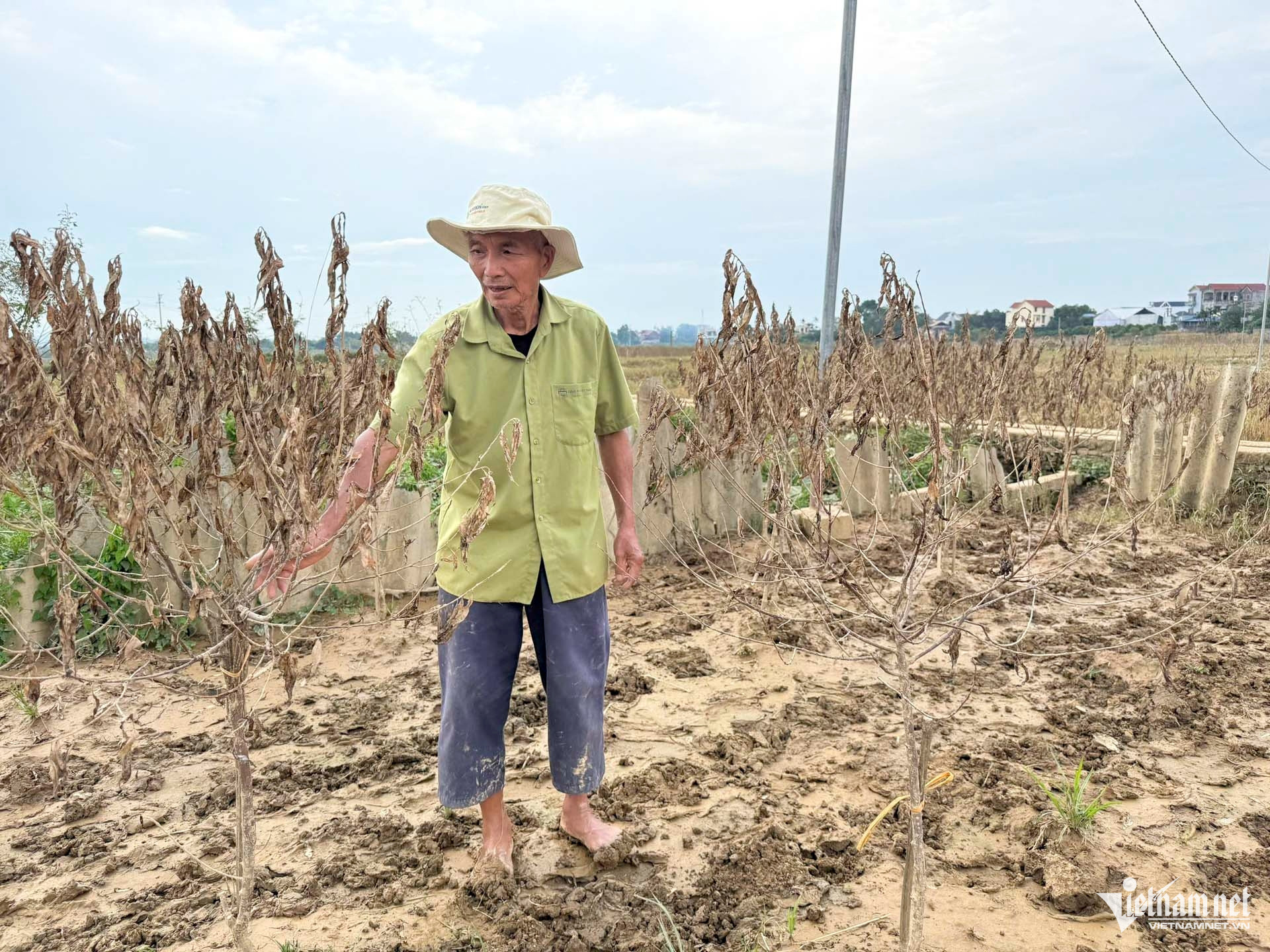
On a plot of over 5,000 square meters with more than 1,000 peach trees in their shaping stage for the upcoming Tet holiday, Nguyen Van Hien’s family (Group 7, Gia Sang Ward) is among the hardest hit.
Each tree, valued between 3 million to 10 million VND ($120–$400), represented a total investment of over 1 billion VND (approximately $40,000). Now, all that remains are dead stumps.
“It will take at least a year to recover this area, and we’re already in debt to the bank for 1.2 billion VND (around $48,000). Peach farming is our main source of income - we poured all our capital into it. After Storm Yagi in 2024, we had just begun to rebuild the garden when Storm No.11 hit, and now we’ve lost everything again. We’re hoping the government and banks will soon introduce policies to help us recover,” Hien shared.
Nguyen Khac Diep (Group 5) is in the same situation. His entire peach garden, intended for the upcoming Tet market, was flooded and perished.
“We’ve lost the whole season and have nothing to sell to our regular customers. All I can do now is clean up and prepare the land, hoping the trees will take root again next year,” Diep said.
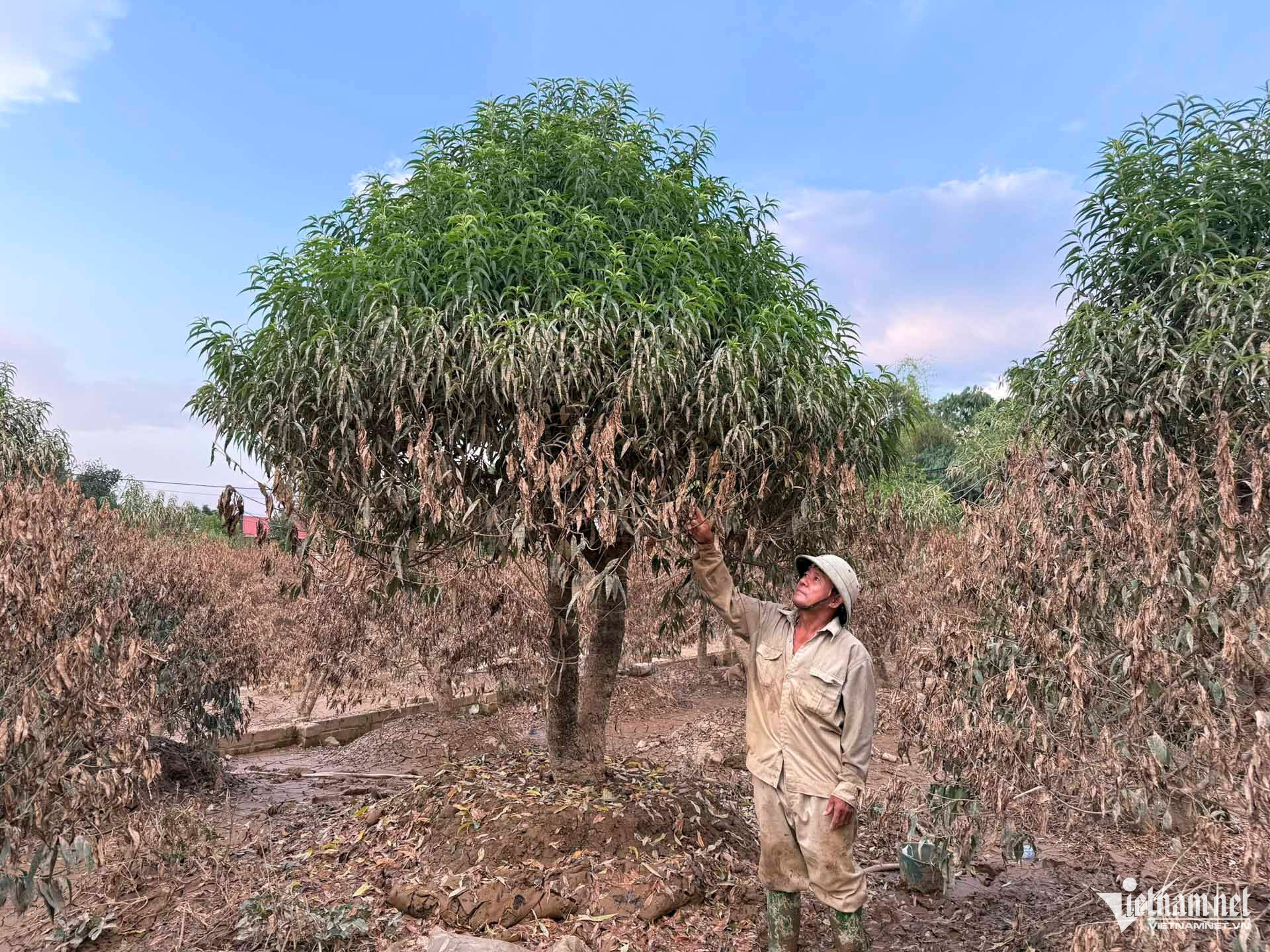
In the same neighborhood, Nguyen Thi Hai Ha continues to visit her garden daily, salvaging whatever she can after the flood. Over 500 trees were lost, amounting to a loss of about 500–600 million VND ($20,000–$24,000).
“I’ve never seen a flood like this before. You can move your house, but if peach trees are underwater for two or three days, they die. We now have to rent machinery to uproot the stumps, hire labor to treat the soil, disinfect the area, and eliminate disease. We hope the banks will reduce interest rates and allow deferred payments so we can restart,” she said.
Residents refuse to give up
Sharing the same hardship, Nguyen Van Dong (Cam Gia 4 Residential Group) said: “All our capital is in those trees. When the Cau River rose, thousands of peach trees - from ancient varieties to branch peaches - were submerged. Some areas were underwater for three days, leaving the trees leafless and dry.”
Nguyen Van Toan, another grower, said his family has more than 2,000 peach trees, which usually sell out each year, providing a steady income. However, back-to-back natural disasters over the past two years - Yagi in 2024 and now Matmo - have caused devastating losses.
Despite the hardships, residents of Cam Gia remain steadfast in their craft. For them, the peach tree is not only a livelihood but also a symbol of their homeland.
Nguyen Van Gia, a longtime grower, said deeply flooded areas were completely lost, but some trees in higher ground survived.
“My family is cleaning up, disinfecting with lime, and caring for the remaining trees. In the areas beyond recovery, we’re planting short-term crops and preparing for the next season. This profession has fed my family for over a decade - it’s hard to give up. We just hope for some financial support to continue,” Gia said.
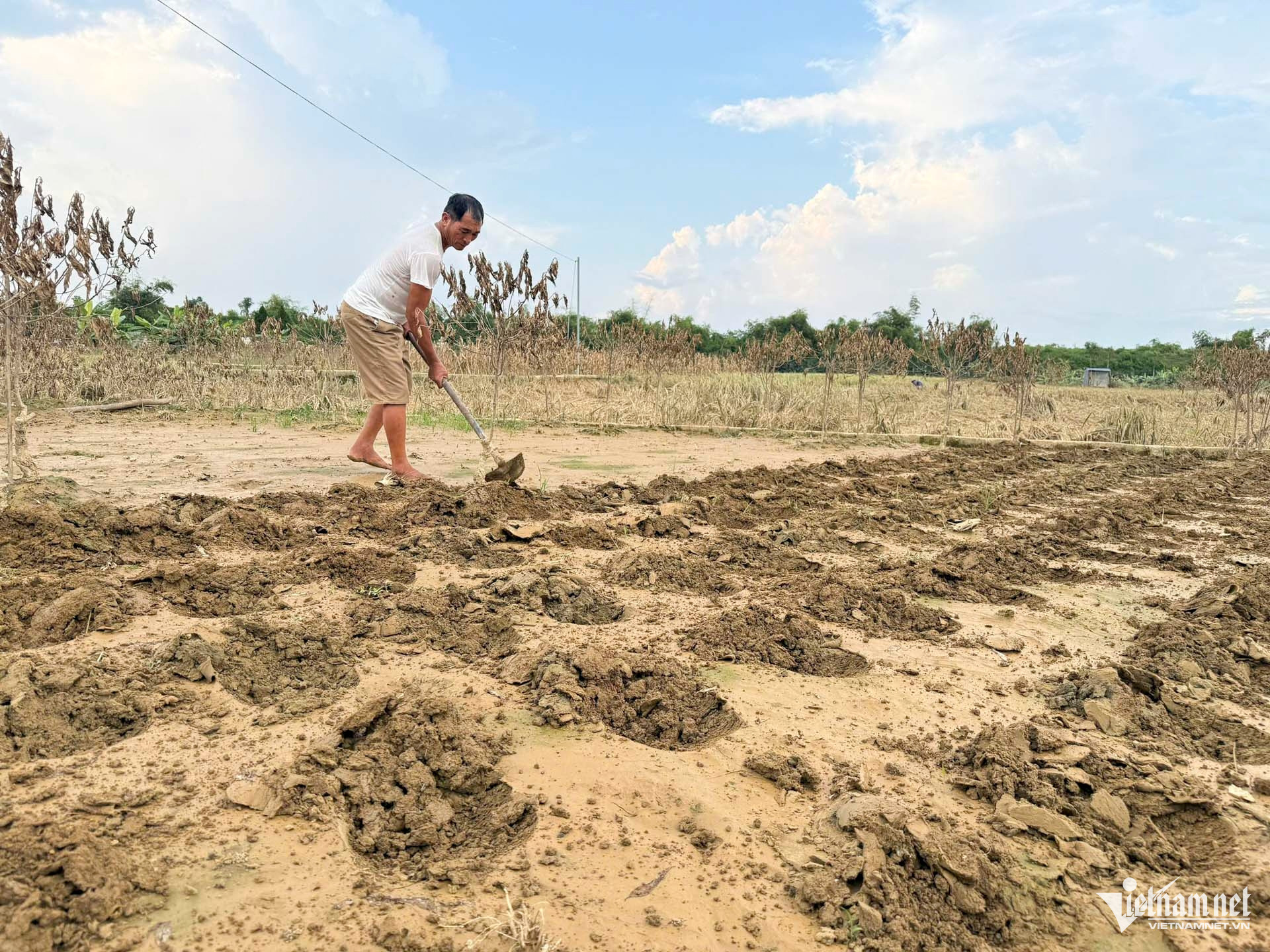
Phung Thi Minh Hong, head of the Cam Gia 4 Farmers’ Association, said the association has assessed damages and is guiding members in soil care and disease prevention. Locals urgently need support with capital and supplies to resume farming and maintain their traditional craft.
Ngo Thuy, Chairman of the Gia Sang Ward People’s Committee, added: “Local authorities have worked with associations to visit, encourage, and assist residents in restoring their gardens. We’ve proposed that the province and banks consider offering financial support and preferential loan terms so the villagers can stabilize production and sustain their craft village.”
Cam Gia’s peach blossom village was established in the early 2000s and officially recognized as a craft village in 2016. It is home to nearly 400 households cultivating peach trees over an area of about 50 hectares. Each year, the profession generates tens of billions of VND in revenue, significantly contributing to the local economy and enriching the cultural atmosphere during Tet.
However, this recent flood submerged about 35 hectares of peach gardens, resulting in estimated losses of several tens of billions of VND. Recovery will require major efforts and funding - from removing dead trees and treating the soil to sourcing new seedlings and restarting cultivation.
Bao Khanh
.svg)
