 Vietnamnet.vn

 Podcast



Ha Nguyen
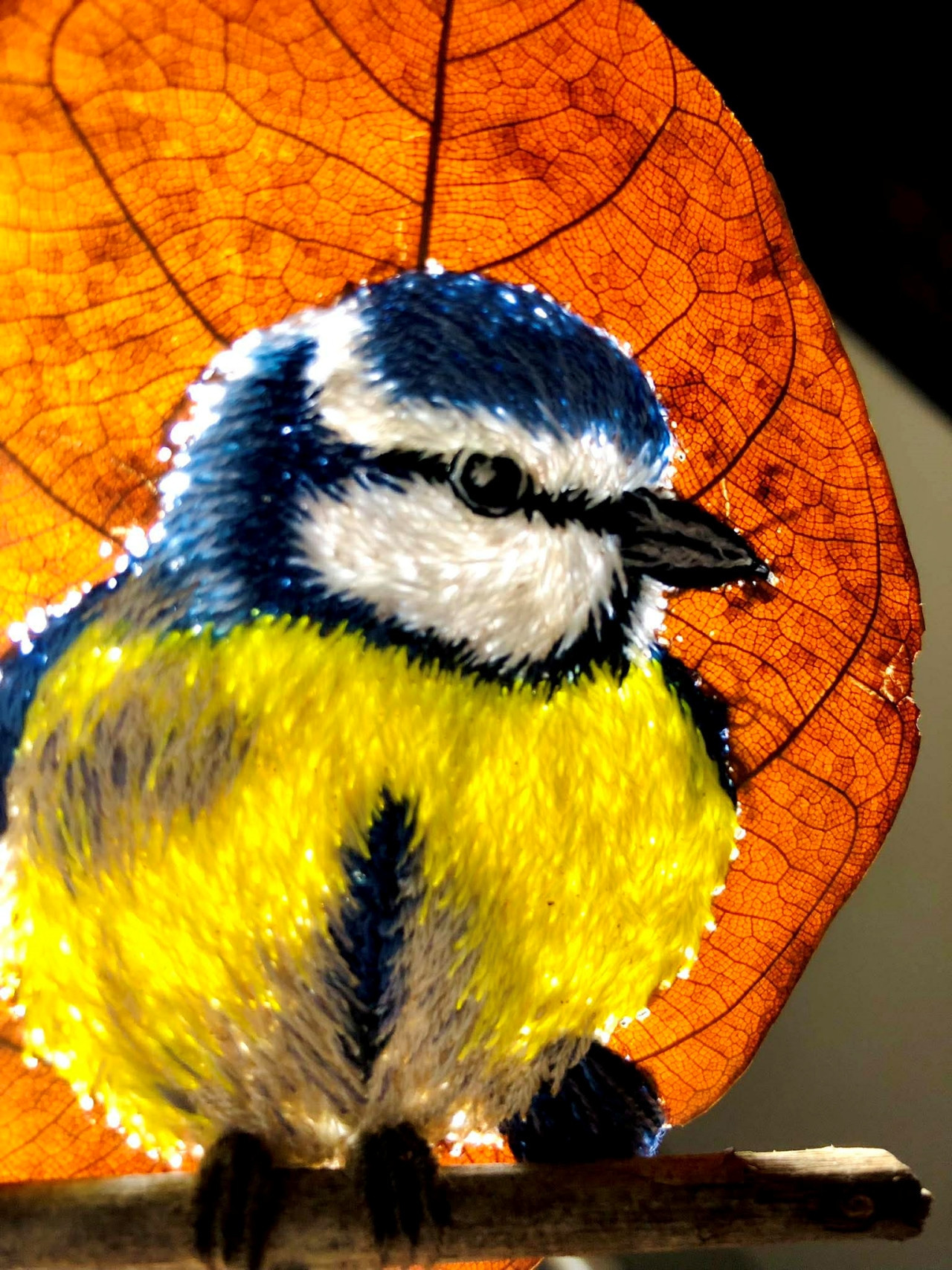
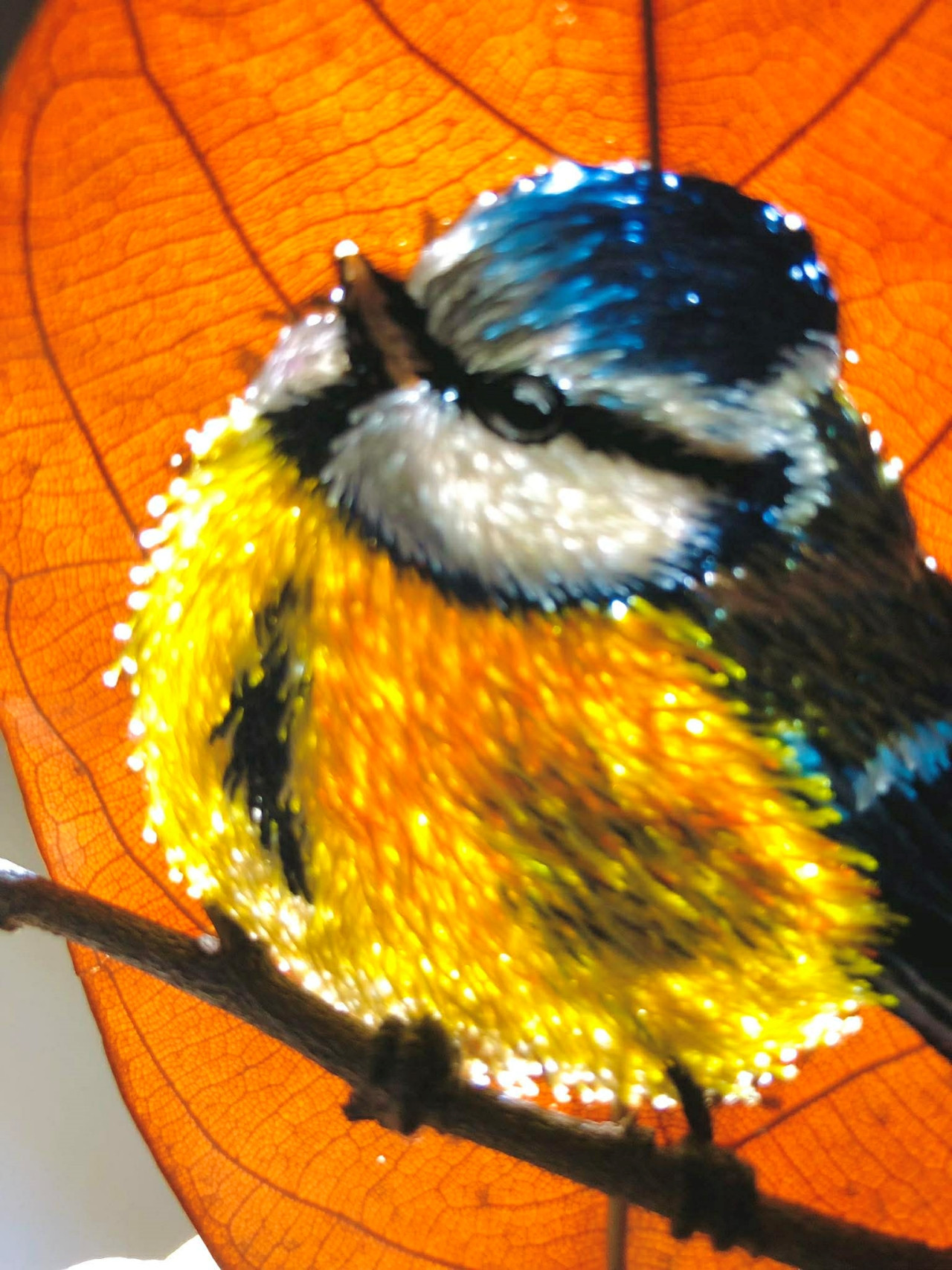
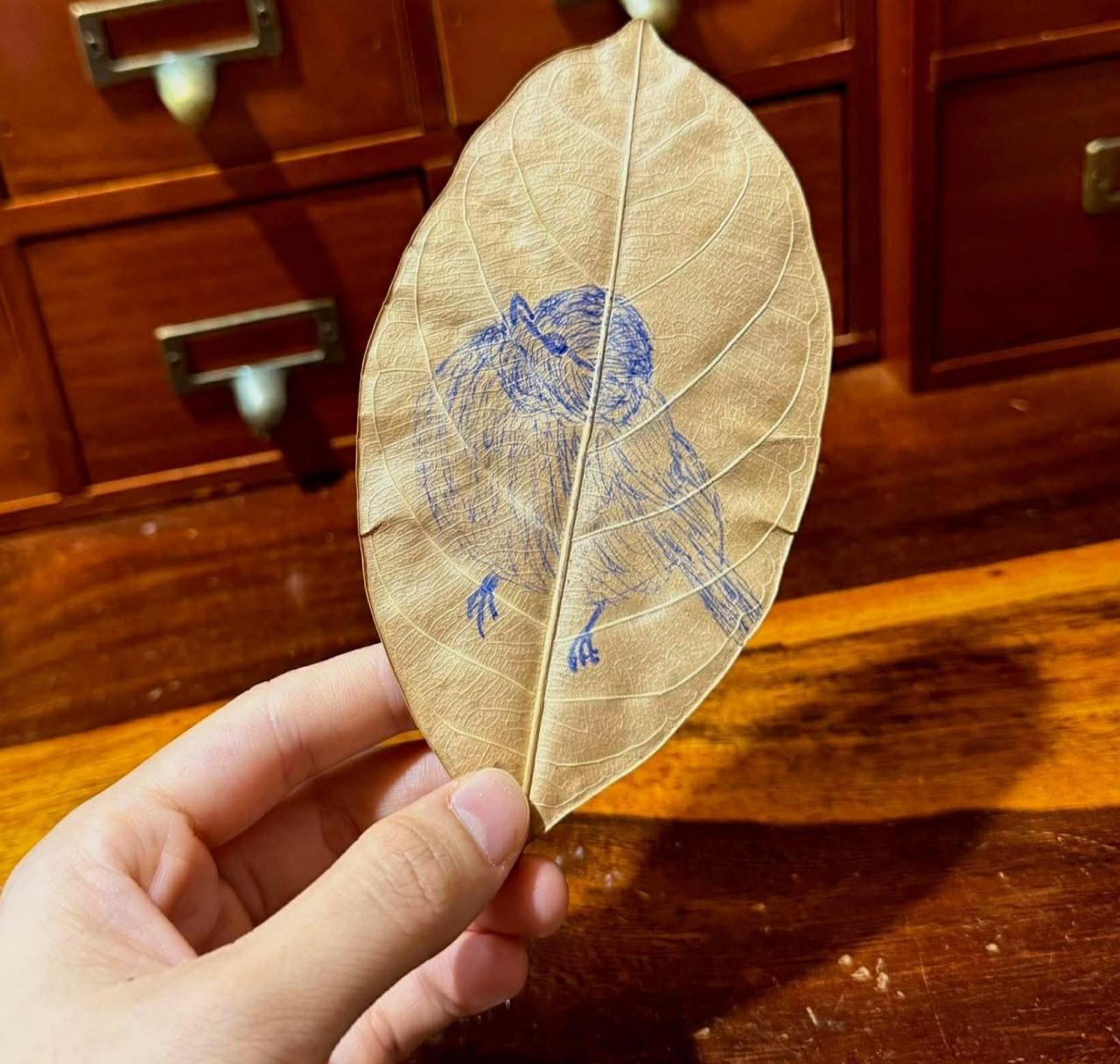
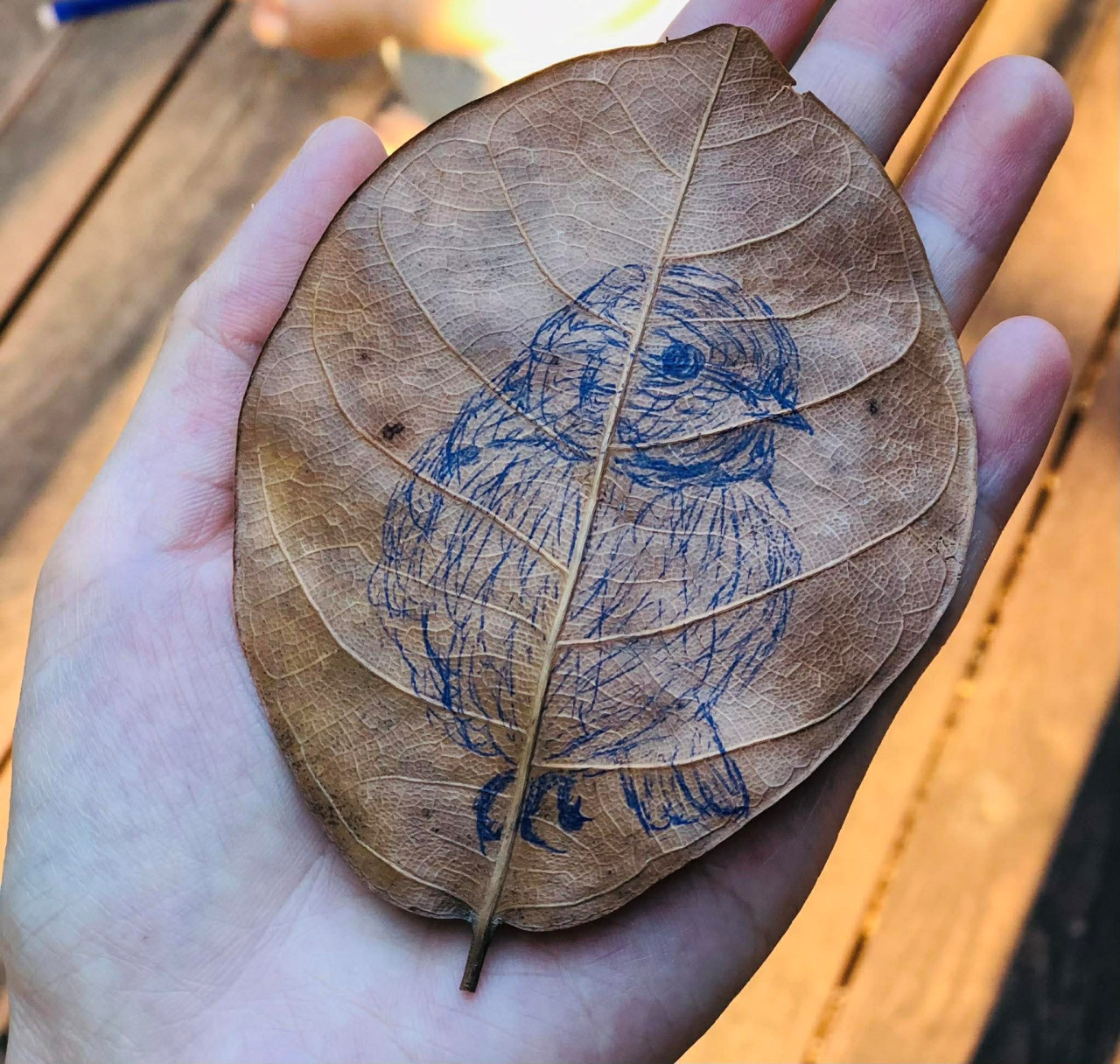
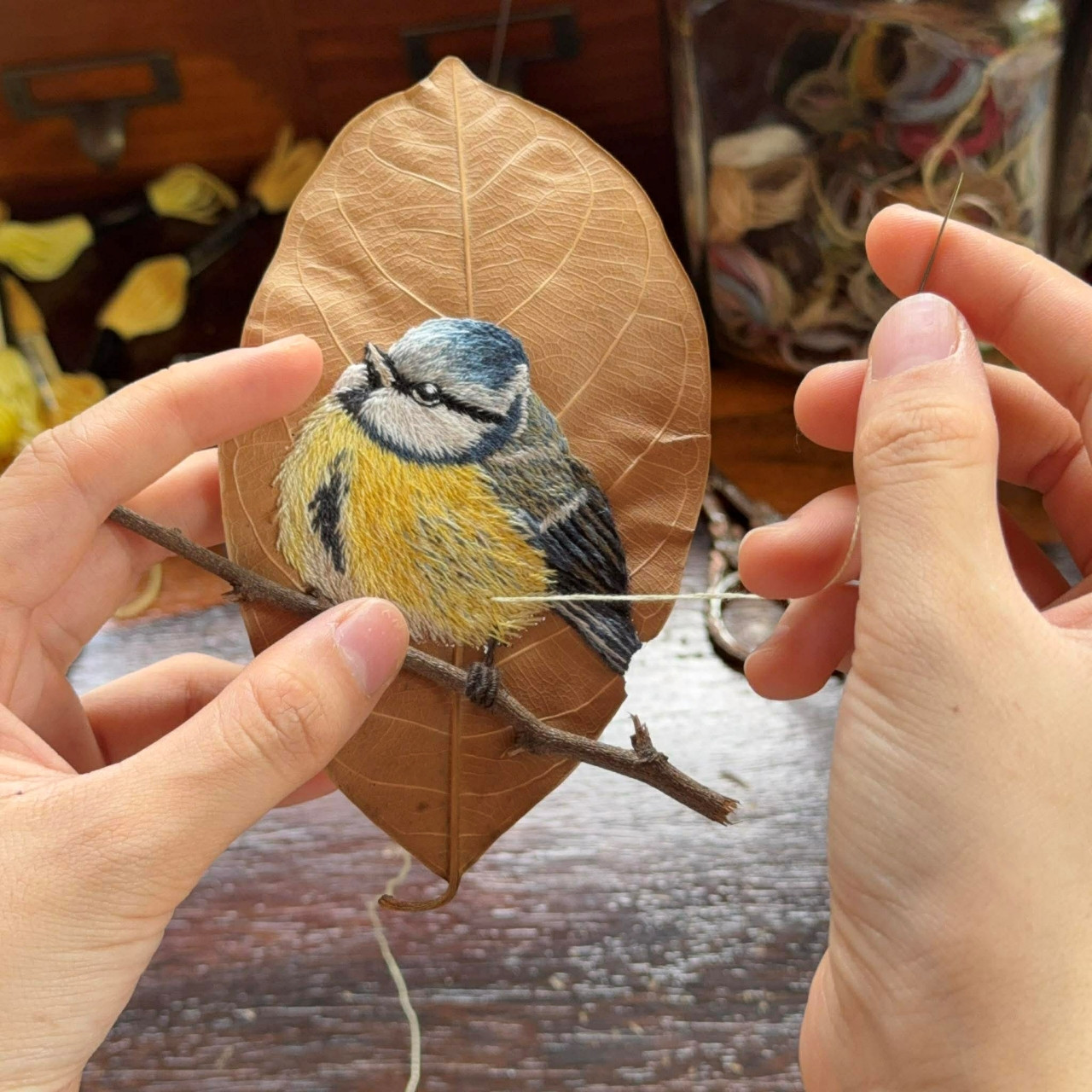
A courtyard scattered with fallen jackfruit leaves sparked an unexpected idea. For Nguyen Thi Phuong Thanh, those dry, windblown leaves would soon become the canvas for intricate hand embroidery pieces, each selling for VND1 million (US$40) or more.
In recent days, images of embroidered artwork on dried jackfruit leaves have drawn widespread attention online, earning admiration for their originality and delicate craftsmanship.
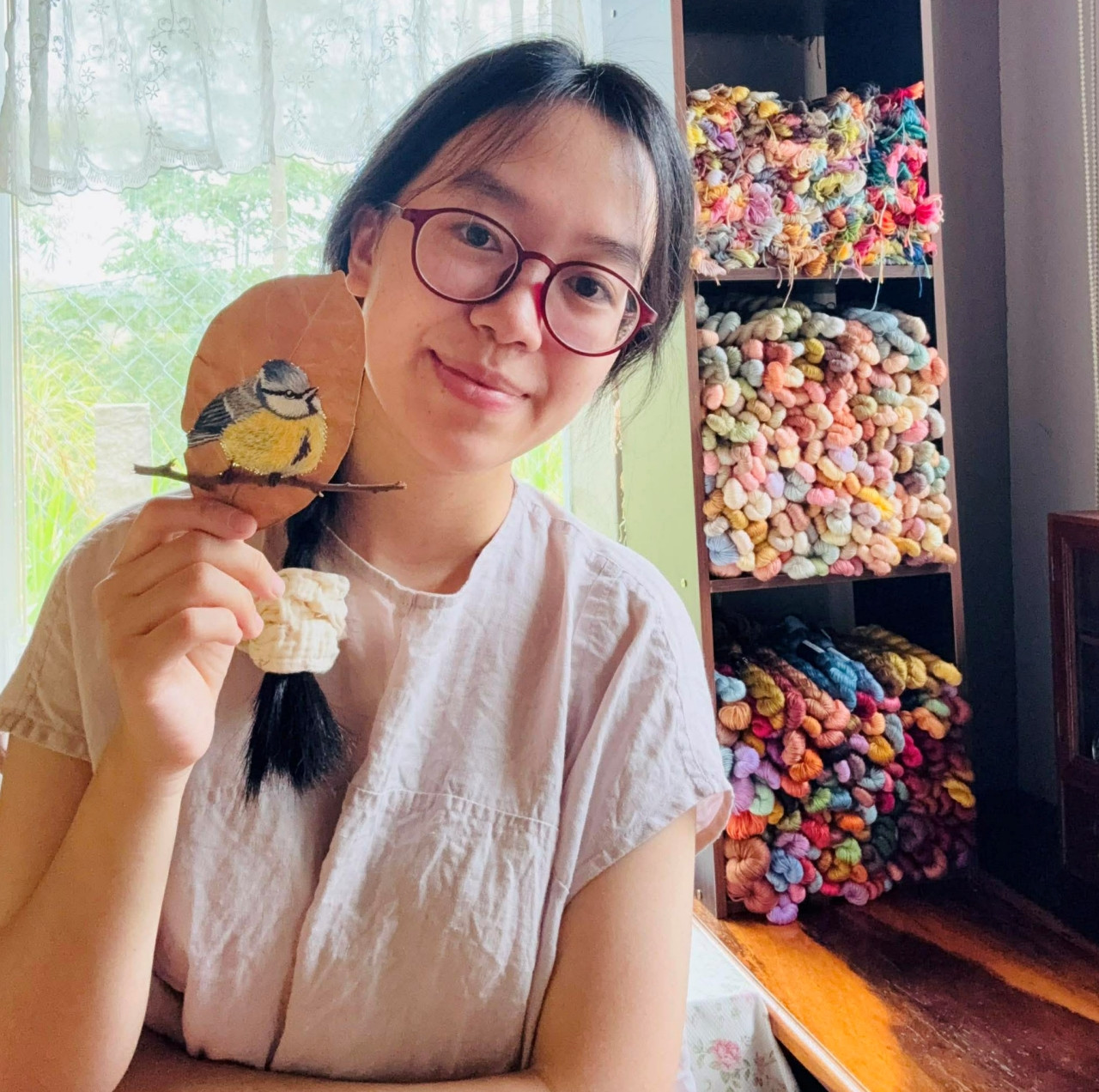
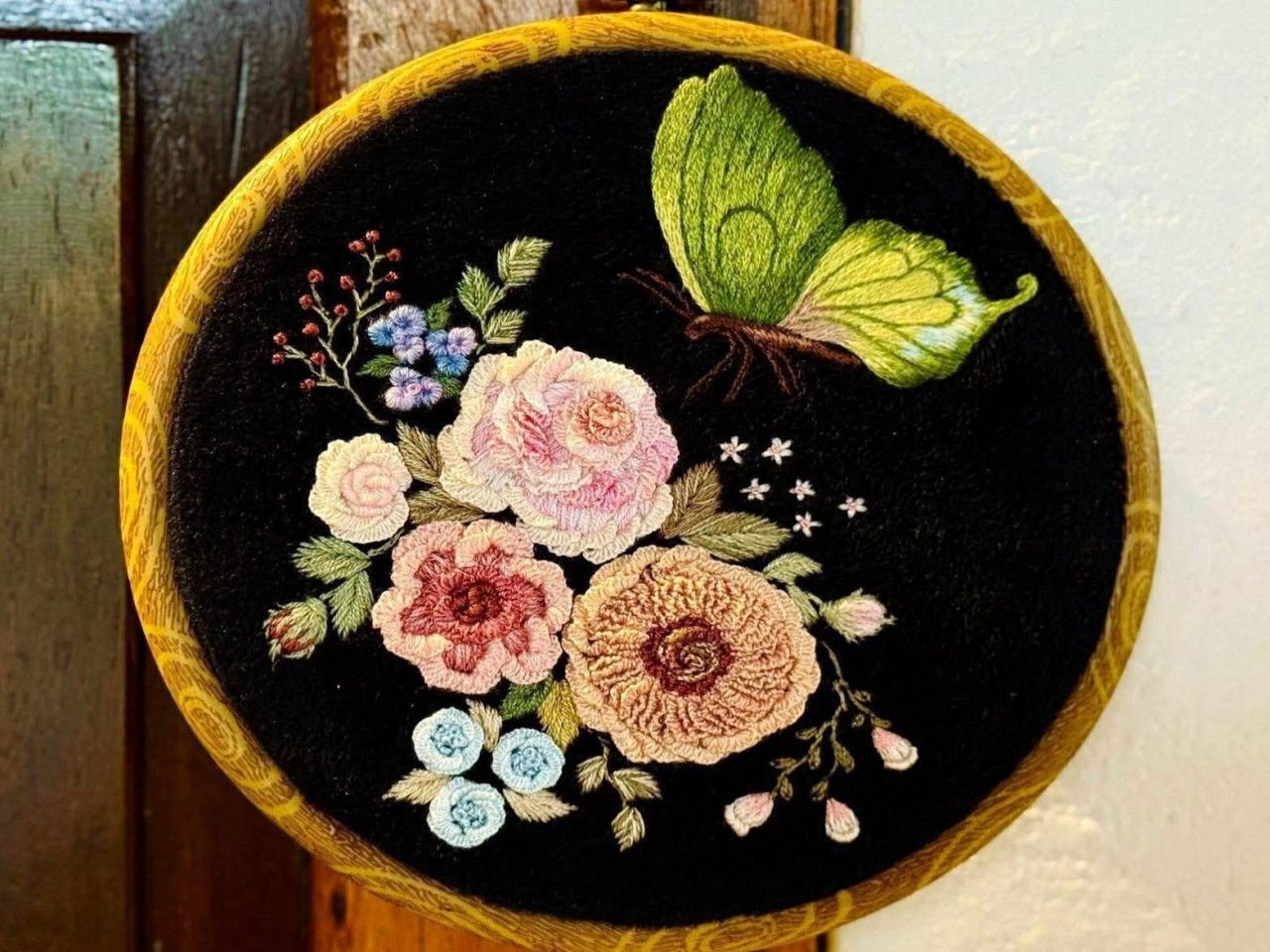
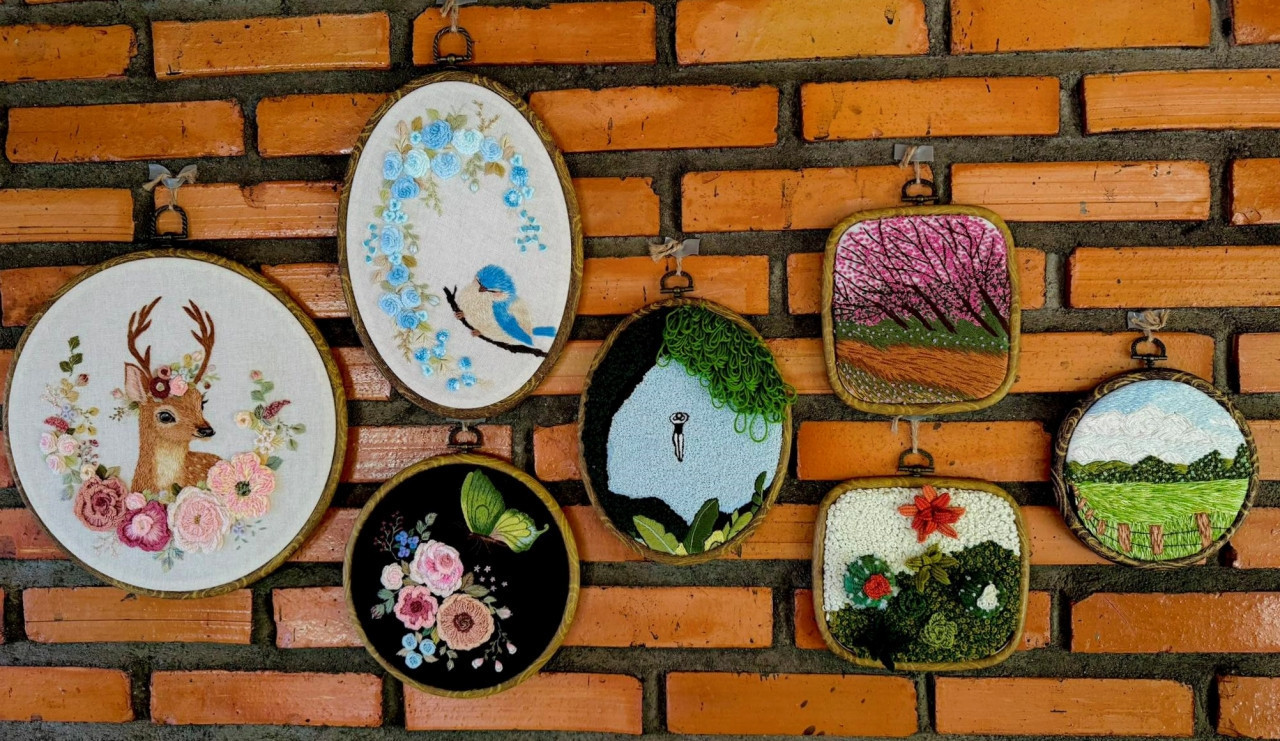
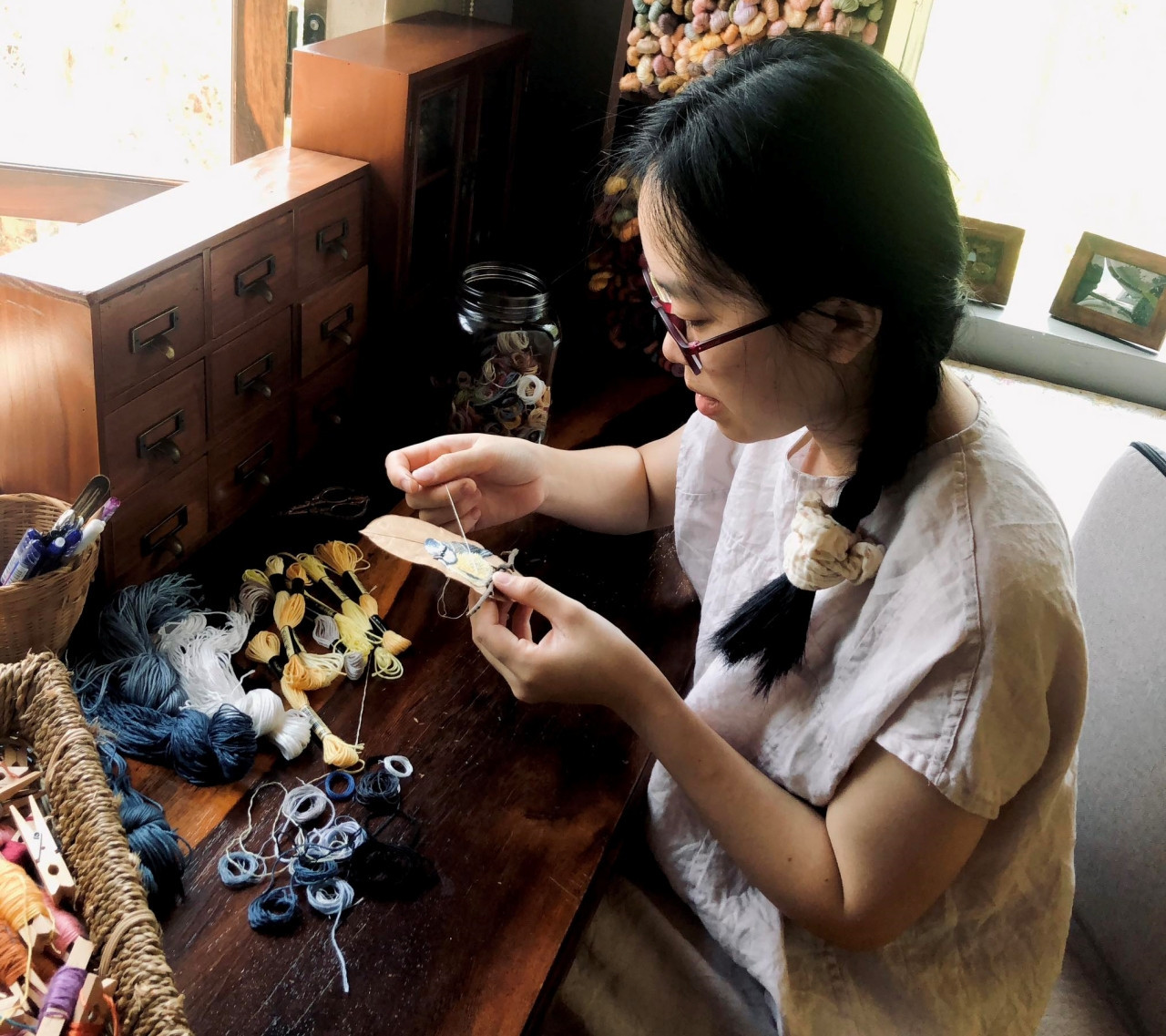
The creator behind these pieces is Nguyen Thi Phuong Thanh (born in 1999), from Duc Trong district in Lam Dong.
A chance beginning
Thanh does not come from a professional embroidery background, nor has she received formal training. Her journey into the craft began almost by accident.
In 2020, she received a small embroidery kit as a gift. At first, she only used it during quiet moments. But during the Covid-19 pandemic, with more time spent at home, she began to practice more frequently.
Over time, what started as a casual pastime gradually grew into a genuine passion.
“In the beginning, I only worked on simple details,” Thanh recalled. “As my interest deepened, I started learning techniques online and practising regularly to improve my skills.”
After each piece, she would reflect on her work, refining her technique to make the next one more polished, more vivid and more expressive.
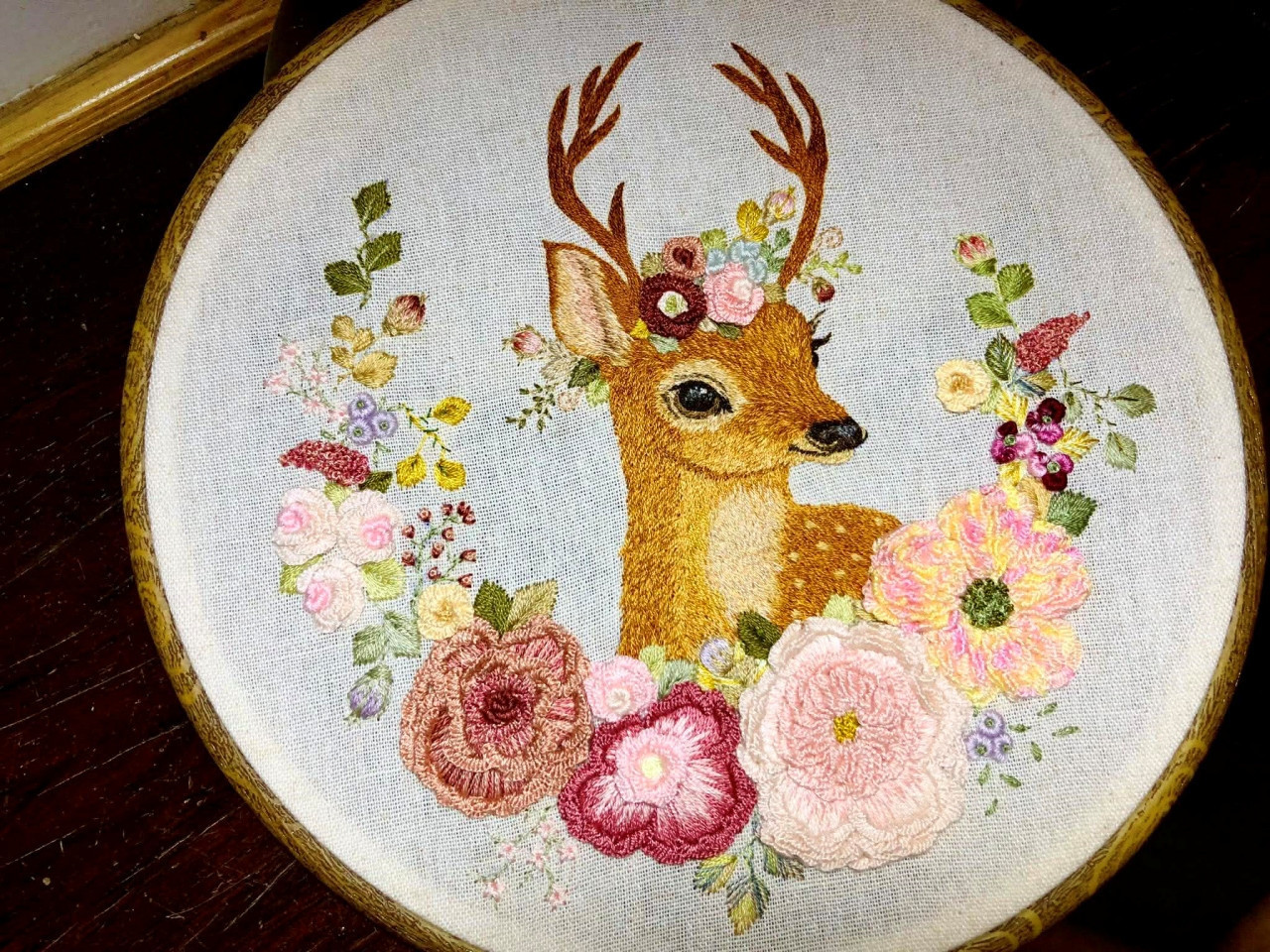
Years of persistence helped her build confidence in her craft. She began creating complete embroidered artworks, which quickly gained positive feedback.
Before embroidering, Thanh carefully sketches patterns onto the surface of a treated dried leaf, preparing each step with precision.
Not long ago, while watching dry jackfruit leaves blown into her yard, she picked one up and jokingly asked her husband whether he thought she could embroider on it.
He hesitated, pointing out how brittle and fragile the leaf was. But that doubt only strengthened her curiosity.
Determined to test her limits, Thanh began experimenting. She collected the leaves, treated them, selected designs and carefully stitched each line.
Earning from a fragile craft
Working on such an unconventional material proved challenging. Unlike fabric, dried leaves have no elasticity and can tear easily with the slightest pressure.
To overcome this, Thanh practised patiently on trial pieces until she developed the right touch.
“When I felt confident, I cleaned the leaf, let it dry naturally, then sketched the design,” she said.
“With fabric, mistakes can be undone. But with a dry leaf, a single error is difficult to fix. So every stitch must be precise from the start. Even pulling the thread requires a gentle hand, otherwise the leaf can tear.”
Her first embroidered leaf required continuous work from 9pm until 3am the next morning, followed by additional hours to complete. Later pieces, depending on size and complexity, take around three to four days.
The finished works have received high praise from those in the embroidery field. More surprisingly, they quickly attracted buyers.
According to Thanh, this form of embroidery uses a particularly demanding organic material. Each piece involves multiple stages, from selecting suitable leaves and treating them, to sketching, stitching and framing.
No two leaves are alike. Differences in veins and natural colour tones mean each artwork is entirely unique.
As a result, depending on size and intricacy, her embroidered leaf artworks are priced from VND1 million (US$40) upwards.
“For me, mastering such a difficult material is a source of happiness,” Thanh shared. “When I embroider on dried leaves, I am not only creating art, but also training myself to be patient and calm in everything I do.”
.svg)
