 Vietnamnet.vn

 Podcast



Golf tourism in Vietnam is experiencing significant growth, contributing around 8-10% of the country’s total tourism revenue. Hanoi, in particular, is emerging as a "golf tourism paradise," boasting dozens of high-standard courses and having been honored two years in a row (2023 and 2024) as the “World’s Best Golf City Destination” by the World Golf Awards.
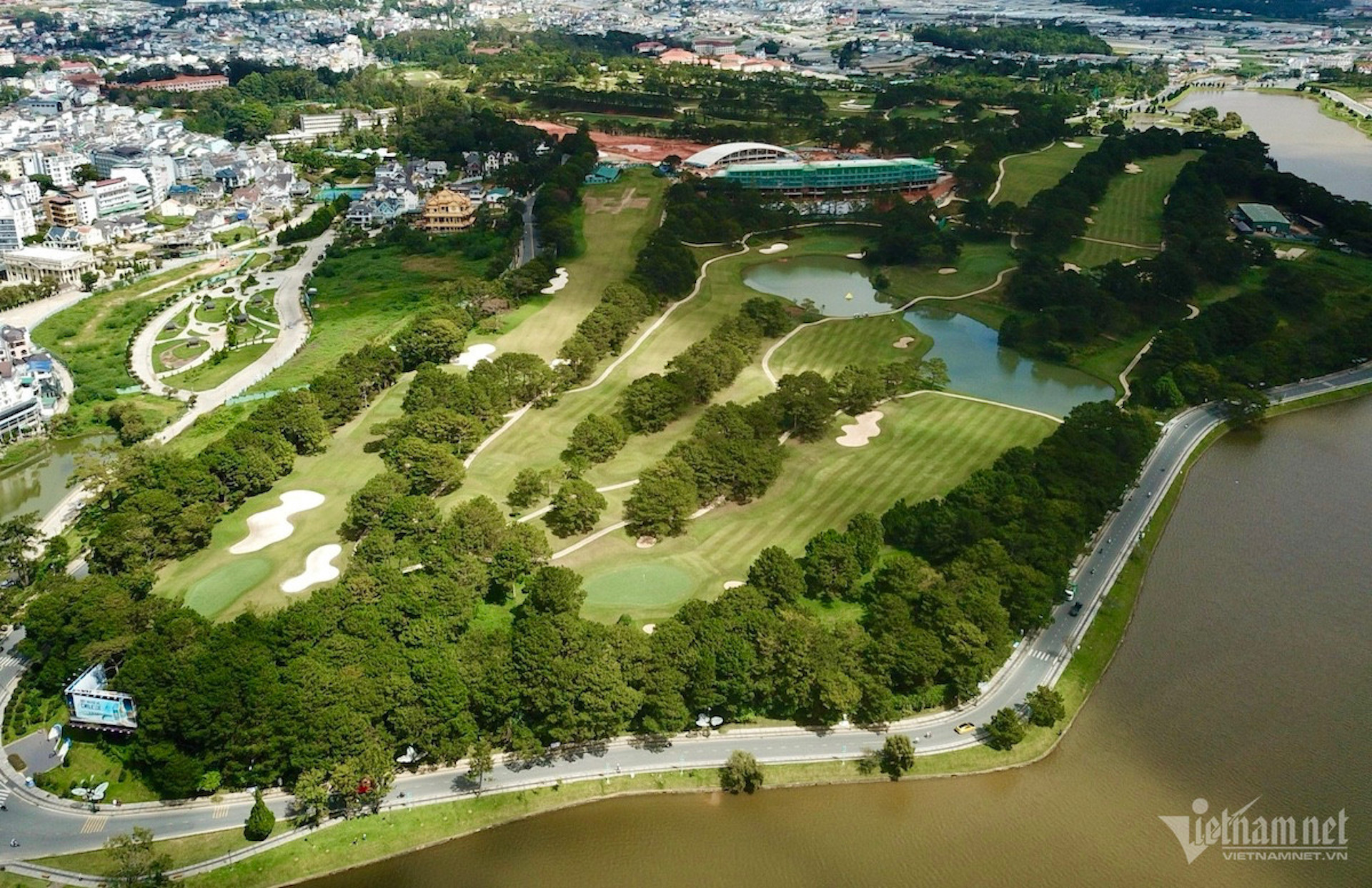
As one of the top golf destinations in the country, Hanoi offers several internationally acclaimed courses that cater to affluent visitors with high spending power. Among these is Kings Island Golf (also known as Dong Mo Golf Course in Doai Phuong commune) - Hanoi’s first golf course, covering 350 hectares of land and 1,500 hectares of water surface.
It remains the largest golf course in Hanoi, comprising three sub-courses with a total of 55 holes and welcoming about 15,000 international visitors annually. Another world-class facility is Sky Lake Resort & Golf Club in Tran Phu commune, featuring 36 holes. These golf courses go beyond sports facilities, offering accommodations, conference rooms, banquet services, wellness centers, and golf retail outlets.
They also regularly host major tournaments that attract both domestic and international tourists. Other renowned golf venues in Hanoi include Van Tri Golf Club, BRG Legend Hill Golf Resort, Hanoi Golf Club, and Long Bien Golf Course, all known for their scenic landscapes and professional services that meet international standards.
Hanoi also features an extensive accommodation network that complements golf tourism. There are 23 five-star hotels and seven five-star apartment complexes, along with 16 four-star hotels and one four-star serviced apartment. Prominent global brands such as JW Marriott, Sheraton, and Metropole have a presence in the city. This synergy between luxury hotels and elite golf courses positions Hanoi as a strong player in both golf and MICE (Meetings, Incentives, Conferences, Exhibitions) tourism.
The back-to-back titles of “World’s Best Golf City Destination” in 2023 and 2024 have validated Hanoi’s potential in golf tourism. Recently, the city has also expanded interprovincial tourism links to create new golf travel experiences.
However, Hanoi’s golf tourism still faces limitations. Unlike regional competitors such as Thailand, Malaysia, and Singapore, Hanoi has yet to host many large-scale international tournaments. Most foreign visitors come individually rather than in high-end group tours. This underutilizes the substantial investments already made by developers in golf infrastructure.
Truong Quoc Hung, Chairman of the UNESCO Hanoi Travel Club, pointed out key shortcomings such as high service costs and difficulty in booking services for tour groups, as many courses prioritize individual bookings. He suggests that Hanoi's tourism industry should foster stronger collaboration among businesses in the golf tourism value chain to lower costs and meet the increasingly diverse demands of travelers.
Le Hong Thai, Head of Investment at Hanoi Tourism Corporation, recommends integrating golf tourism with MICE and cultural experience tourism to attract broader markets. Phung Quang Thang, Permanent Vice Chairman of the Vietnam Travel Association, echoed this, calling for more high-quality entertainment and experience activities combined with golf.
He emphasized the need for golf courses to coordinate with travel agencies to develop a broader range of appealing and customized golf tourism products.
According to Dang Huong Giang, Director of Hanoi's Department of Tourism, golf tourism is a key priority for the city. The department will continue working with localities and businesses to promote golf-related tourism offerings, while also expanding other experiential travel products to increase long-term visitor stays.
PV
.svg)
