 Vietnamnet.vn

 Podcast



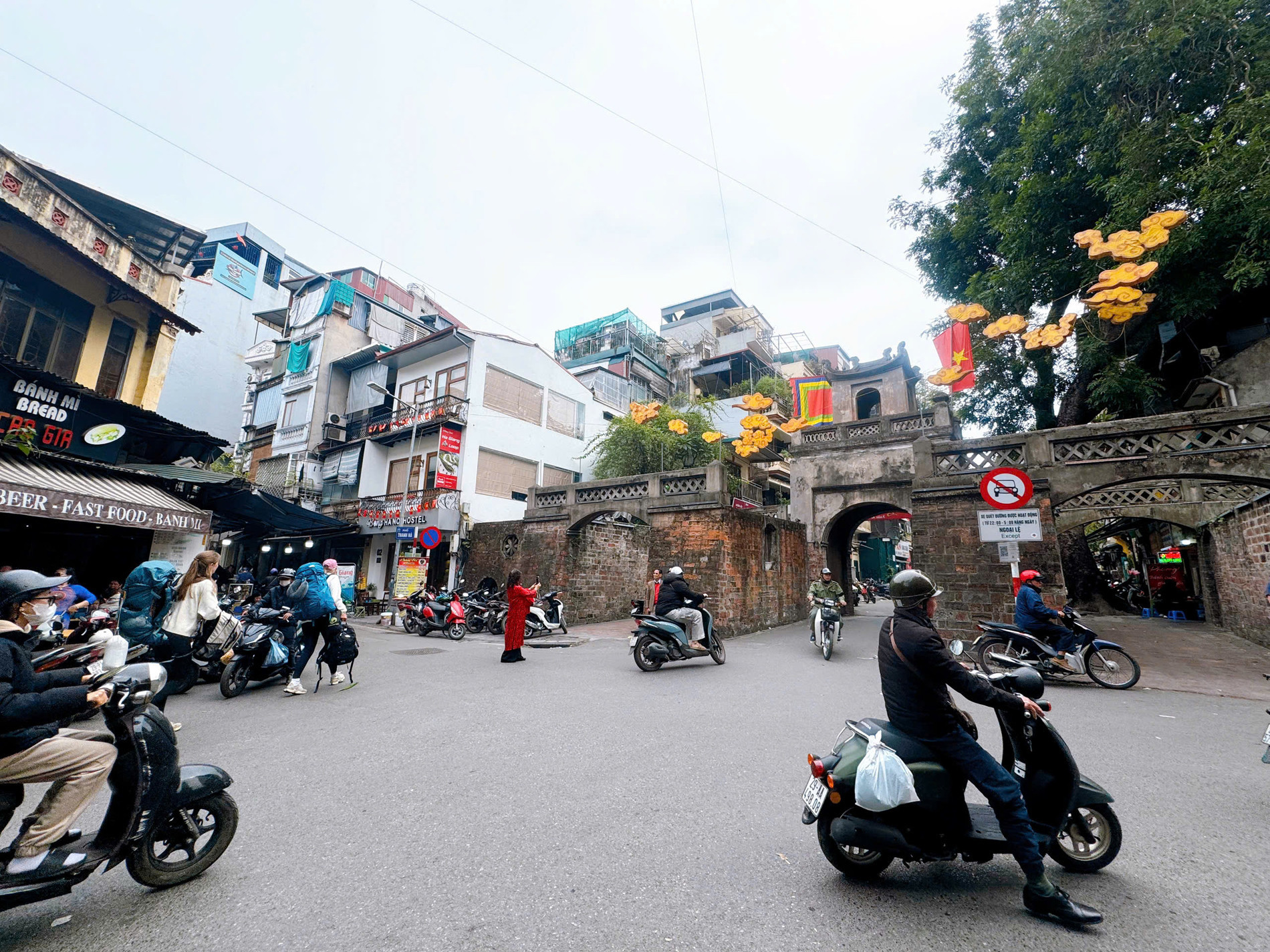
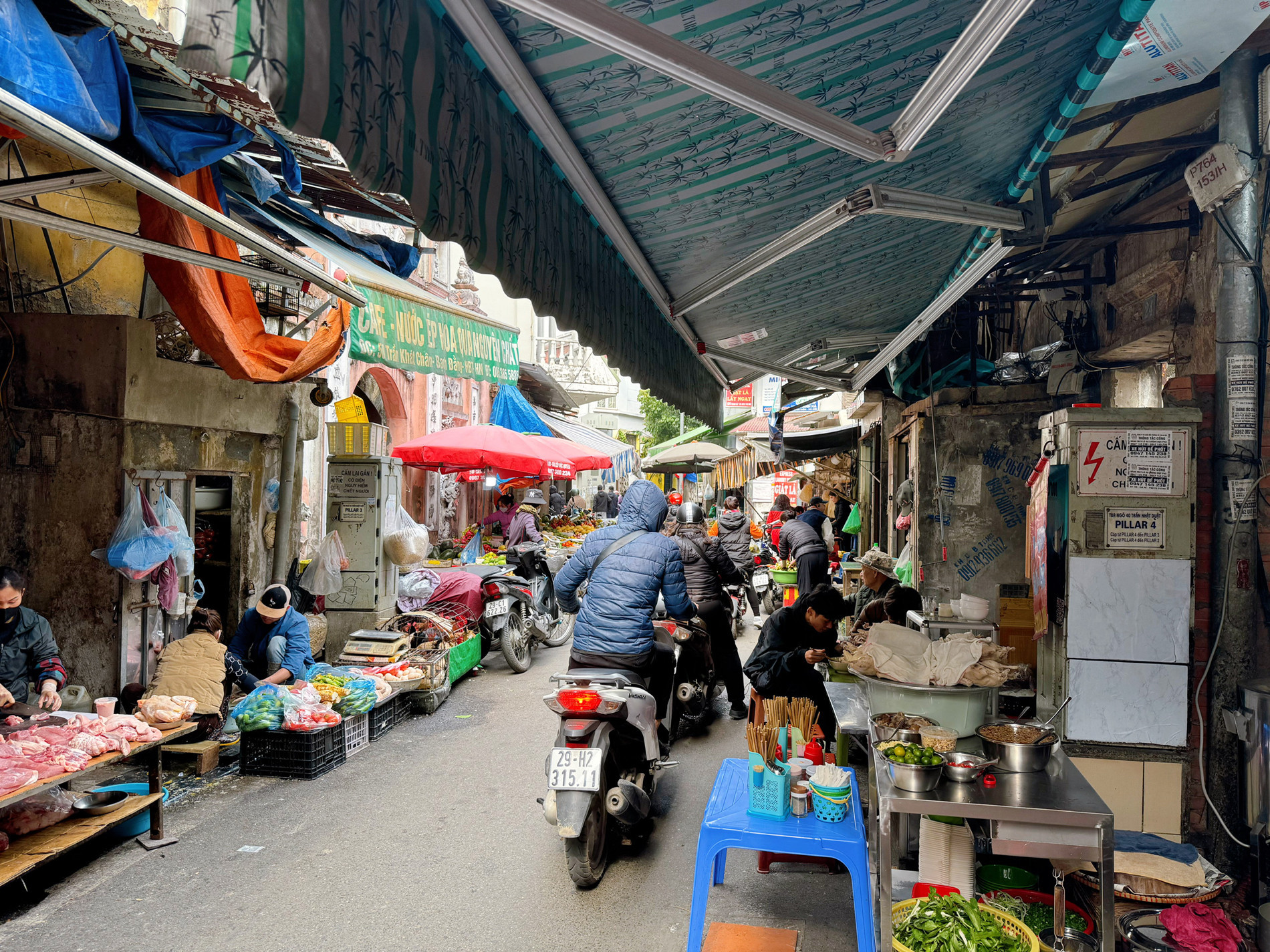
Stretching just over a hundred meters, the market weaves its way along Thanh Ha Alley and spills into Nguyen Thien Thuat Street. One end of the alley opens up near O Quan Chuong - the historic gate at the eastern edge of Hanoi’s Old Quarter.
Centuries ago, this very lane was known for traders bringing forest and farm goods from riverboats docking on the Red River. Back then, its most common cargo was a tuber called cu nau, giving rise to the local nickname “Cu Nau Alley” or “Hang Nau.”
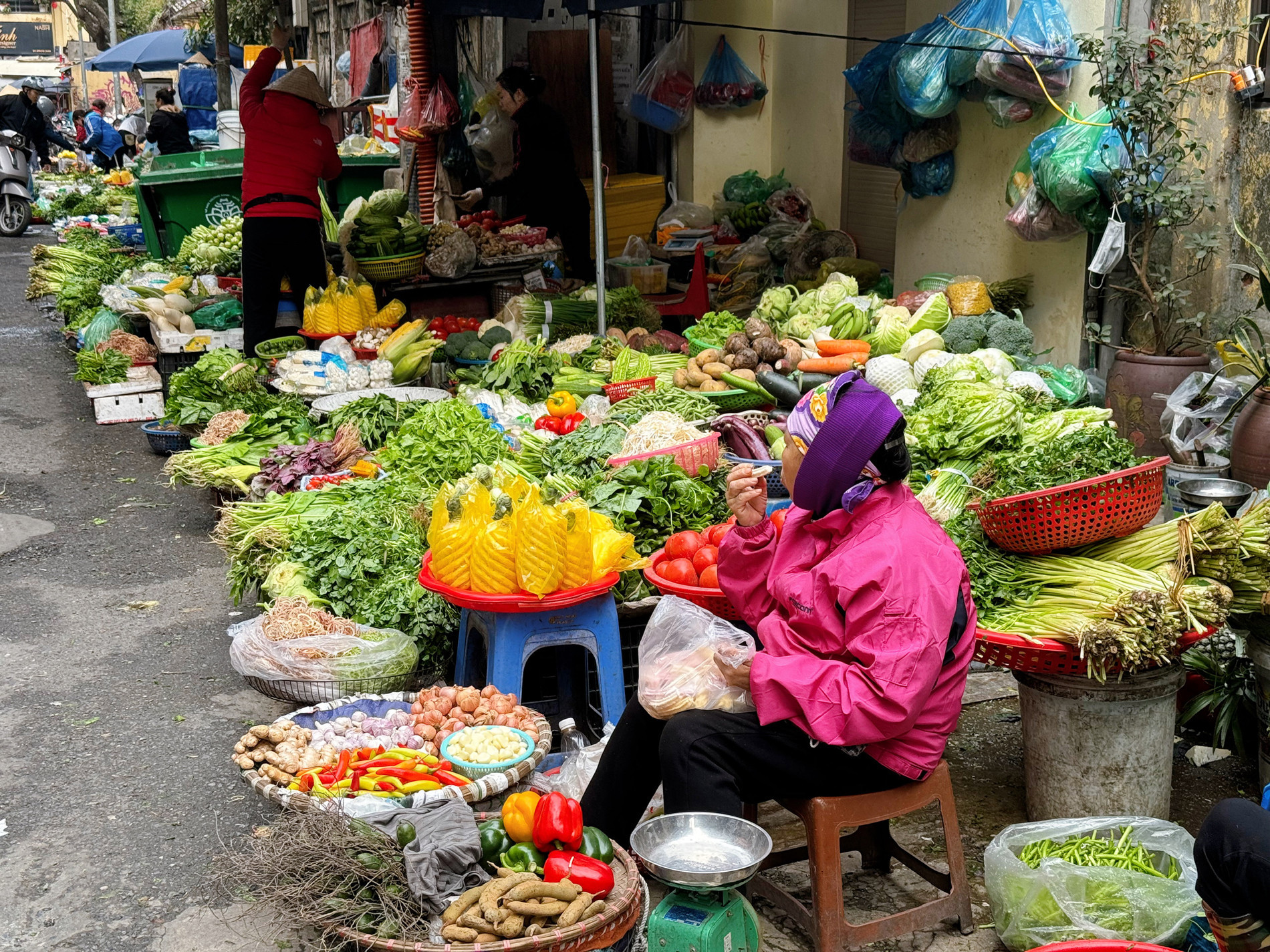
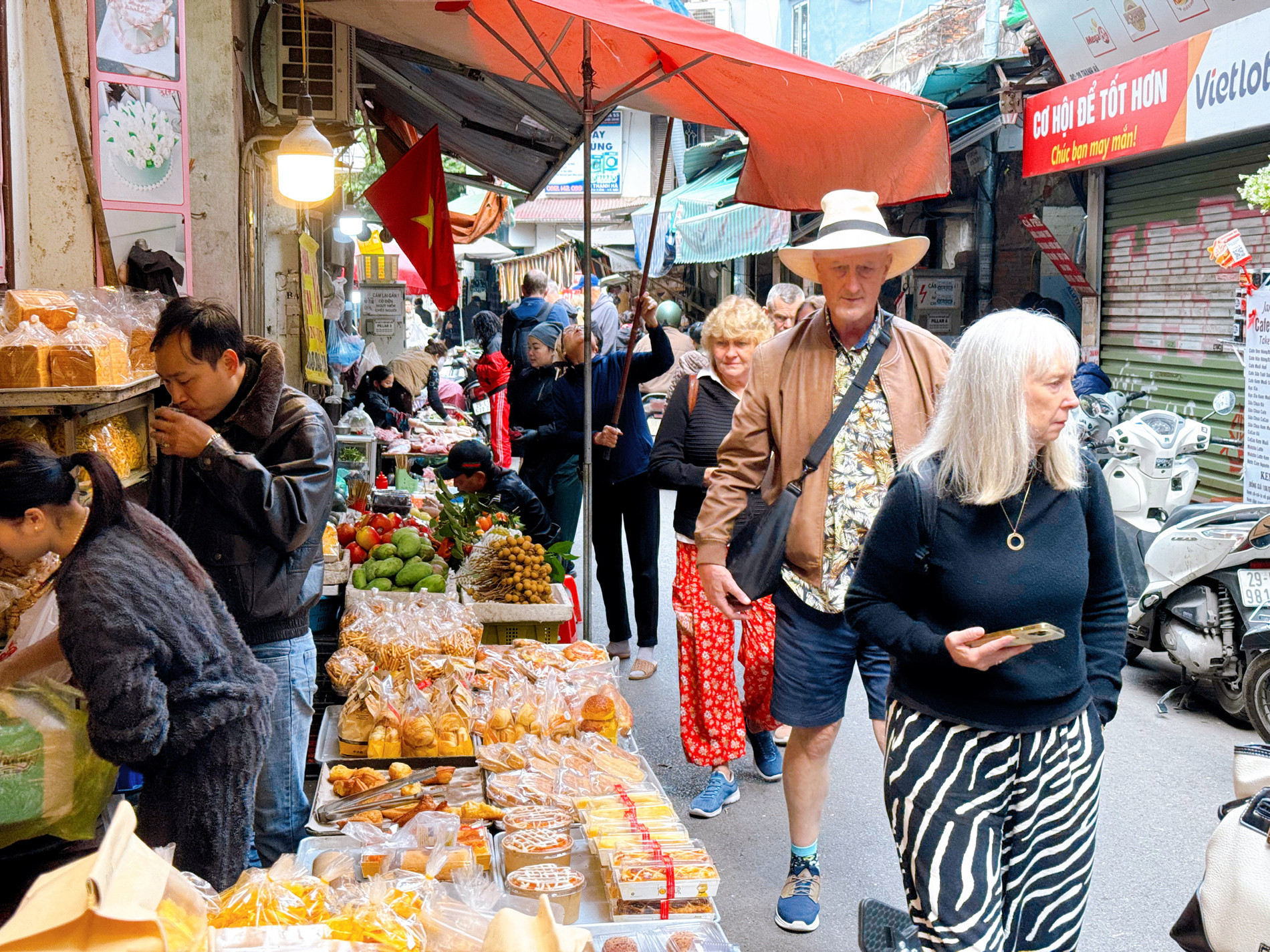
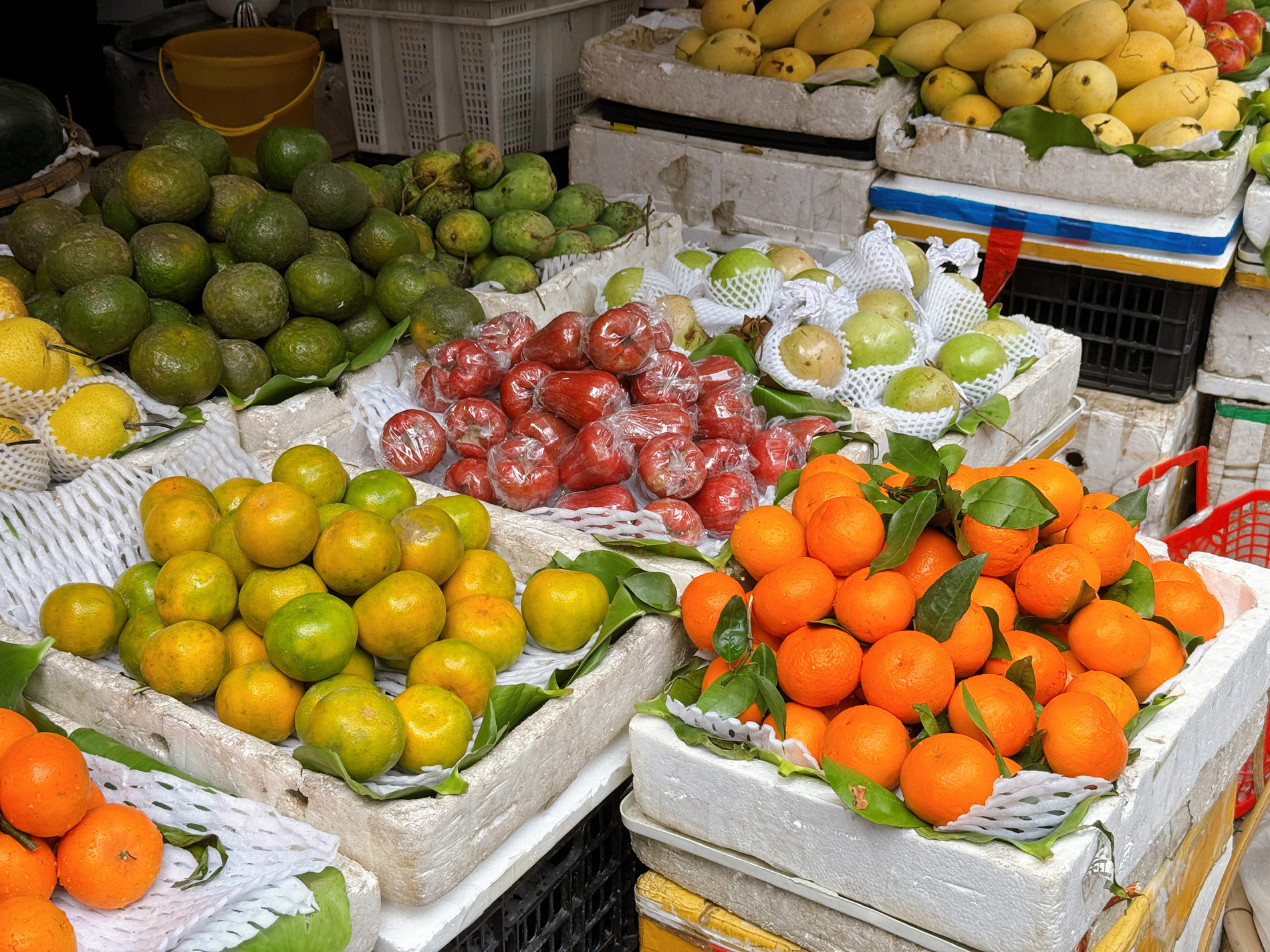
Today, despite its city-center location, Thanh Ha Market continues to exude the feel of a countryside fair. Its stalls are packed tight along both sides of the alley, drawing in foot traffic from morning until dusk.
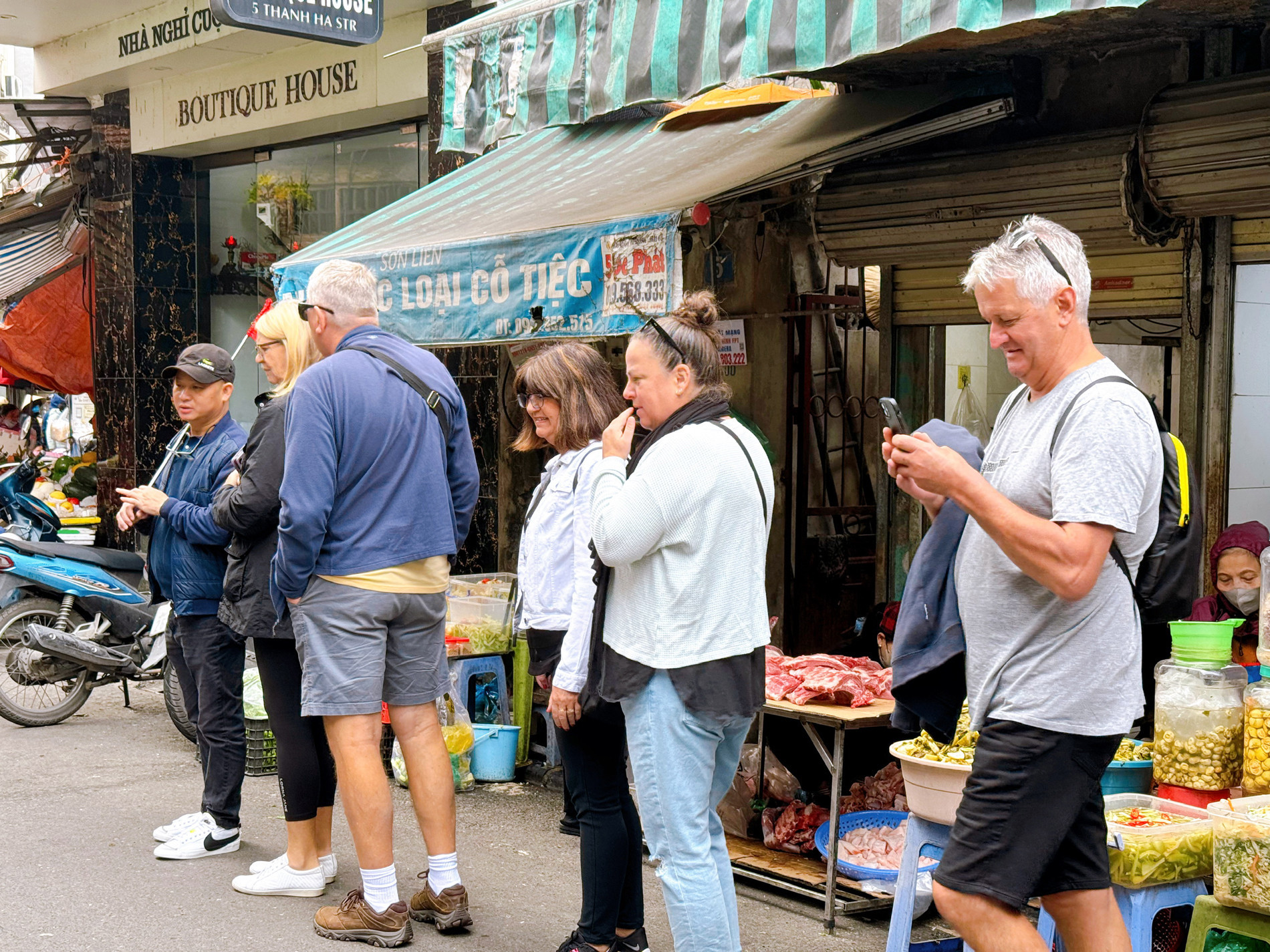
Early risers - including seasoned home cooks and visiting tourists - flock here for fresh produce, traditional snacks, and a glimpse into local life rarely found elsewhere in the capital.
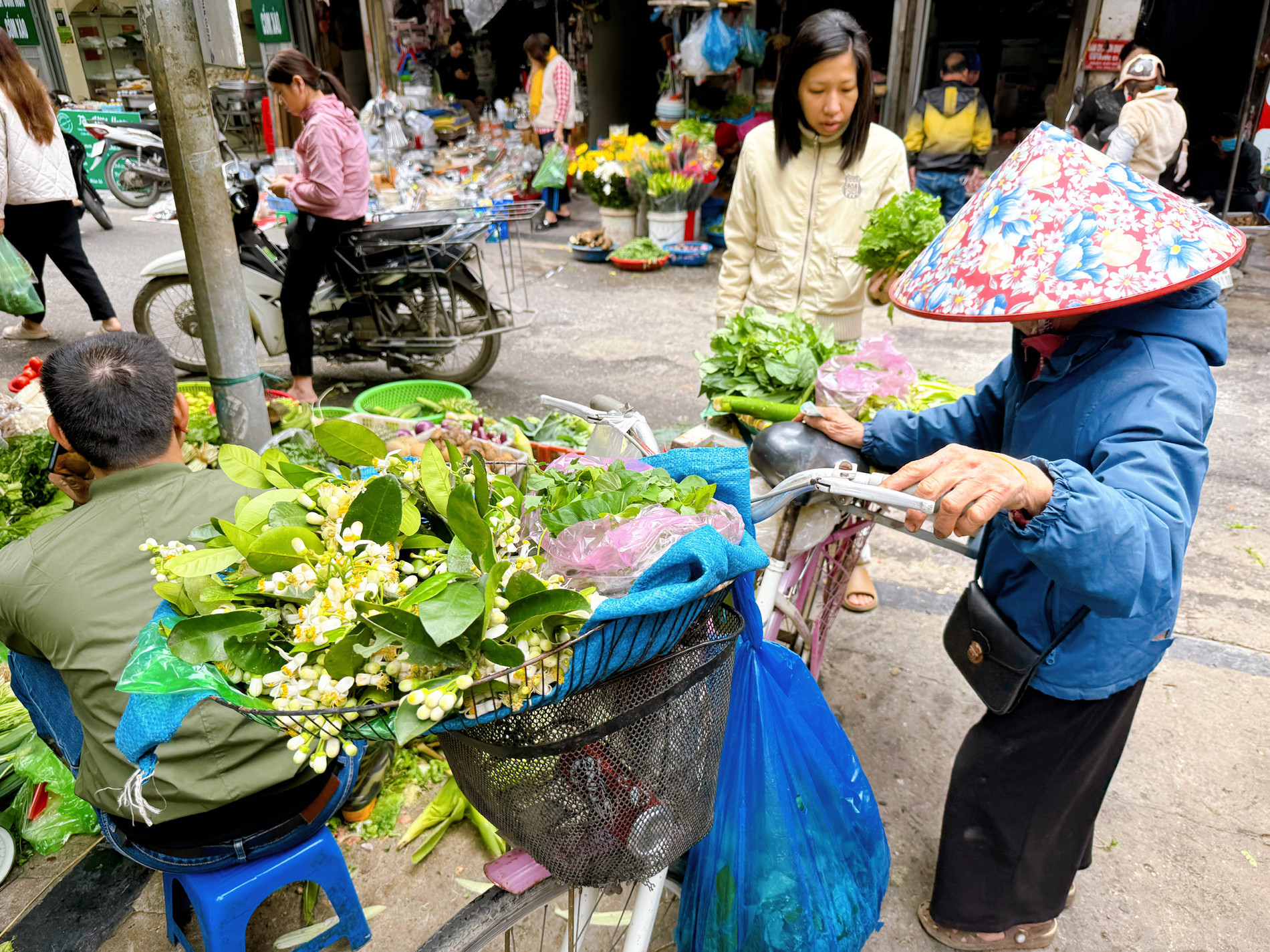
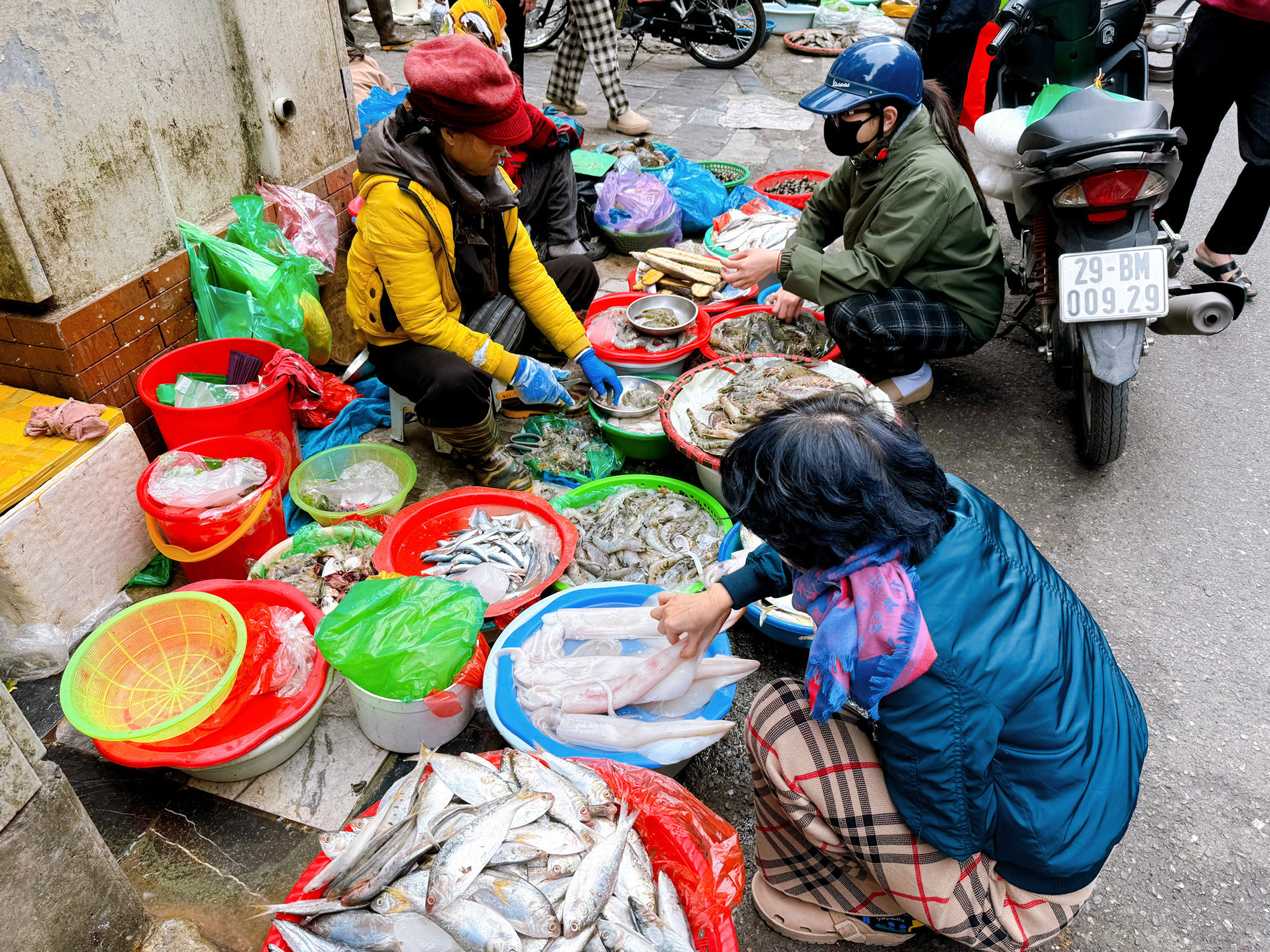
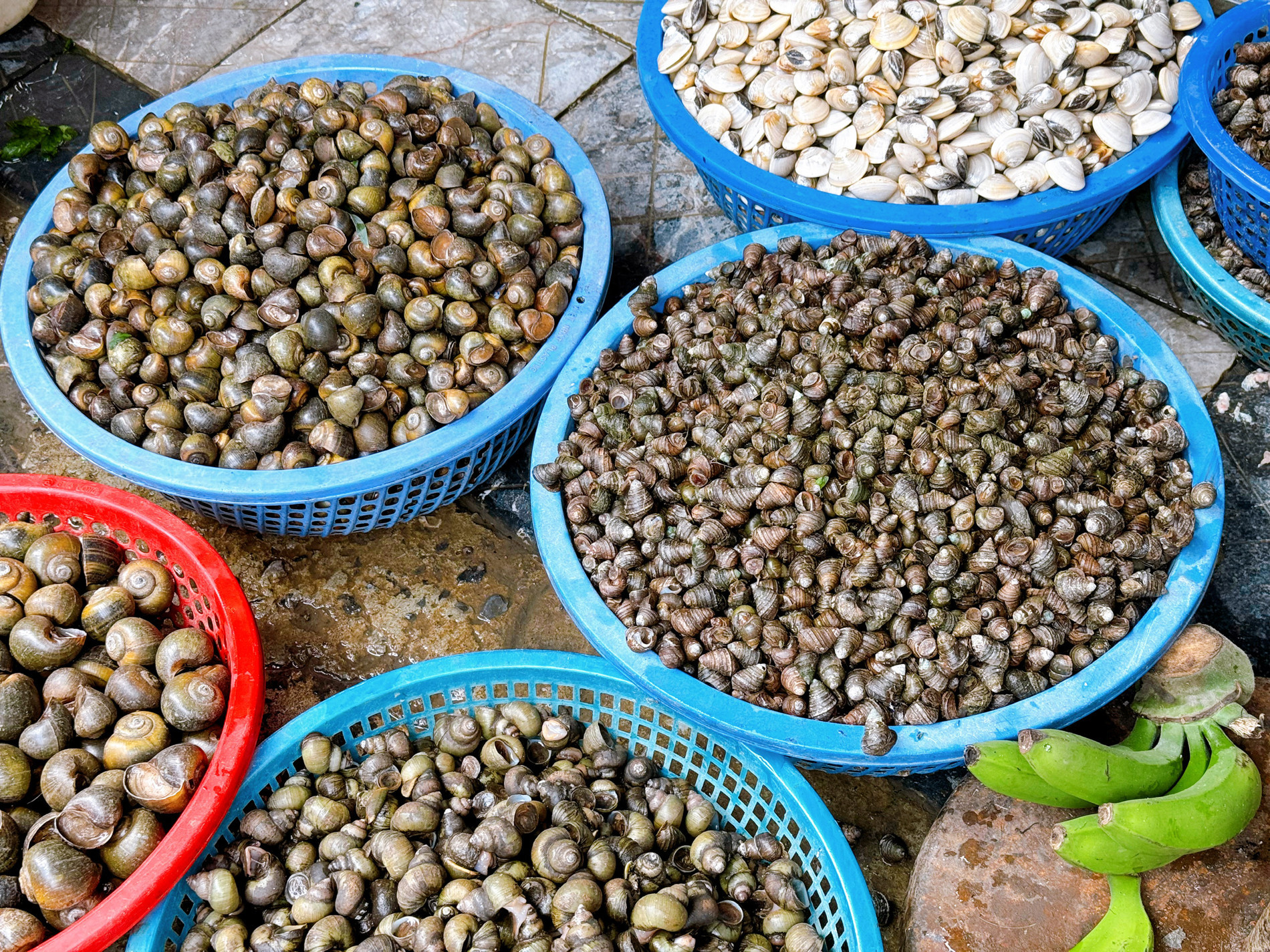
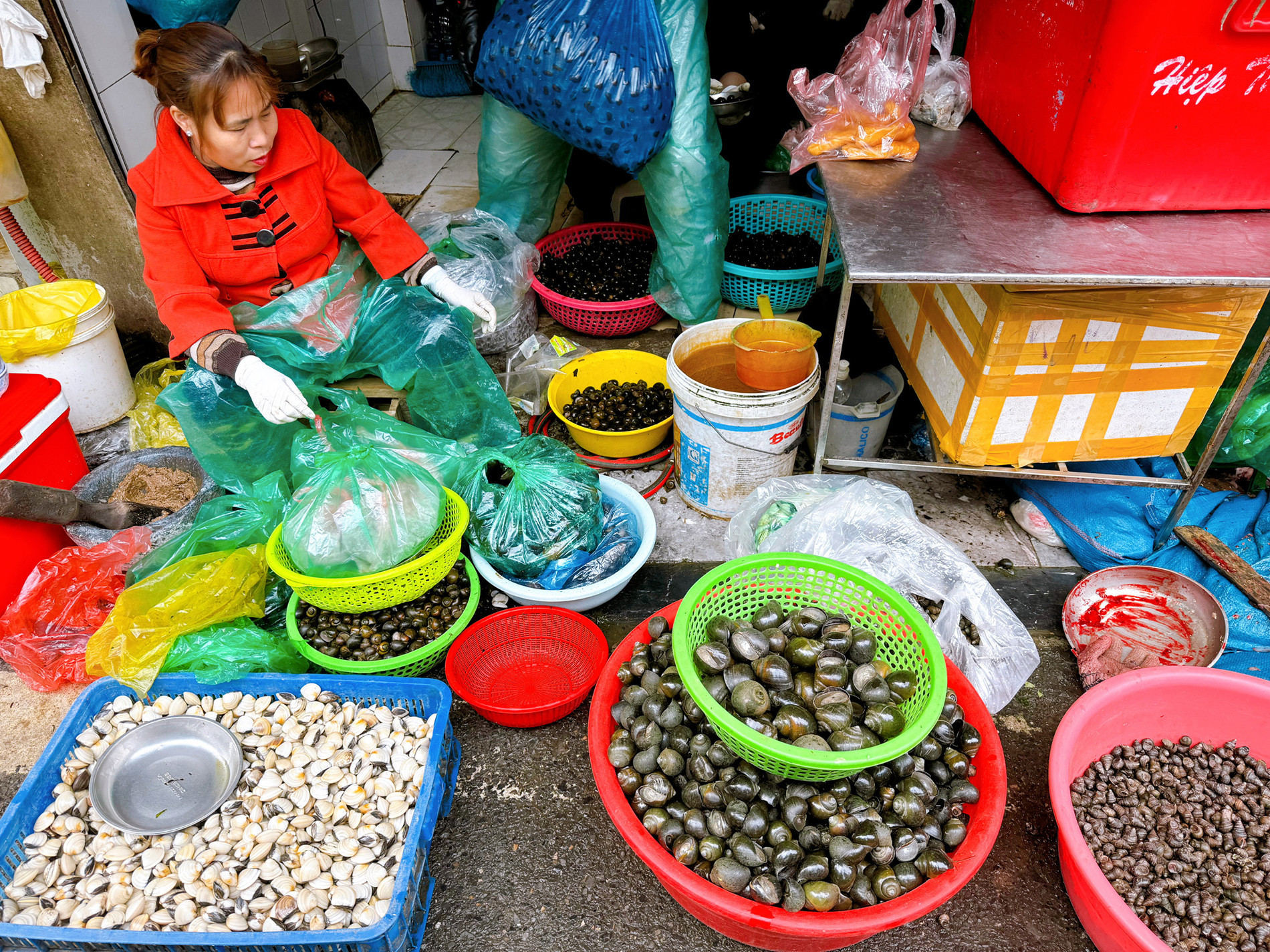
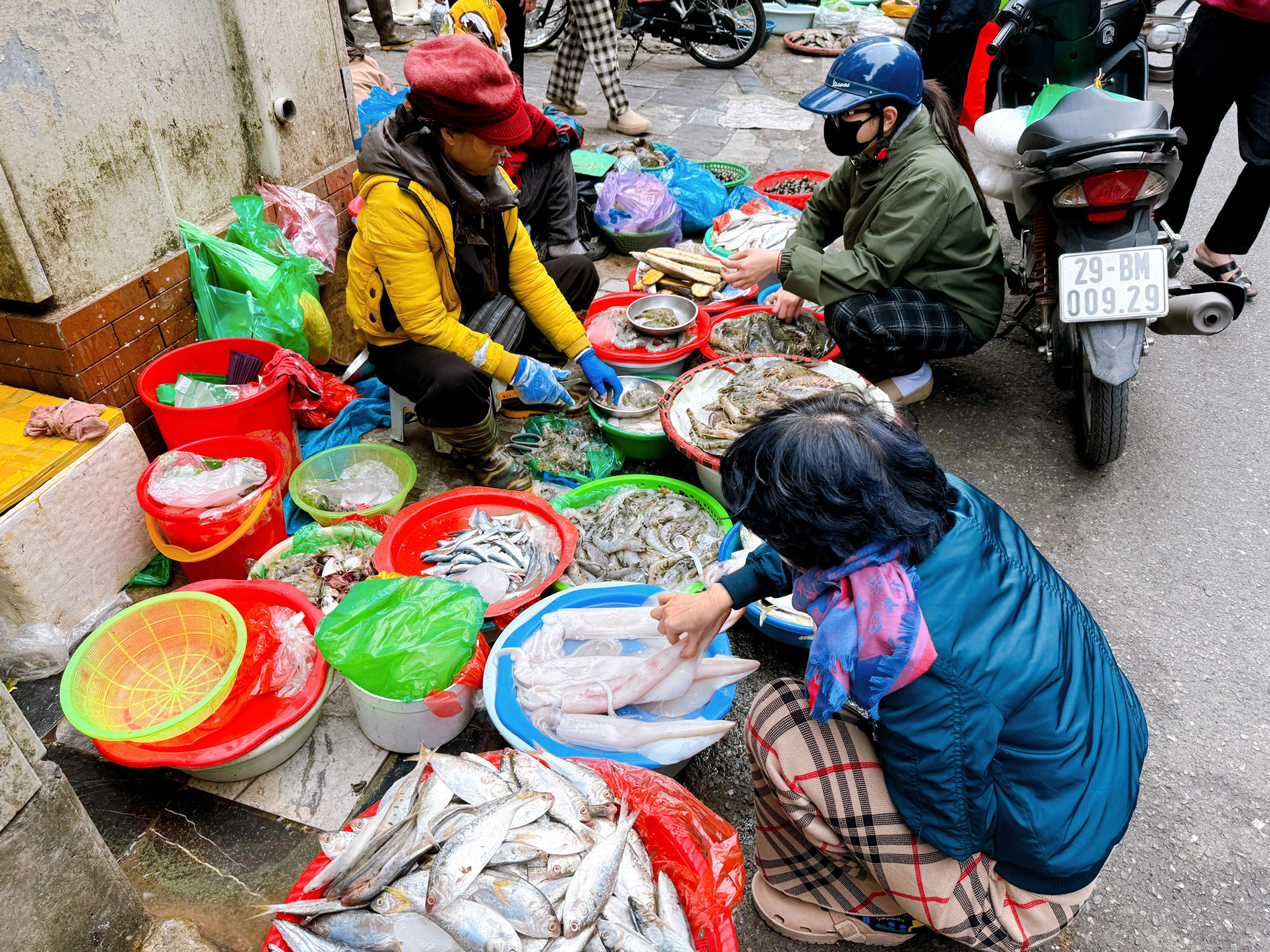
Vendors arrive before dawn with crates of frogs, eels, paddy crabs, river snails, and silk worms - all sourced from Hanoi’s rural districts or nearby provinces. Shoppers weave through the narrow path, eyeing homegrown vegetables, rice wine, bamboo shoots, and wild herbs laid out in baskets.
It’s this sense of authenticity that sets Thanh Ha apart. Though small, it’s one of the few markets in Hanoi’s Old Quarter that still clings to its rustic roots.
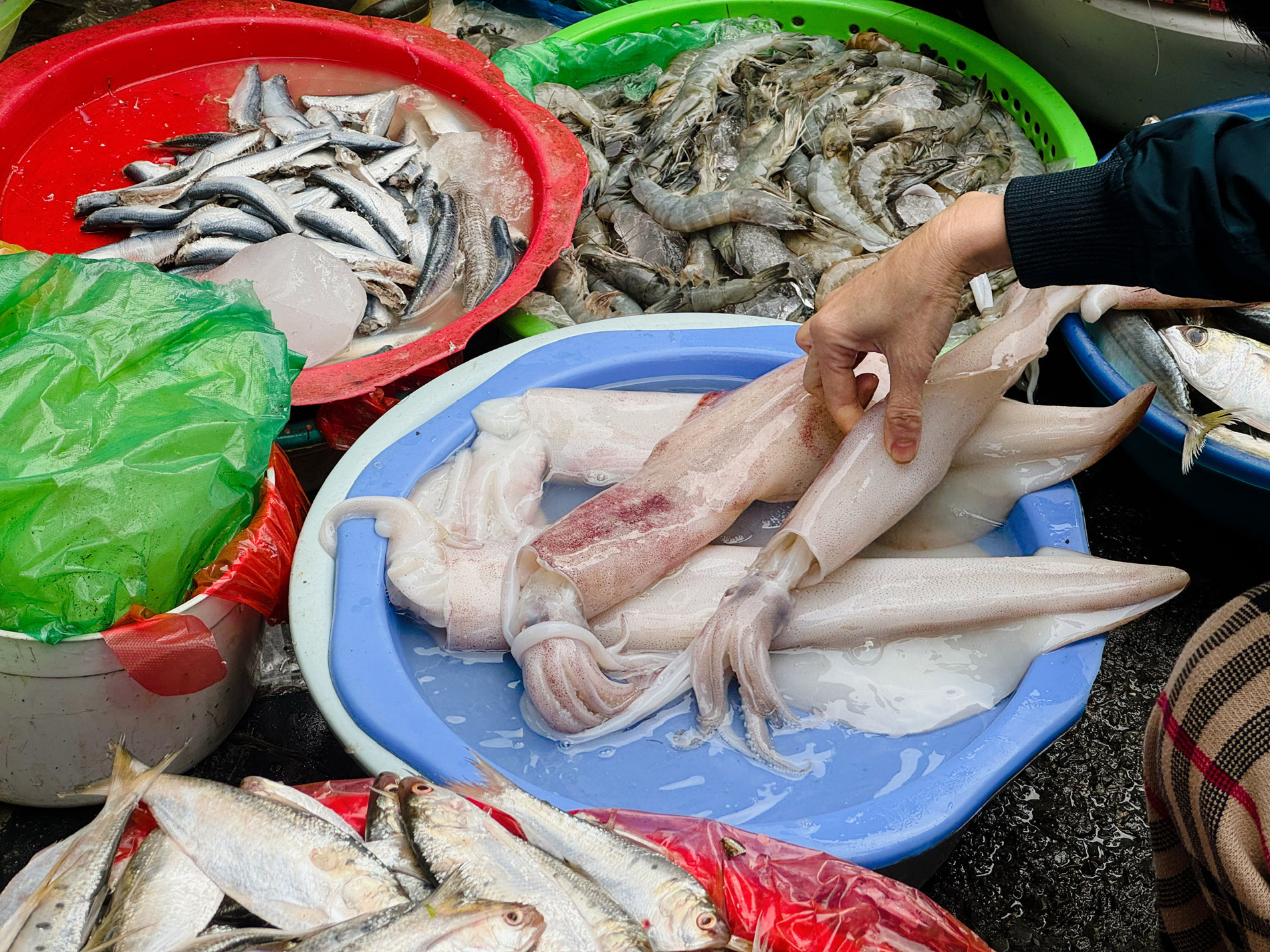
Beyond everyday produce, it’s also known as one of the first places in the city to offer rare seasonal delicacies - like cha ruoi (sand worm cakes) or fresh sardines - right when they come into season.
Curious food lovers often stop by in search of hard-to-find ingredients: pickled dua gang melon, ca cuong essence (from water bugs), or fresh hu tieu noodles from the Mekong Delta.
Despite being in a prime location, prices at Thanh Ha remain surprisingly reasonable. That’s part of the appeal for residents like Thu Hong, a long-time Old Quarter resident.
“Buying here takes some know-how,” she said. “You need to time it right - know which stalls have the freshest goods, when the countryside produce arrives, and what’s best to buy in the morning or afternoon.”
“It’s all part of the market’s rhythm. The locals know it by heart.”
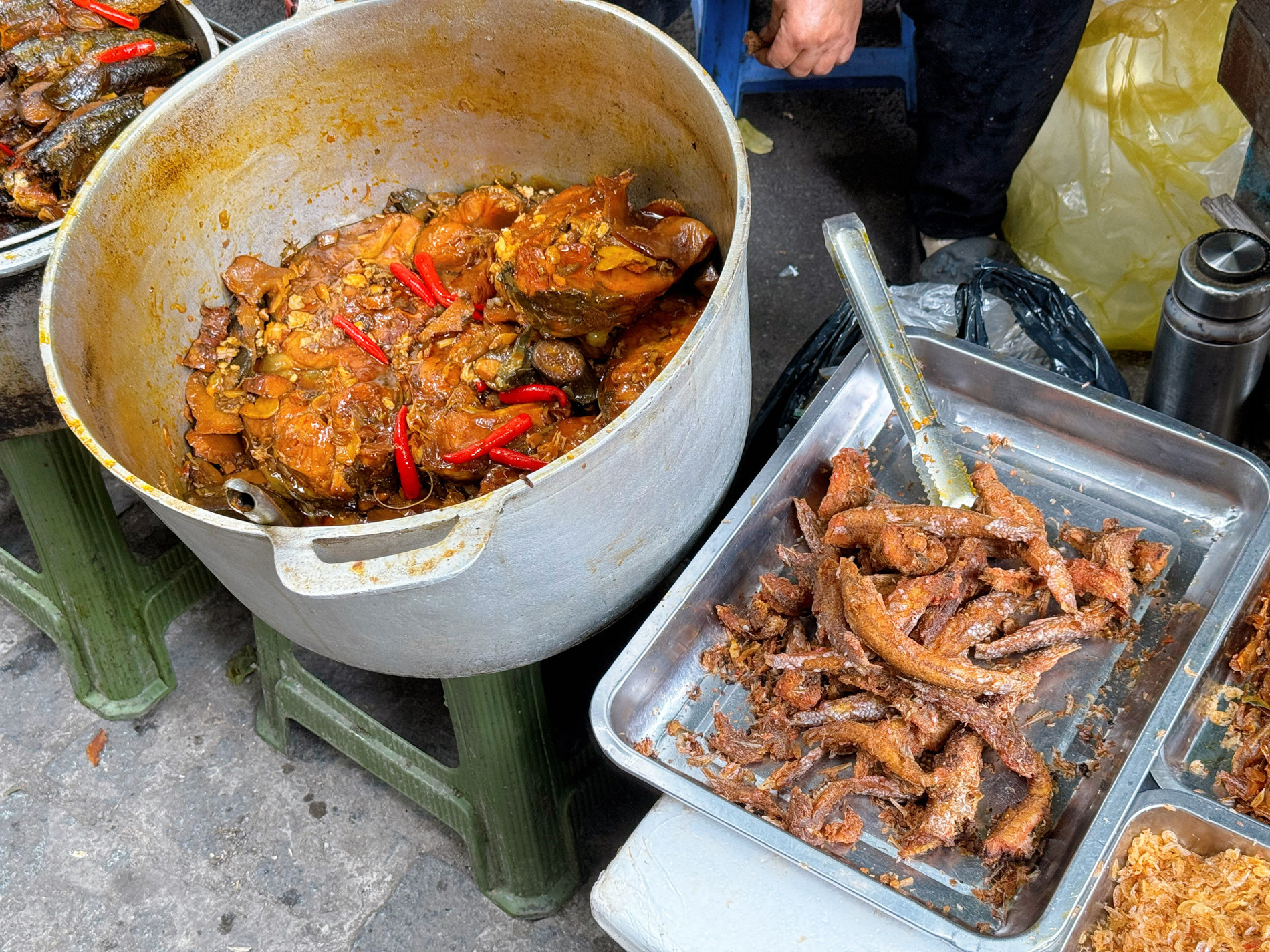
But Thanh Ha isn’t just for groceries. It’s also a beloved stop for hungry passersby.
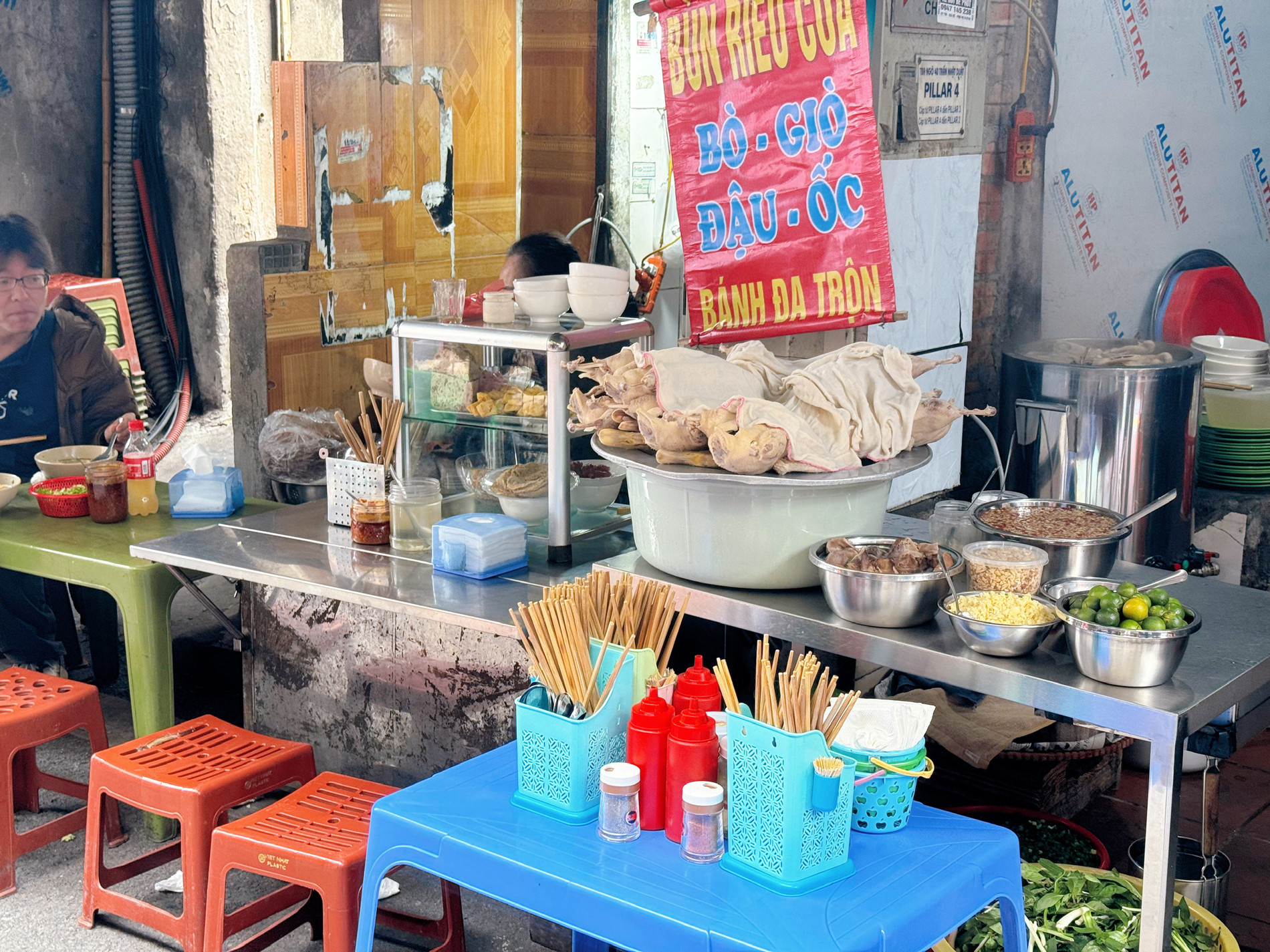
At the market’s entrance, near O Quan Chuong (Quan Chuong Gate), and scattered throughout the alley’s side nooks, you’ll find steaming pots and sizzling griddles turning out quintessential Vietnamese comfort food.
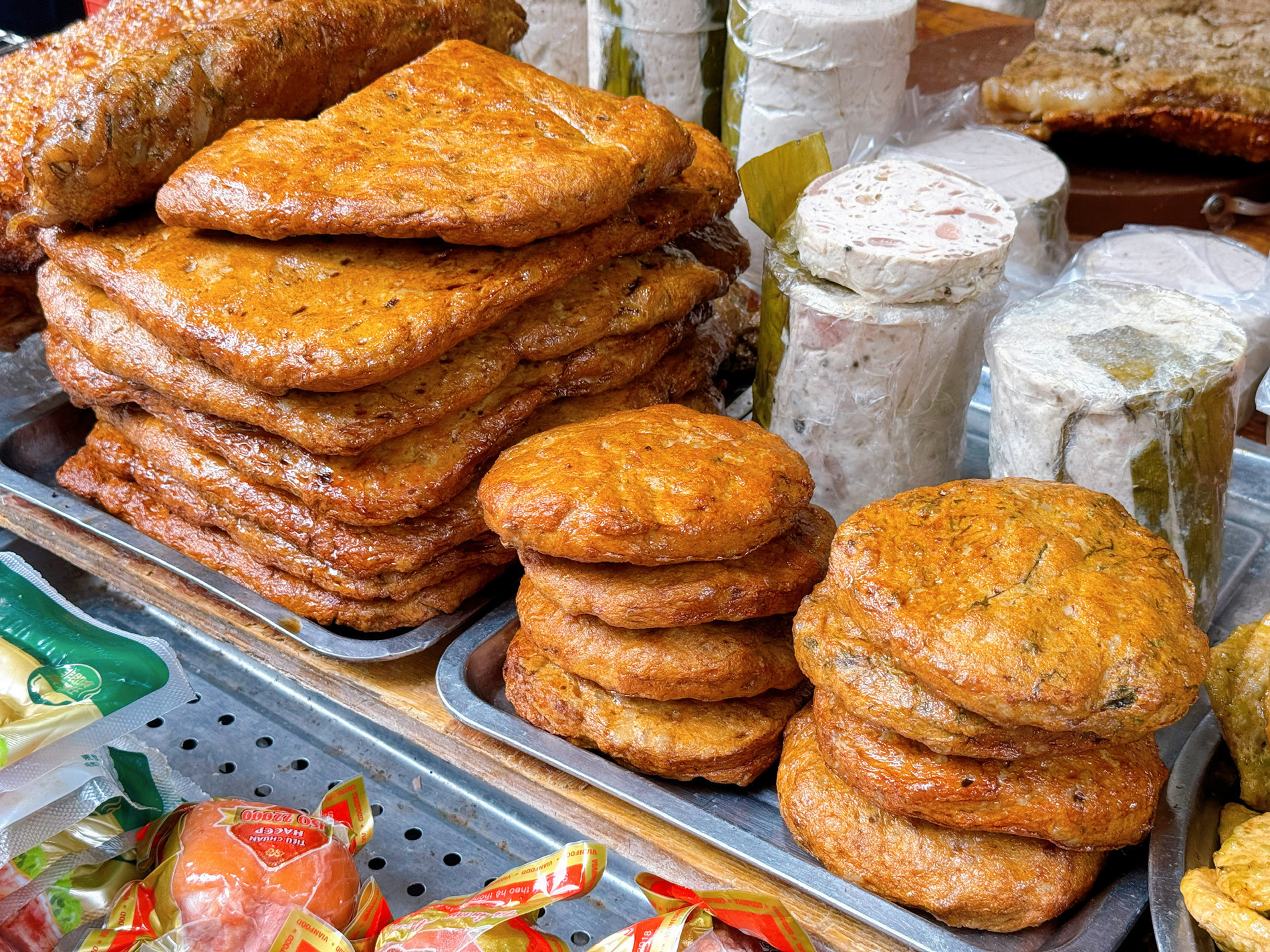
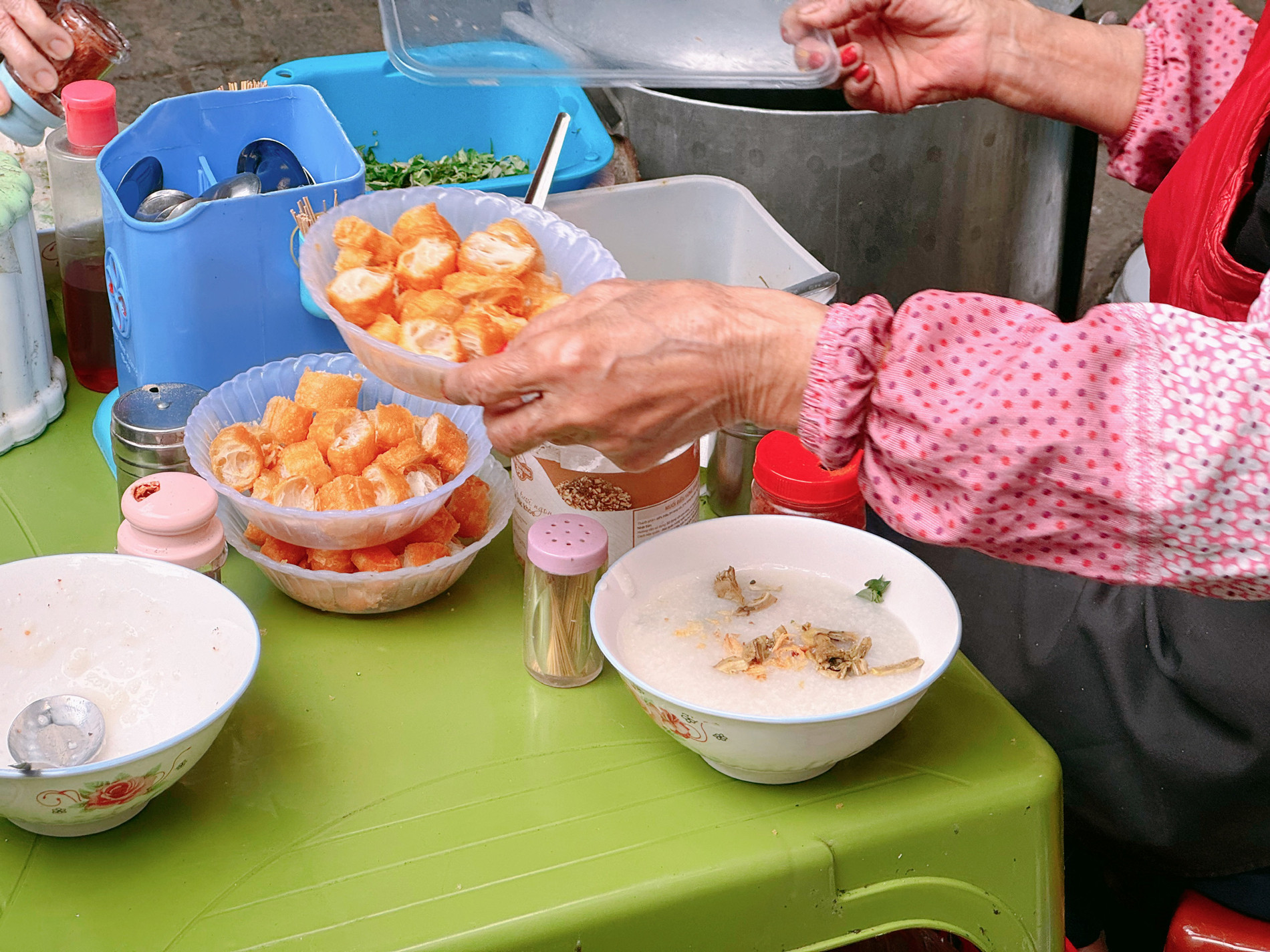
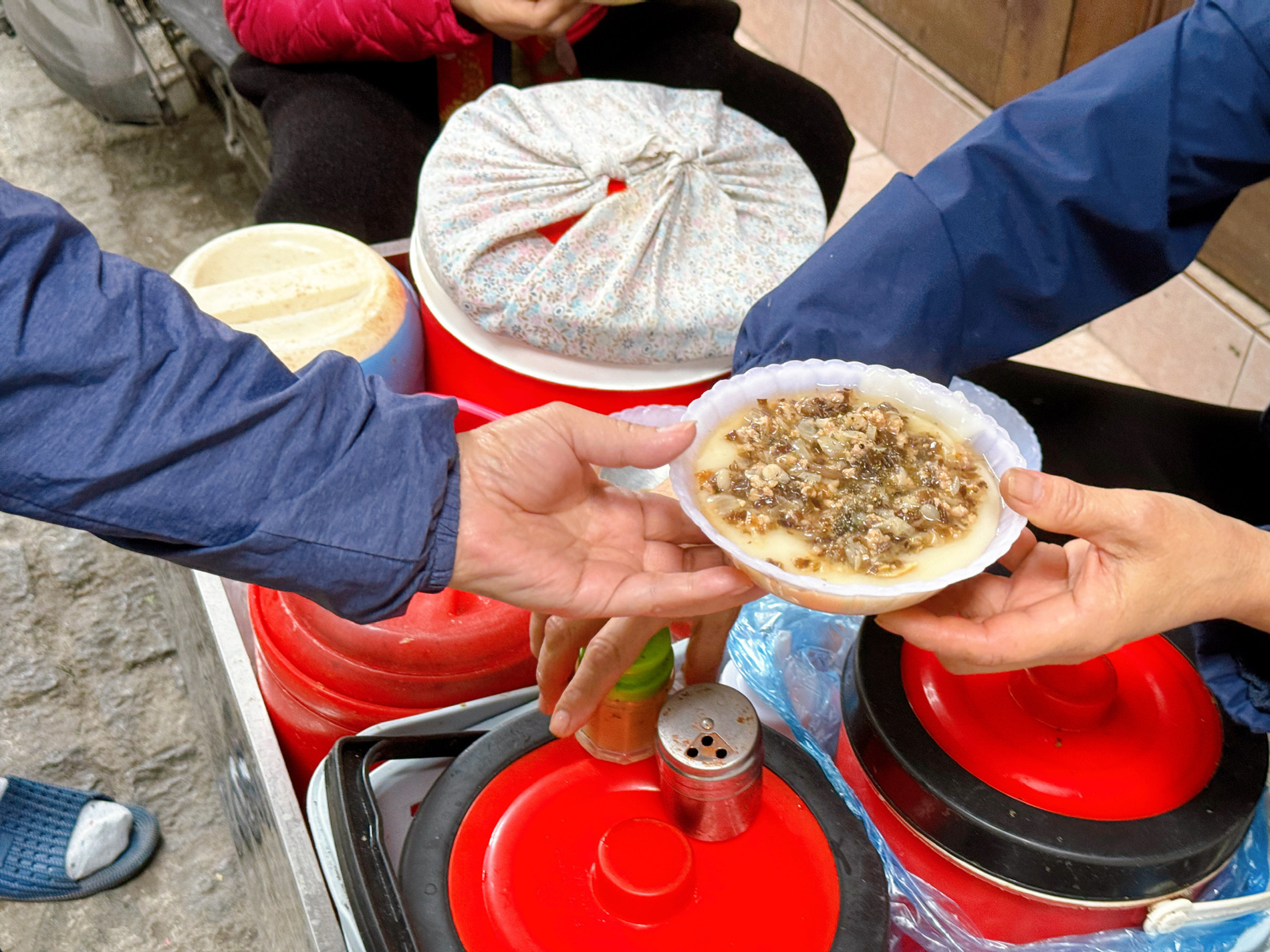
There’s bun rieu with crab paste and tofu, mien ngan duck glass noodles, fried square glutinous cakes, or hot banh duc rice pudding with ground pork and peanuts. A bowl of chao trai (clam porridge) might be just what’s needed after an early morning walk.
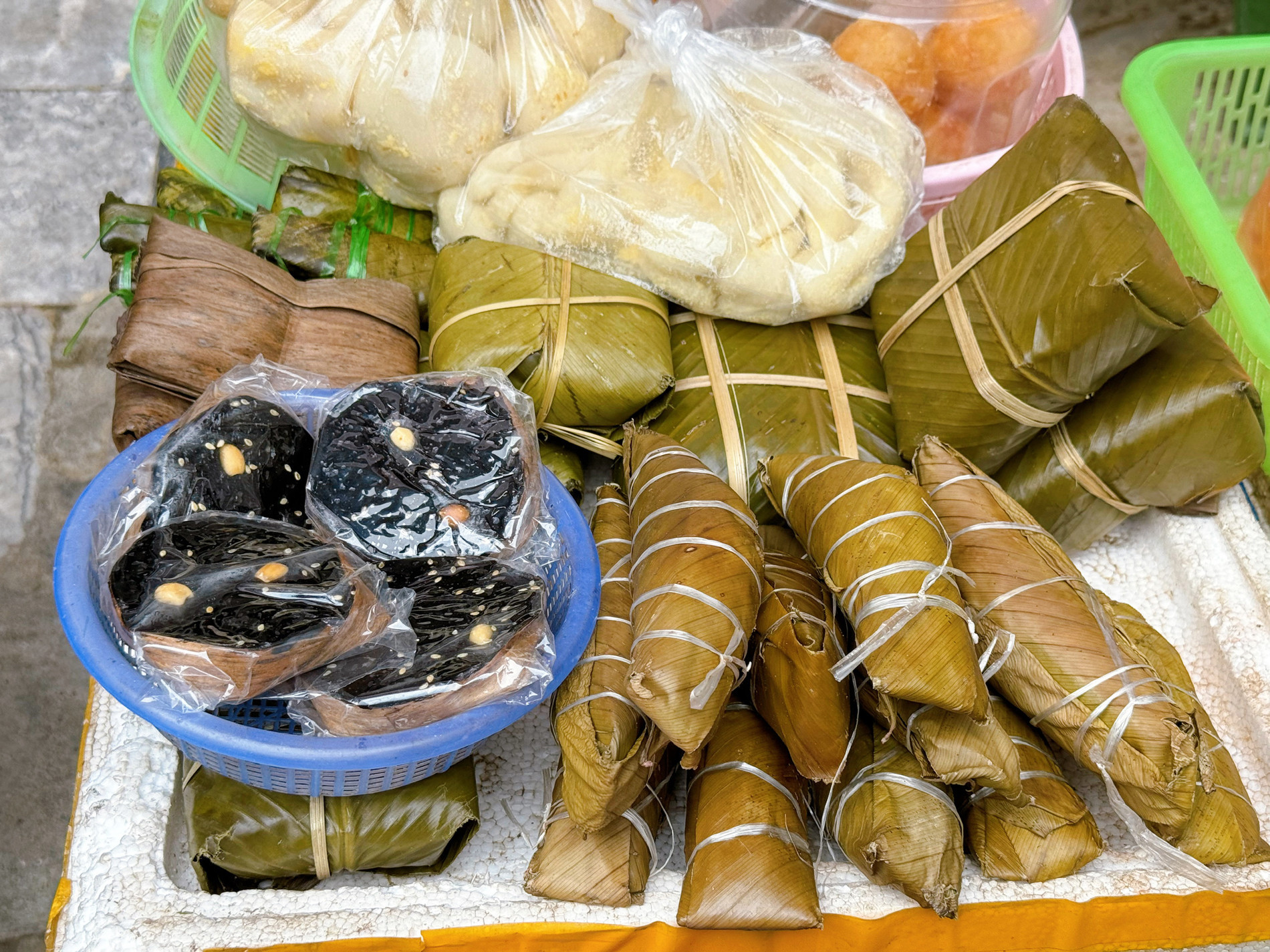
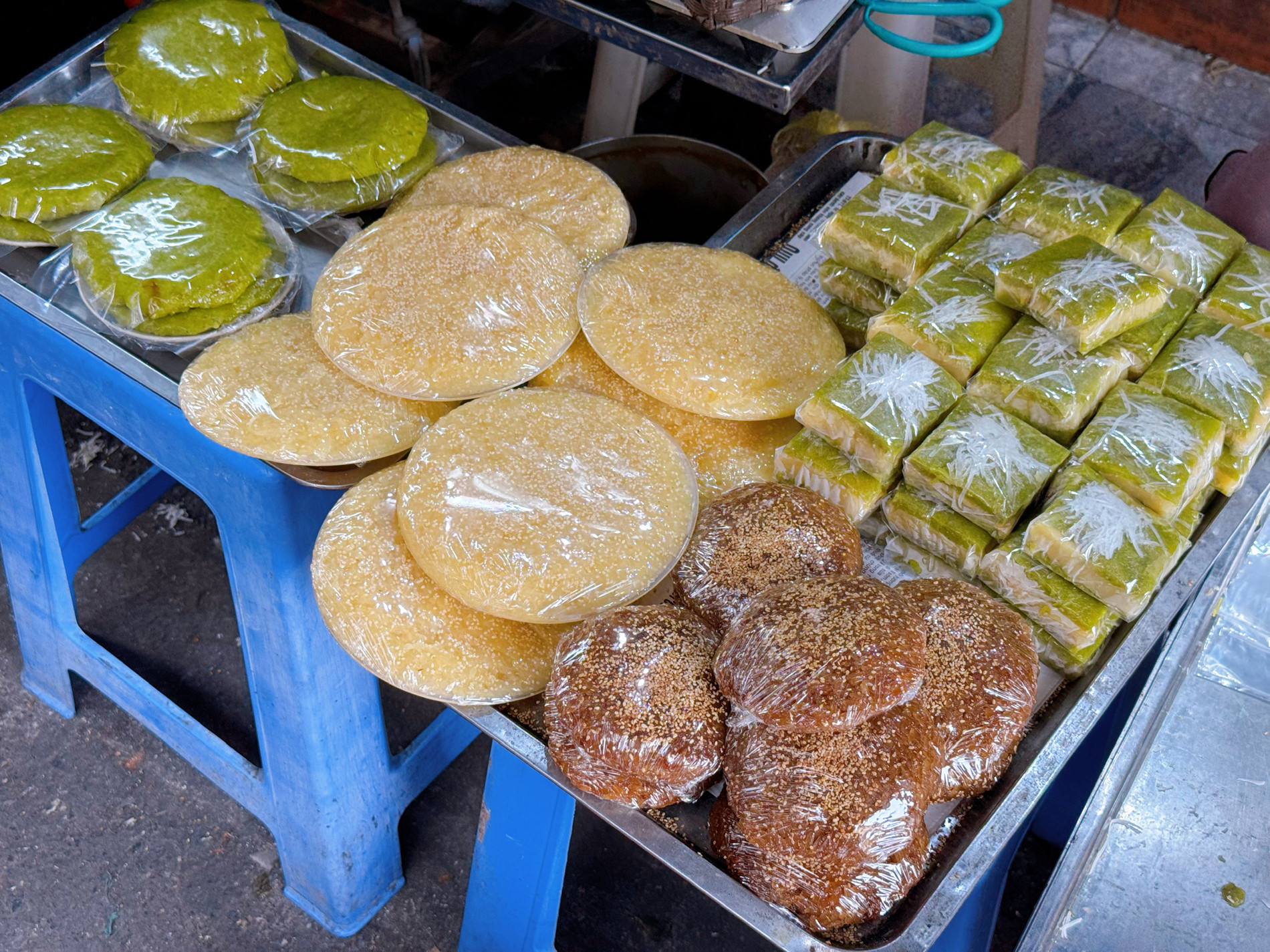
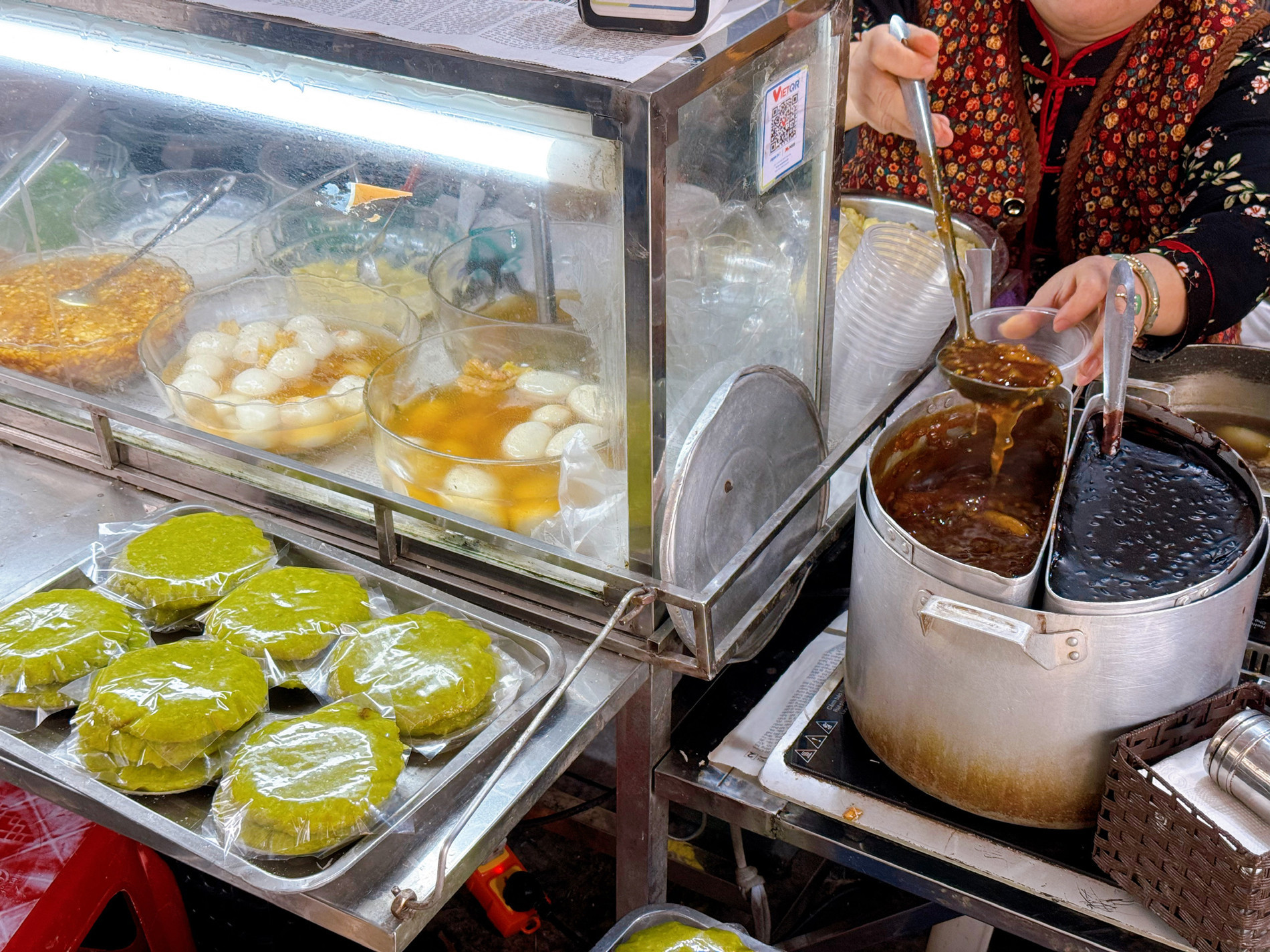
And then there are the sweet snacks: che do den (black bean dessert), banh gai, banh day, xoi com, and the unmistakable green banh com glutinous rice cakes that delight both locals and tourists.
In a city where modernization has reshaped much of the Old Quarter, Thanh Ha Market remains a rare pocket of tradition - where ingredients tell stories, and meals are as warm as the people who make them.
Thao Trinh
.svg)
