 Vietnamnet.vn

 Podcast



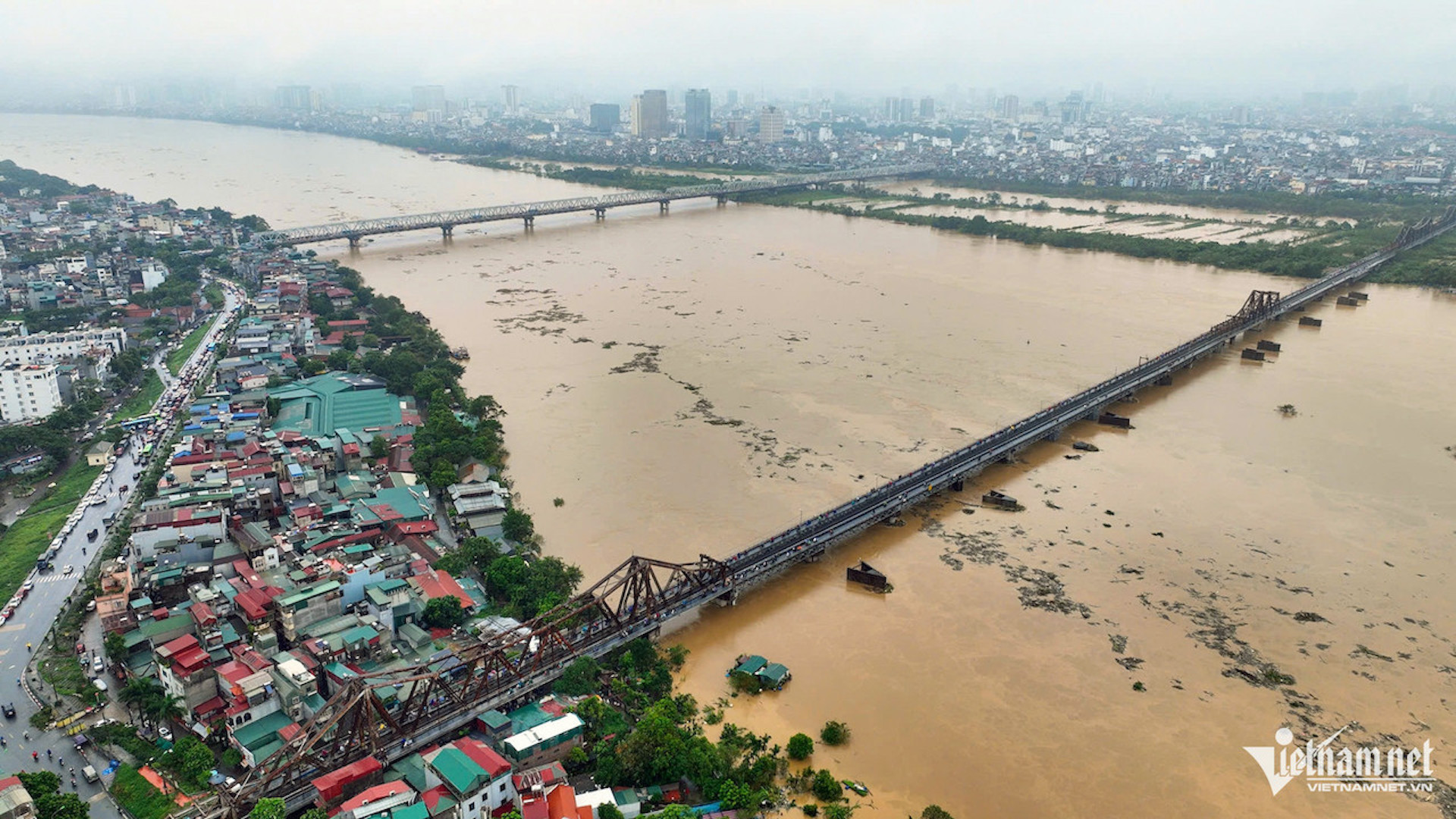
Hanoi plans to establish six to eight major night economy zones and 15-20 late-night streets and public spaces operating after midnight.
The areas will be developed in coordination with the city’s public transport network.
At least three zones are expected to meet regional standards for cultural and tourism night experience destinations.
According to the proposal, the Red River scenic boulevard night economy area will be developed into a dynamic creative economy hub and cultural industry center, bringing together high-value cultural, artistic and commercial activities.
The project is expected to support new economic growth while strengthening Hanoi’s position on the regional and international creative map.
Looking ahead to 2045, Hanoi aims to become one of the region’s competitive night economy centers, with nighttime activities contributing more than 12% of GRDP.
The city also plans to build the brand of a “city of nighttime cultural experiences,” featuring internationally recognized night spaces and events.
Officials expect the strategy to attract 8-10 million international visitors participating in nighttime activities annually.
To achieve these goals, Hanoi will divide the night economy into three administrative management zones, including a dynamic zone, a quiet zone and a transitional zone to ensure balanced and effective development.
The city identified cultural depth and heritage value as the foundation for developing the night economy.
Cultural tourism, artistic performances, heritage experiences and traditional cuisine will be concentrated in Hoan Kiem District, the Old Quarter, the Imperial Citadel of Thang Long, Van Mieu–Quoc Tu Giam, the Four Sacred Temples area and surrounding zones.
Strict environmental and urban order controls will accompany the development plans.
Hanoi also plans to organize artistic events, light shows, festivals and cultural activities at pedestrian streets, parks, West Lake and nearby areas.
The city will further expand theater systems, museums, exhibitions, art galleries and creative spaces.
Night cruises planned on the Red River
For suburban districts, Hanoi plans to develop eco-tourism, overnight resort services, craft village experiences, traditional festivals and community tourism models.
According to the proposal, the Hanoi Center for Culture, Arts and Commercial Services along the Red River scenic axis, expected to be completed by 2030, will become an iconic cultural and creative night economy destination.
The complex is envisioned as a venue for major cultural and artistic events alongside premium commercial services.
Hanoi also plans to manage the night economy through smart urban systems.
Officials aim for 80-90% of transactions to be cashless and for all key night economy zones to be equipped with security monitoring systems and digital infrastructure.
The city will build digital databases and digital maps for night economy management, planning and operations.
Authorities also plan to develop a shared digital platform connecting regulators, businesses, household enterprises and service users.
In transportation, Hanoi plans to introduce subsidized bus routes connecting nighttime entertainment complexes.
The city may also extend operating hours for the Cat Linh–Ha Dong and Nhon–Hanoi Railway Station metro lines on weekends and public holidays once conditions allow.
By 2030, Hanoi plans to launch night cruise services on the Red River connecting Long Bien Bridge to the river’s midstream sandbanks, combining sightseeing with artistic performances and onboard dining experiences.
The city also plans to standardize branding for the night economy, develop a dedicated digital media ecosystem and strengthen international promotion targeting key markets including China, South Korea, Japan and India.
The proposal further emphasizes training programs for night tourism guides, public performance artists, operations staff, security personnel, medical workers and rescue teams serving nighttime activities.
Thanh Hue
.svg)
