 Vietnamnet.vn

 Podcast



Once reliant on rain-fed corn and rice fields, Hmong farmer Thao No Gia in Thanh Hoa took a chance on converting more than seven hectares of high-altitude land to son tra, or Vietnamese hawthorn. His orchard now brings his family thousands of dollars each year.
From corn and rice fields to hillsides heavy with fruit
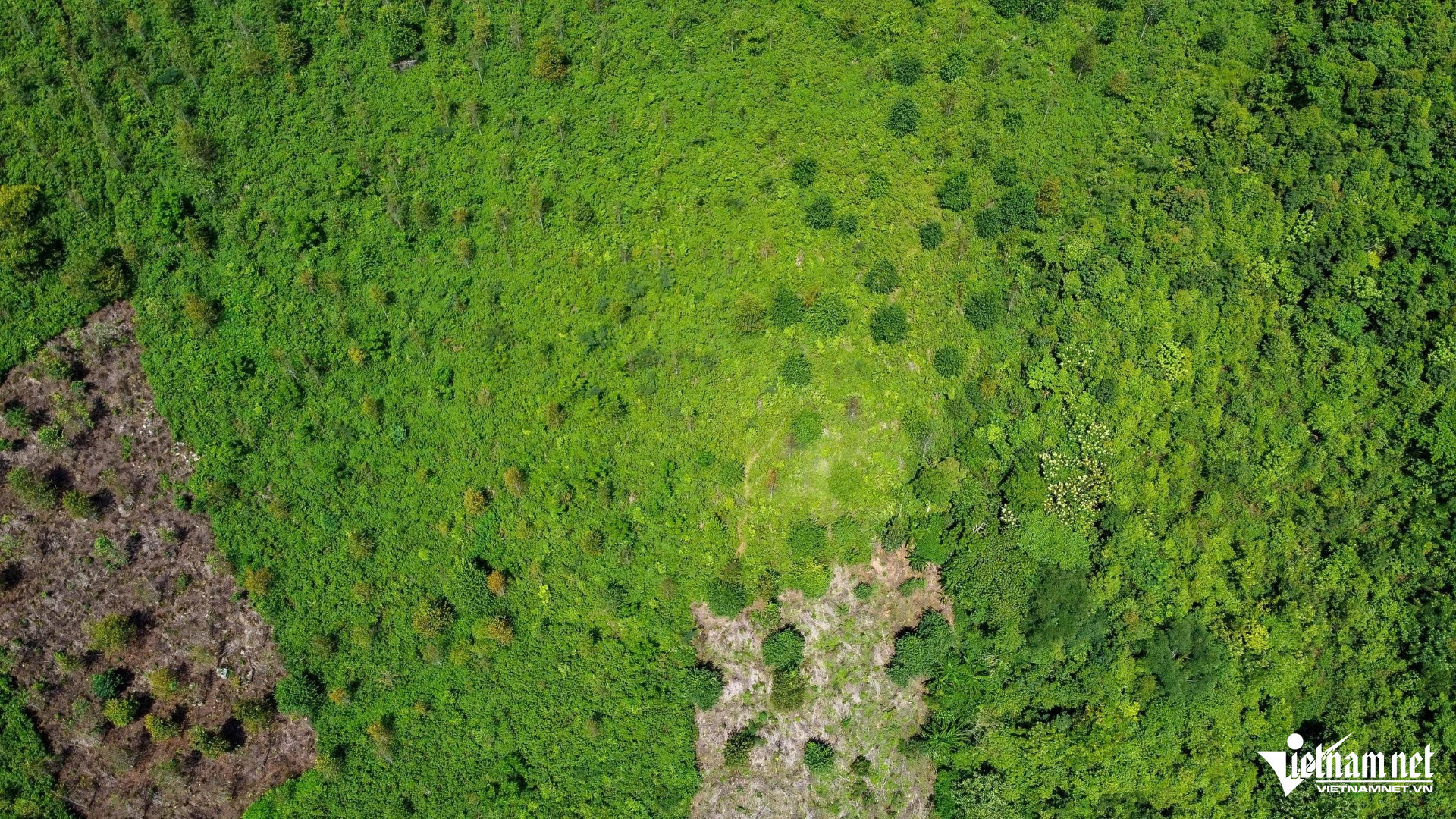
The road to the summit of Pu Ngua winds through steep mountain slopes, stretching deep toward the old forest. After nearly two hours on foot through regenerating woodland and along precarious mountain trails, we finally reached the summit.
At this altitude, sweeping patches of green run from the mountaintop halfway down its slopes. Among them, son tra trees - commonly known in Vietnam as tao meo - are now heavy with fruit, covering the steep hillsides.
Standing in his orchard, Thao No Gia, 62, from Pu Ngua Village in Pu Nhi Commune, Thanh Hoa Province, recalled that his family, like many other Hmong households in the area, once depended largely on upland farming.
Their fields were high in the mountains, with no irrigation. In years when the weather was favorable, harvests were good. When drought came, the family struggled to put enough food on the table.
According to Gia, the turning point came in 2019, when local authorities and officers from the Pu Nhi Border Guard Station encouraged residents to change their farming practices and choose crops better suited to the soil and climate of the highlands.
Seeing that son tra trees could withstand drought and grow on high mountain slopes, Gia and his family decided to give the crop a try.
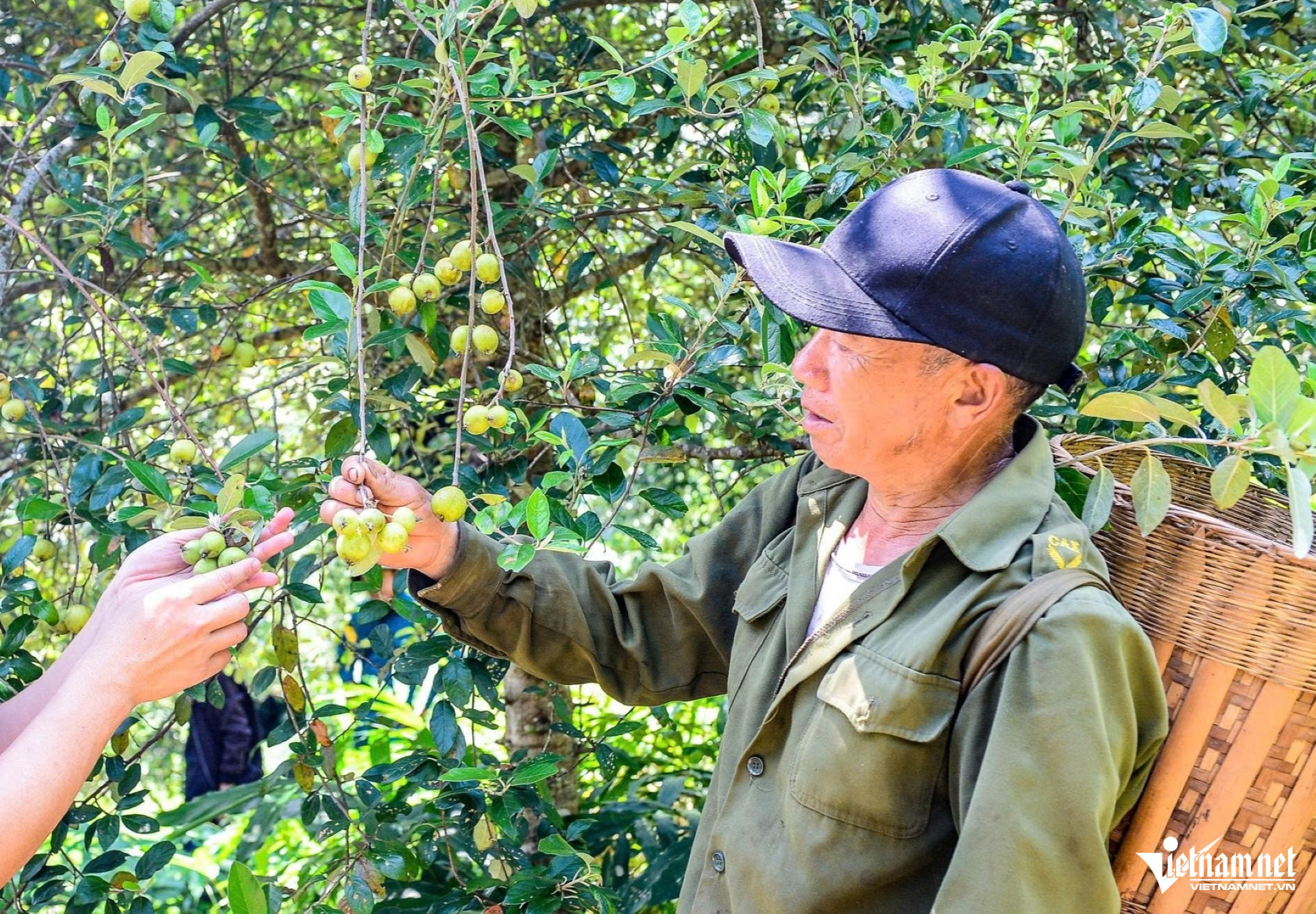
“At first, my family planted more than five hectares,” Gia said. “After some time, the trees grew well and adapted to the harsh natural conditions on top of Pu Ngua. Once I saw that it was working, I expanded the plantation. Today, my family has more than seven hectares of son tra.”
What began as an experimental crop has gradually become the family’s main livelihood, Gia said. Last year, during their first harvest, the family earned more than $19,000.
“We used to produce barely enough food for ourselves, and in some years we even ran short,” Gia said. “Thanks to son tra, for many years now my family has no longer had to worry about going hungry. Instead, we have been able to improve our lives and build some prosperity. The trees provide a stable harvest, bringing in thousands of dollars every year.”
Hopes for a sustainable path out of poverty
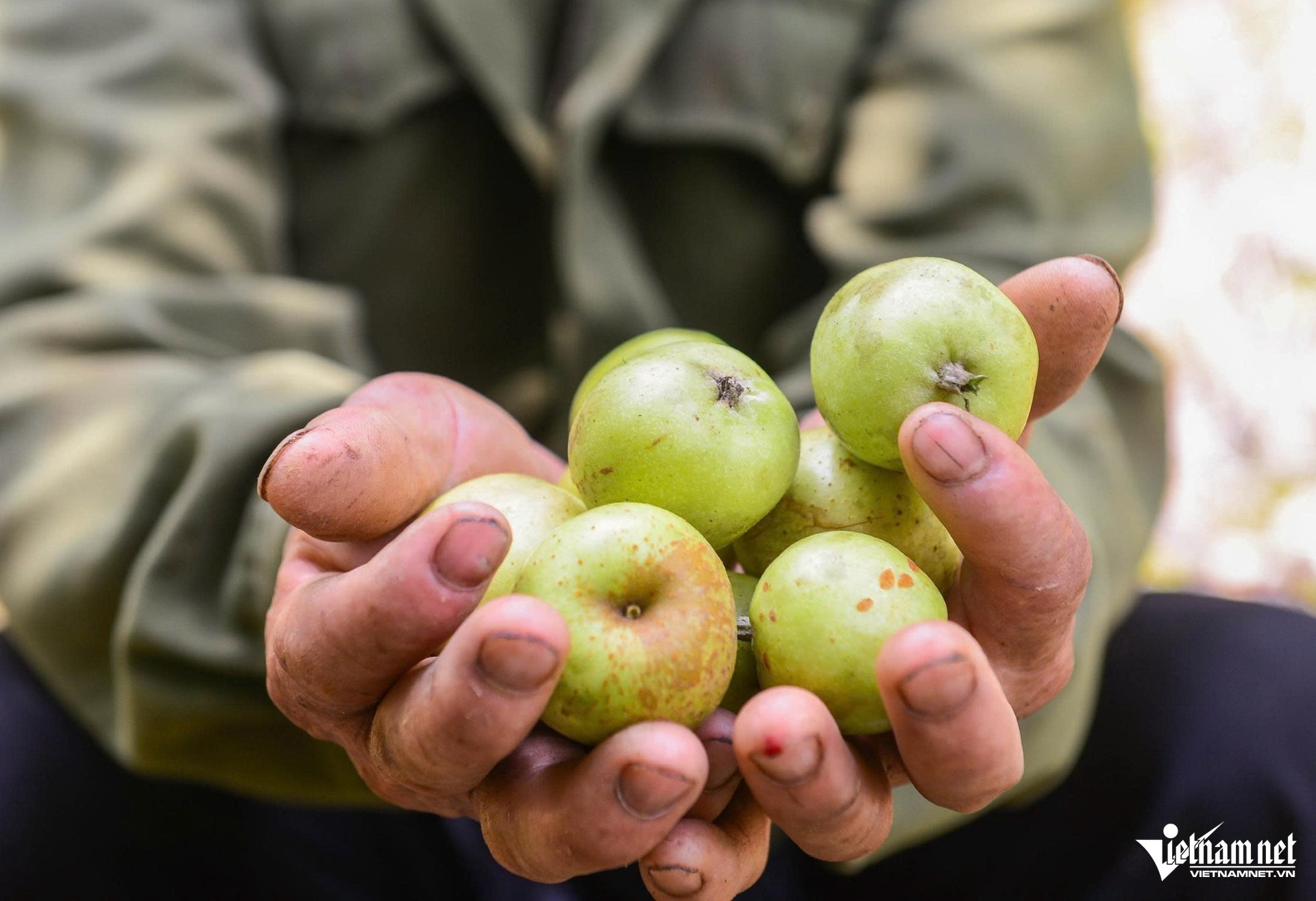
Doan Van Truong, secretary of the Pu Nhi Commune Party Committee, described Gia’s orchard as one of the more successful examples of livelihood transformation among local Hmong communities.
According to Truong, son tra is well suited to the climate and soil of the high mountains. The hardy trees require relatively little irrigation and offer higher economic value than many traditional crops.
“We are studying the development of son tra cultivation as a new livelihood model that could help Hmong communities improve their incomes and build better lives,” Truong said. “In the coming period, local authorities will continue encouraging residents to change their production methods and select suitable crops, including son tra, to develop the local economy.”
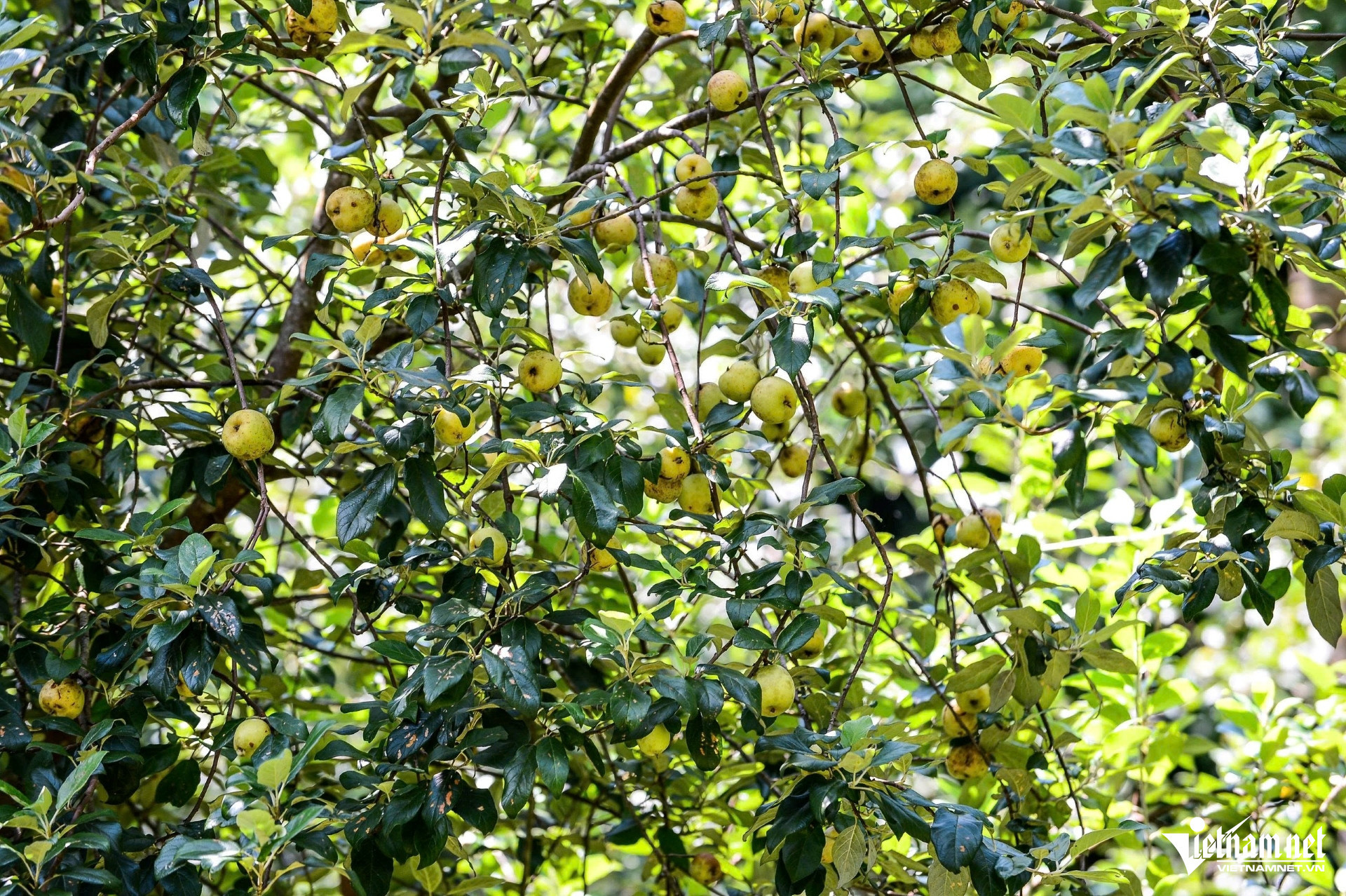
Following the early success of Gia’s family, son tra is now seen as a promising new direction for farming in the highlands of Pu Nhi.
Truong said that with properly planned growing areas, technical support, stable markets and gradual improvements to transport infrastructure, the fruit could develop into a commercial agricultural product and help raise local incomes.
Across Pu Ngua, the son tra orchards remain lush beneath the mountain clouds. After generations of growing corn and rice at the mercy of rain and weather, local people are gradually moving toward a new way of farming, hoping the humble mountain fruit can become a crop that lifts families out of poverty and provides a sustainable livelihood on their own borderland soil.
Le Duong
.svg)
