 Vietnamnet.vn

 Podcast


With no scripts or rehearsed lyrics, these exchanges help preserve harmony and strengthen village bonds.
"Oh... oh... oh... Azo achoong... Even when precious jars stand side by side, they never break..."
At a traditional friendship ceremony among Co Tu communities in Song Kon commune, Da Nang, village elder Alang Chuc, 85, from Ra Lang village, begins his song with an image of jars standing close together without breaking.
Through this simple metaphor, he expresses a wish for neighboring communities to live peacefully, remain united and avoid resentment.
As soon as his voice falls silent, another elder seated opposite him responds with a verse of his own.
This spontaneous exchange is part of noi ly, hat ly, a distinctive Co Tu tradition of reasoned dialogue and improvised singing passed down through generations.
The reasoning hidden within the songs
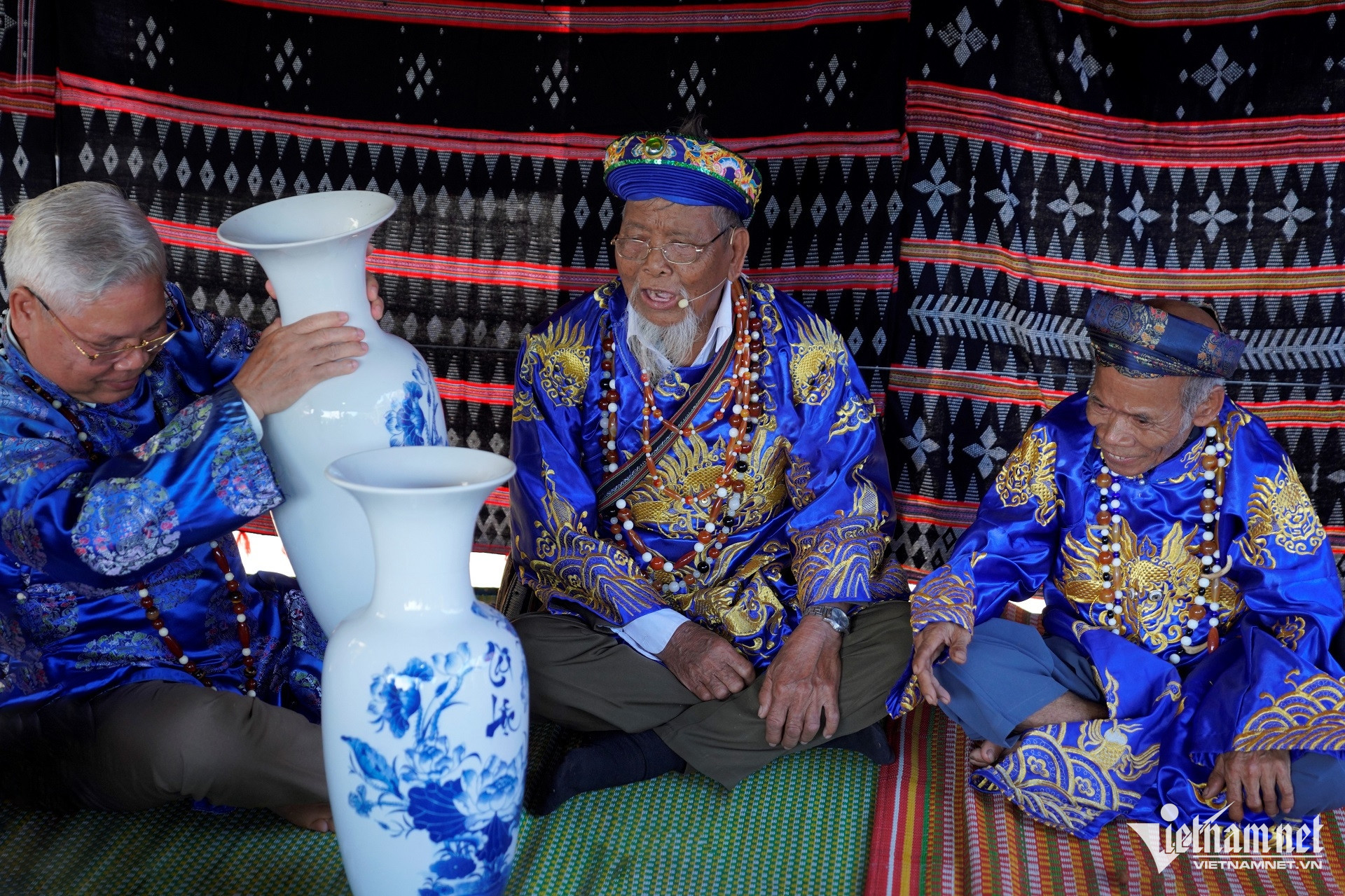
According to Chuc, the beauty of noi ly, hat ly lies in its metaphors and symbolic references to nature and everyday life.
A skilled performer must draw on extensive life experience, possess a deep understanding of local customs and choose words carefully to convey the intended message.
For example, comparing someone to the a-xep tree is a way of praising their resilience and determination.
The tree grows along rivers and streams in mountainous areas. Even when powerful floodwaters bend it to the ground, it can rise again and continue growing.
Similarly, speaking of a bird needing a nest may be an indirect way of expressing the desire to build a home.
When a young man tells his parents that he needs to cultivate fields to have rice to eat, he may actually be hinting that he wishes to marry.
"Listeners must understand the deeper meaning behind the words and then choose a response that is both reasonable and considerate," Chuc explained.

Hoih Nhiet, 62, a village elder from Ganil village in Hung Son commune, describes the tradition as a contest of intellect.
One participant presents an argument through a verse, and the other must quickly devise a response, drawing on personal experience, cultural knowledge and reasoning to persuade their counterpart.
When one side presents an argument so convincing that the other can no longer respond, the Co Tu call it het ly or chet ly, expressions indicating that the opposing side has run out of arguments.
Acknowledging the strength of another person's reasoning brings the exchange to a natural conclusion and allows both sides to move toward common ground.
"There are no fixed songs in noi ly, hat ly. Every situation calls for new words. A good performer must understand the customs and everyday lives of villagers. Only then will the words and songs truly resonate with listeners," Nhiet said.
Beyond resolving disagreements, the tradition also plays an important role in weddings, welcoming guests, friendship ceremonies and teaching younger generations about proper conduct.
Keeping an ancient tradition alive in modern life
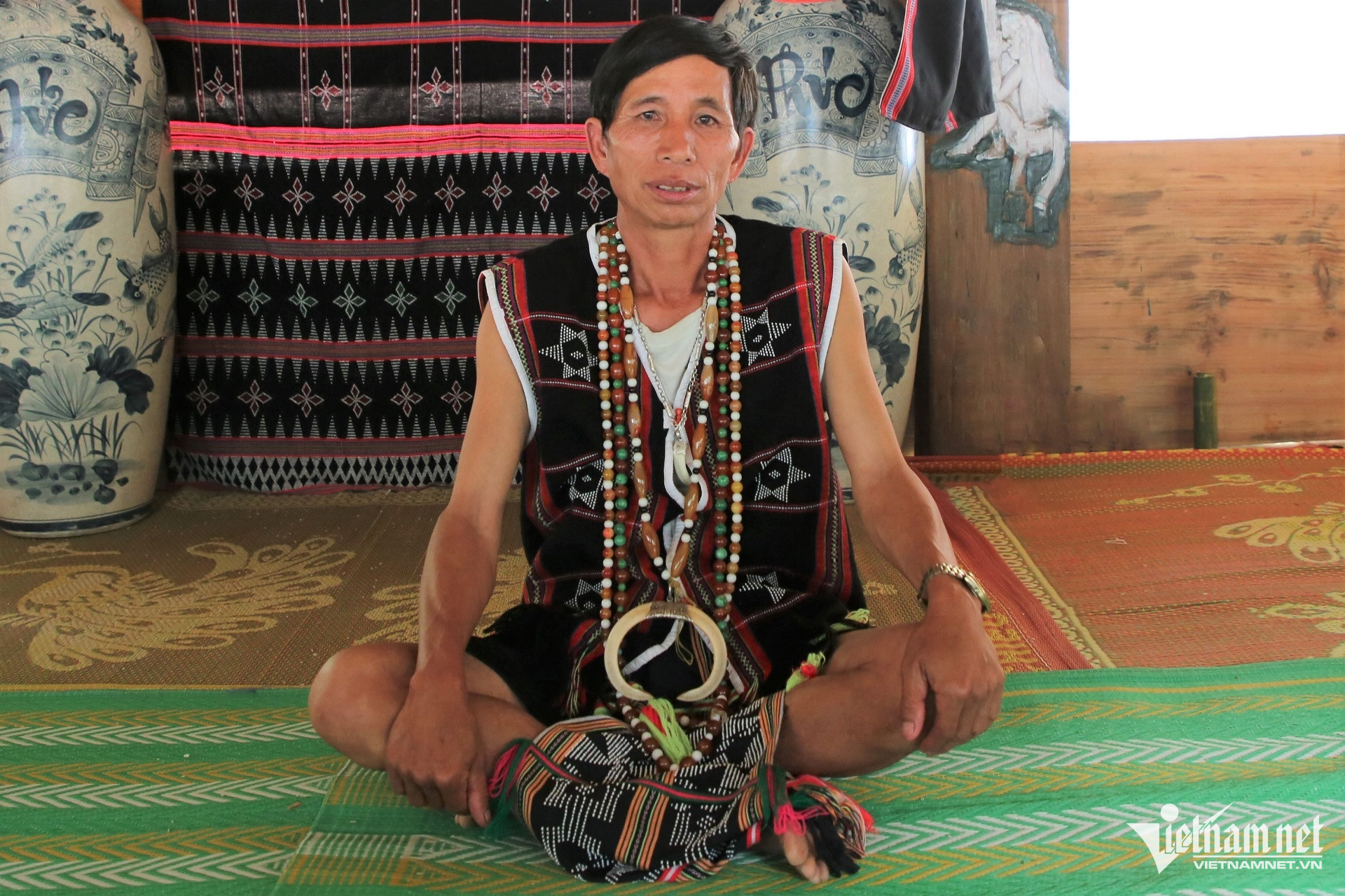
In 2015, the Co Tu tradition of noi ly, hat ly was recognized as a national intangible cultural heritage of Vietnam.
Despite this recognition, the practice faces the risk of fading away, as many of its most accomplished performers are elderly artisans and village elders.
To preserve the tradition, communities have established cultural clubs and organized training sessions to pass the skills on to younger generations.
At Quang Trung High School in Dong Giang commune, a Co Tu noi ly, hat ly club has operated for several years, attracting dozens of students each academic year.
Village elders and traditional performers introduce students to the distinctive art of metaphorical expression while teaching them how to improvise verses and respond to one another.
Clau Nhim, 79, an elder from Gung village in Dong Giang commune, regularly takes part in the club's activities, helping younger people connect with their cultural heritage.
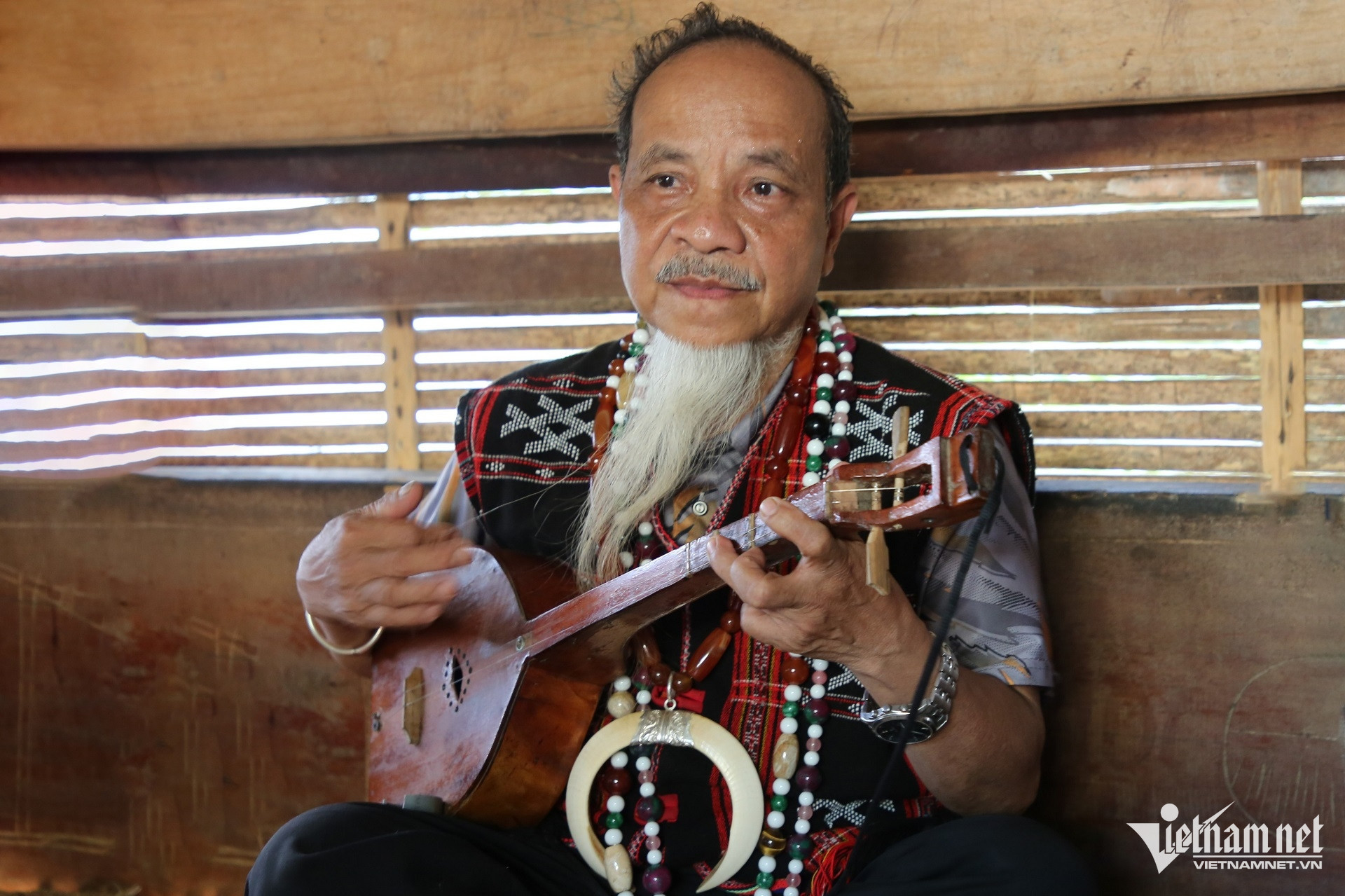
"We are very happy to see the children so enthusiastic about learning and gradually discovering the beauty and meaning of our traditional verses. We only hope the younger generation will continue preserving this cultural heritage so it is not lost," Nhim said.
Beyond schools, noi ly, hat ly clubs have also been established in several mountainous villages to teach local young people.
These include Ta Vac and Tongung Abung villages in Dong Giang commune and Bho Hoong village in Song Kon commune.
Local authorities have also incorporated the tradition into Co Tu cultural festivals, providing opportunities for village elders and artisans to meet, exchange experiences and perform.
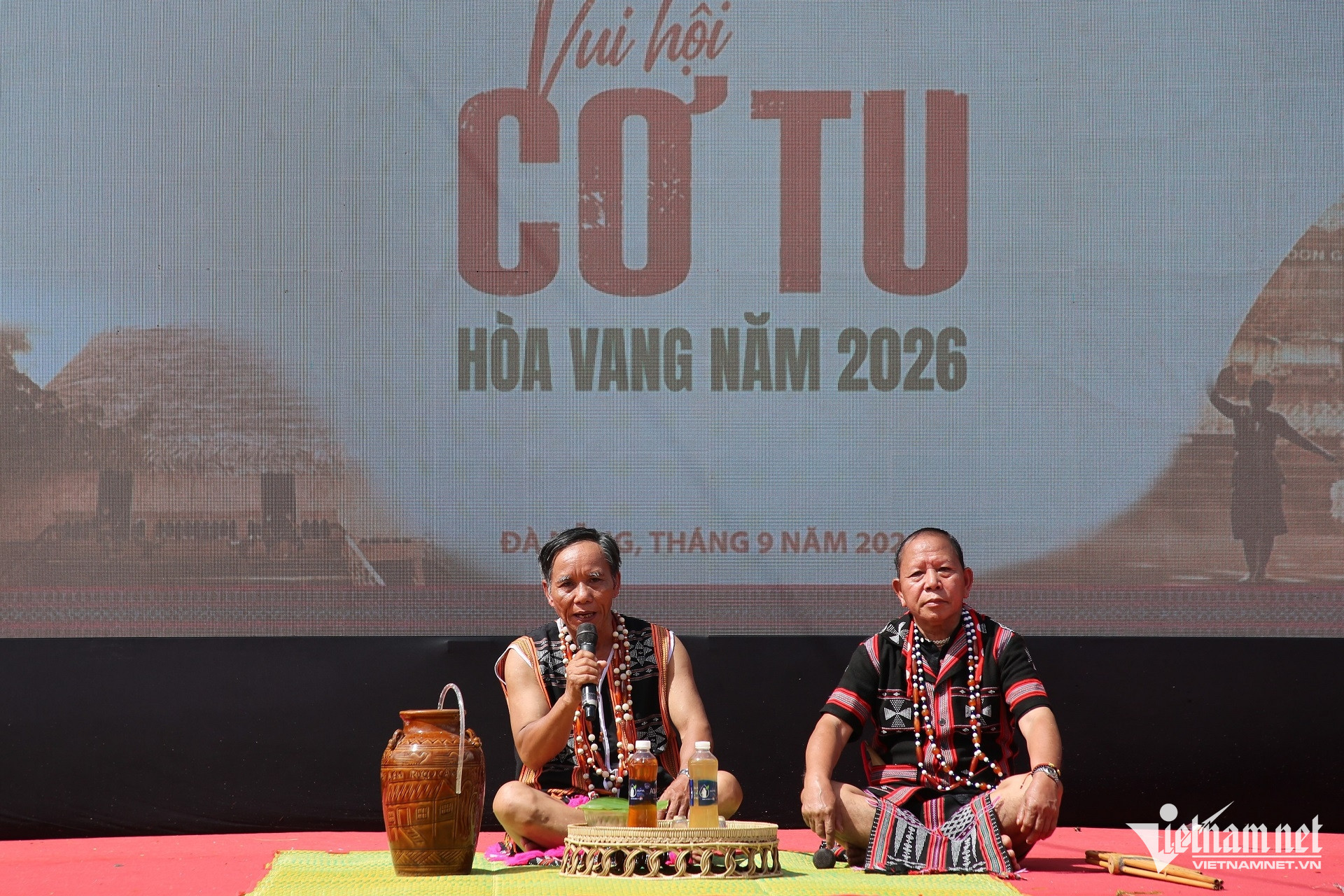
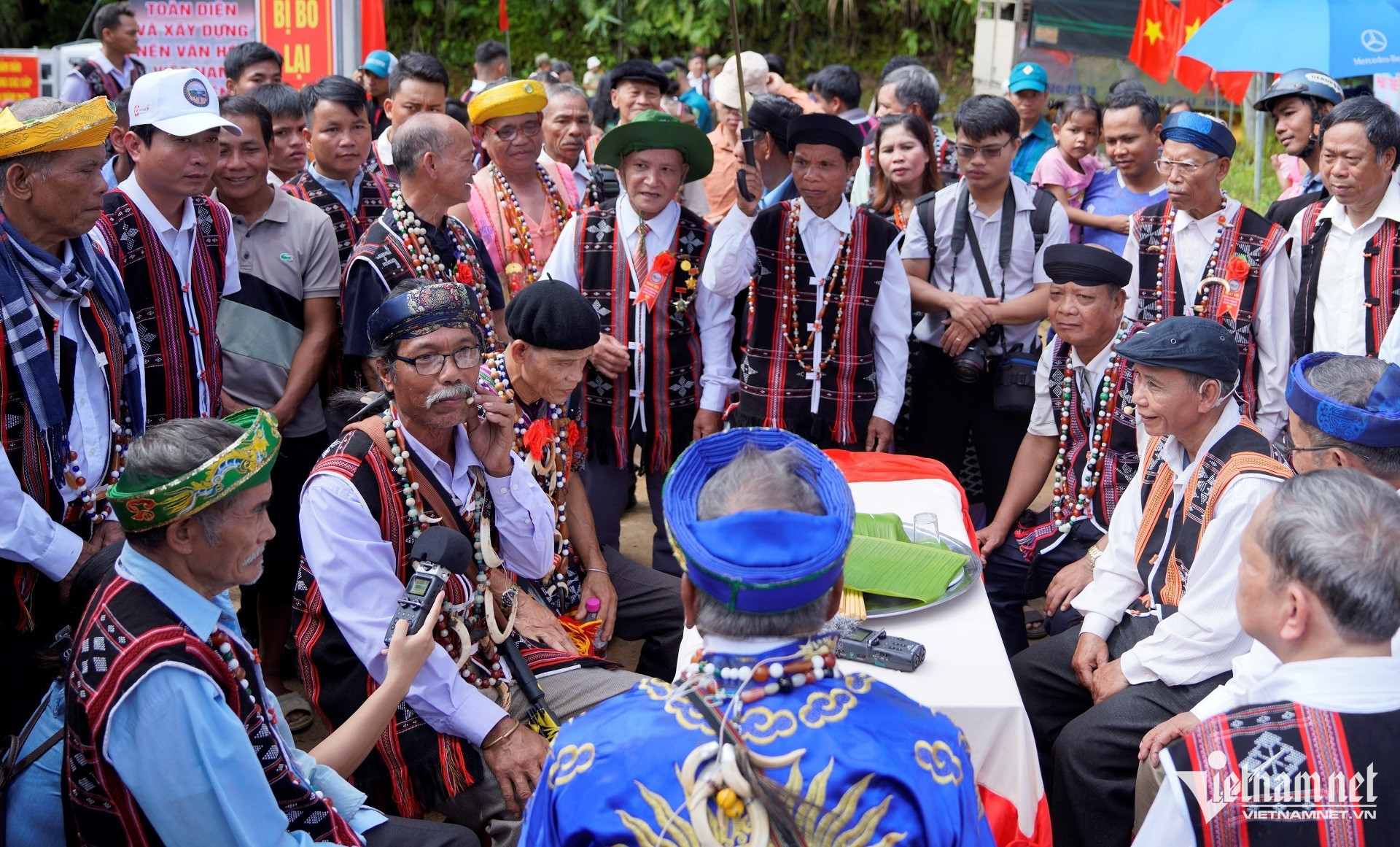
These events help preserve the heritage while introducing visitors and local residents to an important part of Co Tu cultural identity.
The tradition is also finding new applications in contemporary community life.
In February 2026, during an event organized by the Vietnam Fatherland Front Committee of Dong Giang commune, Nhim and three other village elders used noi ly, hat ly to promote the campaign encouraging Vietnamese consumers to prioritize domestically produced goods.
Through their traditional exchanges, the elders skillfully incorporated messages encouraging residents to choose Vietnamese products, particularly agricultural produce, goods recognized under the One Commune One Product (OCOP) program and other local specialties.
Their performance attracted a large audience, with villagers watching enthusiastically and cheering the participants.
From cultural festivals and classroom lessons to everyday village gatherings, noi ly, hat ly continues to be practiced, taught and adapted by the Co Tu people.
These verbal contests are not necessarily about determining a winner or loser.
More importantly, they offer a way for people to understand one another, find common ground, respect sound reasoning and preserve the bonds that hold their communities together.
Ha Nam

