 Vietnamnet.vn

 Podcast



In Vietnam's mountainous regions, new livelihoods do not necessarily have to begin with something entirely new. Sometimes, they can grow from what communities already possess: a piece of land, a forest, a native crop, a traditional dish or knowledge passed down through generations.
The key lies in rediscovering and restoring the value of these resources, from farmland and forests to indigenous crops, traditional knowledge and the cultural identities of local communities.
By doing so, ethnic Thai, Hmong and Muong people can move beyond poverty to take control of ecological and organic farming ventures on their ancestral land, creating new opportunities without losing their cultural roots.
This story is part of VietNamNet's series exploring indigenous knowledge and sustainable livelihoods in the highlands of Son La, a mountainous province in northwestern Vietnam.
Leaving an $850 salary to embrace farming in harmony with nature
Nestled on the Moc Chau Plateau in Son La Province, Thuan Thien Farm, located in Chieng Di residential quarter, Van Son Ward, is filled with the fragrant aroma of fresh herbs.
At the heart of this ecological and organic farming venture is Vi Thi Thu Ha, a determined woman from Vietnam's ethnic Thai community.
Born into a farming family, Ha studied finance and accounting at university before becoming chief accountant at an agricultural company, earning a stable monthly salary of approximately $850.
Yet her years working in commercial agriculture gradually brought her into a profound personal conflict.
Every day, she witnessed hundreds of containers of toxic herbicides being emptied onto hillsides and into water sources. She found herself increasingly troubled by farming practices that prioritized short-term productivity at the expense of the environment.
The pressure of her job and her growing concerns eventually took a toll on her health. She developed a severe vestibular disorder, while her eyesight deteriorated significantly.
In 2018, Ha decided to resign.
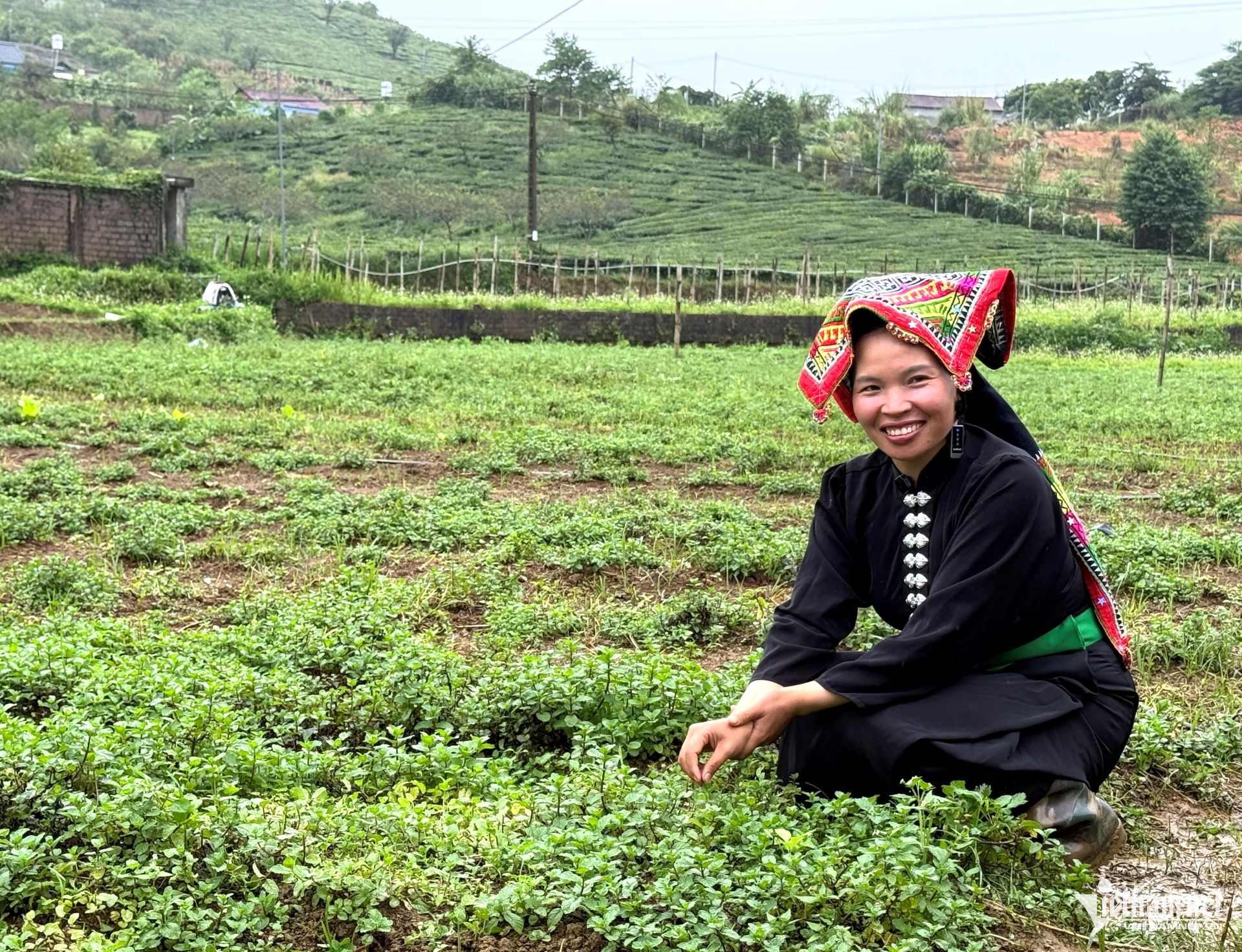
Together with her husband, Phan Quoc Chuong, she pooled their savings and returned to the Moc Chau Plateau to acquire farmland and establish their own agricultural venture.
Starting with a small plot, the couple gradually expanded their holdings through years of persistent effort. Today, the farm covers more than one hectare.
Ha came to believe that soil, like people, has limits to what it can endure.
She eliminated chemical fertilizers and harmful pesticides, committing instead to a system of crop rotation that allows the land time to recover.
After each intensive growing cycle, individual plots are left to rest, giving natural soil microorganisms an opportunity to regenerate and earthworms a chance to thrive.
Her approach also draws heavily on knowledge inherited from previous generations.
She follows the traditional principle of growing crops in their natural seasons, paying attention to changing weather patterns and working with nature rather than against it.
Reflecting on the turning point in her life, Ha became emotional.
"Many people said I was crazy to give up a chief accountant's job paying $850 a month just to work in muddy fields," she recalled.
"But after seeing thousands of liters of herbicide being poured onto the land and into water sources every year, I couldn't feel at peace. Land is like a human being. There is only so much it can endure. I chose to learn how to bow before nature, to listen to the signals of the earth and sky that our Thai ancestors accumulated over hundreds of years. Whatever we take from the soil, we must give something back. We cannot simply exhaust it for short-term gain."
Creating sustainable livelihoods for ethnic minority women near the border
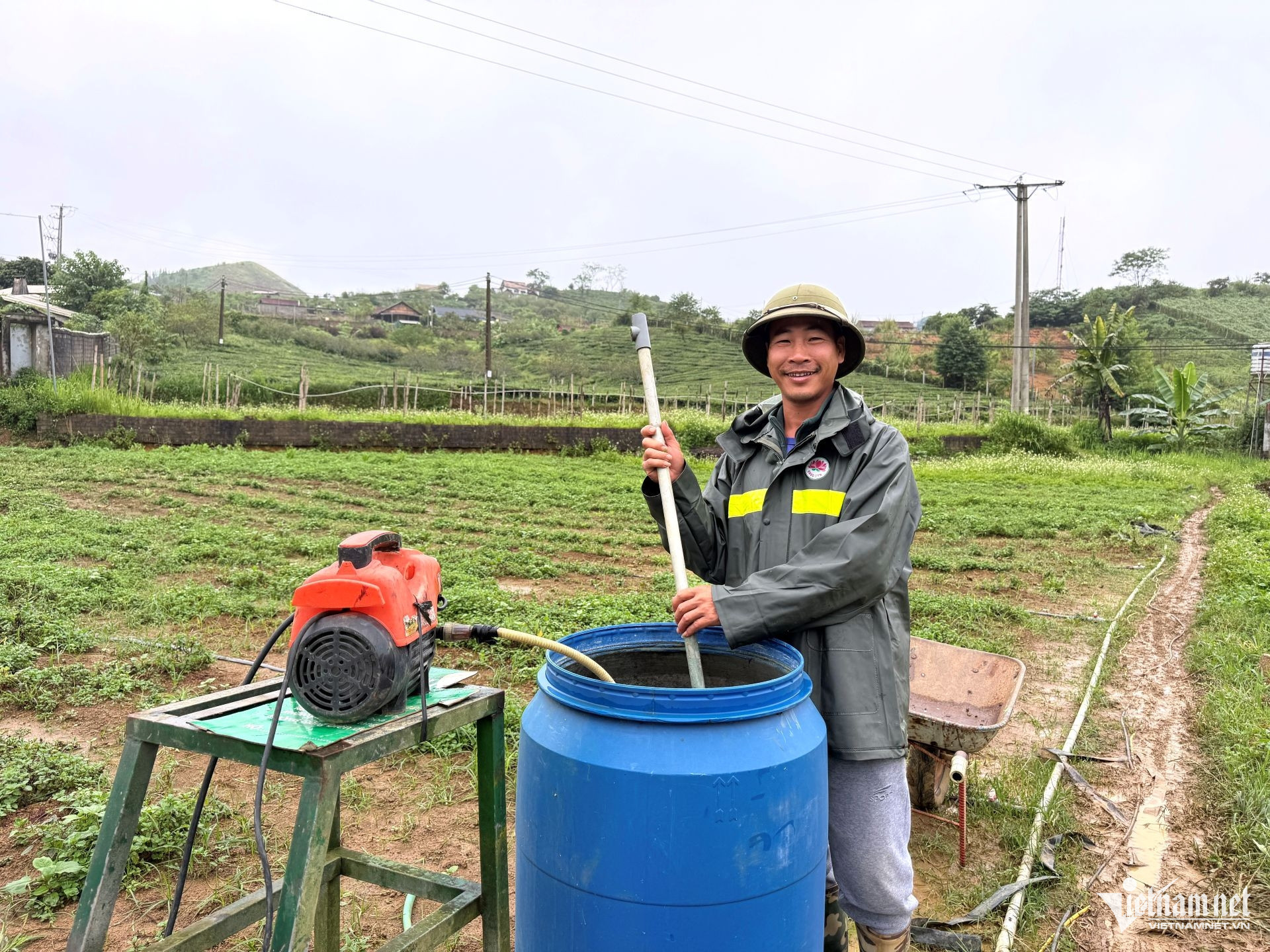
Ha's ambitions have never been limited to building a green farm for her family.
She has also remained deeply concerned about the livelihoods of disadvantaged ethnic minority communities living in areas near Vietnam's border.
Today, ethnic minority workers account for more than 80% of the regular and affiliated workforce at Thuan Thien Farm.
Through patience and personal guidance, Ha has taught local residents each step of the organic farming process.
As workers come to understand the value of responsible agriculture and commit to its principles, they also develop stronger workplace discipline.
They adhere to working hours, avoid harmful chemicals and take greater initiative in their daily responsibilities.
For many women, the opportunity has brought meaningful changes to their families.
Vang Thi Xa, a Hmong woman born in 1990 from Can Ty village, has worked at Thuan Thien Farm for four years.
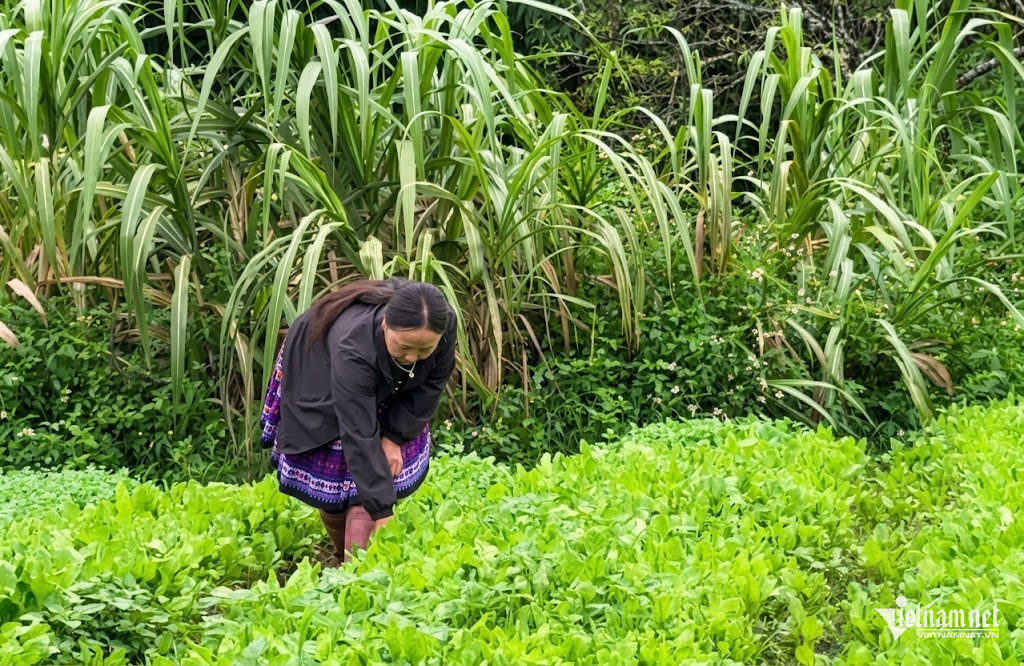
She recalled how limited employment opportunities once forced women in her community to consider leaving their children behind to find factory jobs in distant provinces.
"In the past, there were no jobs in Can Ty village. We women thought we would have to leave our young children at home and travel all the way to Bac Ninh to work in factories," she said.
"Since I started working for Ha at Thuan Thien Farm, I've earned a steady income of about $7.70 a day. Pulling weeds and harvesting herbs isn't too physically demanding. I can still return home every day to cook and care for my two young children. I no longer have to travel far away for work."
For Ha, however, paying wages is only the beginning.
Her longer-term goal is to help ethnic minority women gradually absorb the principles and techniques of ecological and organic agriculture through hands-on experience.
She hopes they will eventually gain enough knowledge and confidence to establish and manage farming operations on their own family land.
Thuan Thien Farm is among the cooperatives receiving support from the Agroecology Learning Alliance in Southeast Asia (ALiSEA).
The network is coordinated by GRET, a French international non-governmental organization, with activities in Vietnam implemented by the Vietnam Association for Rural Development Science.
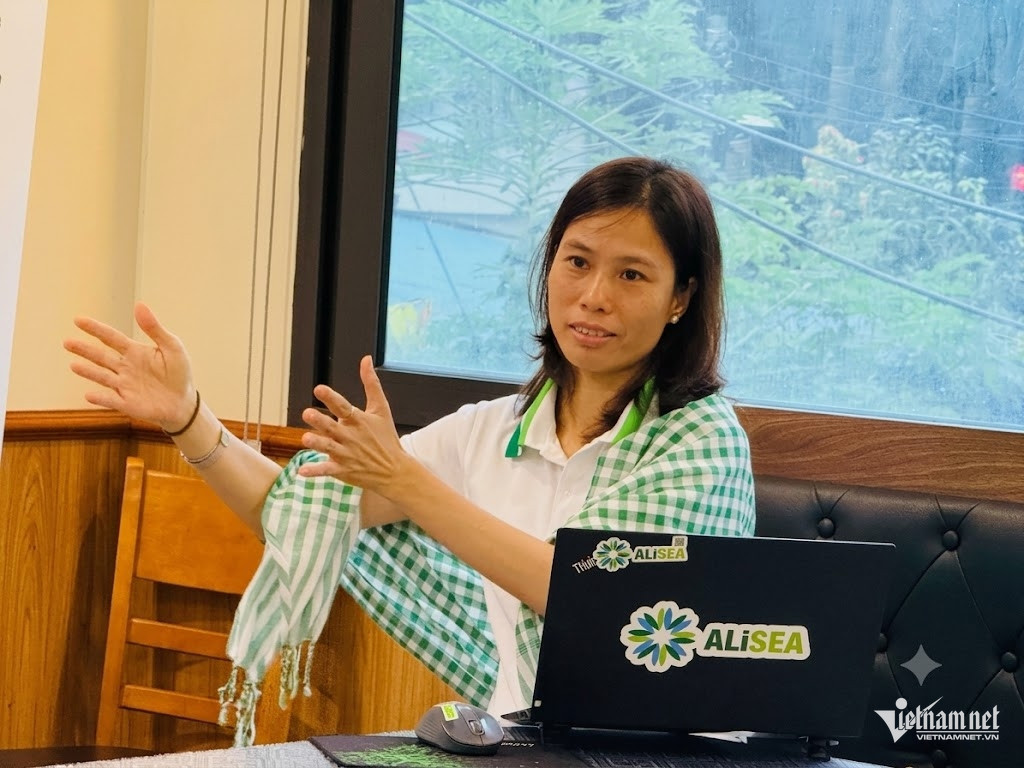
Having observed and supported numerous livelihood development initiatives across Vietnam, Nguyen Thi Trang, ALiSEA's national secretary in Vietnam, sees Thuan Thien Farm as an example of how ecological agriculture can deliver both environmental and social benefits.
"According to the Food and Agriculture Organization of the United Nations (FAO), agroecology is not merely a set of farming techniques," Trang explained.
"It is a comprehensive approach that optimizes interactions between plants, people and the environment, working toward equitable and sustainable food systems. Thuan Thien Farm in Moc Chau is a vivid example. It restores soil ecosystems while promoting social equity, empowering ethnic minority women in remote areas and giving them greater control over their own livelihoods."
From mountain farms to Hanoi schools: Farmers take control of the market
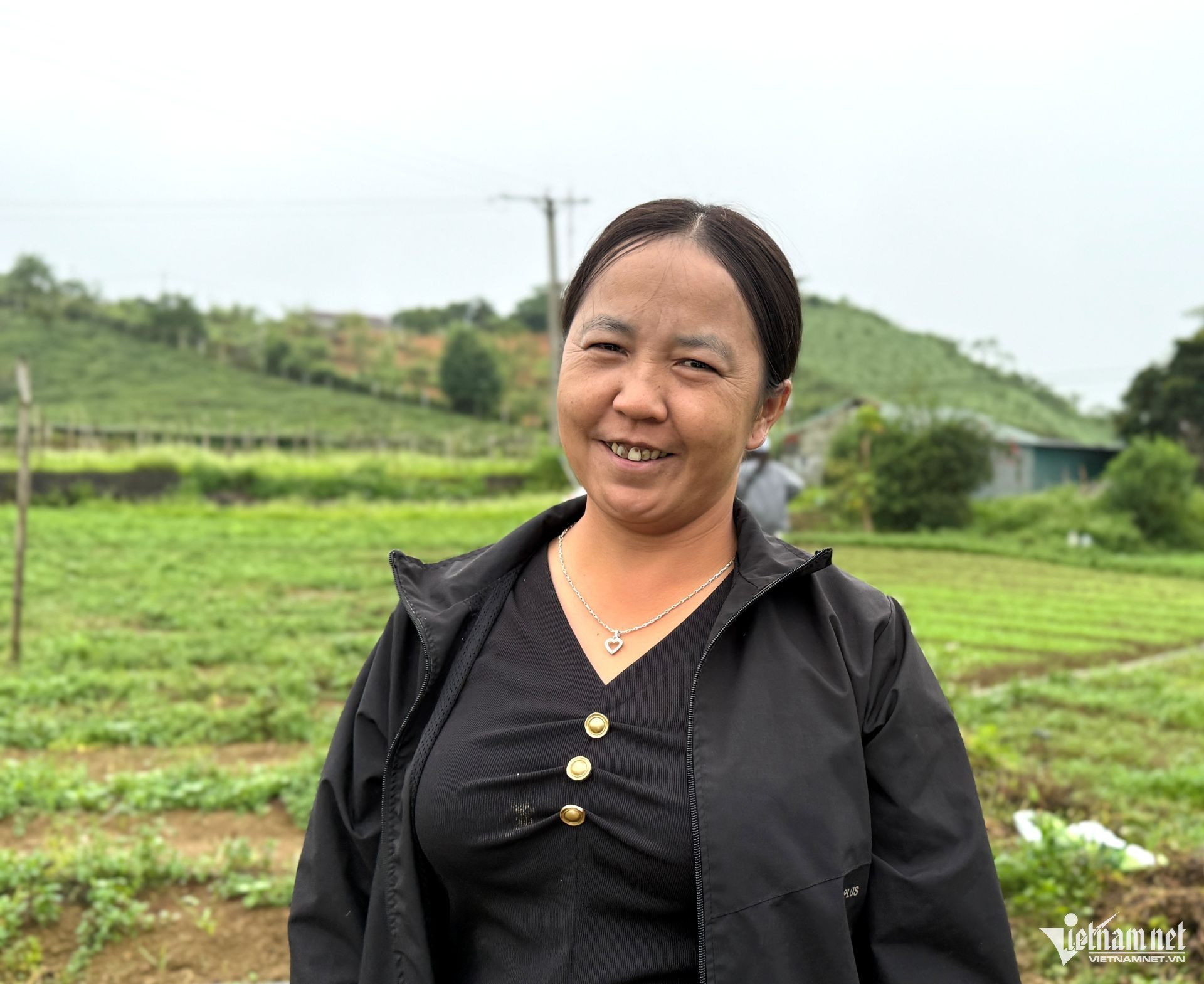
What distinguishes Thuan Thien Farm from many other agricultural cooperatives is Ha's sharp understanding of market demand.
Rather than following the crowd by growing common vegetables such as cabbage or chayote, which can leave farmers facing price collapses after bumper harvests, she chose a more specialized market.
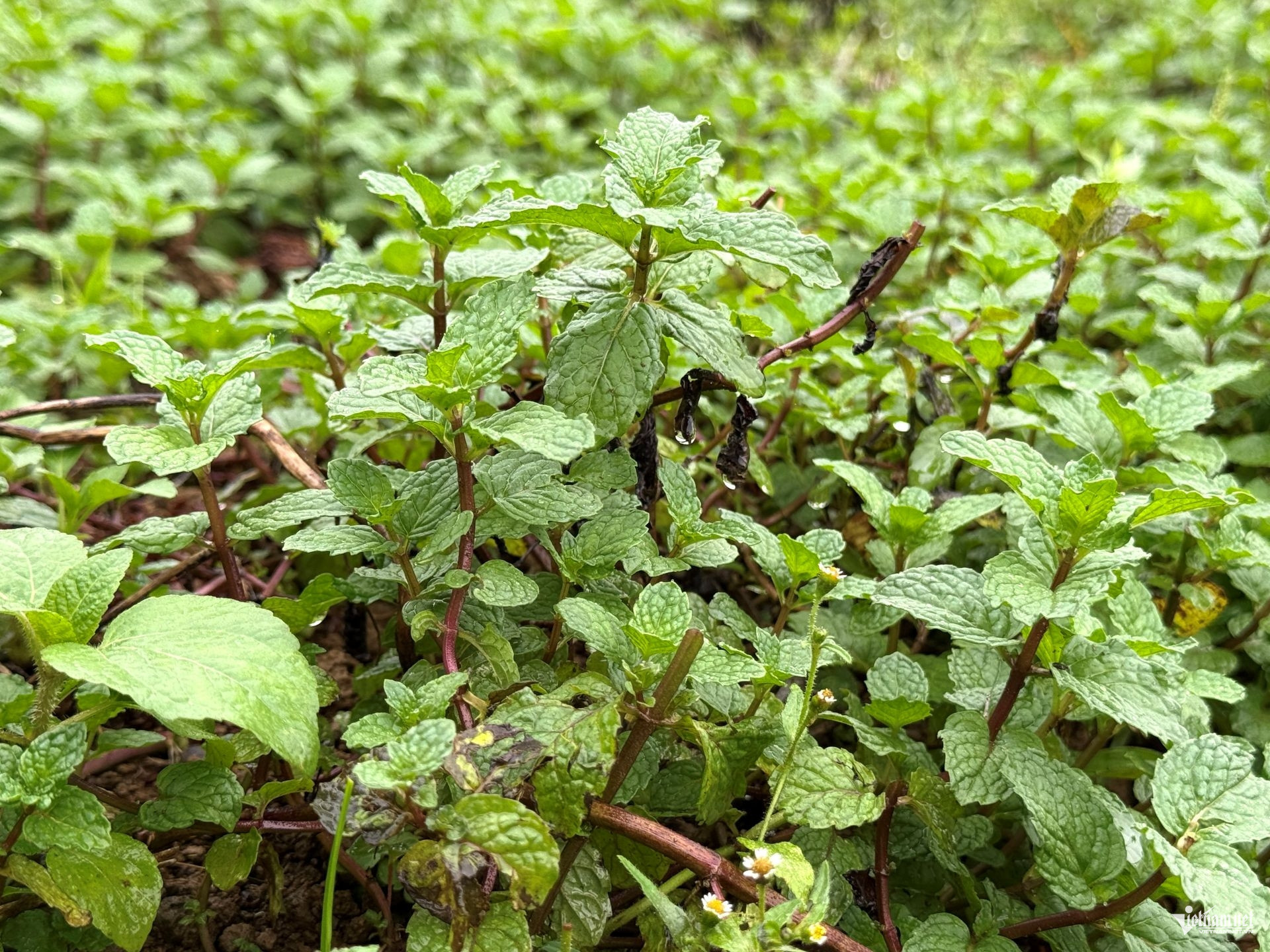
Her farm focuses on high-value native herbs, including basil, perilla, Vietnamese balm and coriander, alongside vegetables cultivated in their natural growing seasons.
The strategy has helped the cooperative avoid some of the difficulties associated with conventional vegetable farming.
In 2023, after two years of rigorous testing involving soil, water and agricultural products, Thuan Thien Farm officially received national organic certification.
The certification became a valuable passport to more demanding markets.
Armed with this recognition, Ha proactively approached potential customers and secured contracts to supply vegetables to more than 110 school kitchens in Hanoi, as well as several major supermarket chains.
The cooperative now generates annual revenue of approximately $232,000.
From a scientific perspective, agronomist Pham Thi Thu Huong of the Field Crops Research Institute believes the model makes effective use of Moc Chau's distinctive natural conditions.
"Moc Chau enjoys a cool climate throughout the year, with summer temperatures sometimes as much as 5 degrees Celsius lower than those in the lowlands," she explained.
"Thuan Thien Farm has adopted a very smart approach by taking advantage of these ecological characteristics to cultivate specialized vegetables and herbs. Ha's commitment to crop rotation and soil regeneration, which has helped achieve an average earthworm density of 15 per square meter, provides one of the clearest scientific indicators of healthy soil and genuine ecological farming."
Ha's knowledge of production processes and customer requirements has also given her greater control over commercial negotiations.
Instead of relying on traders to determine prices, she negotiates fixed prices with buyers for the entire year.
Adjustments are made only when market prices fluctuate by more than 30%.
Twice a year, she personally travels to Hanoi to meet customers, listen to their feedback and adjust planting schedules to better match demand.
For Ha, this direct relationship with buyers is essential to creating a sustainable market for farmers.
"When we master farming techniques, grow the right crops in the right seasons and have transparent organic certification, farmers can absolutely take control of their own business instead of being pressured into accepting low prices from traders," she said.
"The fact that more than 110 school kitchens in Hanoi trust and choose vegetables from Thuan Thien Farm is our greatest source of pride. Children in the capital can enjoy the cleanest vegetables we can grow, while farmers in Moc Chau have a stable market for their produce throughout the year."
The success of Thuan Thien Farm demonstrates how adding value to agricultural products can help farmers in Vietnam's mountainous regions build lasting prosperity.
Ha's decision years ago to walk away from a stable accounting salary has done more than transform her family's circumstances.
It has also planted the seeds of a more responsible form of ecological agriculture, showing how indigenous knowledge can remain relevant and powerful in the highlands of Son La.
Son La looks to expand sustainable food systems
Ecological and organic farming initiatives such as Agritage Van Ho, A Cao Agricultural Cooperative and Thuan Thien Farm are emerging as promising examples of Son La's efforts to develop a more transparent, responsible and sustainable food system.
These initiatives support the province's plan to transform its food system by 2030, outlined in Plan No. 161, issued by the Son La Provincial People's Committee in July 2025.
According to recent figures provided by Pham Thi Lan from Son La's Subdepartment of Crop Production and Environmental Protection, approximately 38,213 hectares of farmland are currently cultivated under good agricultural practices or equivalent standards.
This represents 11.9% of the province's total cultivated area, compared with its target of 30% by 2030.
Total fertilizer consumption in 2025 was estimated at approximately 296,813.15 tonnes, of which organic fertilizers accounted for 206,580 tonnes, or 69.5%.
Son La aims to transform every stage of its food system, from production and processing to distribution and consumption, in ways that are transparent, responsible and sustainable.
The transition is intended to build on the province's natural advantages while remaining consistent with its socio-economic conditions.
Its wider objectives include ensuring food and nutritional security, improving household incomes and living standards, preventing and responding to natural disasters and disease outbreaks, protecting the environment and strengthening resilience to climate change.
Lan also highlighted several areas where the province will need continued support from development partners.
One priority is preventing the degradation of natural resources, including soil, water and landscapes.
This will require ecosystem restoration, sustainable land use, integrated plant health management, integrated water resource management and the protection of ecological and agricultural landscapes.
Another priority is developing high-tech agricultural models alongside efforts to conserve biodiversity in agriculture and forestry, as well as natural and agricultural landscapes.
For Son La, the experience of farmers like Ha offers a glimpse of what this transition can look like in practice: an agricultural economy that protects its natural foundations while giving mountain communities greater control over their livelihoods and future.
Binh Minh
.svg)
