 Vietnamnet.vn

 Podcast



Pursuing clean agricultural production in a border area, Lo Van Son, a member of the Thai ethnic group in Ea Bung commune, Dak Lak province, has successfully developed a 10-ha chili-growing area for export, generating billions of dong in revenue each year.
From 1 ha to an export production zone
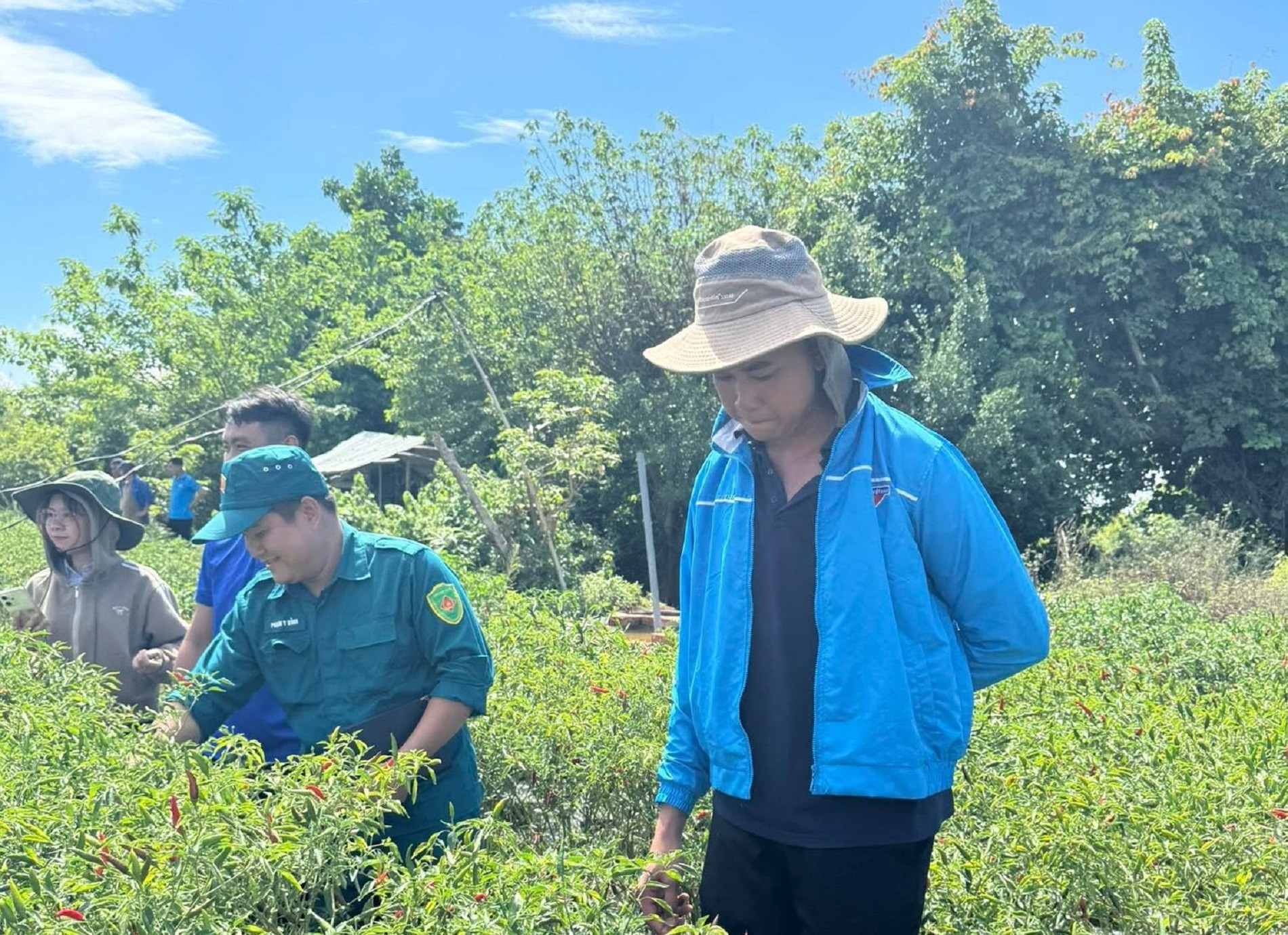
Every morning, Son walks along rows of chili plants, carefully checking their growth and instructing workers to follow the proper technical procedures.
For him, each crop is not only about yield, but also about quality, safety and the ability to meet export market requirements.
Before 2020, his family grew chilies on only a small area of land, selling mainly to traders in the region.
While studying the market, Son noticed growing demand for clean chilies used in processing and export.
However, to sell the product abroad, growers had to meet strict standards on pesticide residues and cultivation practices.
Starting with his family's 1 ha of chili farmland, Son decided to shift toward clean agricultural production.
In the early days, without systematic reference materials or anyone to guide him directly, he taught himself through books, newspapers and the internet, and joined groups involved in chili production for export.
He was also willing to travel hundreds of kilometers to specialized farming areas to learn from other growers and gain experience.
"If you want to make it work, you have to learn. There were seasons when we failed, when the plants were hit by pests or yields did not meet expectations, but I did not give up. I learned from the experience and started again," Son said.
Season by season, both yields and chili quality improved, while output gradually became more stable.
Encouraged by those initial results, Son continued expanding the cultivation area.
In 2024, through support from the Ea Bung Commune Youth Union, Son gained access to a VND50 million startup loan.
Although the amount was modest, it gave him added momentum to invest and expand production.
His family's chili-growing area has now reached about 10 ha.
Building a value chain so farmers can benefit together
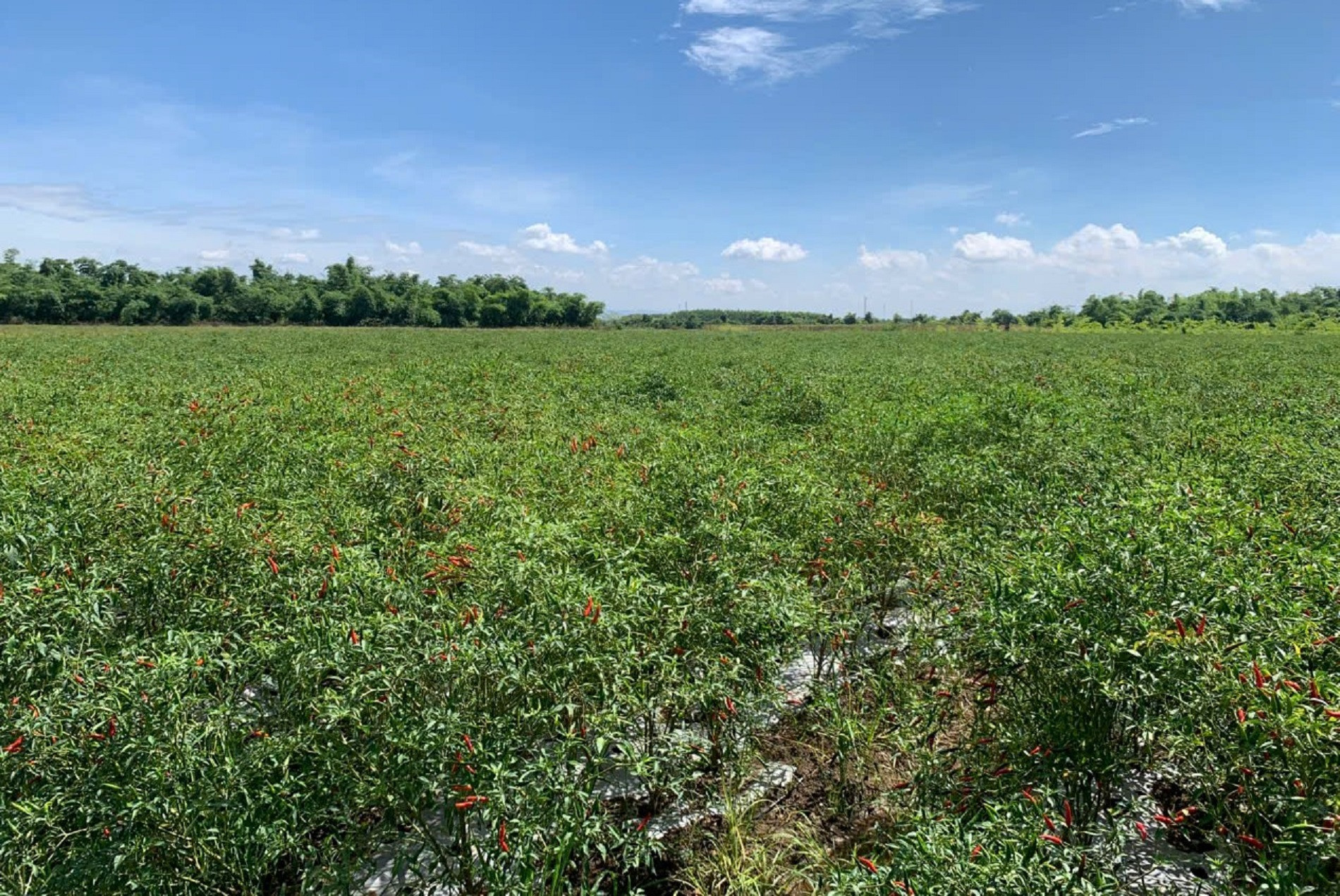
The climate and soil conditions in Ea Bung commune are considered suitable for chili cultivation.
When proper technical procedures are followed, the plants suffer relatively little from pests and diseases, while yields can reach 18-25 tons per ha per crop.
After all production costs are deducted, each hectare of chilies can generate a profit of around VND150-200 million per crop.
With its current cultivated area, Son's operation generates billions of dong in annual revenue.
In addition to providing a stable income for his family, the clean chili-growing area creates regular jobs for about 30 local workers, with average monthly income of around VND8.5 million per person.
Lang Thi Hang, Secretary of the Ea Bung Commune Youth Union, said Lo Van Son is one of the locality's outstanding examples of young entrepreneurs.
His clean chili farming model has proved clearly effective in the border area while creating jobs for dozens of young local people.
In May 2025, Son established the Ea Sup Green Agricultural Cooperative and became its director.
The cooperative is expected to serve as a focal point connecting small farming households, gradually forming a concentrated production zone that can supply products of consistent quality to processing and export companies.
According to Son, when farmers follow a unified production process, signing contracts with businesses becomes easier, market outlets become more stable and the value of agricultural products also increases.
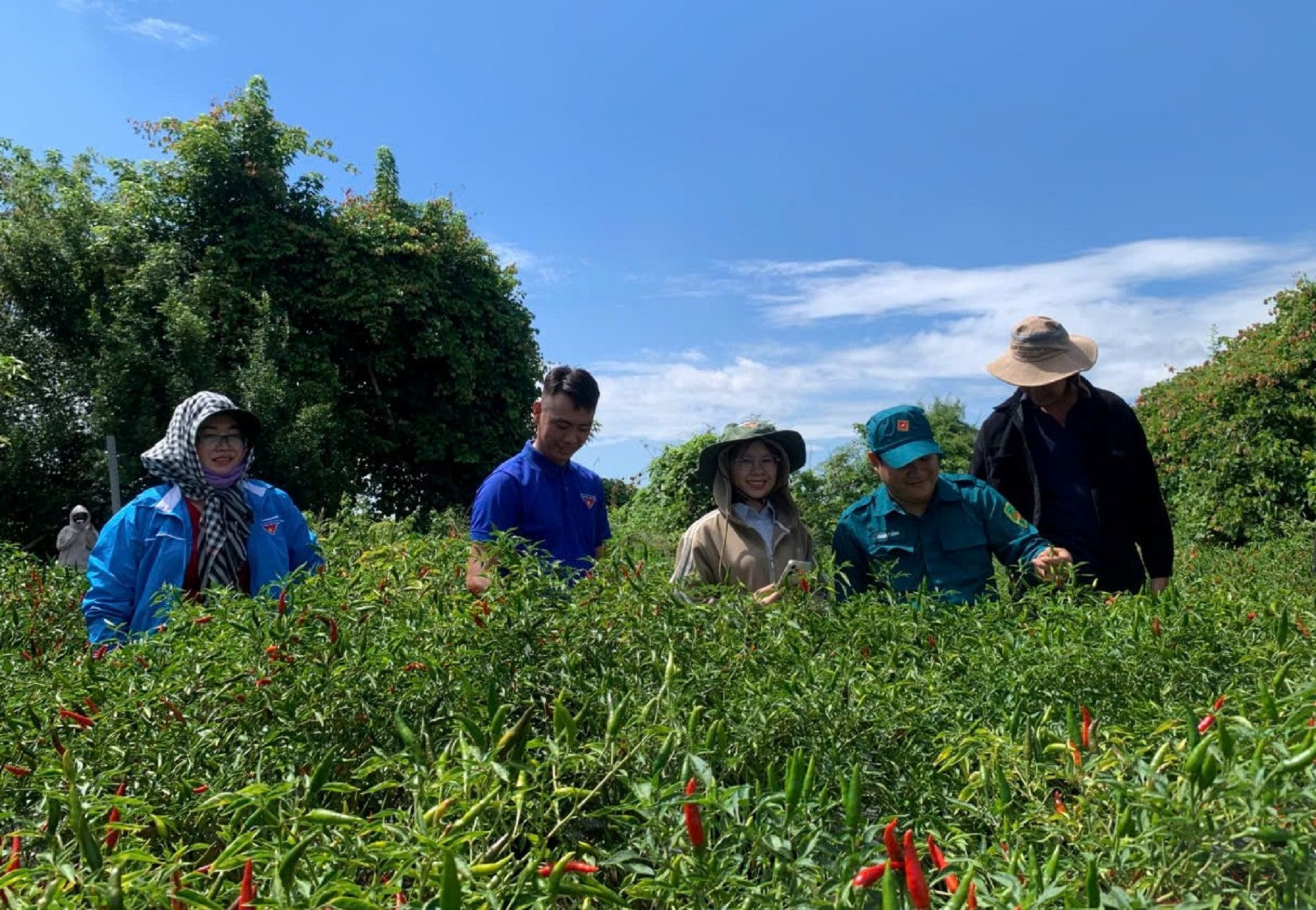
Son's model has now become a practical learning site for many Youth Union members and association members in Ea Bung commune.
Recently, the Commune Youth Union and Women's Union organized a visit for large numbers of members to tour his chili fields and exchange production experience.
Son is always willing to share his experience, transfer farming techniques and support young people interested in starting their own businesses.
From selecting varieties and raising seedlings to plant care, harvesting and quality control under export standards, he provides detailed guidance at every stage.
Lo Van Son's story reflects the spirit of young people who dare to think, act and change, particularly ethnic minority youth seeking to develop the economy and build prosperity on their own homeland.
Le Huong
.svg)
