 Vietnamnet.vn

 Podcast



What started as a family project to restore an aging stilt house has grown into one of northern Vietnam's most successful community tourism models, attracting thousands of visitors each year while helping preserve the traditions of the Thai ethnic community.
Nestled in Chieng Ngay Village, surrounded by terraced rice fields, forested hills and the gentle Dang Stream, the homestay created by Pham Van La, a retired member of the Thai ethnic group, has become a model for sustainable rural tourism.
Preserving tradition through tourism
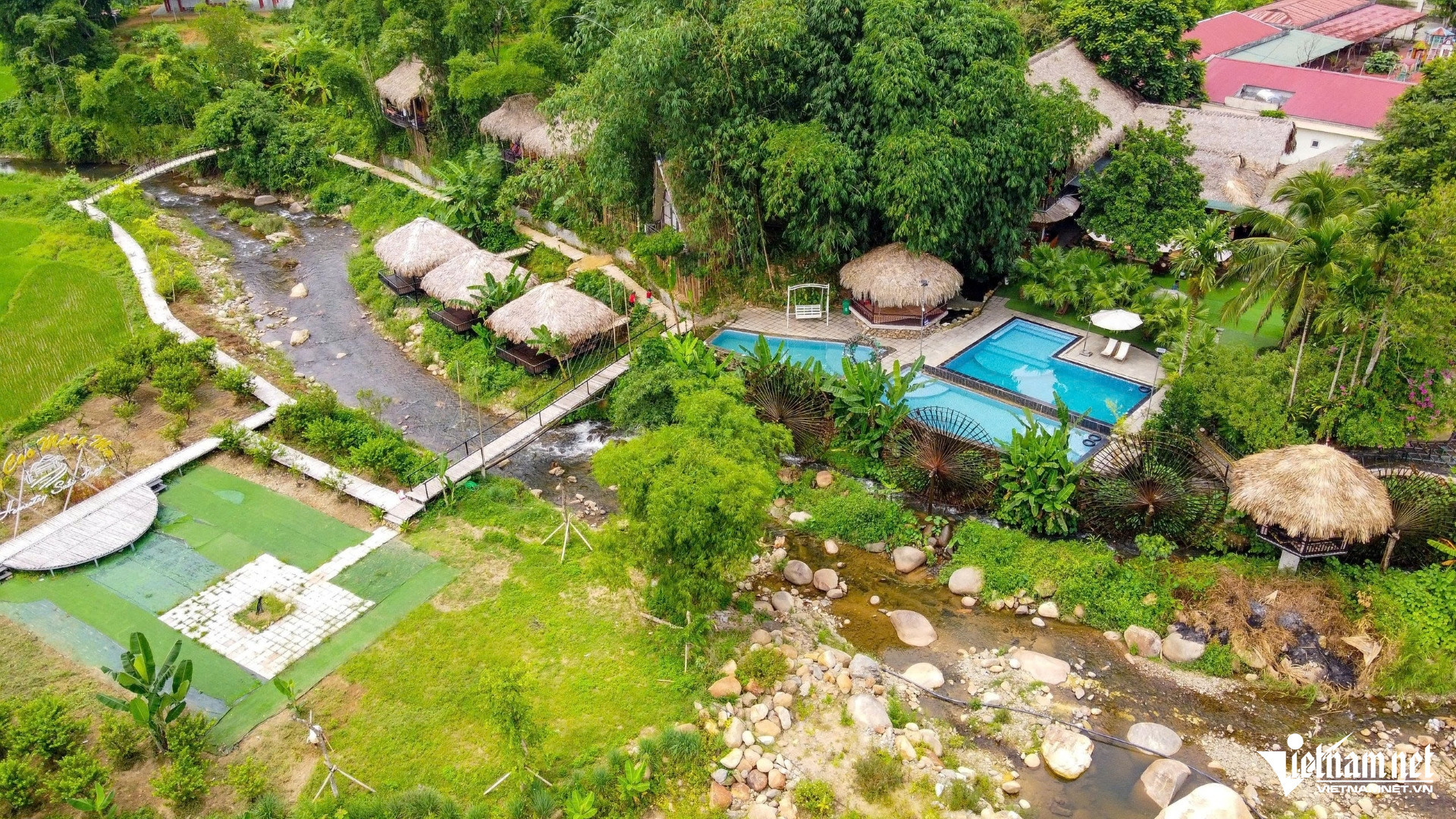
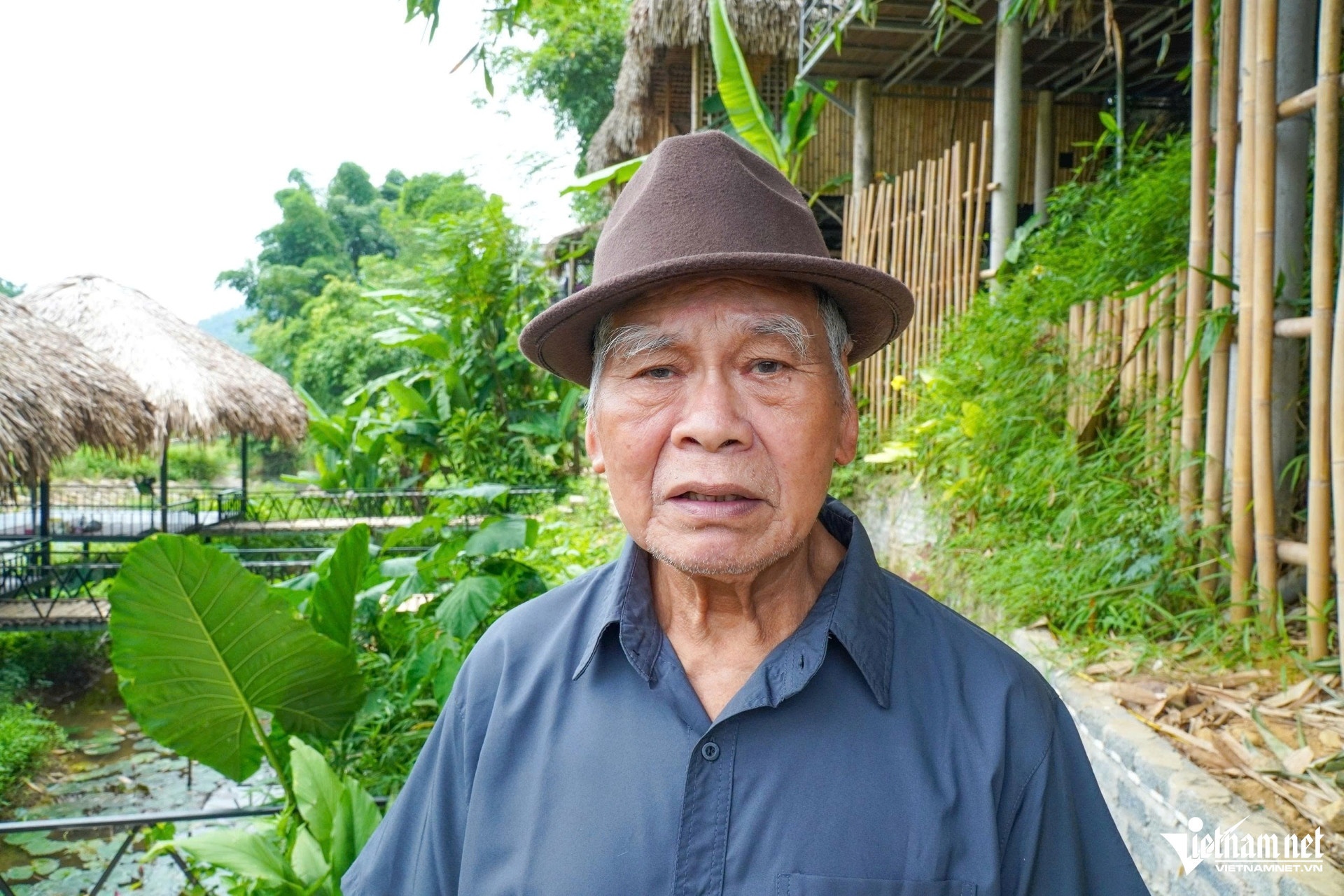
After spending many years working away from his hometown, La returned to Chieng Ngay with his wife, Lu Thi Khuyen, hoping to enjoy retirement while contributing to local development.
In early 2021, as the COVID-19 pandemic slowed daily life, the couple's children planned to renovate the family's traditional stilt house as a gathering place for holidays and weekends.
While clearing vegetation around the property, the family rediscovered the area's remarkable natural beauty.
The peaceful stream, lush hills, terraced fields, waterfalls and surrounding forests inspired La to pursue a much larger vision - opening the family home to visitors while preserving the cultural identity of the Thai people.
"Our goal has never been simply to make money from tourism," La said. "We want visitors to experience the traditional culture of the Thai community through folk songs, xoe dances, gong performances and family meals shared around the fire."
A homestay built with local materials
Developing the project took nearly two years.
Rather than replacing the traditional structure, the family carefully restored the wooden stilt house and added modern amenities for guests while maintaining its original architectural character.
Bamboo, timber, stone and other locally sourced materials were used throughout the project to preserve its authentic appearance.
The Suoi Dang Homestay officially welcomed its first guests in mid-2023.
Today, the property receives anywhere from dozens to several hundred visitors a day, depending on the season.
Bringing opportunities to the whole village
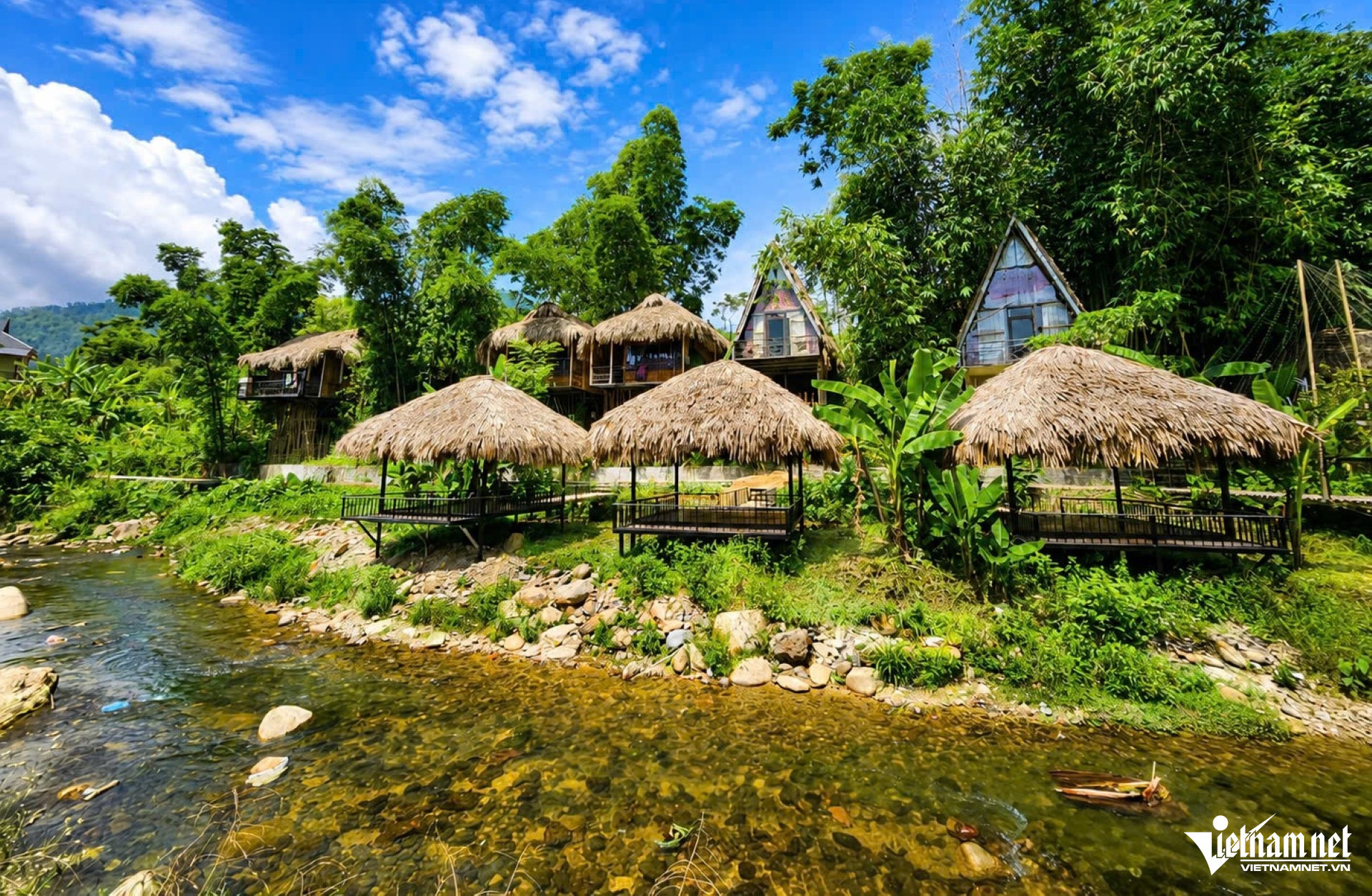
What began as a single family home has expanded into a tourism complex featuring three traditional stilt houses, nine bungalows and a large event hall capable of accommodating nearly 150 guests.
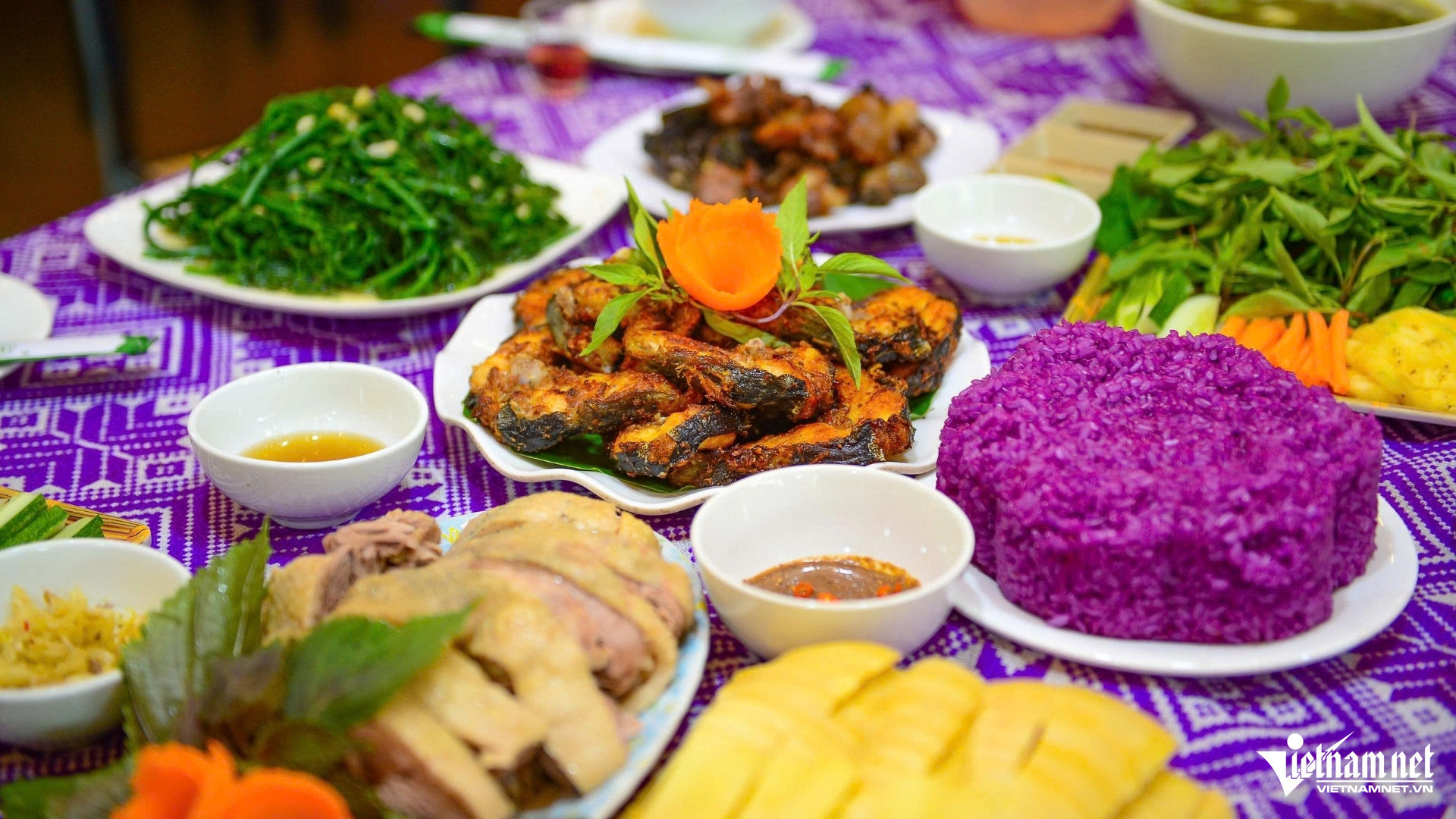
Visitors can enjoy traditional Thai cuisine featuring free-range chicken, stream-raised ducks, native pork, freshwater fish, smoked buffalo meat, wild bamboo shoots, forest vegetables and locally harvested honey.
The homestay also serves as a base for exploring nearby attractions, including Dragon Waterfall, Sao Ba Waterfall, Lam Danh Lake, Lang Lung Valley and surrounding terraced rice fields.
Tourism benefits the wider community
According to La, the success of the homestay has created opportunities not only for his family but also for many households throughout the village.
Local residents now earn additional income by raising free-range poultry and native pigs, growing vegetables, harvesting honey, producing dried bamboo shoots and weaving traditional brocade textiles.
Vi Van Quang, Vice Chairman of Van Phu Commune People's Committee, said the homestay welcomed more than 15,000 visitors in 2025.
During peak holiday periods, demand has been so strong that the property has occasionally had to stop accepting additional bookings.
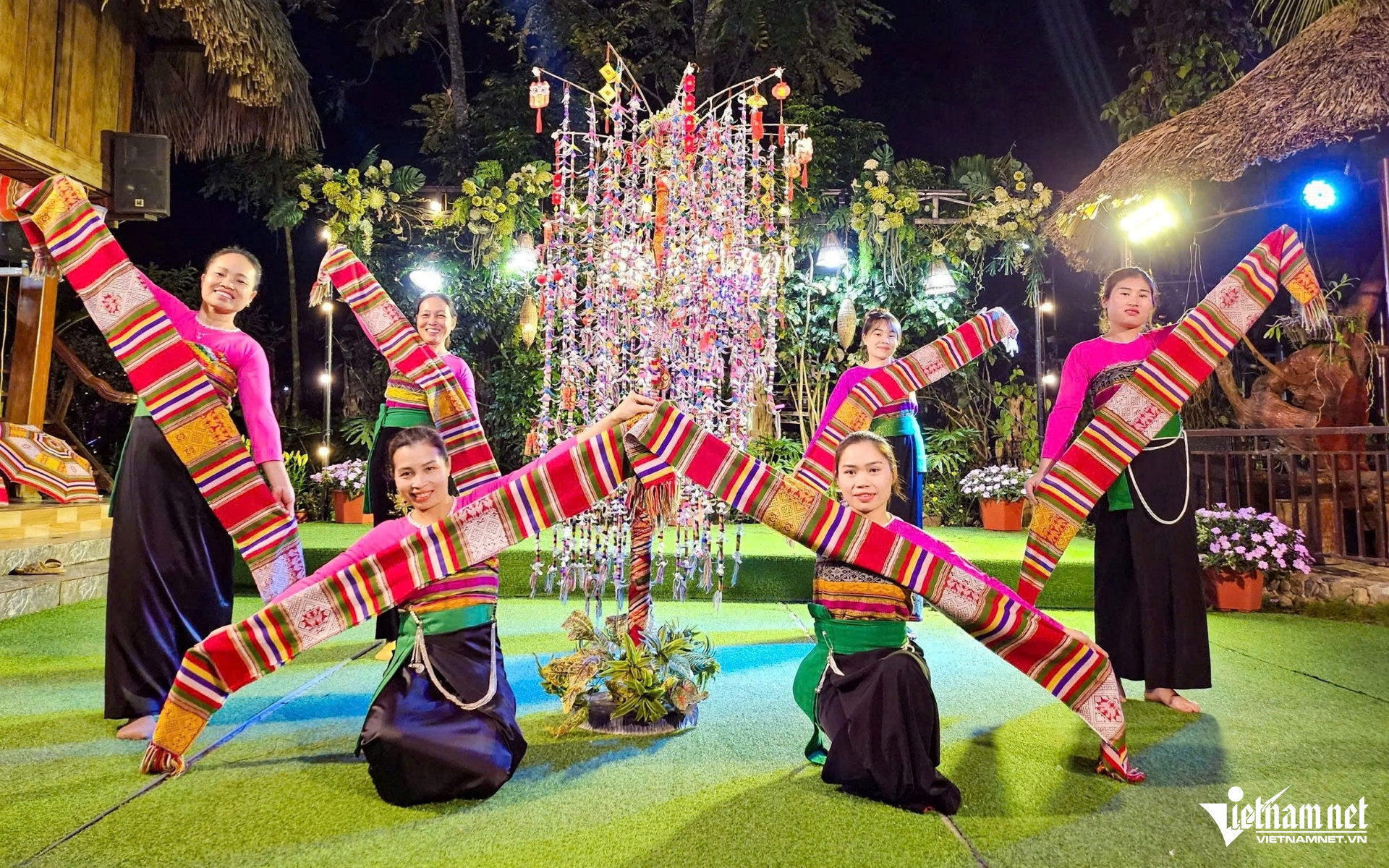
The local government has designated Chieng Ngay as a model "bright, green, clean and beautiful" village linked to community-based tourism.
Authorities are working to preserve the cultural heritage of local ethnic communities while encouraging residents to take a leading role in environmental protection, sustainable development and economic growth.
The commune aims to attract 25,000 to 30,000 visitors annually in the coming years while increasing tourism-related household income by 10-15%, with community tourism expected to become a key pillar of the local economy.
Le Duong
.svg)
