 Vietnamnet.vn

 Podcast



Editor's note: Behind the glamour of the stage lie years of hard work, sacrifice and, for many artists, the struggle to make a living under an outdated, largely uniform remuneration system.
Decree 287/2026/ND-CP seeks to address these long-standing constraints with a significant new mechanism for "incentive royalties," allowing creators to receive up to 10% of the profits generated by their own works.
To provide a broader perspective on this legal turning point, VietNamNet is publishing the series "New royalty mechanisms for the arts - Breaking barriers to let creativity flourish," examining the opportunities and challenges involved in bringing Vietnam's performing arts more fully into the cultural industries.
A push to rethink publicly funded art
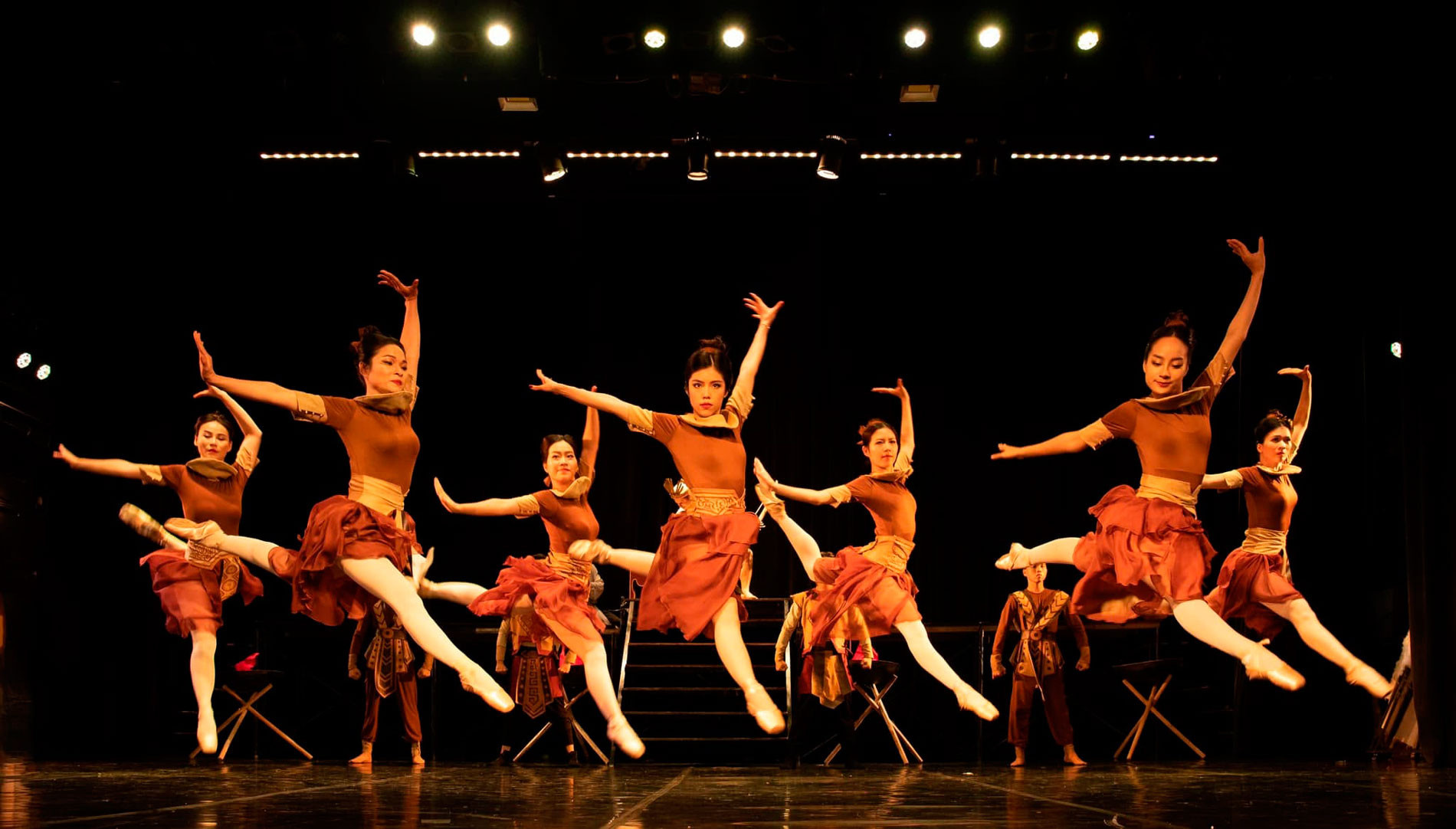
The arts market has always operated according to its own unforgiving rules. An entertainment play or pop concert can sell out within hours and generate billions of dong in revenue. At the other end of the spectrum, classical forms such as symphony, opera, ballet and circus, along with traditional Vietnamese arts including tuong, cheo and cai luong, often struggle to attract large audiences.
Artists may spend years honing their craft, while composers and playwrights pour enormous energy into writing a choral symphony or reviving an old tuong production, only for the resulting work to be performed a handful of times.
Left entirely to market forces, such art forms can struggle to survive and may gradually fade.
Under Decree 21/2015, the concept of "incentives" was largely limited to an additional fixed percentage on author's fees for certain categories of works, such as those serving children, ethnic minority communities, remote areas, border regions and islands, or works that had received awards.
The previous regulations did not provide a mechanism for creators to receive a percentage of profits after their works entered commercial exploitation.
From September 1, that will change.
Clause 3, Article 10 of Decree 287 stipulates that when a work for which the State represents the owner is commercially exploited and generates a profit, its creators may receive an additional share of up to 10% of the profit after reasonable costs have been deducted.
Many see the provision as a major catalyst capable of fundamentally changing the long-established mindset surrounding publicly funded art.
Previously, when a state-funded theater completed a work commissioned by the government, the budget would cover the creators' fees in what effectively amounted to a one-off payment.
If the theater subsequently sold tickets, secured sponsorship or generated television broadcasting revenue from the production, the playwright, director, choreographer and other creators would receive no additional share.
Their financial relationship with the work they had created essentially ended once the original payment was made.
Decree 287 therefore seeks to address questions surrounding profit-sharing when films such as Dao, Pho and Piano and Red Rain, or other cultural products funded by the state budget or exploiting copyrights and related rights for which the State represents the owner or manager, generate unexpectedly strong revenue.
People's Artist Trieu Trung Kien said dramatic revenue surges were relatively rare for traditional performing arts such as tuong, cheo and cai luong, where simply achieving successful ticket sales could already be considered an accomplishment.
Still, he regards the new approach as a natural step toward greater social participation in the arts.
Under the old system, creative teams generally received a one-off fee or author's payment for a production, effectively ending their financial involvement with the work.
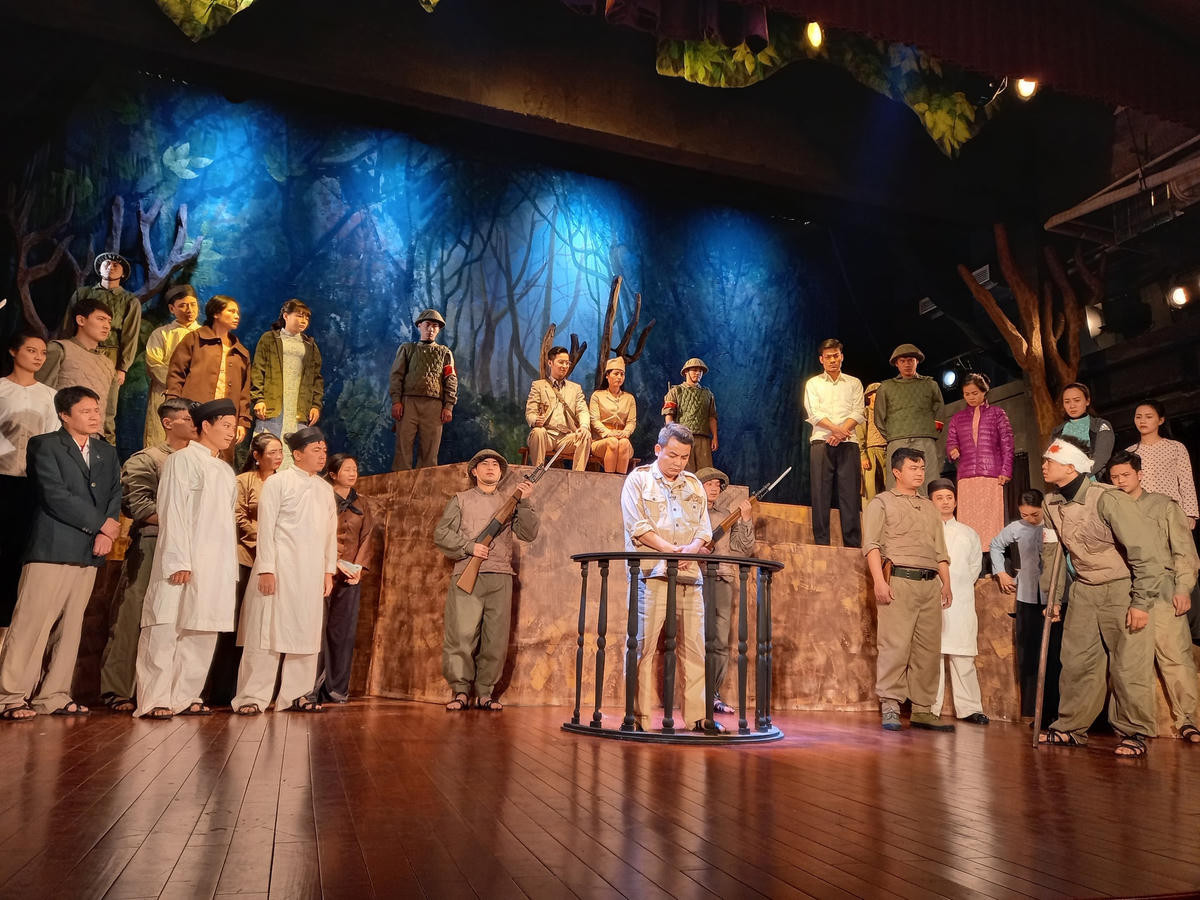
Under the new mechanism, however, receiving up to 10% of profits generated from a production's revenue and added value would connect their responsibilities more closely with their financial interests.
Creators would have an incentive to maintain the production at its best while continuing to update and refresh it. The longer a production survives and the more frequently it is performed, the greater the potential benefit for its creative team.
People's Artist Tong Toan Thang, director of the Vietnam Circus Federation, similarly views the incentive royalty mechanism as a significant boost to artistic quality.
"This will unleash a great deal of creative energy while increasing the team's sense of responsibility," Thang said. "They themselves must take responsibility for making a production successful while ensuring it stays on stage for more performances and generates greater revenue."
"This is an inevitable trend. A product must serve people's lives and have lasting vitality. It is a major source of encouragement and can contribute significantly to improving the livelihoods of both creative teams and performers. Lead performers will receive higher remuneration and may be able to make a decent living from their profession."
"The more performances a production has, the more remuneration they receive, strengthening their awareness of the need to preserve its quality. When a production has a long lifespan, we can both save on reinvestment costs and create a sustainable source of revenue," he added.
Thang pointed to productions in capitalist countries that have remained on stage for as long as 20 years. Technology may be continually upgraded, but the original investment has effectively been fully depreciated, leaving subsequent performances to generate profits.
A stronger foundation for Vietnam's cultural industries
From a regulatory perspective, People's Artist Xuan Bac, director of the Department of Performing Arts, said the leadership of the Ministry of Culture, Sports and Tourism has consistently instructed its departments and agencies to closely follow Party and State directions on cultural development.
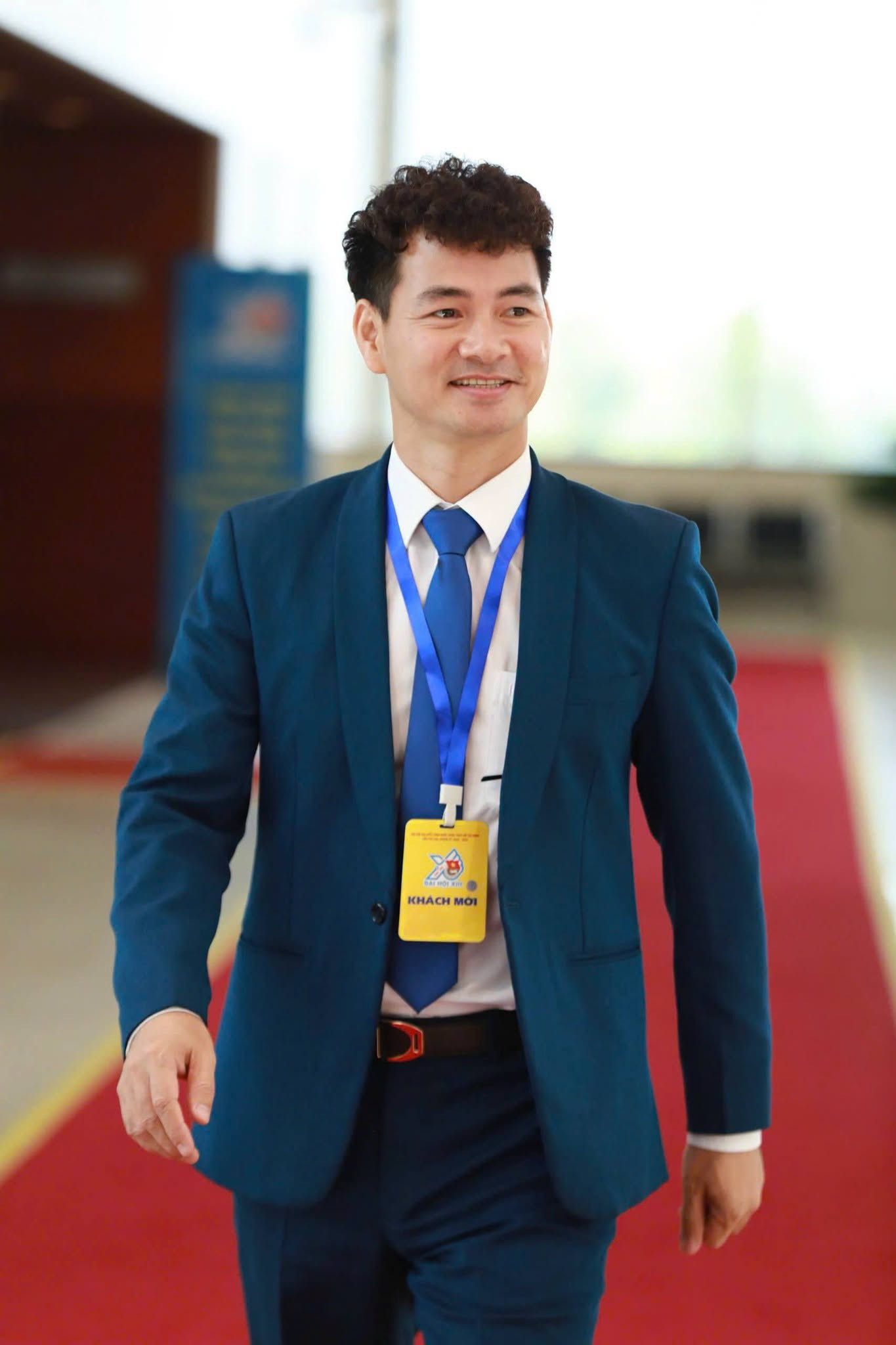
The ministry's departments therefore regard implementing Politburo Resolution 80-NQ/TW and National Assembly Resolution 28/2026/QH16 on the development of Vietnamese culture as a central task.
In recent years, ministry leaders have pushed to unlock resources and create breakthrough mechanisms for the sector's development. Alongside various decrees and circulars, Xuan Bac said Decree 287 is one of the clearest examples of that effort.
"Throughout the management process, our strategic vision has always been to build and develop the cultural industries," Xuan Bac said."The official transition from the concepts of 'author's fees and remuneration' to 'royalties' is a major turning point. This change affirms a new way of thinking: works of art are intellectual assets with genuine economic value, and culture must truly become an endogenous source of strength for national development."
The new profit-sharing mechanism is intended not only to protect creators' legitimate interests but also to provide an important economic stimulus.
When intellectual and creative contributions are properly valued, artists and other creators gain stronger incentives to devote themselves to their work.
That, in turn, can encourage the creation of high-quality artistic products that both fulfill the State's political and social objectives and have enough appeal to win audiences in the marketplace.
People's Artist Thuy Mui, a National Assembly deputy and president of the Vietnam Stage Artists Association, said the regulation effectively turns authors, directors and performers into creators who can share in the benefits generated by their own works.
"The longer a production survives, the better its tickets sell and the more views it attracts on digital platforms, the more income artists can earn," she said. "This creates an invisible but extremely powerful incentive, compelling creators to produce works that are genuinely good and resonate with the public, rather than simply finishing something and putting it into storage."
The director of a Hanoi performance organization also sees the mechanism positively from the perspective of organizations responsible for commercially exploiting artistic works.
"Sharing 10% of profits does not make theaters poorer. On the contrary, it creates a symbiotic relationship," the director said. "When artists know they have a financial stake in a production, they will proactively work with the organization to promote it and continue innovating to improve it from one performance to the next. The work will take on a genuine life of its own in the marketplace."
Decree 287/2026/ND-CP has therefore established a stronger legal foundation from which high-quality arts can develop.
The stage is no longer sustained by passion alone. Artists' contributions are beginning to be backed by clearer, more transparent and more appropriate economic rights.
Yet for the law to work in practice = and for royalties to move from legal provisions into artists' bank accounts - arts organizations will have to move away from long-standing dependence on state funding.
A broader shift in thinking, from subsidy dependence toward cultural industries, is now beginning.
Tinh Le
.svg)
