 Vietnamnet.vn

 Podcast



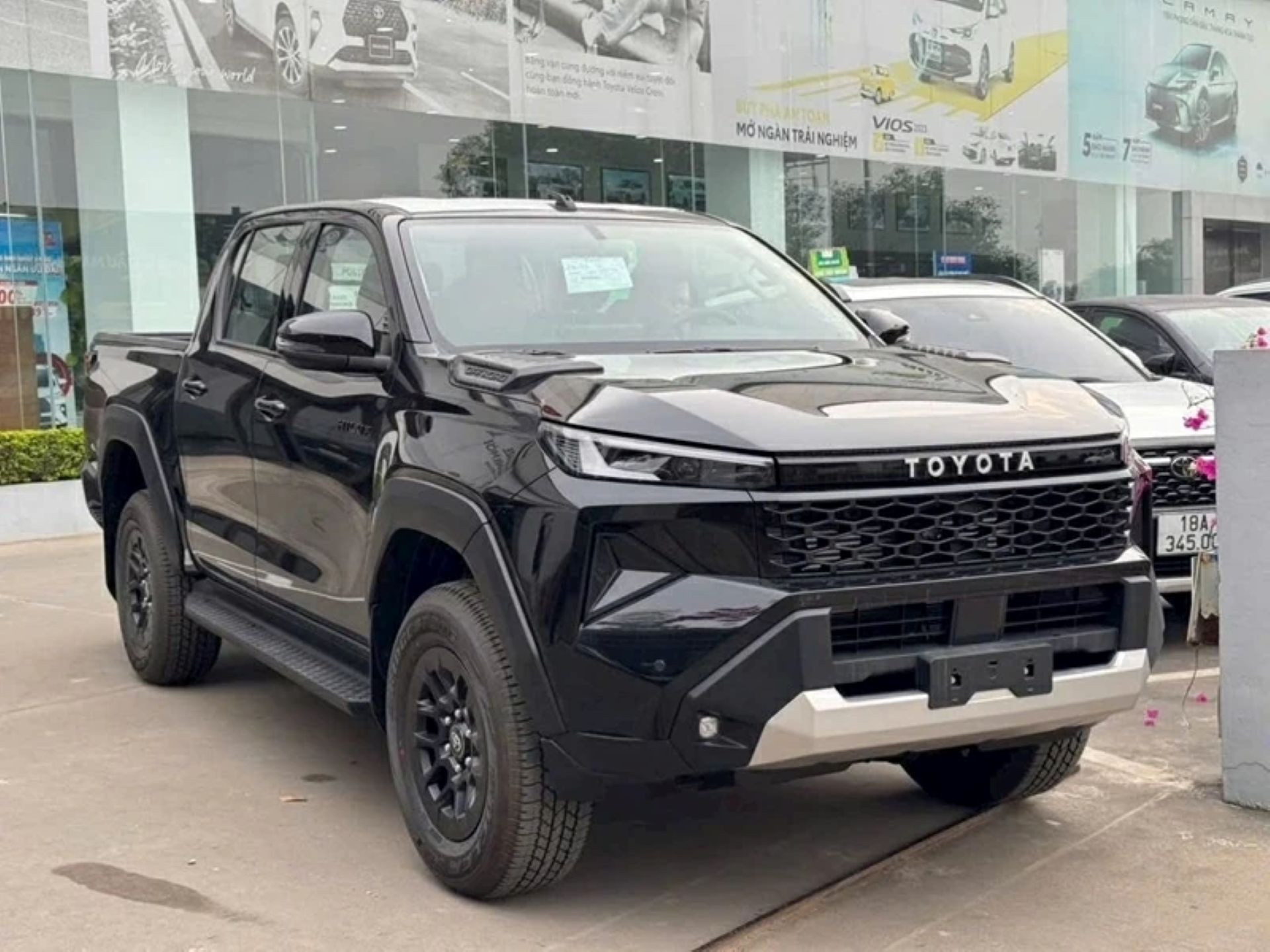
Vietnam’s auto market, especially the pickup segment, is facing difficulties. On major auto forums, concerns are rising as popular models such as Ford Ranger, Mitsubishi Triton, Toyota Hilux and Isuzu D-Max are now classified as pickup trucks under the new regulation.
Nguyen Quoc Binh, admin of the OF.FB user forum, said: “Based on the new calculation using the ratio of payload to total weight, I believe up to 99 percent of double-cabin pickups in the market do not meet the criteria for passenger pickup vehicles. As a result, they are classified as pickup trucks.”
The majority of current pickup trucks have a total mass of over 2 tons, which means they are banned from inner Hanoi circulation during peak hours and are only allowed to run from 9pm at night to 6am the following morning.
Many customers have been taken aback to learn that their vehicles, worth billions of dong, are now banned from entering inner Hanoi and can only operate from night to morning, except for some extremely expensive high-performance pickup lines like the old Ford Ranger Raptor or the new Ram TRX 1500, which are classified in the passenger car group.
Used car market "shaken"
The new regulation has quickly impacted the used car market. In just a few days, the number of pickup trucks for sale at a "loss-cut" price skyrocketed. Used car showrooms in Hanoi and HCMC recorded a sudden increase in customers wanting to sell their cars, while buyers hesitated.
Nguyen Thanh Hai, a used car dealer on Trinh Van Bo Street (Hanoi), said "In just the past 2-3 days, the volume of customers calling to sell pickup trucks has increased dramatically. Mainly customers in Hanoi, most of whom cite the reason of restricted hours, being inconvenient for work or picking up children from school, so they want to sell quickly to switch across to other 7-seater CUV/SUV lines. The supply of used pickup trucks is plentiful, but the number of customers asking to buy is showing signs of stalling."
Phan Thanh Tu, Director of the Carpla HCMC branch specializing in used cars, said the purchase price for used pickup trucks has decreased by VND 30-50 million compared to the previous period. Because many pickup models are in stock and cannot be sold, the dealer has already lost about VND 30 million per vehicle.
Meanwhile, people with a genuine need to buy pickup trucks are now demanding that shops reduce prices even further before they dare to spend money. In that context, used car shops are forced to retrench and limit stocking goods for fear of prolonged inventory and stagnant capital. Sellers are in a weak position, while buyers wait to "hit the bottom," making this once-vibrant segment gloomy.
Car dealers on tenterhooks
Not only used cars, but dealers of brand-new car are also struggling. The pickup segment, which once brought in significant revenue, has suddenly become a constant concern for sales consultants.
A salesperson at a Toyota dealer in the Northern region said: "There were contracts where the deposit was finalized, but when customers read the information classifying pickup trucks as trucks, they immediately called to request a deposit refund or asked to switch to buying other high-clearance SUV lines with equivalent prices."
Tu confirmed that since the Traffic Police Department provided clear instructions on how to distinguish pickup types according to registration records, in the new car market, many customers have temporarily suspended further transactions, while others have stopped their plans to choose this vehicle line.
The true nature of pickup trucks
Many experts believe that clear vehicle classification is necessary for management, but applying the same for pickup trucks and common trucks needs to be reconsidered more carefully.
In Vietnam, double-cabin pickup trucks have long been used as multi-purpose personal vehicles, serving needs for work, leisure, and carrying light items. They do not operate with the frequency and purpose of specialized goods transport like pure trucks.
With the current vehicle classification regulations in circulation, hundreds of thousands of pickup truck owners will suffer a great disadvantage, having to pay taxes and fees like passenger cars but being limited in urban circulation like cargo trucks. At the same time, the pickup truck segment, which is growing strongly, will decline sharply, significantly affecting automobile manufacturers.
Hoang Hiep
.svg)
