 Vietnamnet.vn

 Podcast



After training as a veterinarian and working in both state agencies and foreign enterprises, Tran Thanh Ngoc chose a different path - returning to his hometown in Quang Tri to build a farming business that now generates nearly VND9 billion (US$370,000) in annual revenue.
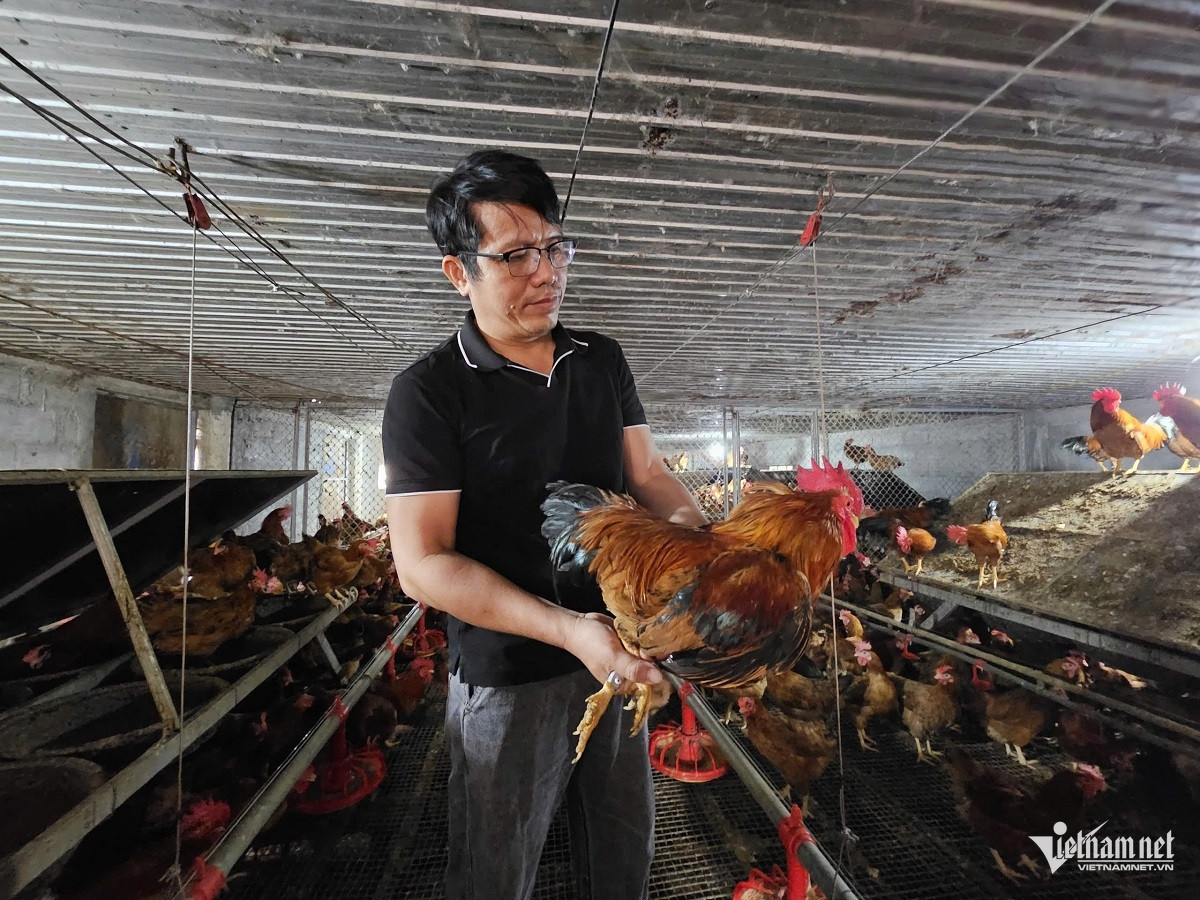
Graduating in veterinary medicine in 2009, Ngoc, born in 1979, spent years working across various roles, from public institutions to foreign companies and animal feed firms. These experiences allowed him to travel widely, providing technical support in livestock farming while accumulating hands-on expertise.
Recognizing the untapped potential of agriculture, particularly indigenous breeds, he began nurturing the idea of starting his own venture. Eventually, he decided to shift direction and focus on breeding chickens in his hometown.
Building from small beginnings
Ngoc launched his business in 2010 with a modest scale of around 1,000 meat chickens raised at home. Step by step, he applied his professional knowledge to improve care and disease prevention.
Seeing the promise of the native “ga kien” breed, he concentrated on research, selective breeding and crossbreeding to develop a line suited to local conditions and market demand.
In 2012, he made a bold move - leasing land and investing nearly VND300 million (US$12,000) to build farm infrastructure, including barns and incubation systems.
At that stage, the farm produced about 400 eggs per day, equivalent to more than 10,000 chicks per month. With a selling price of around VND12,000 (US$0.50) per chick, annual revenue reached over VND1.4 billion (US$57,000), yielding nearly VND400 million (US$16,000) in profit.
“Drawing on my training and persistence, I developed breeding lines based on local chickens. The meat is firm, fragrant and naturally sweet, so it consistently commands higher prices,” Ngoc said.
A decisive turning point
After years of balancing employment and farming, Ngoc made a defining decision in 2017. Despite earning nearly VND30 million per month (US$1,200) at a company, he resigned to focus entirely on agriculture.
He also identified a critical gap in the market. Previously, chicks were mainly sourced from northern Vietnam, with long transport distances leading to high mortality rates.
“I wanted to produce chicks locally to ensure stable supply and reduce losses,” he explained.
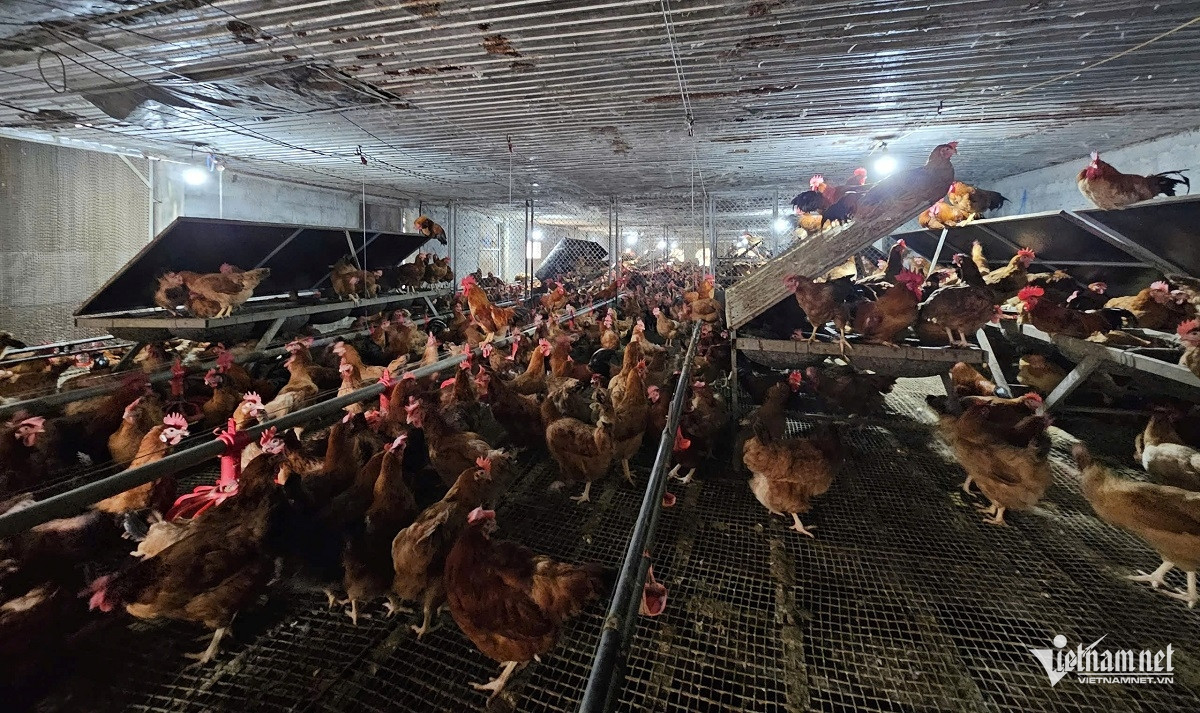
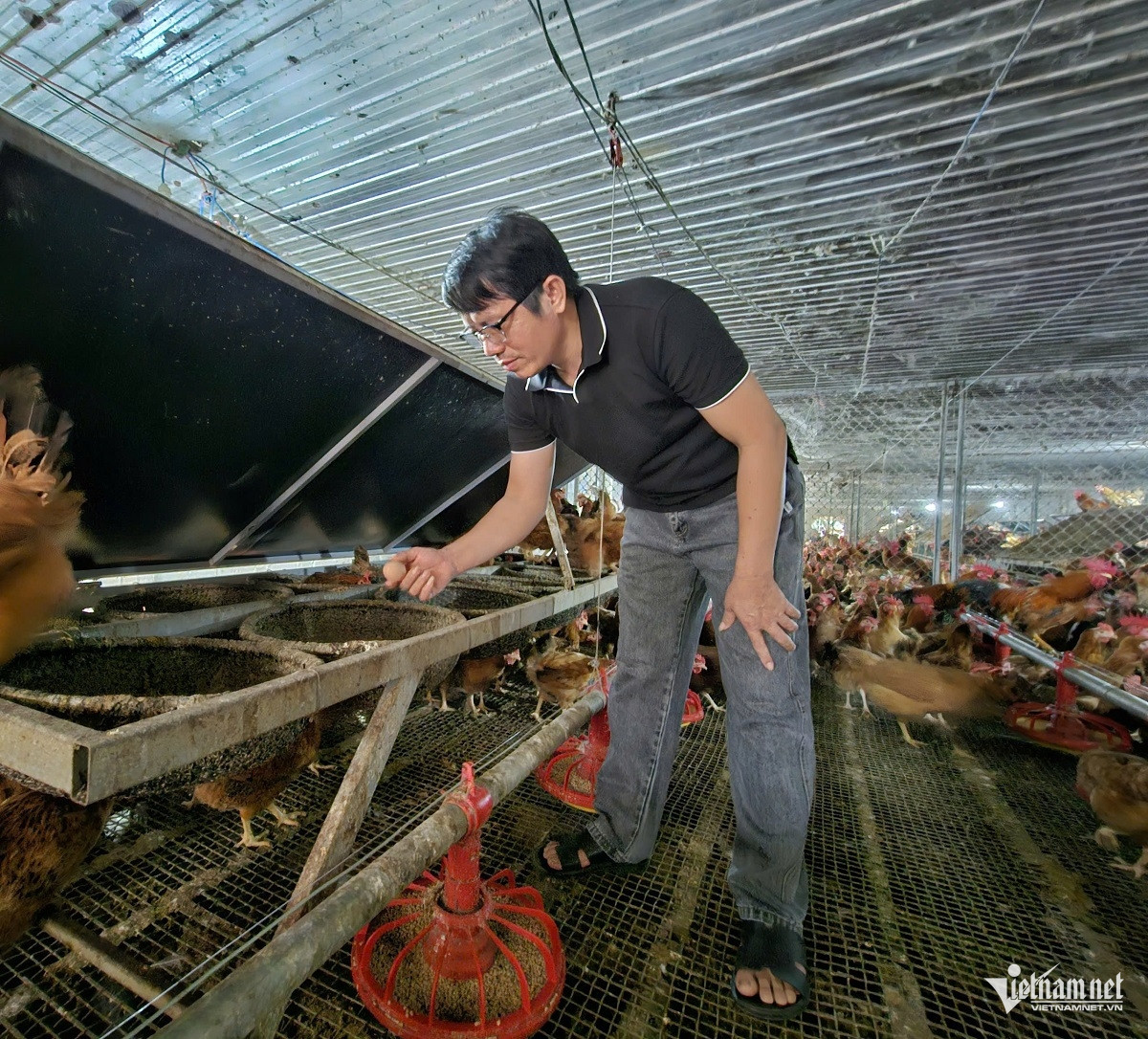
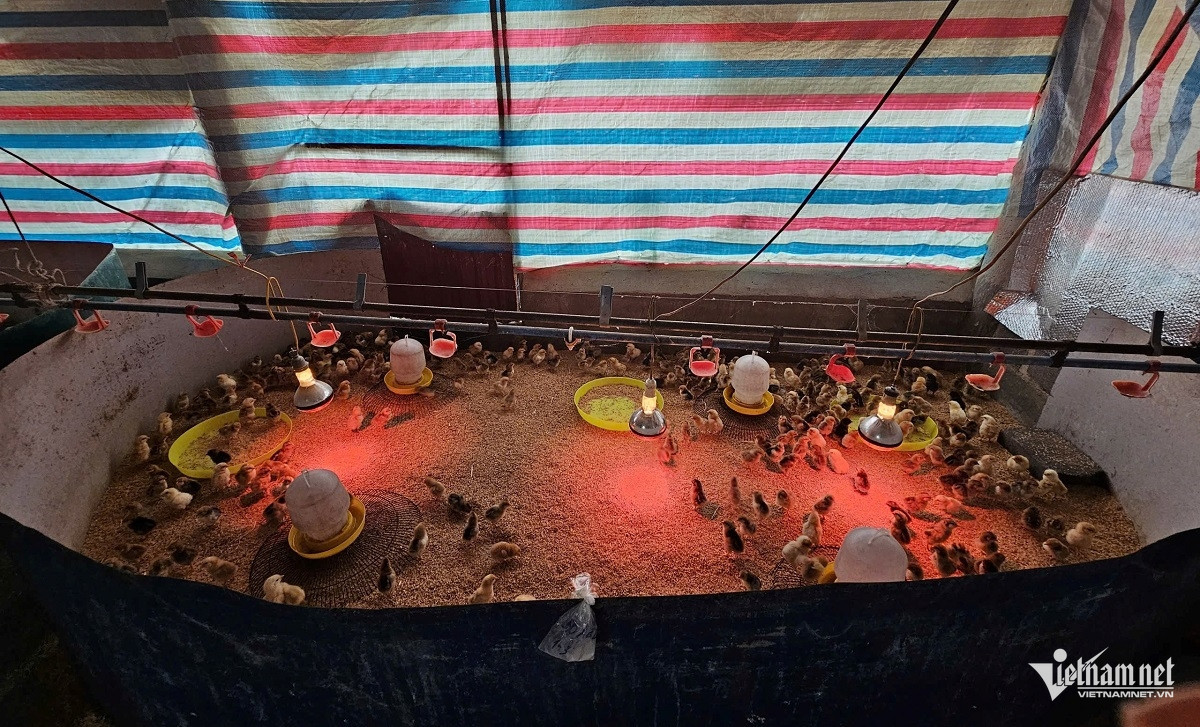
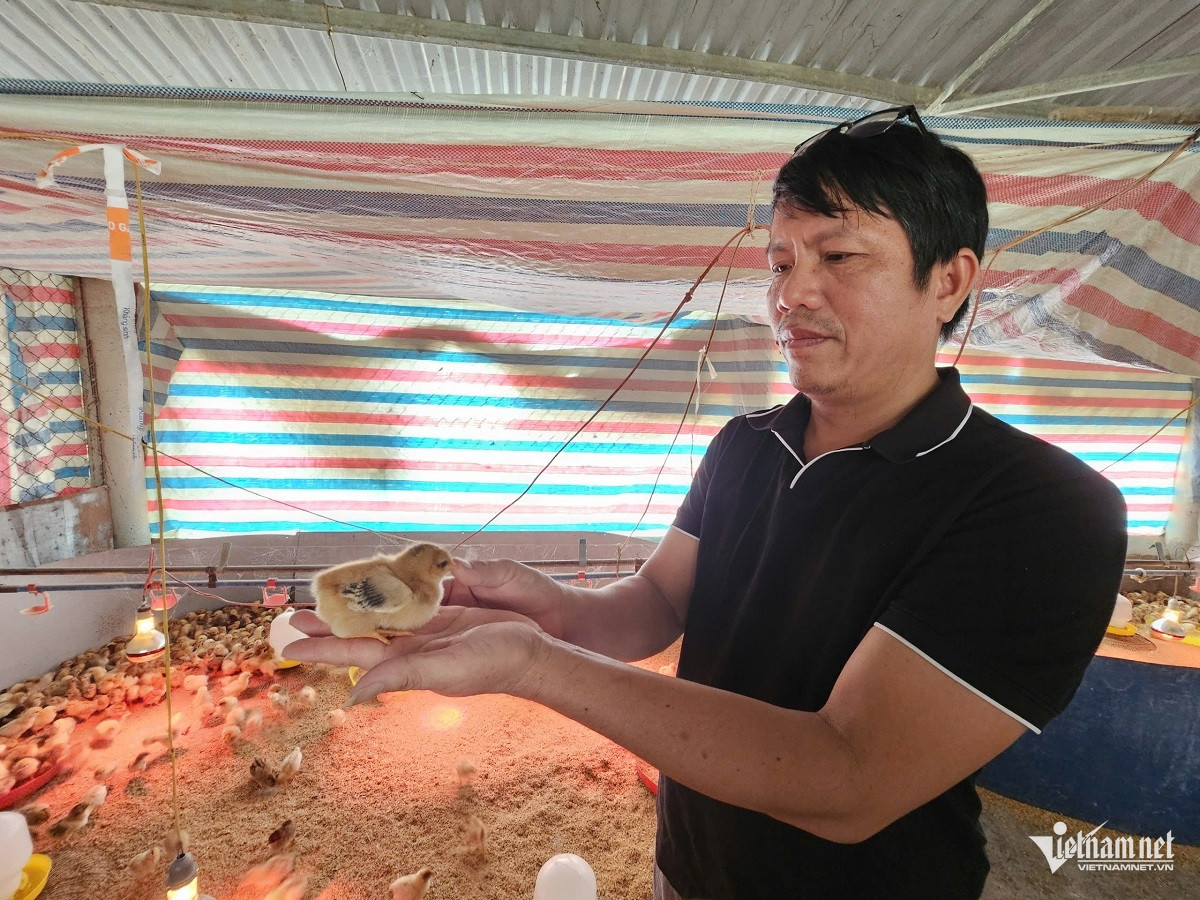
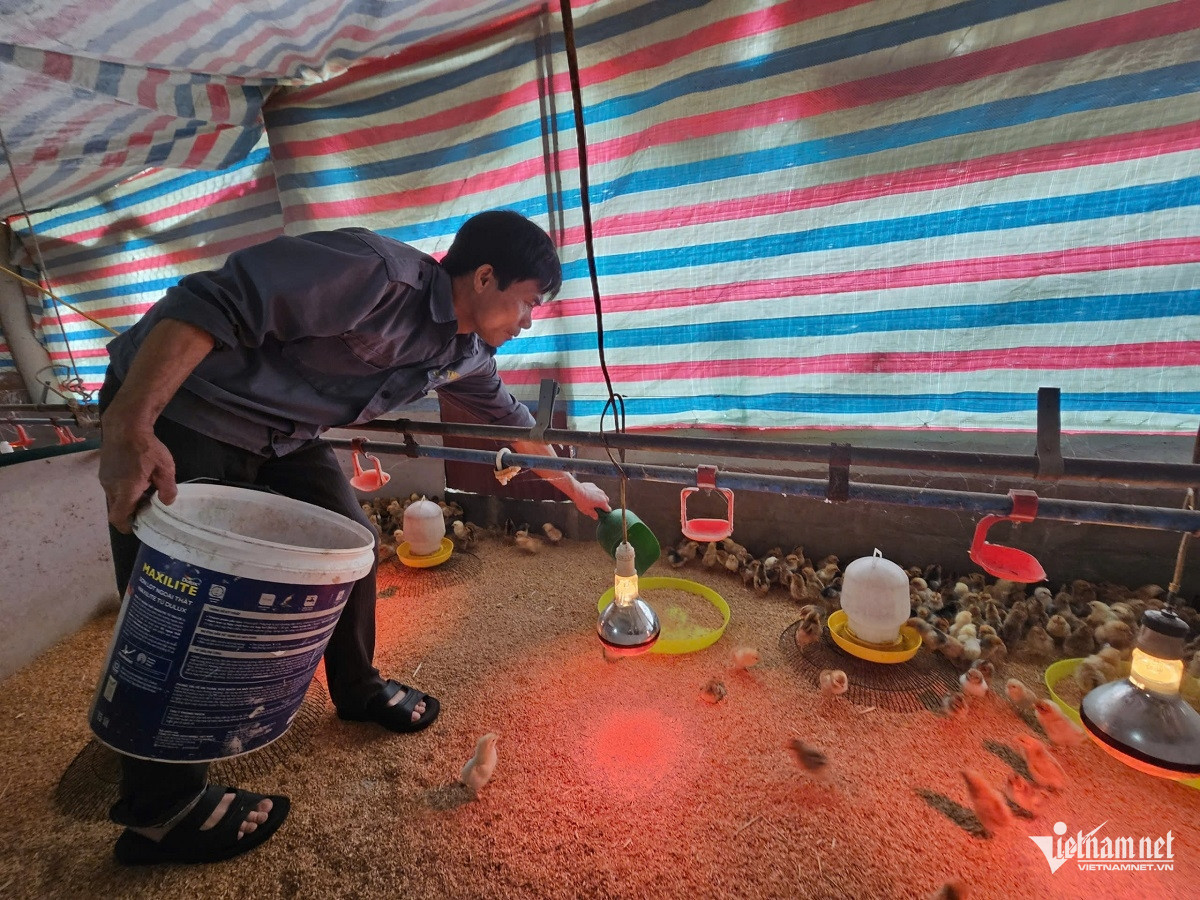
After more than 15 years of development, Ngoc has invested nearly VND8 billion (US$330,000) into a closed farming system equipped with modern incubation technology, covering nearly one hectare.
The farm now maintains about 9,000 laying chickens and 6,000 young breeders.
Each month, it supplies around 60,000 chicks to the market at an average price of VND13,000 (US$0.53) per chick, generating nearly VND9 billion (US$370,000) in annual revenue and about VND1.2 billion (US$49,000) in profit.
Strict disease control protocols are applied throughout the production chain. Parent flocks are fully vaccinated, eggs are carefully selected before incubation, and newly hatched chicks receive four types of vaccines within their first day. This ensures a survival rate of up to 90 percent.
The hybrid “ga kien” chickens reach a market weight of around 1.6 kilograms after four months and are widely favored by consumers.
Challenges behind the success
Despite impressive revenue, Ngoc emphasized that farming remains a demanding field.
Costs for feed, electricity and vaccines are significant, with vaccine expenses alone exceeding VND1 billion (US$41,000) annually, and electricity costs surpassing VND600 million (US$25,000).
“Agriculture doesn’t offer easy profits. It requires patience and precision. Even a small mistake can lead to major losses, sometimes worth billions of dong due to disease outbreaks,” he said.
Today, the farm provides stable employment for around 10 local workers, each earning between VND8–9 million per month (US$330–370), contributing to rural economic development.
Local authorities consider Ngoc’s model a standout example of effective production. Beyond generating income, it creates jobs and supplies high-quality breeding stock for farmers both within and beyond the province.
His proactive research and development of indigenous breeds, tailored to local conditions, is seen as a sustainable direction that deserves wider replication.
Hai Sam
.svg)
