 Vietnamnet.vn

 Podcast



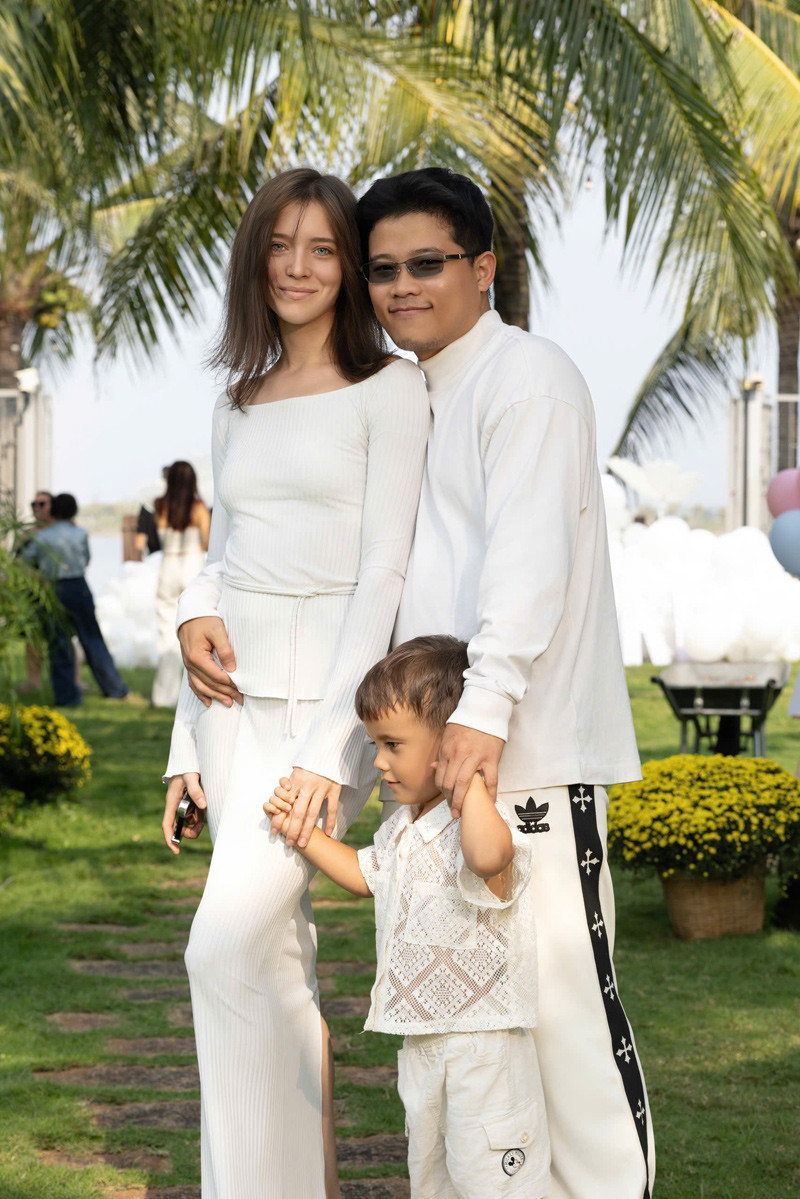
Over the past four years since the day they met, Le Minh Nhat (born in 1994, HCMC) has always viewed his relationship with his Russian wife, Kira Filiushina (born in 1997, from Kazan, Russia), as the most special thing in his life.
He spent 18 years living in Ufa city (Russia). However, it was not until the end of 2020, when he returned to Vietnam, that he had the chance to meet Kira during her vacation. This special chance was partly why they decided to reside in Vietnam after tying the knot.
“Among millions of people, a Vietnamese guy who used to live in Russia happened to meet and love a Russian girl right in Vietnam. To me, that is destiny,” Nhat said.
That year, Kira had a long holiday across Asian countries. When arriving in Vietnam, she got stranded due to the COVID-19 pandemic. In HCMC, during a gathering among Russian friends, Nhat and Kira met each other. They liked each other right from the first sight but kept it secret inside their hearts due to shyness.
“The first time I met Kira, I already had a very special feeling for her. We did not talk much but constantly glanced at each other. Sometimes when our eyes locked, we only smiled bashfully,” Nhat recounted.
Impressed by the femininity and gentleness of the Russian, Nhat decided to seek her contact number to text and chat. Their feelings progressed rapidly. After a few months of getting to know each other, the couple officially dated.
Initially, Kira only intended to stay in Vietnam for a brief period. However, after getting acquainted with Minh Nhat, she wished to stay attached longer to understand and deeply experience Vietnamese culture. For Nhat, it was his relationship with Kira that also made him decide to remain in his homeland to launch a career and reside long-term.
Vietnamese culture shock
In 2022, with the backing of both families, the couple tied the knot. When giving birth to their first child, they had a period of cohabiting with his parents in HCMC, and this was the time when Kira integrated into the Vietnamese lifestyle and culture in a profound way.
Nhat admitted that he was nervous and anxious when living together. He feared that cultural differences would make it hard for Kira to adapt, particularly being a daughter-in-law in a Vietnamese family.
“In Vietnam, a daughter-in-law is routinely close to her husband's family, whereas in Russia, daughters-in-law live privately and independently.
“Initially, Kira felt a bit of pressure with being a daughter-in-law, especially the close-knit living style and the special care among members. However, she adapted fast, beyond my imagination,” Nhat recounted.
Kira made great efforts to integrate. She learned Vietnamese, practiced eating Vietnamese dishes, helped her in-laws prepare meals, and paid attention to the family’s daily habits.
For a period, she even memorized the Vietnamese names of different vegetables so she could confidently accompany her mother-in-law to the market. Occasionally, she mispronounced words, causing the whole family to burst into laughter. Yet it was precisely this charm that made everyone adore her even more.
Still, Kira experienced several culture shocks.
“The funniest memory was the first time Kira tasted pure fish sauce. She was shocked by the smell but still insisted it was ‘delicious’ because she wanted everyone to be happy. I could not stop laughing, but I also felt sorry for her.
“There was another time when my mother told Kira, ‘Leave it there, I’ll do it,’ simply as a way of helping her. To Kira, however, it sounded as though she had done something wrong and my mother was unhappy with her. She spent the whole day feeling upset. Later, she realized that was actually how Vietnamese parents show care and affection,” Nhat shared.
Kira’s biggest culture shock was the closeness among family members and neighbors.
At first, she felt uncomfortable sharing dishes at the same table, serving food to one another and engaging in lengthy conversations during meals. But once she got used to it, she came to love the warmth and sense of connection that family meals brought.
Linh Trang
.svg)
