 Vietnamnet.vn

 Podcast



Tran Nghi
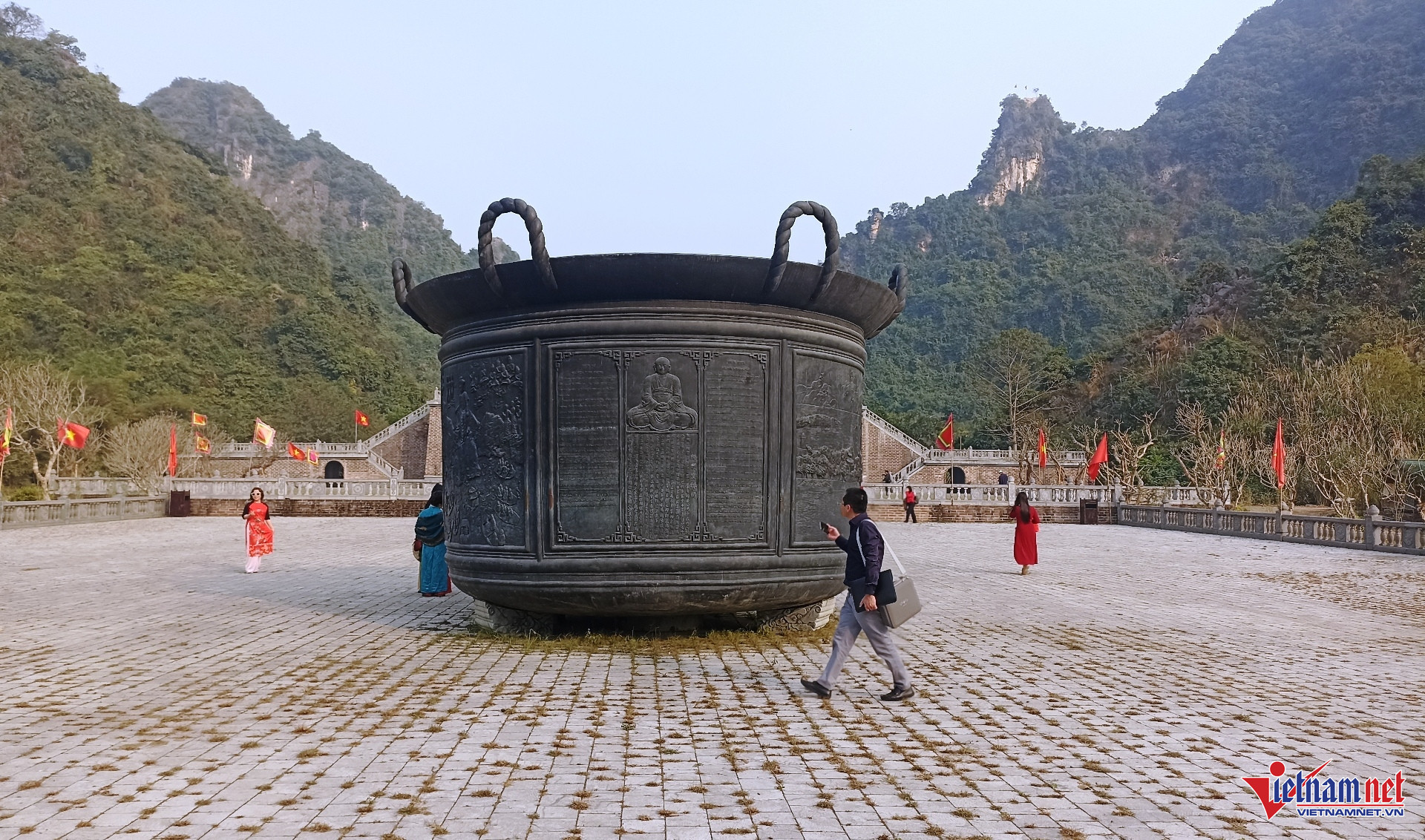
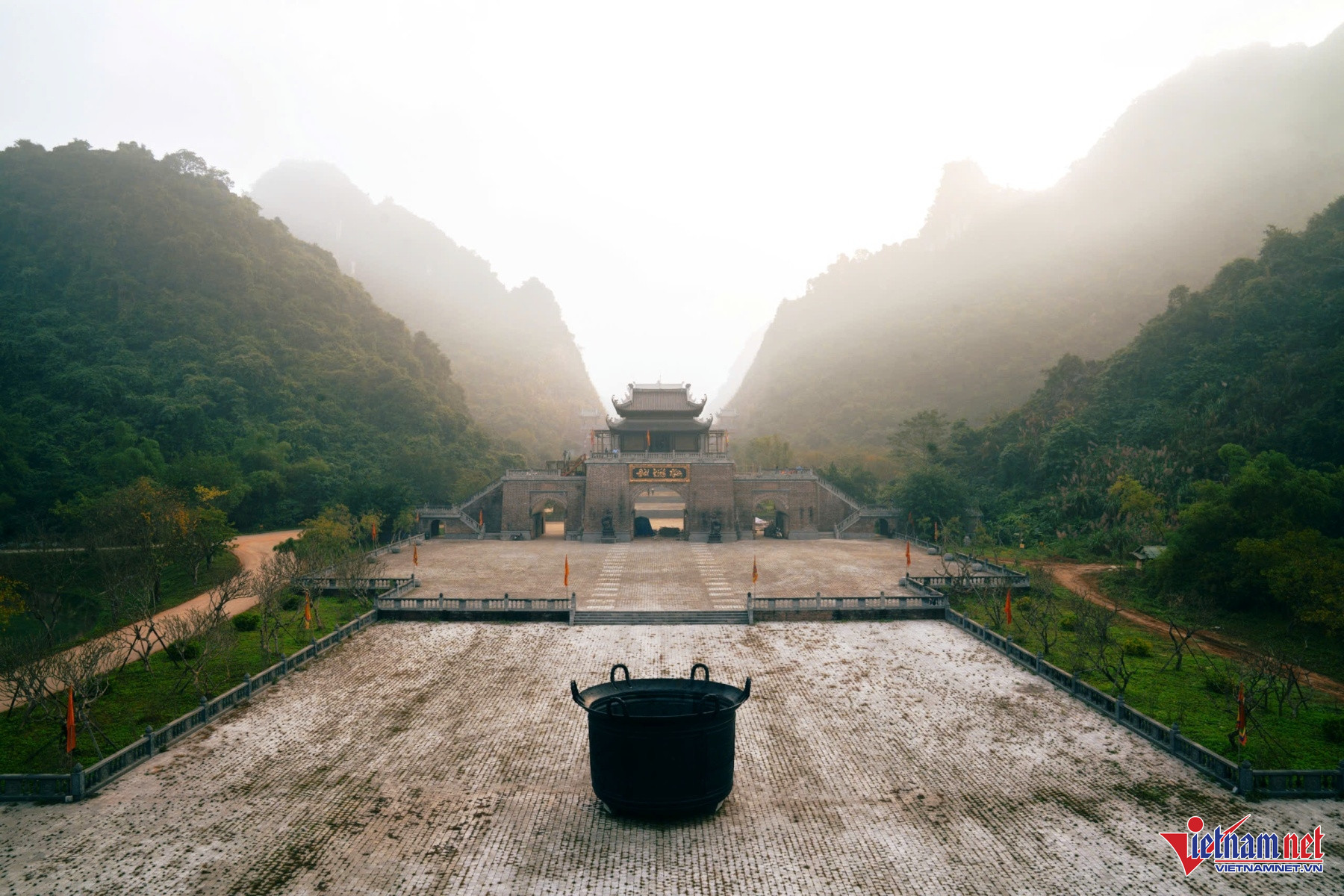
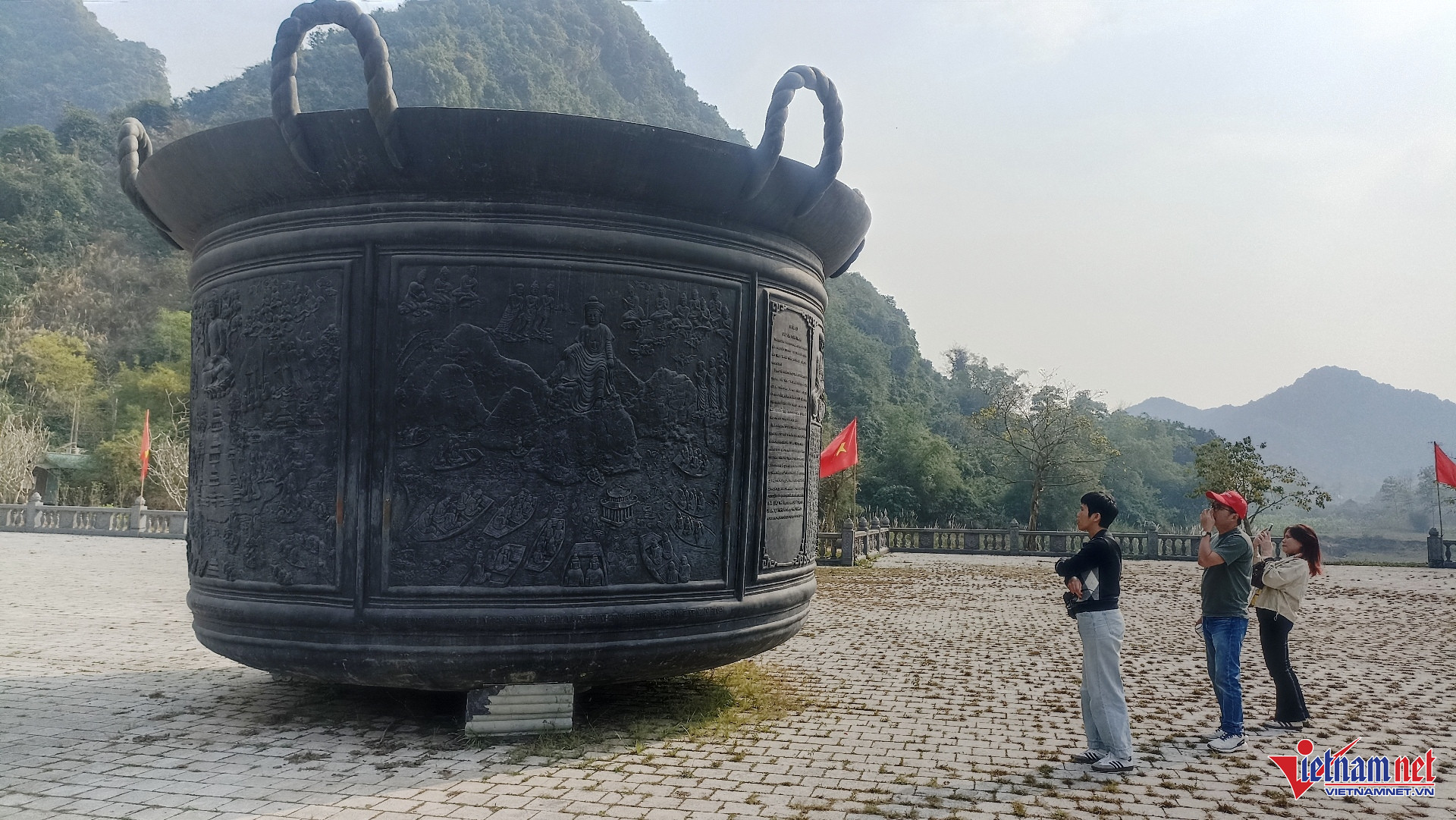
Located within the Thung Ui tourist area in the Moc Hoan valley of Ninh Binh, the cauldron is placed solemnly atop an ancient “Heaven’s Kitchen,” forming a striking centerpiece that draws visitors to this spiritual site.
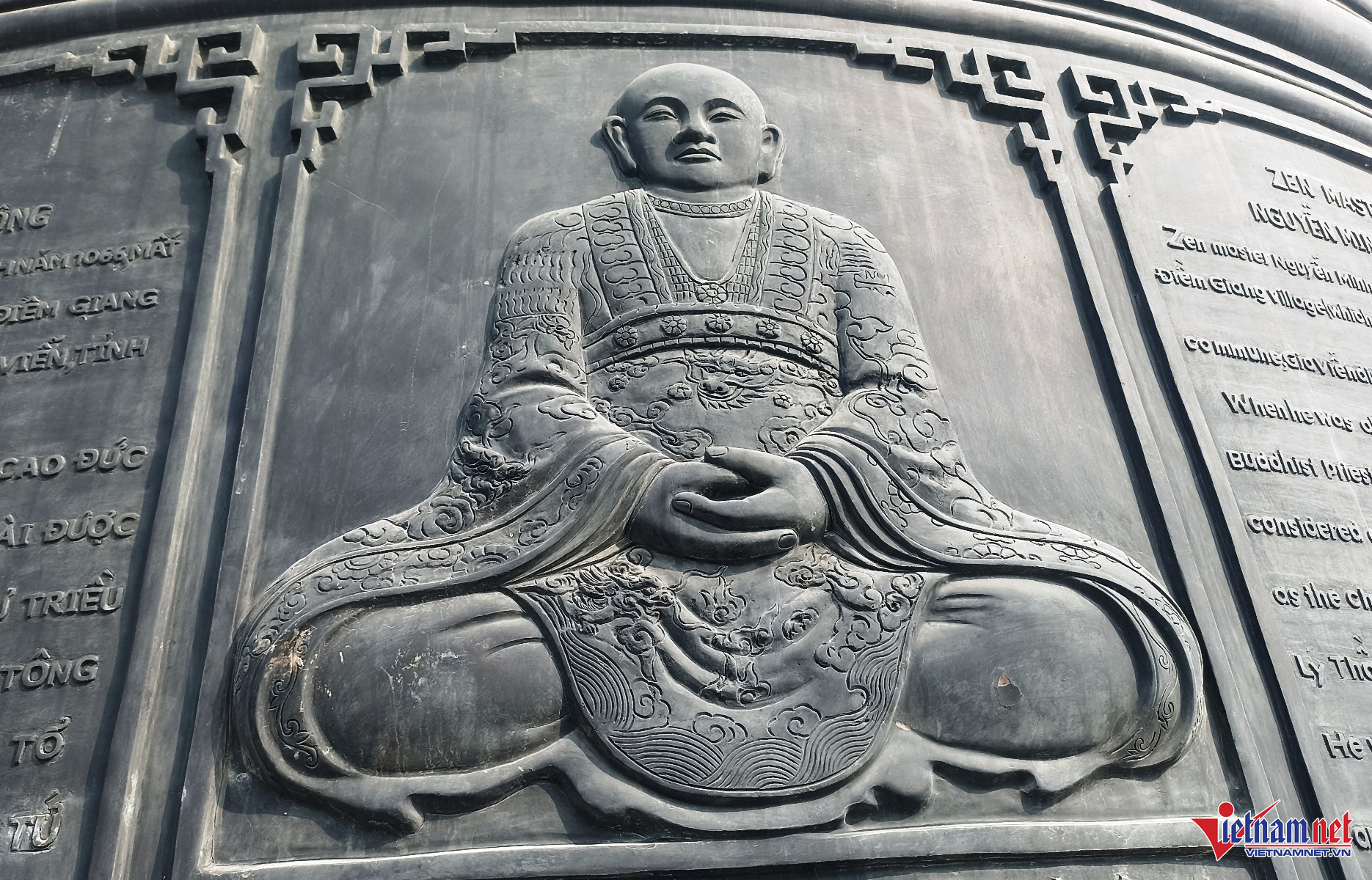
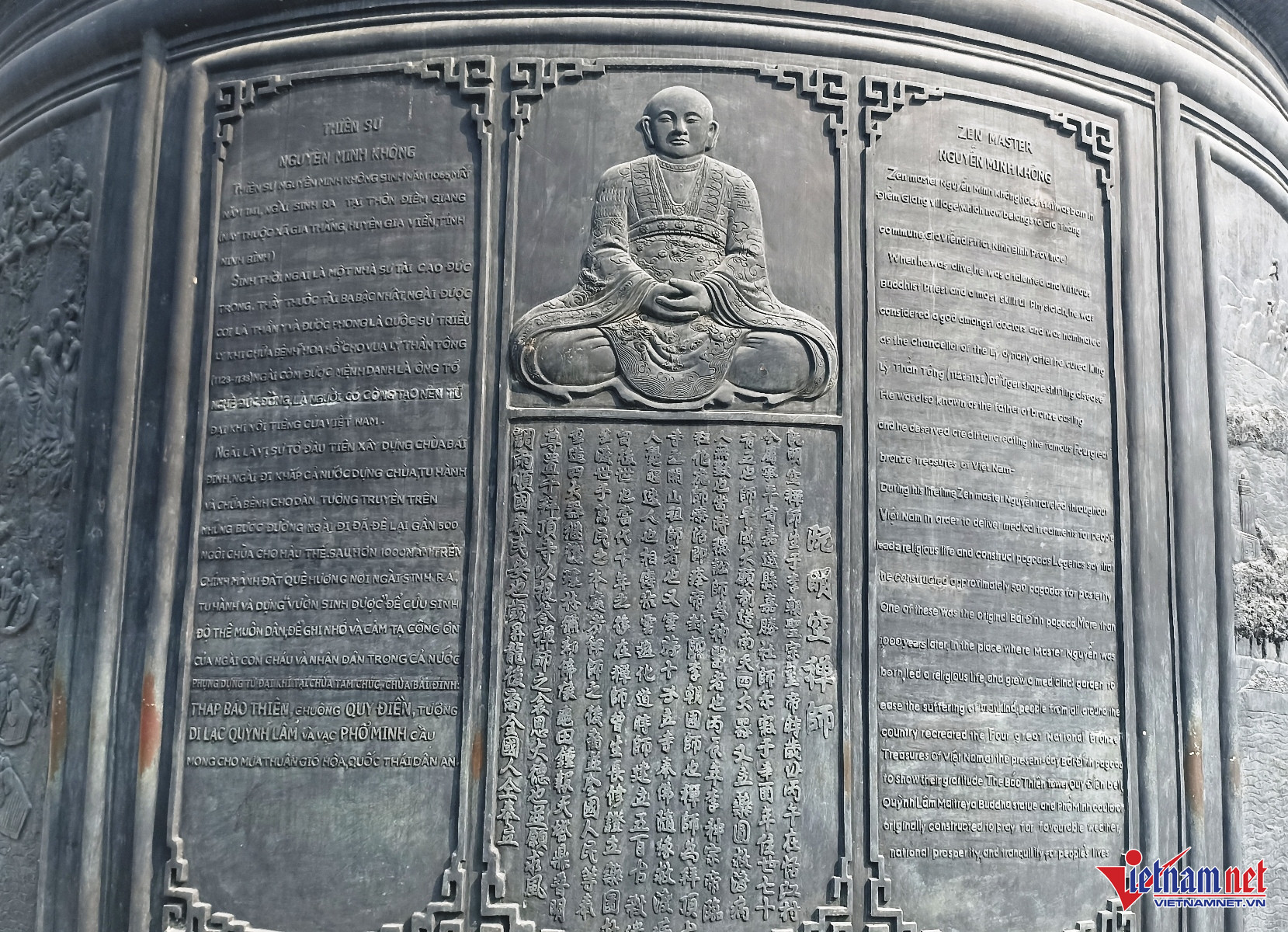
According to the site’s management board, the cauldron weighs 9.95 tons and stands 4.5 meters tall. It was created to honor Zen master Nguyen Minh Khong, a national monk during the Ly Dynasty, who is also regarded as the patriarch of both bronze casting and traditional medicine in Vietnam.
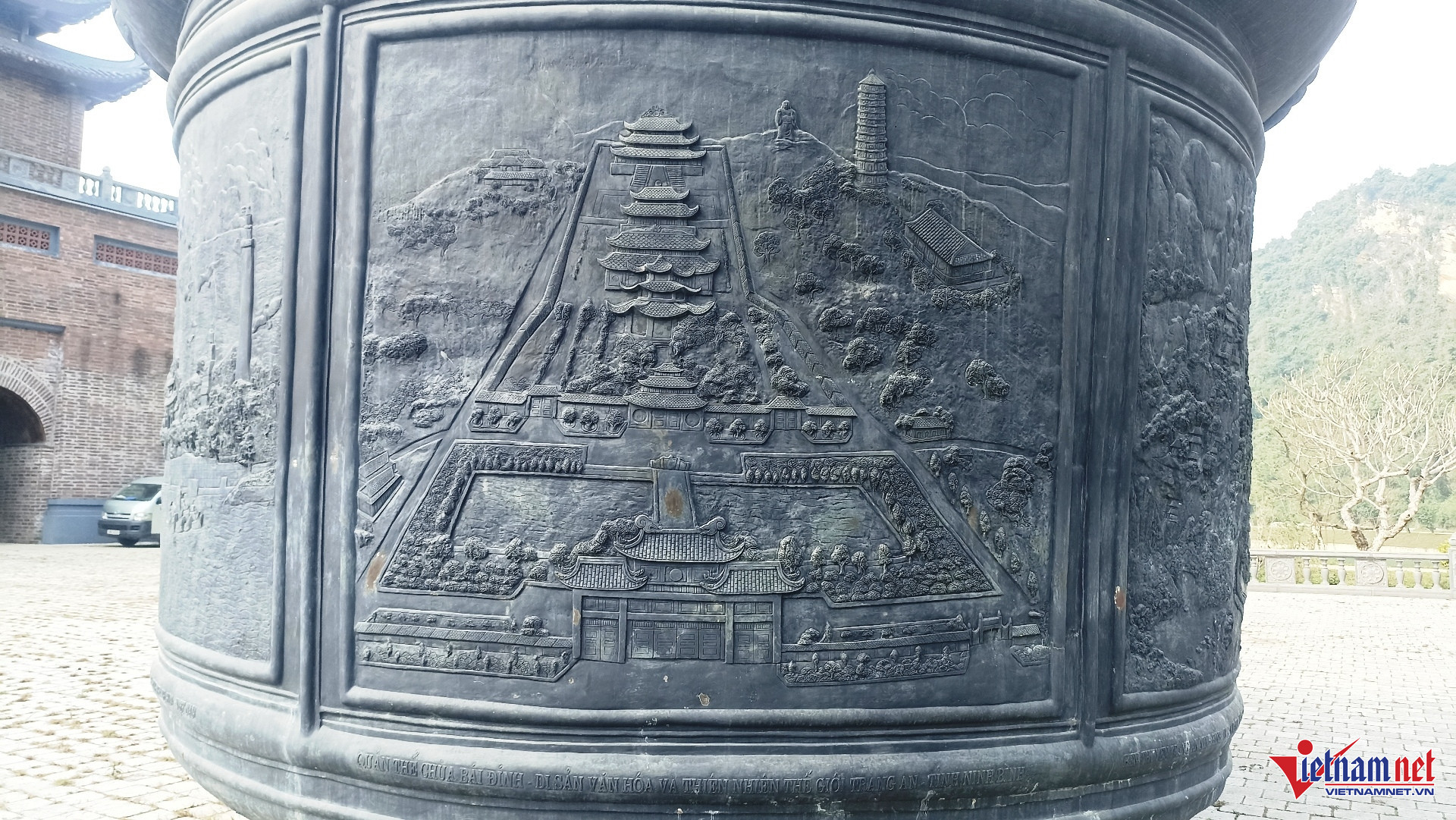
The main face of the cauldron is engraved with detailed depictions and inscriptions recounting the life and legacy of Nguyen Minh Khong in Vietnamese, English and Chinese. Born in this former imperial land, he was not only an enlightened monk but also credited with curing King Ly Than Tong of a mysterious illness, earning the title of National Master. He is also known for founding numerous pagodas across Vietnam.
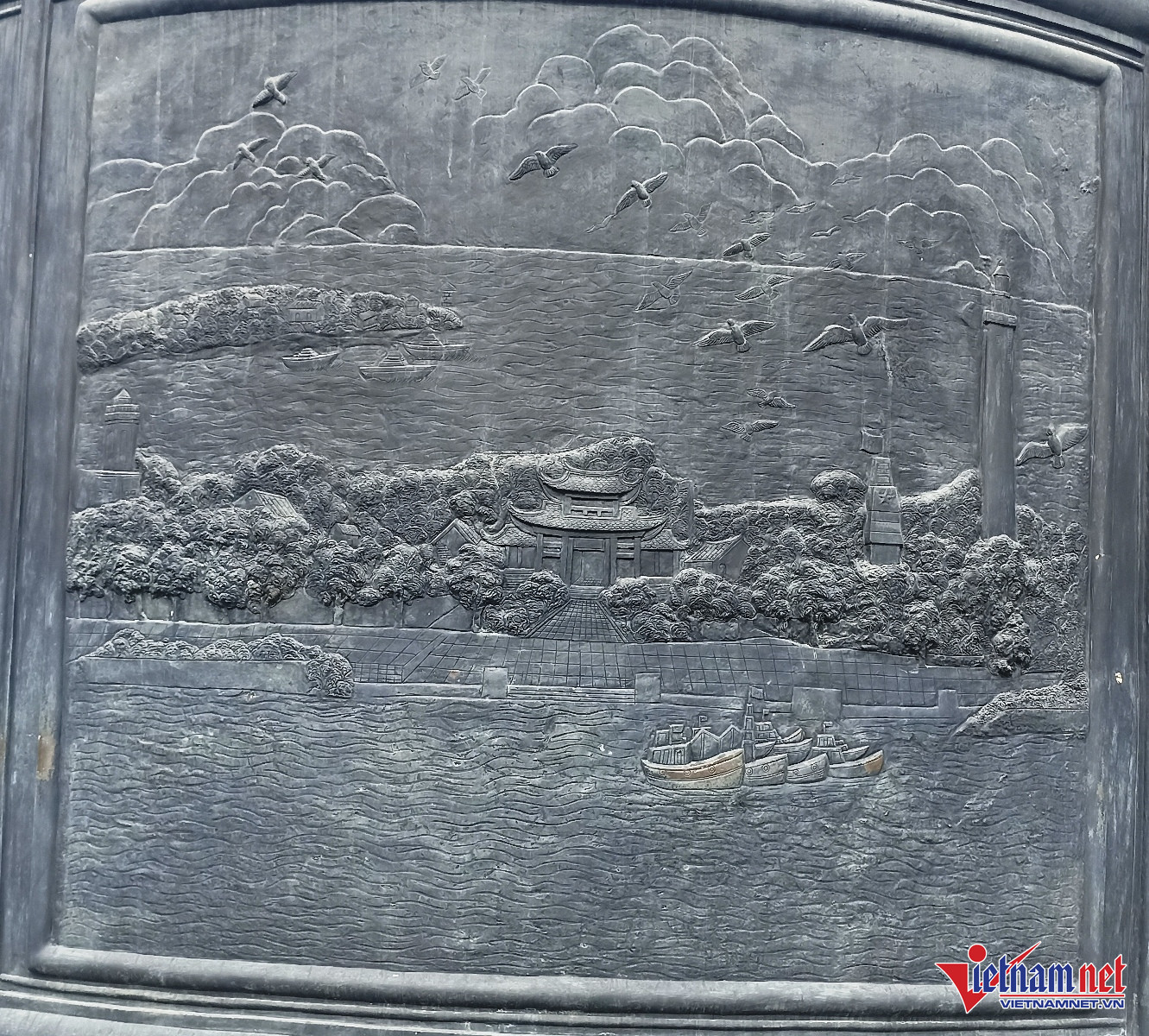
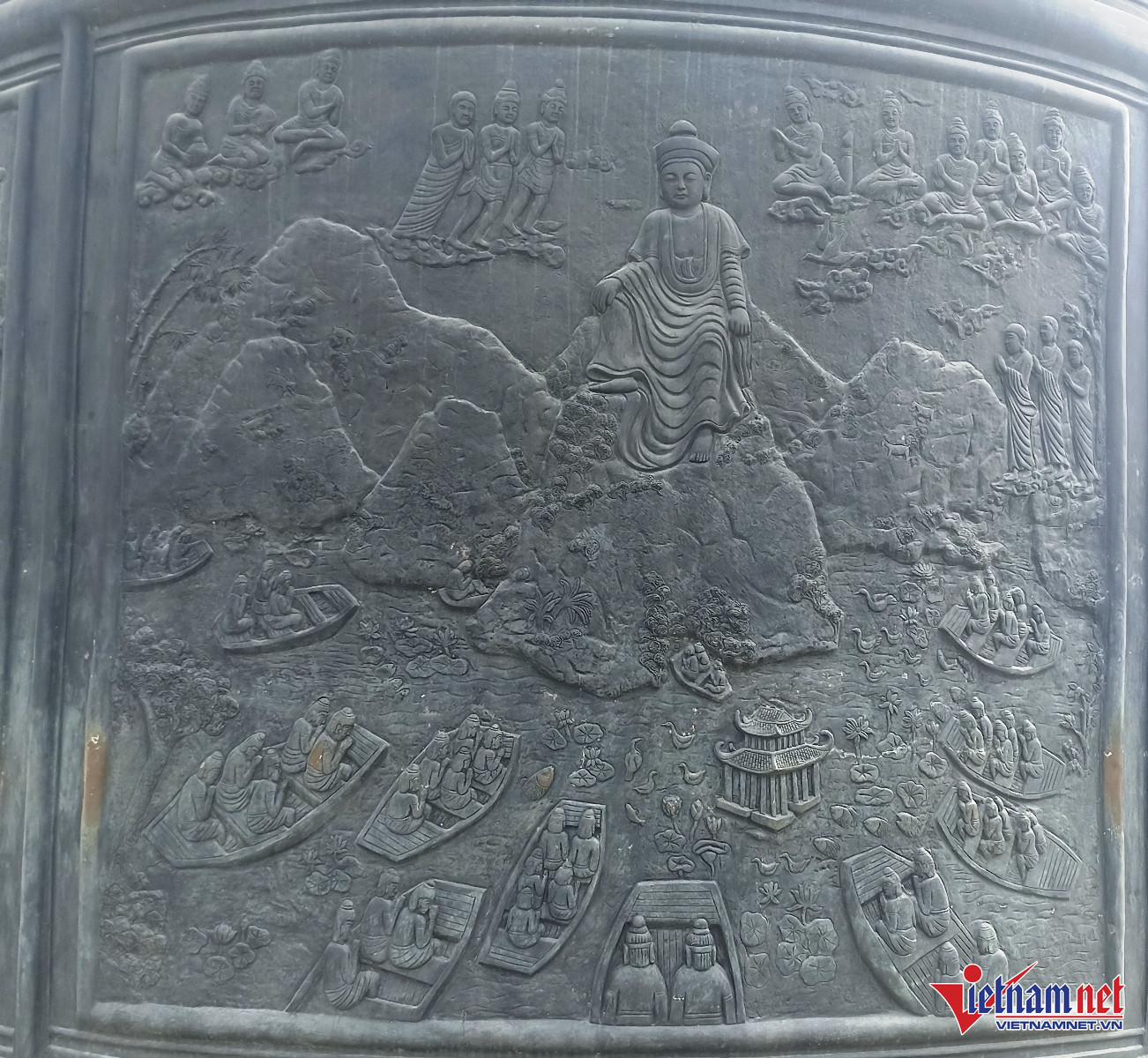
Other sides of the cauldron are adorned with images of the Buddha, living beings and the natural world. Vivid carvings also depict Vietnam’s landscapes and maritime sovereignty, including boundary markers, the national flag, homes, pagodas, fishing fleets, seabirds and lush vegetation.
The cauldron’s dimensions carry symbolic meaning. In Eastern culture, the number nine represents the heavens and eternity, while five signifies the center of the five elements, symbolizing humanity’s place in the universe. Together, the weight of 9.95 tons embodies the harmony of Heaven - Earth - Humanity.
According to the management board, “this cauldron was not cast to display power, but to express gratitude - gratitude to the sky for light, to the earth for life, to ancestors, and to National Master Minh Khong for refining both bronze and virtue.”
The cauldron was cast in 2019 by artisans from the bronze-casting village of Y Yen in Nam Dinh and initially placed at the Tam Chuc tourist complex. In 2025, it was relocated to Thung Ui.
It now rests atop the ancient Heaven’s Kitchen at Kinh Thien Altar, continuing to embody spiritual reverence, cultural identity and the enduring legacy of Vietnamese craftsmanship.
.svg)
