 Vietnamnet.vn

 Podcast



Nestled at Vietnam's northern frontier, Mau Temple is one of the country's most distinctive religious sites. Within its grounds stands National Border Marker No. 102, which marks part of the international boundary between Vietnam and China.
Dedicated to Princess Lieu Hanh, one of Vietnam's most revered spiritual figures, the temple has long served as a place where local residents pray for peace, prosperity and protection for the nation's borderlands.
Mau Temple forms part of the Thuong Temple historical complex, which honors Tran Quoc Tuan, the revered 13th-century military commander known as Hung Dao Dai Vuong, celebrated for leading Vietnam's resistance against Mongol invasions.
Together, the two temples are regarded not only as important spiritual destinations but also as symbols of Vietnam's history and sovereignty along its northern frontier.
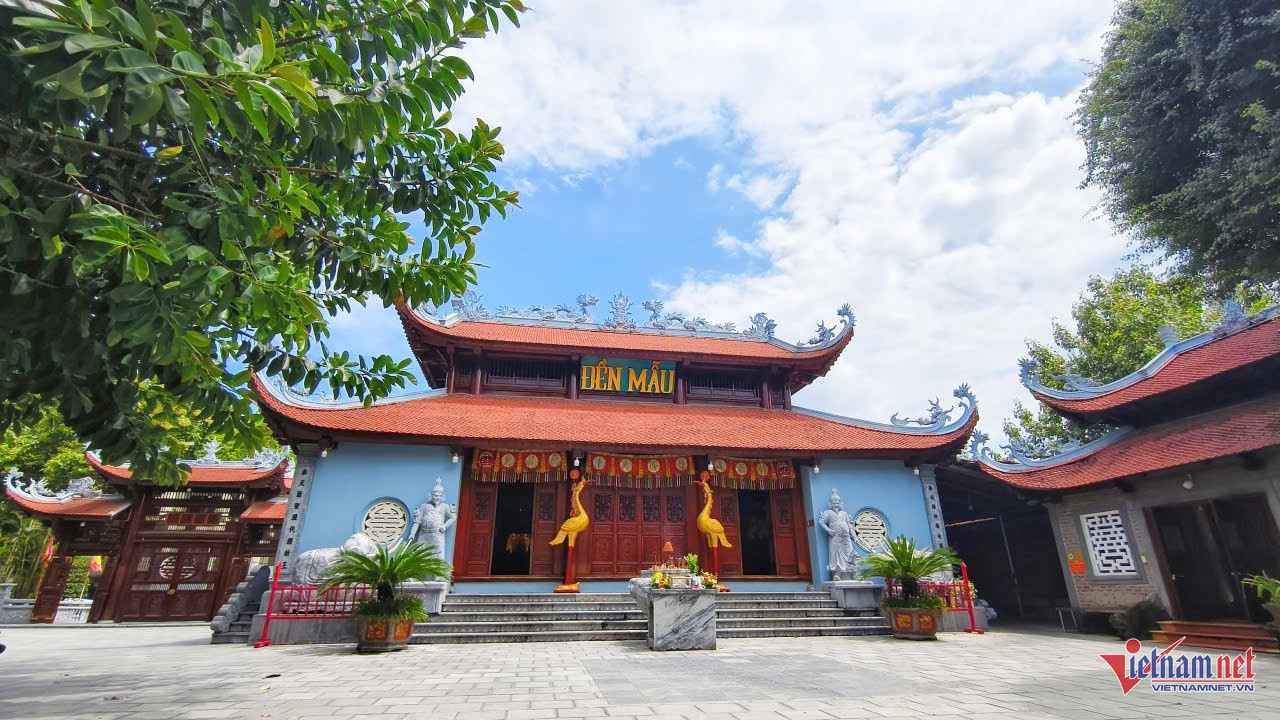
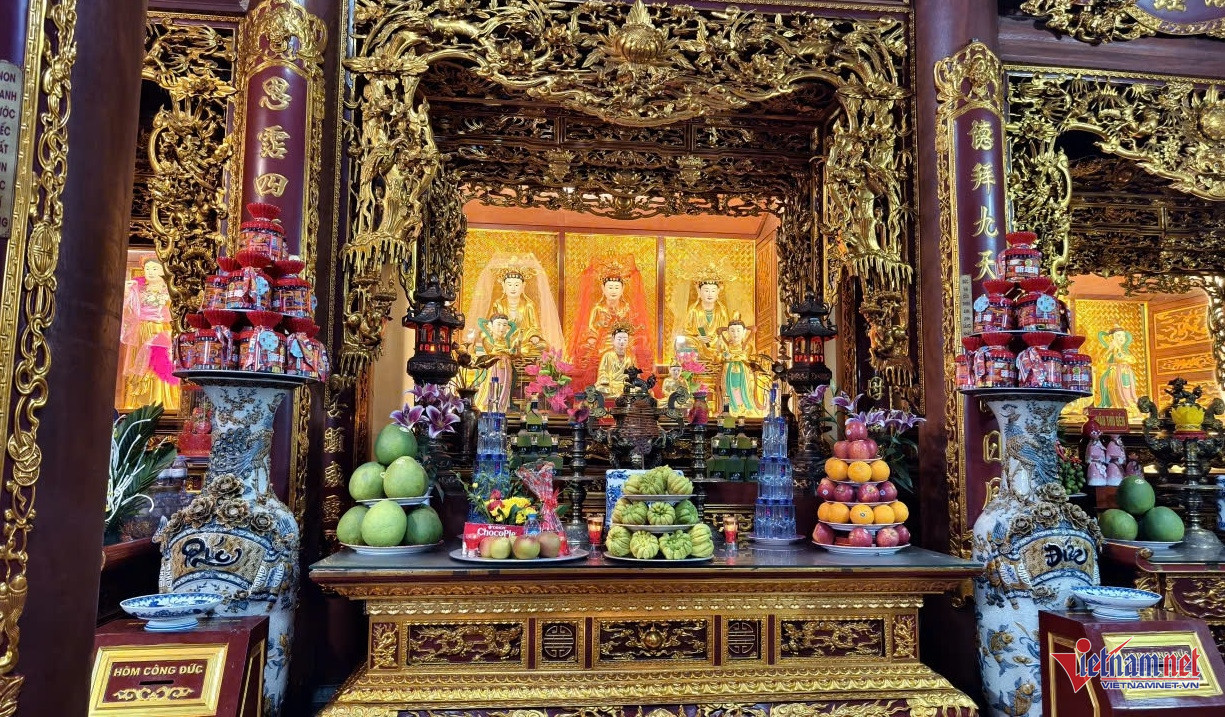
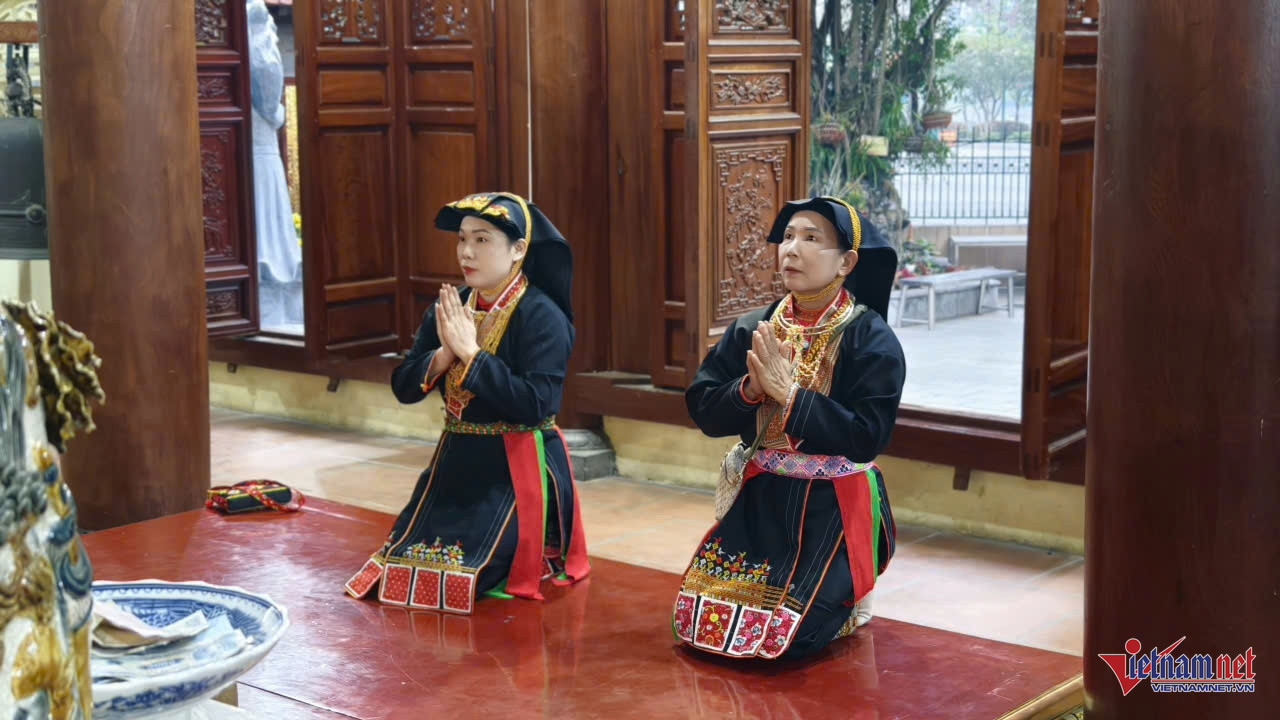
Recognized as a National Historical and Cultural Relic in 2011, the temple occupies a prominent location where the Nam Thi River meets the Red River, often described as the cradle of Vietnamese civilization.
Its close proximity to the Lao Cai International Border Gate further underscores its strategic and symbolic importance.
Rebuilt while preserving traditional architecture
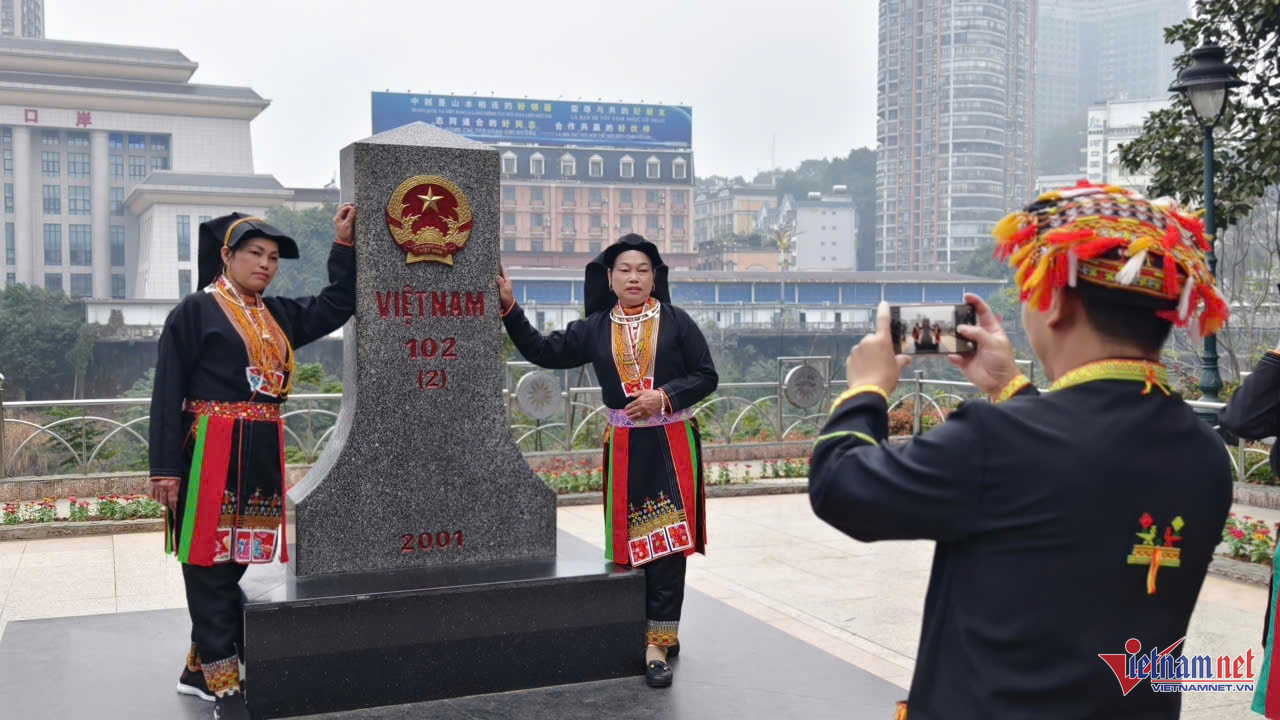
The temple seen today is the result of a major restoration completed in 2020 on its original site, covering nearly 2,000 square meters.
Designed in the traditional "Nhi" (二) architectural style, the complex features two parallel halls beneath double-tiered roofs symbolizing harmony between yin and yang.
The gracefully curved roof corners are adorned with intricately carved dragons, while two kneeling stone elephants guard the courtyard, representing both strength and faithful service to the sacred.
Every year, Mau Temple hosts two major festivals based on the lunar calendar.
The first, on the 27th day of the second lunar month, commemorates the temple's patron deity and draws worshippers praying for peace, favorable weather and abundant harvests.
The second, on the third day of the third lunar month, marks the ascension of Princess Lieu Hanh back to the heavenly realm.
A temple steeped in history
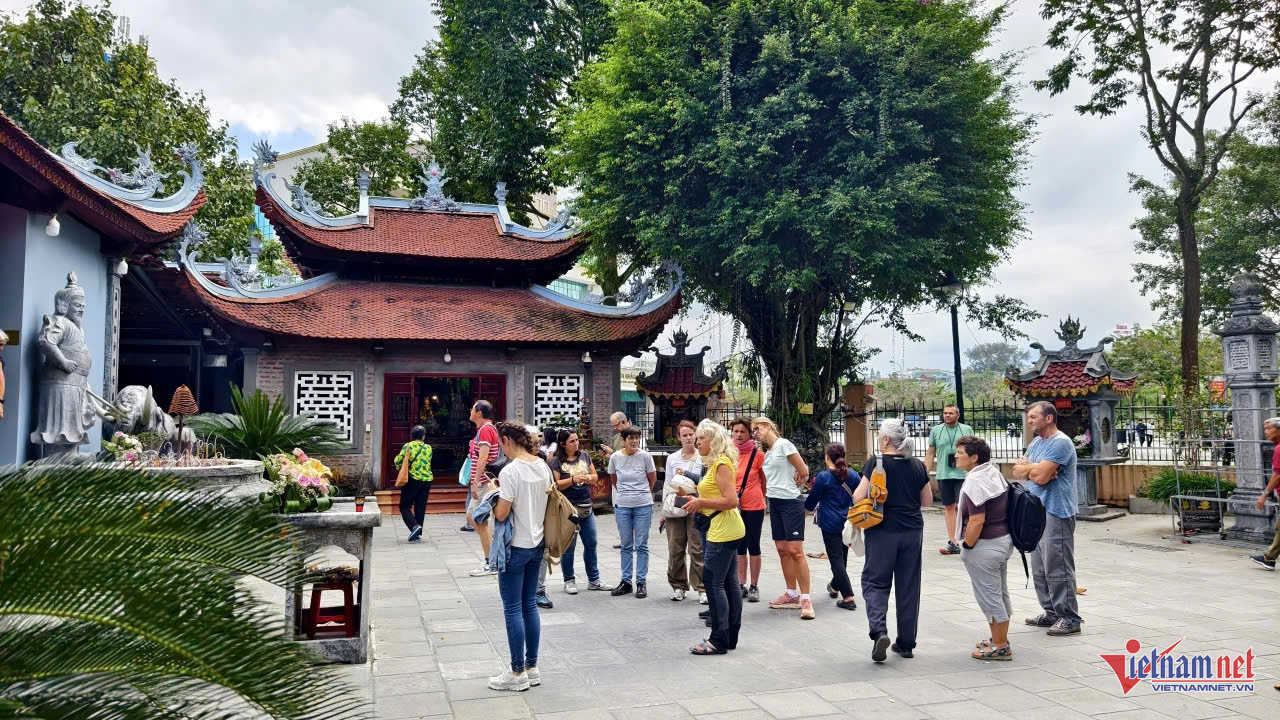
According to Ngo Ngoc Ha, head of the Lao Cai Ward Heritage Management Board, local folklore says Princess Lieu Hanh frequently appeared at the ancient Le Hoa frontier gate - today's Lao Cai border crossing - during her second earthly incarnation.
Legend says she disguised herself as a humble food vendor along the Nam Thi River, helping weary travelers, supporting local communities and protecting soldiers stationed along the frontier.
To honor her compassion, local residents built a small shrine on the riverbank.
Repeated flooding later forced the shrine to be relocated to higher ground, where today's temple now stands.
Behind the temple, visitors can still see remnants of the moss-covered Luu Vinh Phuc Citadel Wall, an important historical relic.
Historical records indicate that during the late 19th century, Lao Cai was a strategically important frontier frequently threatened by bandits and French colonial forces.
Luu Vinh Phuc, leader of the Black Flag Army, was stationed in the area for 17 years between 1868 and 1885, defending the frontier against both French troops and armed bandits.
The Nguyen Dynasty later appointed him Defender of Bao Thang in recognition of his military service.
Constructed from lime, stone and sugarcane molasses, the fortified wall once protected military installations while helping monitor trade routes passing through the border crossing.
The temple's location against the ancient defensive wall creates a rare combination of spiritual belief and historical memory - where the invisible protection of the Holy Mother is paired with the tangible defenses built by earlier generations.
Preserving centuries of heritage
Mau Temple also preserves three imperial royal decrees written in classical Chinese script.
Issued during the Nguyen Dynasty in 1853, 1880 and 1924, the documents remain among the site's most valuable historical artifacts.
Today, Mau Temple and Thuong Temple together form one of Lao Cai Province's best-known spiritual and cultural destinations, attracting tens of thousands of pilgrims and visitors every year.
For travelers exploring Vietnam's northern borderlands, the complex offers an opportunity to experience not only centuries of religious tradition but also a place where history, culture and national sovereignty converge.
Trong Bao
.svg)
