 Vietnamnet.vn

 Podcast



Thien Luong
Phuc Trach has long been known as a land rich in mountain specialties. In addition to its famous pomelo orchards, the commune is also home to a unique craft closely tied to local livelihoods - cutting open Aquilaria trees to search for agarwood.
From the forests of Aquilaria trees, a resource often called “forest gold” has brought significant income and helped improve living standards for many households.
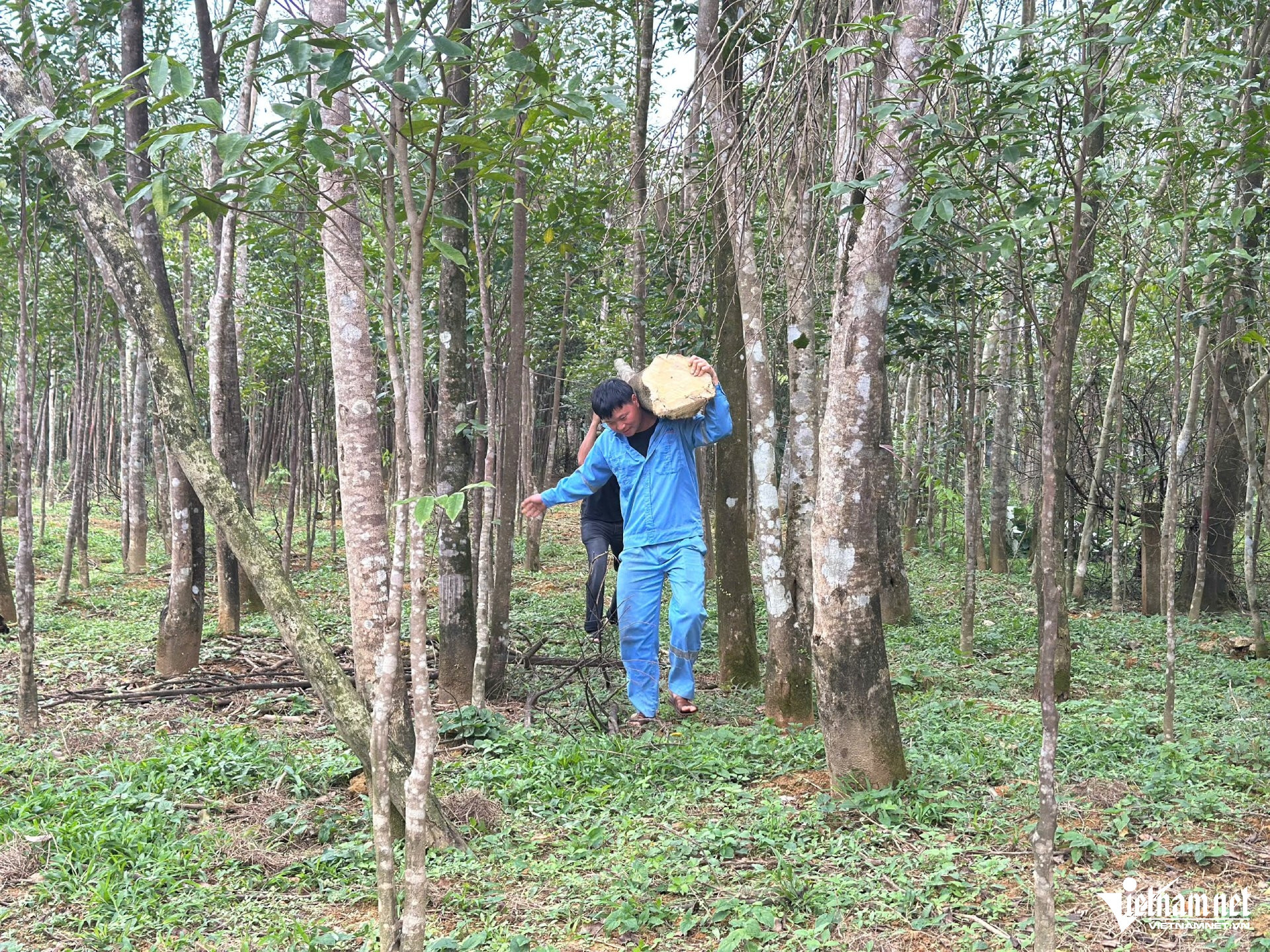
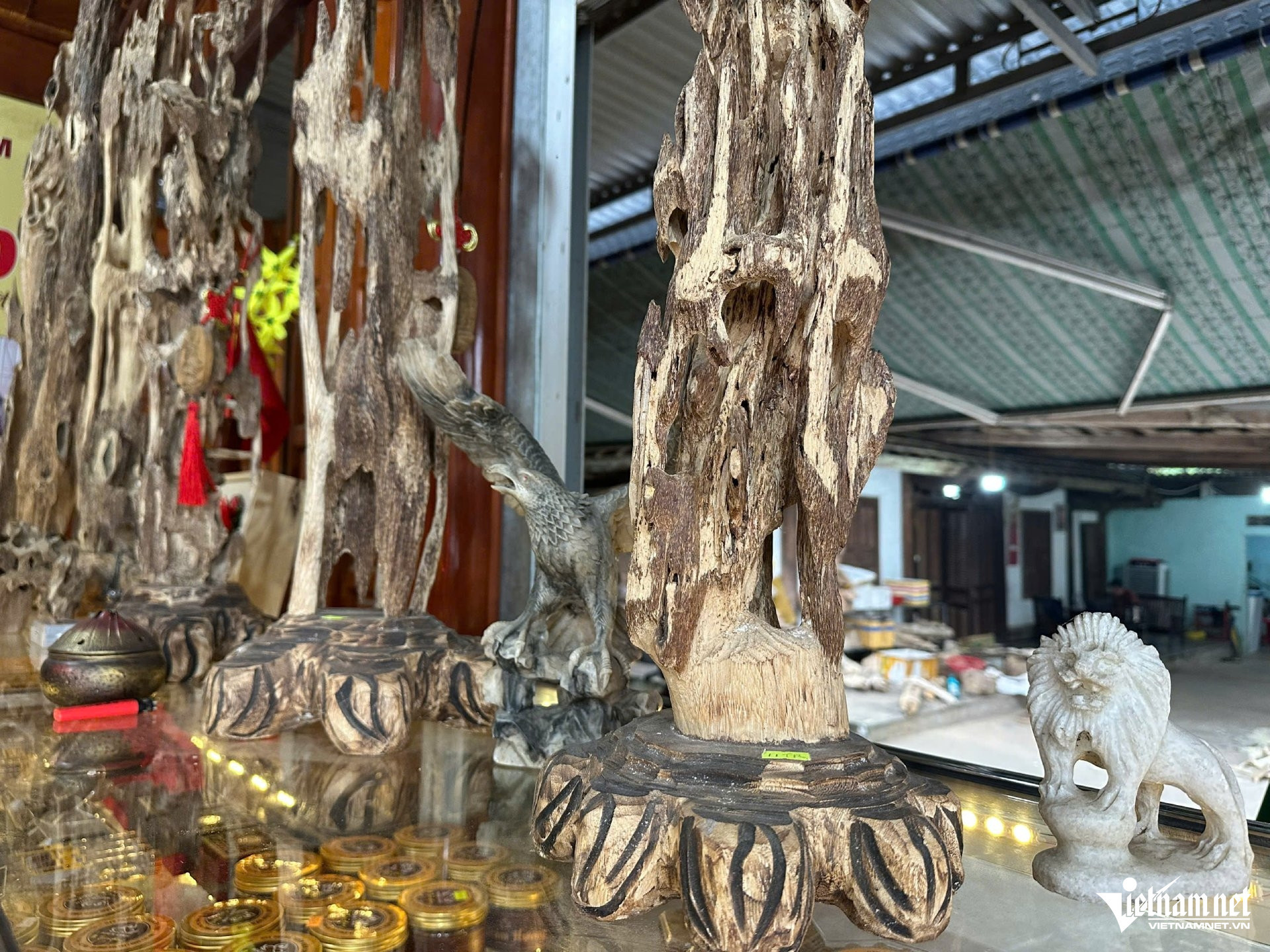
Local residents say agarwood forms inside Aquilaria trees when the trunk is damaged by insects, storms or external impacts. In response, the tree produces resin that gradually accumulates over many years, creating a dark, dense and fragrant wood - the precious substance known as agarwood.
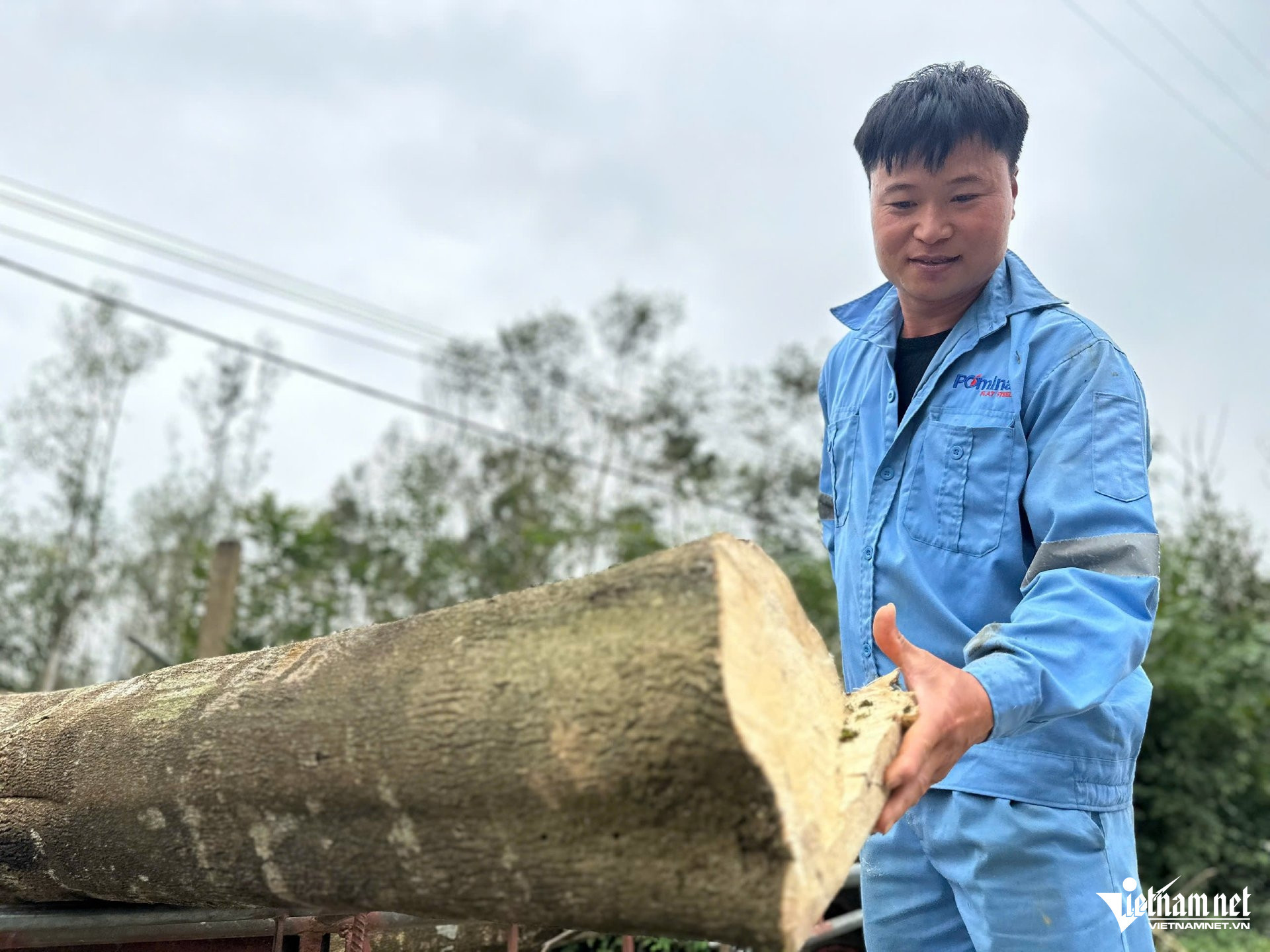
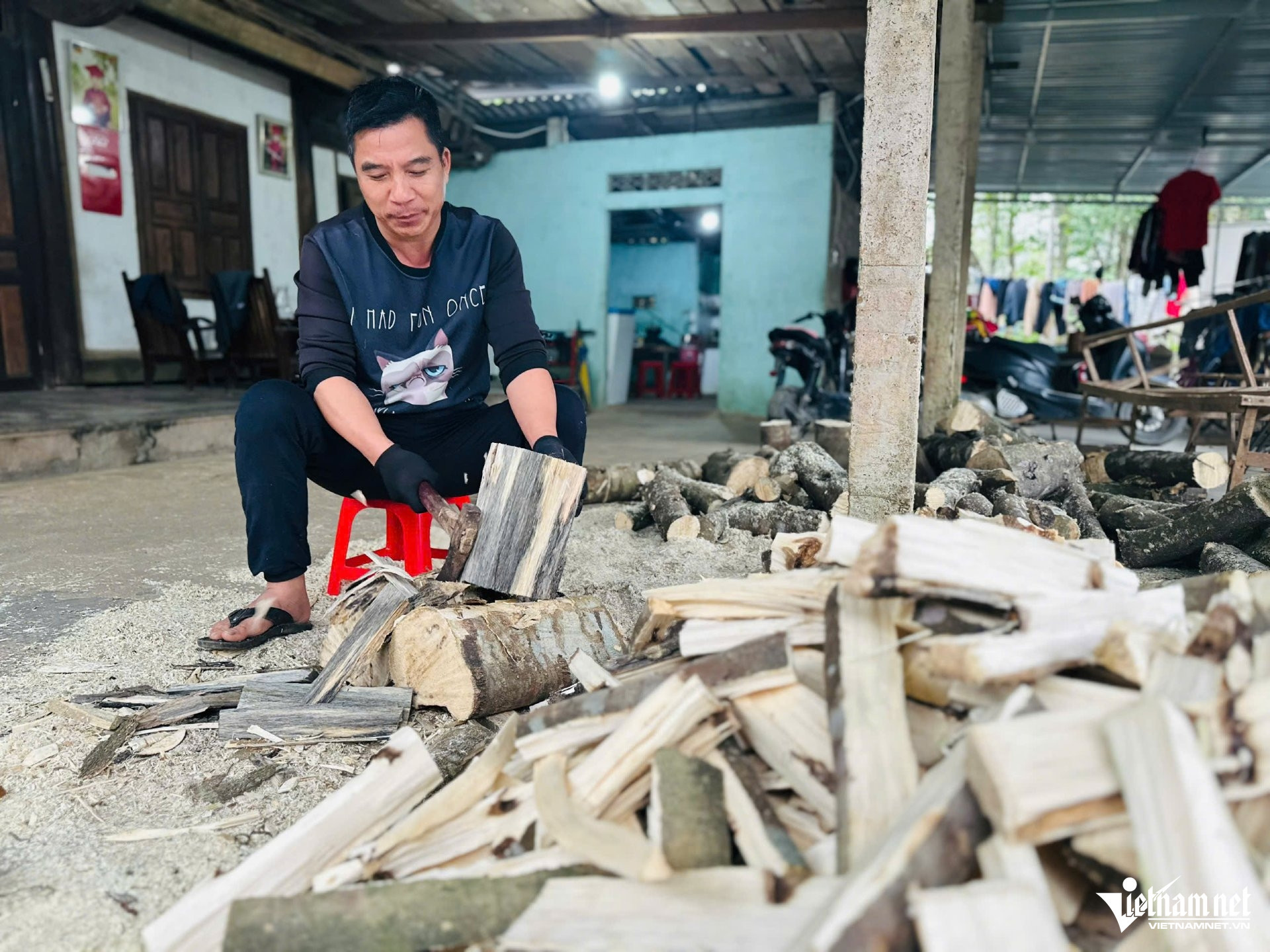
This valuable wood is usually hidden deep inside the trunk, so craftsmen must use axes, knives or saws to carve away layers of wood to reach the agarwood core.
For experienced workers, identifying trees likely to contain agarwood is not too difficult. They examine the color of the bark, the shape of the trunk, natural scars or wounds on the tree and sometimes even knock on the trunk to listen to the sound it produces.
When promising signs appear, they begin gradually carving into the trunk to locate the agarwood core.
Residents say that besides experience, luck also plays an important role in the search for agarwood inside tree trunks.
Pham Anh Tuan, a resident of Huong Khe, said that in his early days in the trade of “searching for gold in tree trunks,” income depended almost entirely on chance.
However, with experience accumulated over time, craftsmen can somewhat predict the likelihood of agarwood inside Aquilaria trees before deciding whether to purchase them for extraction.
According to Tuan, because agarwood lies deep within the trunk, it is very difficult to determine the quantity before carving into the wood. As a result, the profession of hunting for agarwood or buying Aquilaria trees to search for it always carries financial risks.
Even so, experienced workers can partly identify promising trees by observing the wood’s shape, color or fragrance.
“Sometimes when we carve into a tree and find high-quality agarwood with a rich fragrance and strong durability, profits can reach hundreds of millions of dong, even billions,” Tuan said.
“But there are also cases where we carve all day and find nothing, meaning the money spent to buy the tree is completely lost.”
According to him, this element of chance means that not everyone can remain in the profession for long.
“A single tree can bring billion-dong profits, but it can also result in losses of hundreds of millions of dong,” he added.
Nguyen Tien Minh, 38, a resident of Phuc Trach commune, said the agarwood trade is becoming an important economic path for many local households.
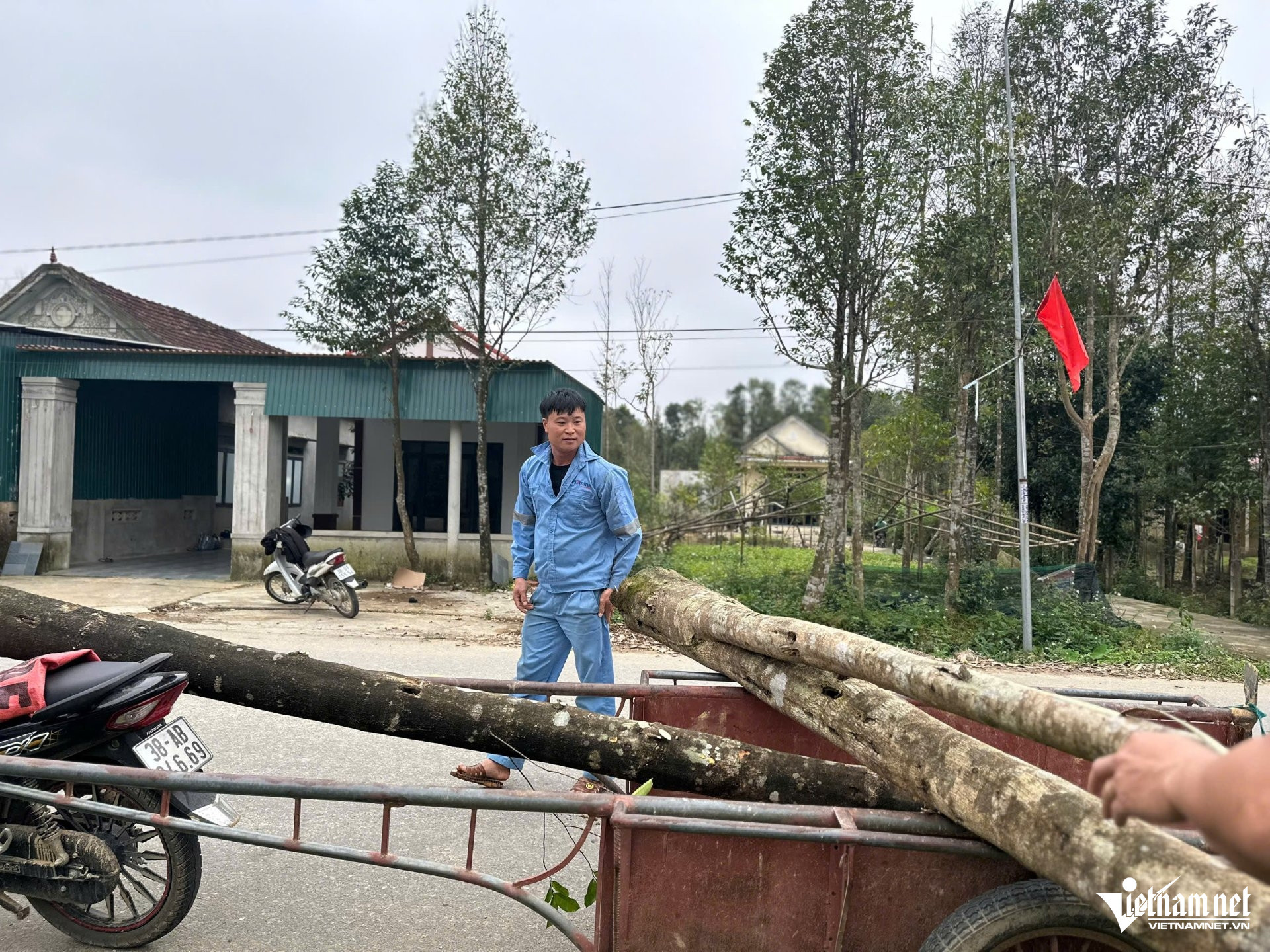
Many families cultivate hundreds or even thousands of Aquilaria trees on garden and hillside land. After a period of growth, the trees are drilled or intentionally wounded to stimulate agarwood formation before harvesting begins.
“I usually buy Aquilaria trees that are around 20 years old. After purchasing them, I hire workers to carve the trunks to find agarwood,” Minh said.
“In this trade, besides experience, luck also plays a role. If a tree contains a large amount of agarwood, its economic value can be extremely high. Each year, revenue from this business brings my family about VND30 billion (US$1.23 million).”
Beyond those who buy Aquilaria trees to search for agarwood, many households in Phuc Trach now run businesses and processing workshops producing agarwood products that generate hundreds of billions of dong in annual revenue.
Bui Thuc Chinh, 45, also from Phuc Trach, said his family produces incense sticks, cone incense and other products made from agarwood.
“Especially during the Lunar New Year season, our workshop sells nearly 60,000 incense sticks and about 1,000 boxes of cone incense along with other products,” Chinh said.
“After the Tet season alone, revenue from agarwood products reaches VND500 million to VND600 million (US$20,500–US$24,600), accounting for nearly two-thirds of our annual income.”
According to leaders of the Phuc Trach People’s Committee, what was once a craft closely tied to the uncertainties of the forest is gradually becoming an effective economic development direction for the commune.
The “golden pieces” hidden inside Aquilaria tree trunks not only bring significant economic value but also open new paths to prosperity for many local residents.
Local authorities added that Aquilaria trees and agarwood products have now become key products of the commune. The area currently has about 1,000 hectares dedicated to the crop, generating annual revenue of more than VND200 billion (US$8.2 million).
.svg)
