 Vietnamnet.vn

 Podcast



The proposal was presented to lawmakers on August 5 by Minister of Home Affairs Nguyen Tien Hai, acting on behalf of the Prime Minister.
Two economic powerhouses
According to the government, both provinces have emerged as major contributors to Vietnam's economy and play increasingly important roles in the Red River Delta and northern economic region.
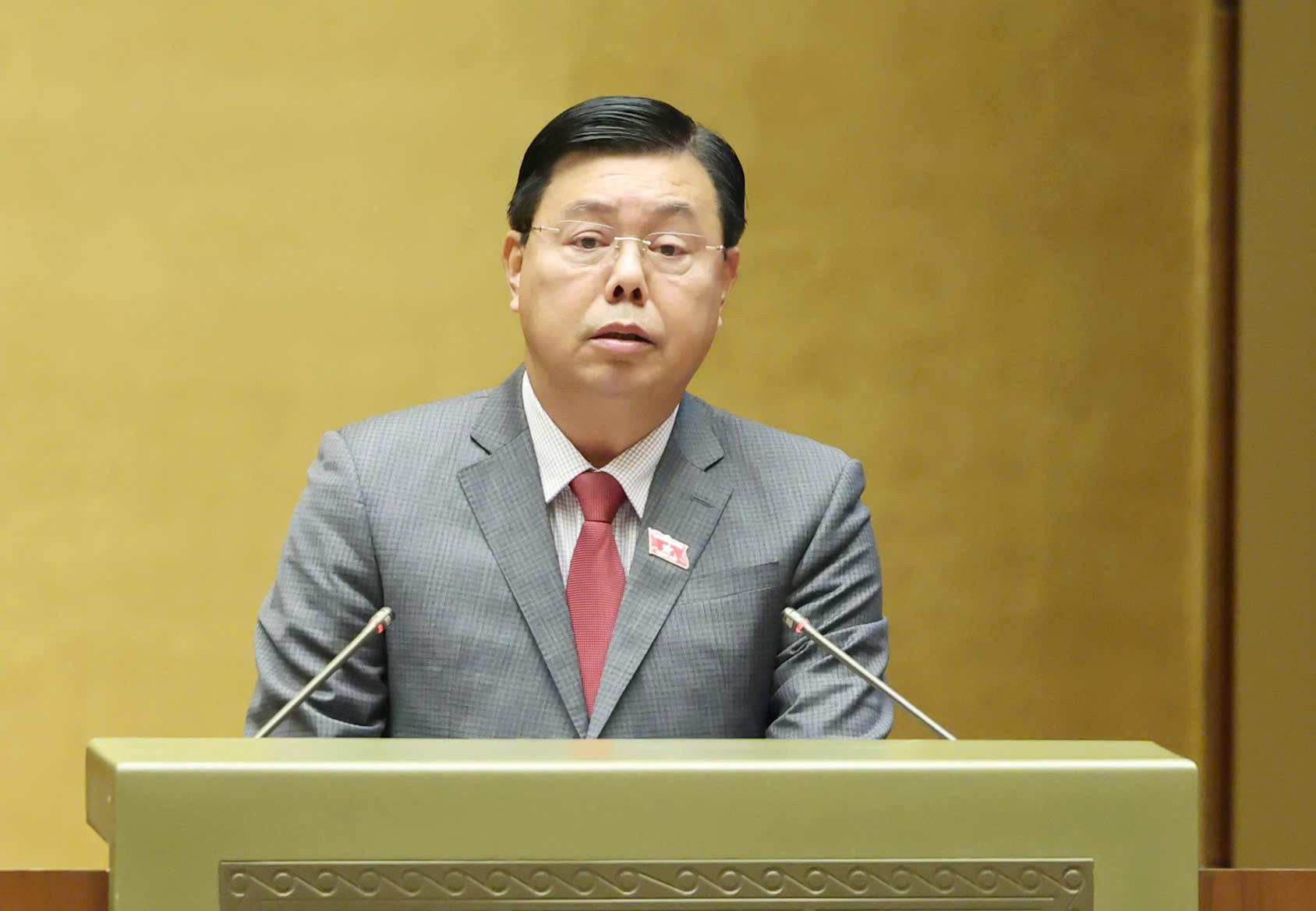
Quang Ninh: The government highlighted Quang Ninh's strategic position as Vietnam's only province sharing both land and maritime borders with China, making it a key gateway for cross-border trade through the Mong Cai International Border Gate.
The province also has an integrated transport network that includes highways, an international airport and seaports.
In 2025, Quang Ninh accounted for 2.87% of Vietnam's gross regional domestic product (GRDP) and contributed 4.1% of national economic growth. It is home to 247 foreign direct investment (FDI) projects with total registered capital of US$17.05 billion.
The government said Quang Ninh is developing into a modern marine economy, an internationally competitive tourism destination and a green, smart city with strengths in logistics, manufacturing and digital infrastructure.
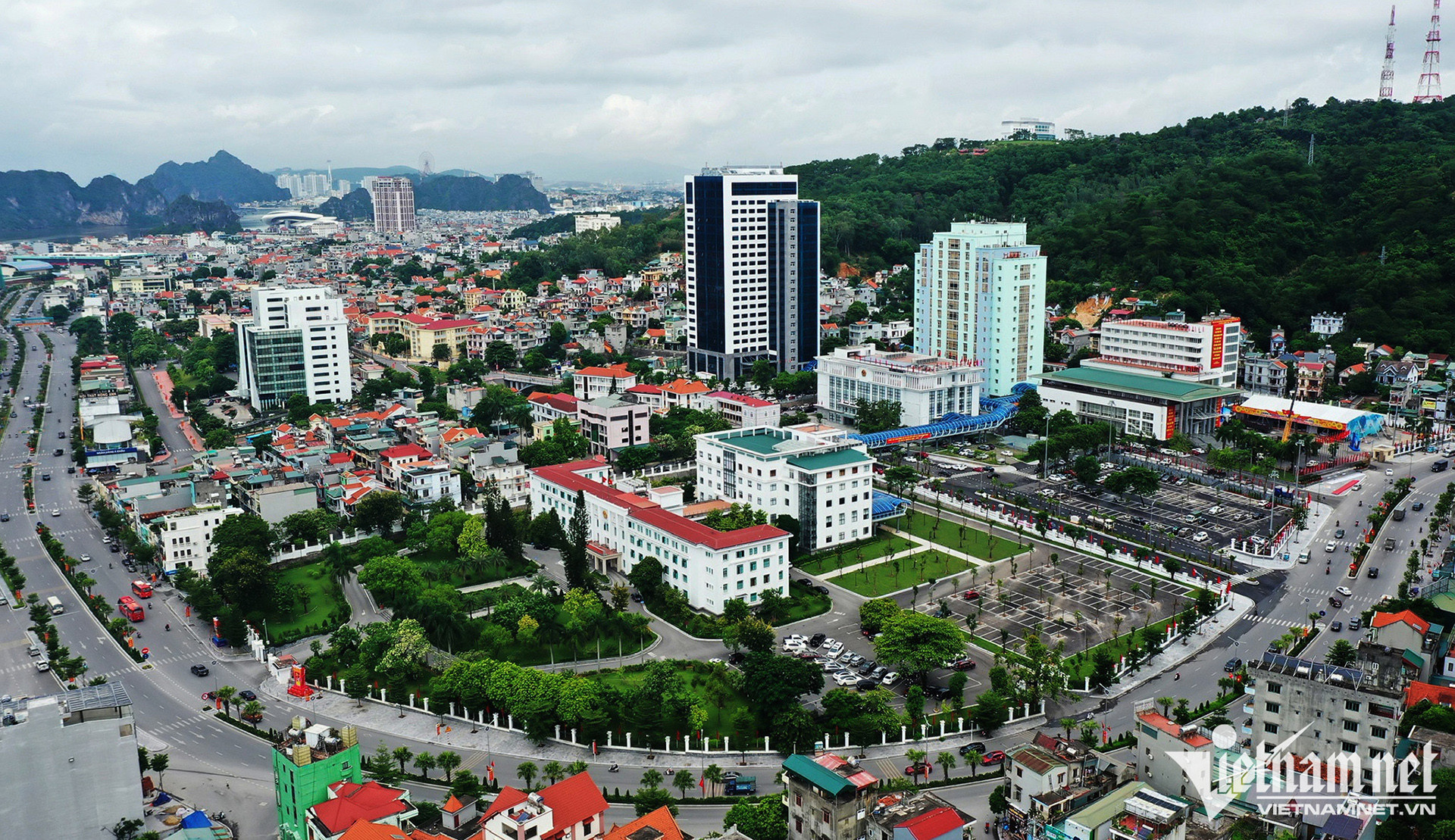
Bac Ninh: Located northeast of Hanoi, Bac Ninh occupies a strategic position along an economic corridor linking ASEAN with China.
The province is continuing to develop a multimodal transport system integrating road, rail, inland waterways and air transport.
In 2025, Bac Ninh ranked fifth nationwide by economic size, accounting for 4.1% of national GDP. The province recorded 10.27% economic growth, contributing 5.34% to Vietnam's overall economic expansion.
Bac Ninh also reported state budget revenue of more than VND123.6 trillion (US$4.7 billion) and hosted more than 3,660 active FDI projects with combined registered capital exceeding US$52 billion, the second-highest total nationwide.
The province is also known for its rich cultural heritage, including eight UNESCO-recognized heritage elements, providing a foundation for development that balances modernization with traditional identity.
Administrative structure to remain largely unchanged
Under the proposal, the new Quang Ninh City would retain the province's current administrative boundaries, covering 6,231.27 square kilometers with a population of 1.52 million.
It would comprise 54 commune-level administrative units, including 30 wards, 22 communes and two special administrative zones.
The proposed Bac Ninh City would also be established using the province's existing boundaries, with an area of 4,713.75 square kilometers, a population of 3.99 million, and 99 commune-level administrative units, including 45 wards and 54 communes.
The government said existing political and administrative organizations in both provinces would largely remain in place initially, while agencies would later be reorganized in accordance with regulations governing urban administrations.
Civil servants and public employees would also remain in their current positions during the initial transition before personnel are reassigned under the new governance model.
National Assembly committee backs proposal
Presenting the National Assembly's review, Phan Chi Hieu, Chairman of the Committee for Legal and Judicial Affairs, expressed support for establishing both centrally governed cities.
He noted that the proposal had already received policy approval from the Communist Party of Vietnam's Central Committee and Politburo.
The committee recommended that the government instruct authorities in Quang Ninh and Bac Ninh to quickly prepare for the transition by reorganizing government agencies, replacing official seals and completing other administrative procedures to ensure the new urban governments can begin operating immediately after parliamentary approval.
Lawmakers also urged both local governments to focus resources on strengthening their roles as national economic growth poles while continuing to improve public services and residents' quality of life.
If approved, Quang Ninh and Bac Ninh would become Vietnam's eighth and ninth centrally governed cities, joining Hanoi, Ho Chi Minh City, Hai Phong, Da Nang, Can Tho, Hue and Dong Nai.
Tran Thuong
.svg)
