 Vietnamnet.vn

 Podcast



Thuy Hong
This custom is not only distinctive but also rich in humanistic values, reflecting deep-rooted views on marriage, family, and community bonds.
A story that begins at the loom
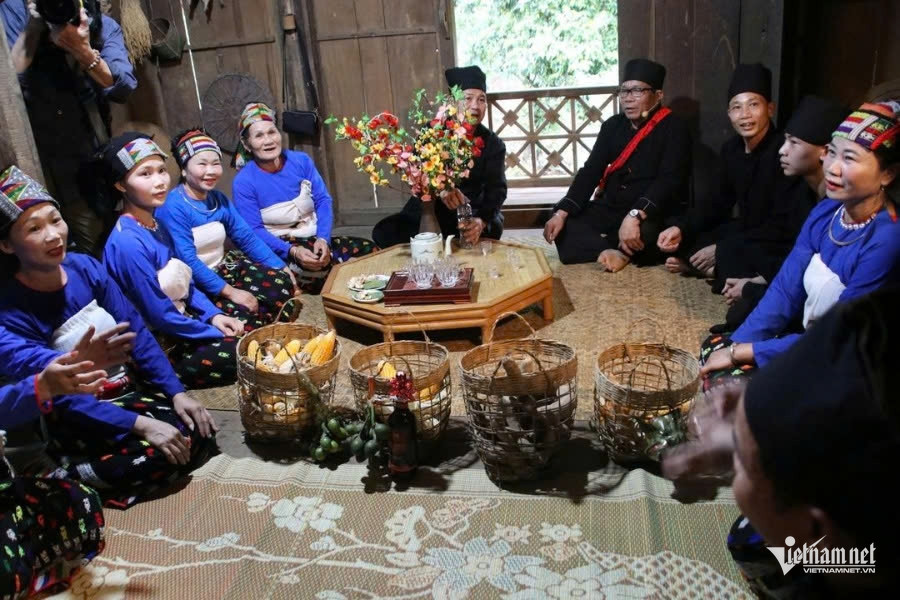
A recreated two-wedding ceremony of the Thai people in Thanh Hoa draws visitors at the Vietnam National Village for Ethnic Culture and Tourism.
The mountainous western region of Thanh Hoa has long been home to several ethnic groups, including Muong, Thai, Mong, Kho Mu, Tho, and Dao. Among them, the Thai are the second largest population. Across generations, they have preserved many unique customs, most notably the two-wedding tradition, which embodies a philosophy that values labor, responsibility, and the connection between families.
From a young age, Thai girls grow up in stilt houses, learning to spin and weave as early as six or seven. For them, each piece of fabric is not just clothing, but a reflection of skill and diligence. A familiar saying goes: “Girls who can weave, boys who can fish and shoot crossbows.” A girl skilled in weaving often captures the admiration of many young men.
Instead of roses or expensive gifts, young men bring flutes and traditional instruments to their beloved’s home each night. In the quiet of the mountains, these melodies become heartfelt confessions of love.
By the firelight, they exchange verses through khap singing - a unique “language of love” among the Thai. Simple yet deeply emotional lines echo through the night: “Who is this cloth woven for? Or is it for the day you marry...”
Love grows gently but deeply. Yet love alone is not enough. When a couple has truly chosen each other, the groom’s family brings offerings to ask for marriage. However, the bride is not taken home immediately. Instead, the groom must live with her family for three years.
This period serves both as a test of the man’s character and as an expression of gratitude to the family who raised the woman he loves.
Three years as a son-in-law - a test of a man
After the first wedding ceremony, the groom begins his life as a son-in-law. Days spent farming, gathering firewood, and caring for crops become proof of his maturity before starting his own family.
Meanwhile, the bride diligently weaves fabrics in preparation for her future life. Clothing for her parents-in-law, traditional scarves for relatives, and brocade blankets are all made by her own hands. Each item carries her devotion, skill, and sense of responsibility as a future daughter-in-law.
According to shaman Dinh Xuan Nguyen from Xuan Du commune, once the three-year period ends, the second wedding officially begins. This ceremony is rich in cultural meaning, reflecting the Thai people’s perspective on marriage, family, and community.
By tradition, after the first wedding, the groom does not take the bride home but stays with her family for a period of time. This serves as both a test and a gesture of gratitude.
When the bride finally arrives at her husband’s home, she undergoes a ritual of foot washing with cool water - symbolizing the cleansing of the past and the beginning of a new life. Before the ancestral altar, the couple is formally united and given sacred bracelets as blessings for a long and happy marriage.
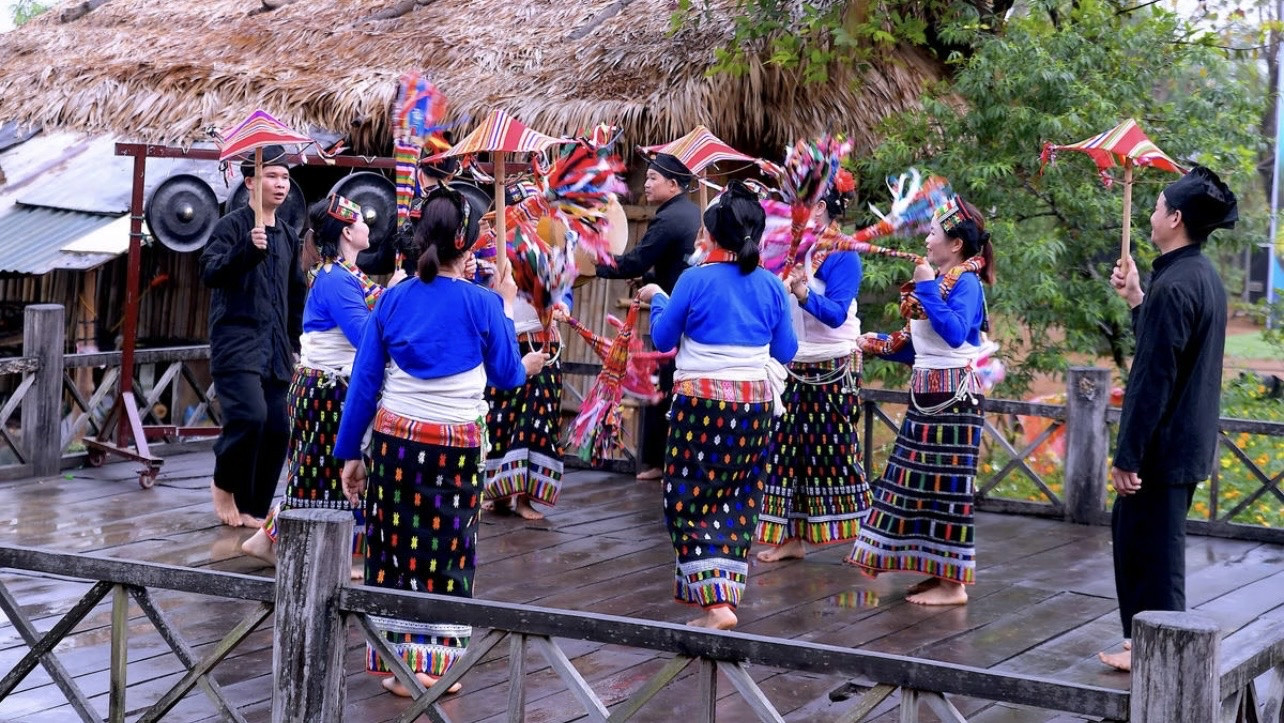
Once the rituals are complete, drums and gongs resound. Relatives and villagers join in dances and songs to celebrate the couple’s happiness.
Today, despite the pace of modern life, the two-wedding tradition is still preserved by the Thai community in Thanh Hoa as a living cultural heritage. It not only safeguards ethnic identity but also serves as a reminder of enduring values: love tied to responsibility, marriage rooted in labor, and happiness built through shared effort within the community.
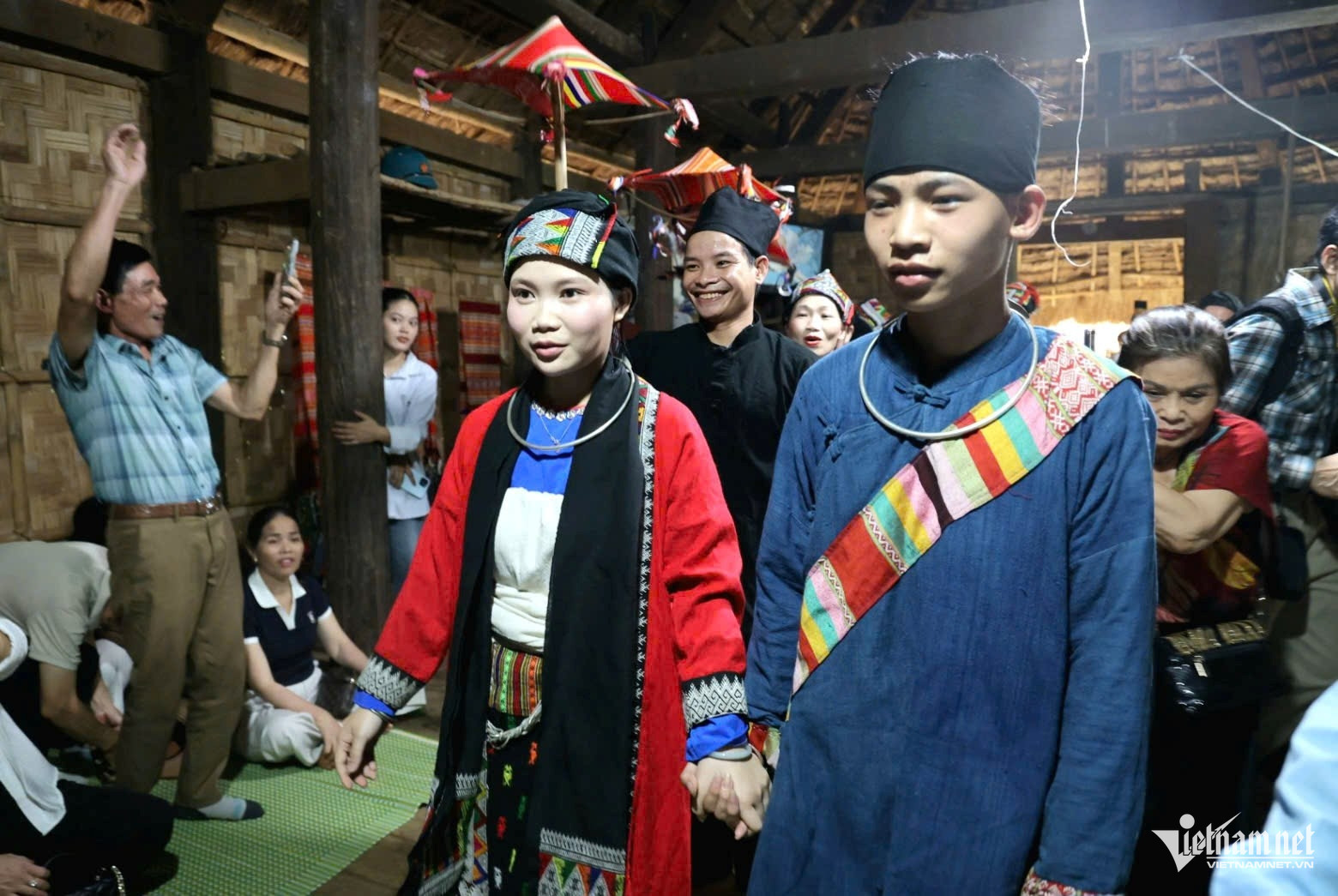
The bride and groom wear traditional attire on their wedding day.
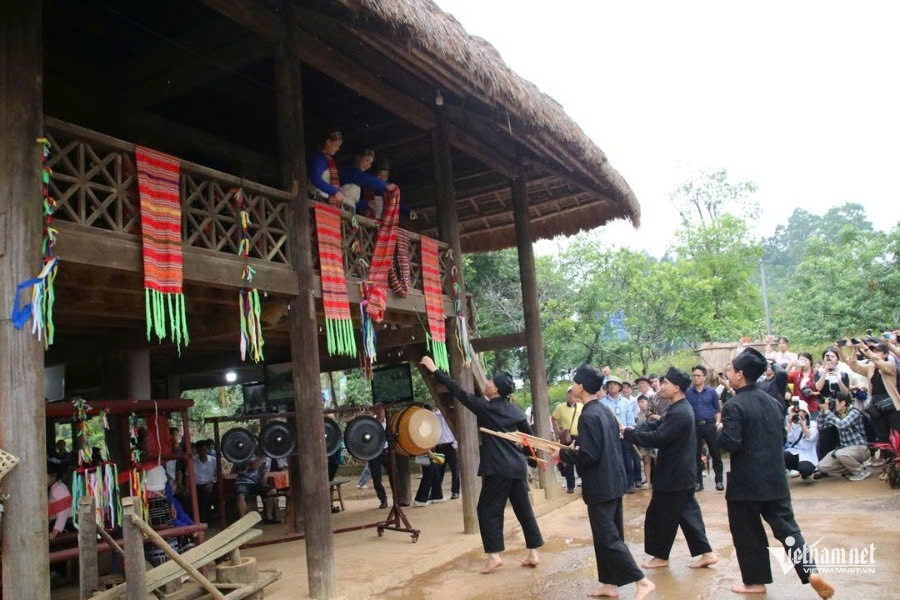
Thai boys and girls exchange courtship through flute melodies and khap singing
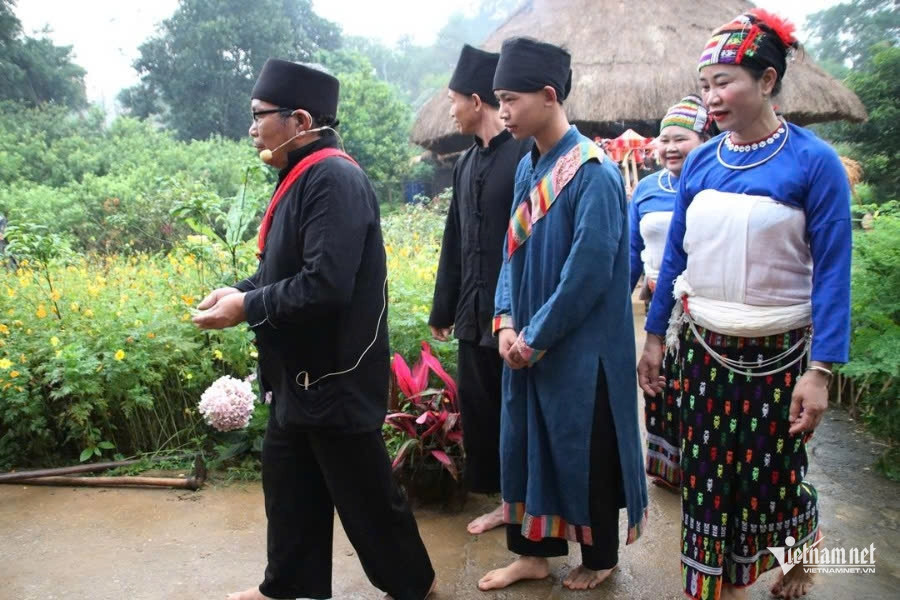
When love matures, the groom returns to his family before bringing offerings to formally ask for marriage
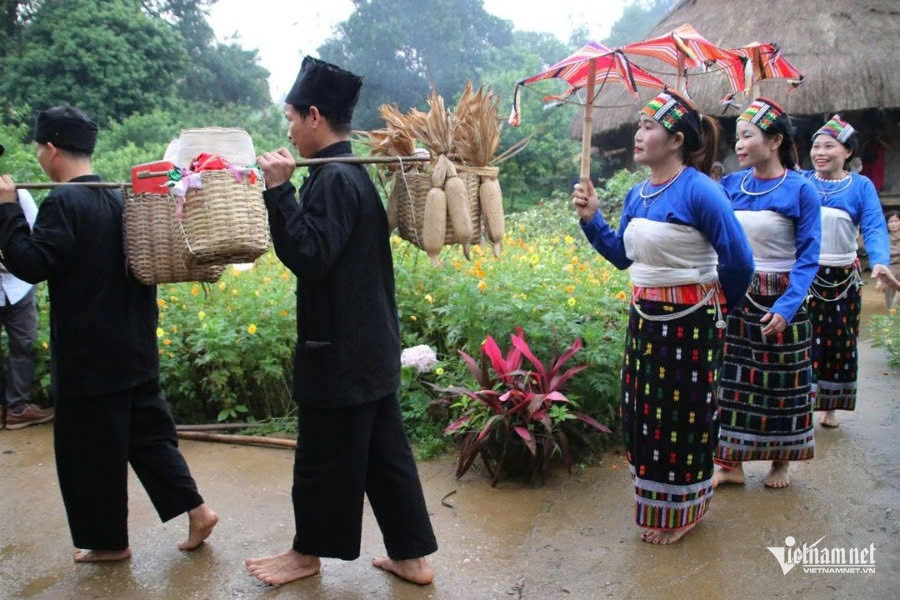
When love matures, the groom returns to his family before bringing offerings to formally ask for marriage.
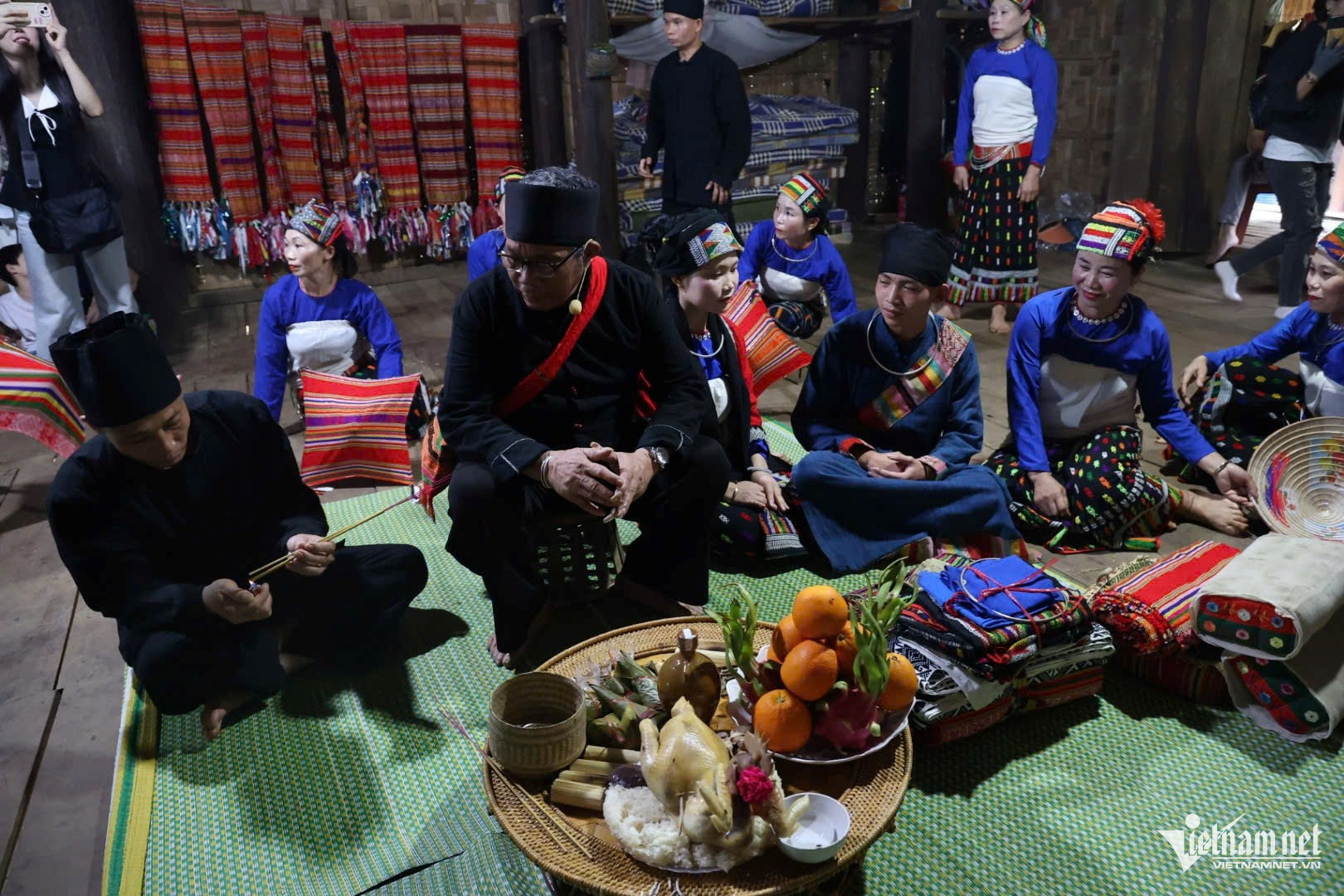
The groom’s family carefully prepares offerings for the wedding ceremony.
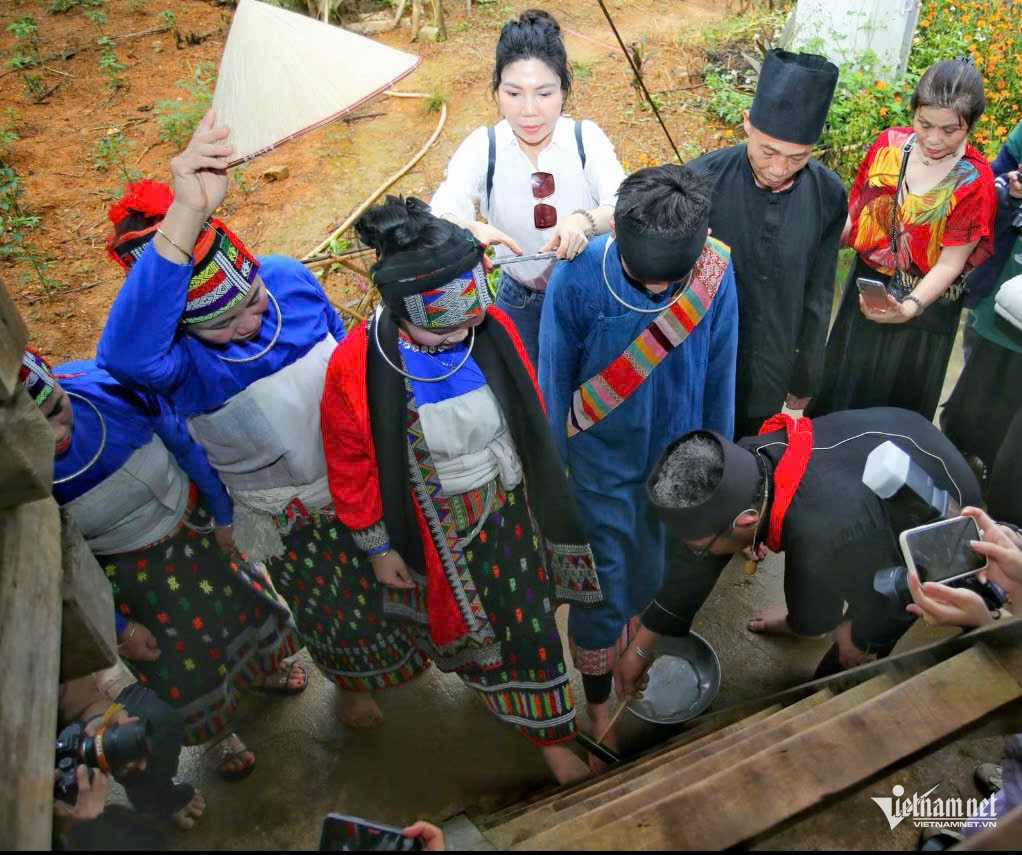
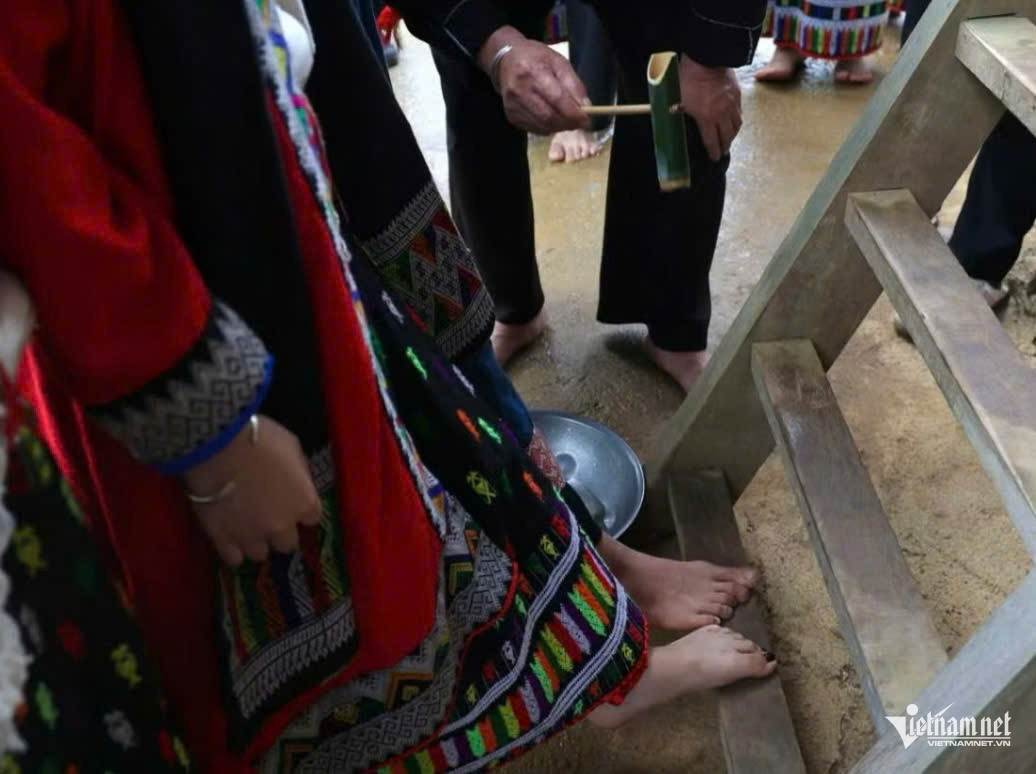
A shaman performs the foot-washing ritual, marking the couple’s transition into married life.
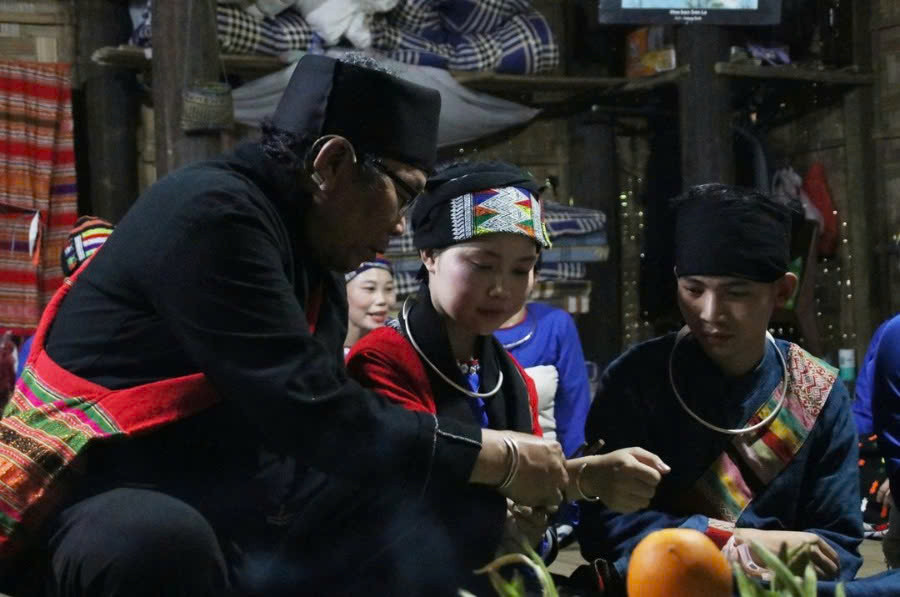
The shaman places bracelets on the bride and groom, blessing them with lasting happiness.
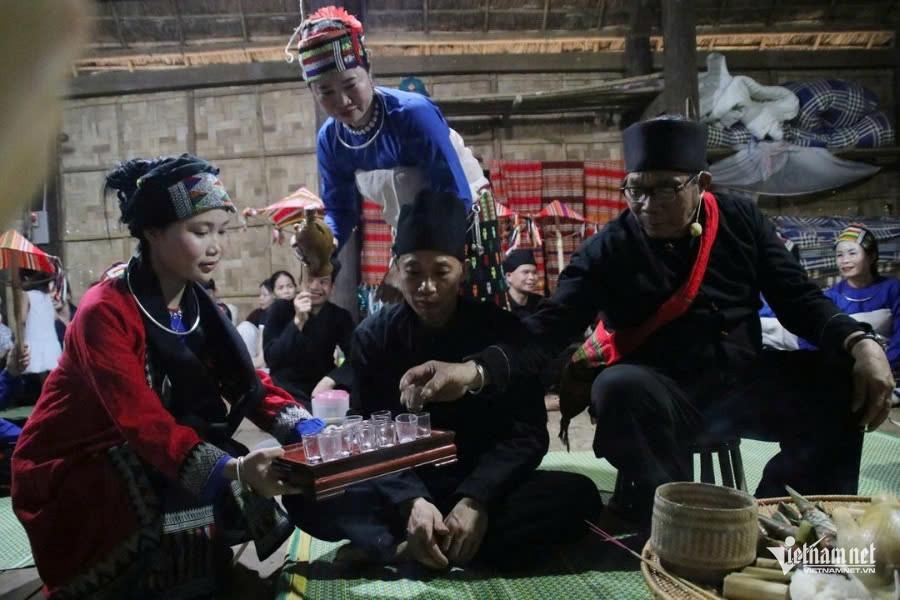
After the bracelet ritual, the bride and her mother-in-law pour wine in gratitude to the family and guests.
.svg)
