 Vietnamnet.vn

 Podcast



Quynh Lam Pagoda, located in Binh Khe Ward, Quang Ninh Province, is regarded as one of the most important spiritual landmarks of the former Eastern Region. The pagoda is renowned for its scenic surroundings and for preserving valuable relics linked to the history of Vietnamese Buddhism.
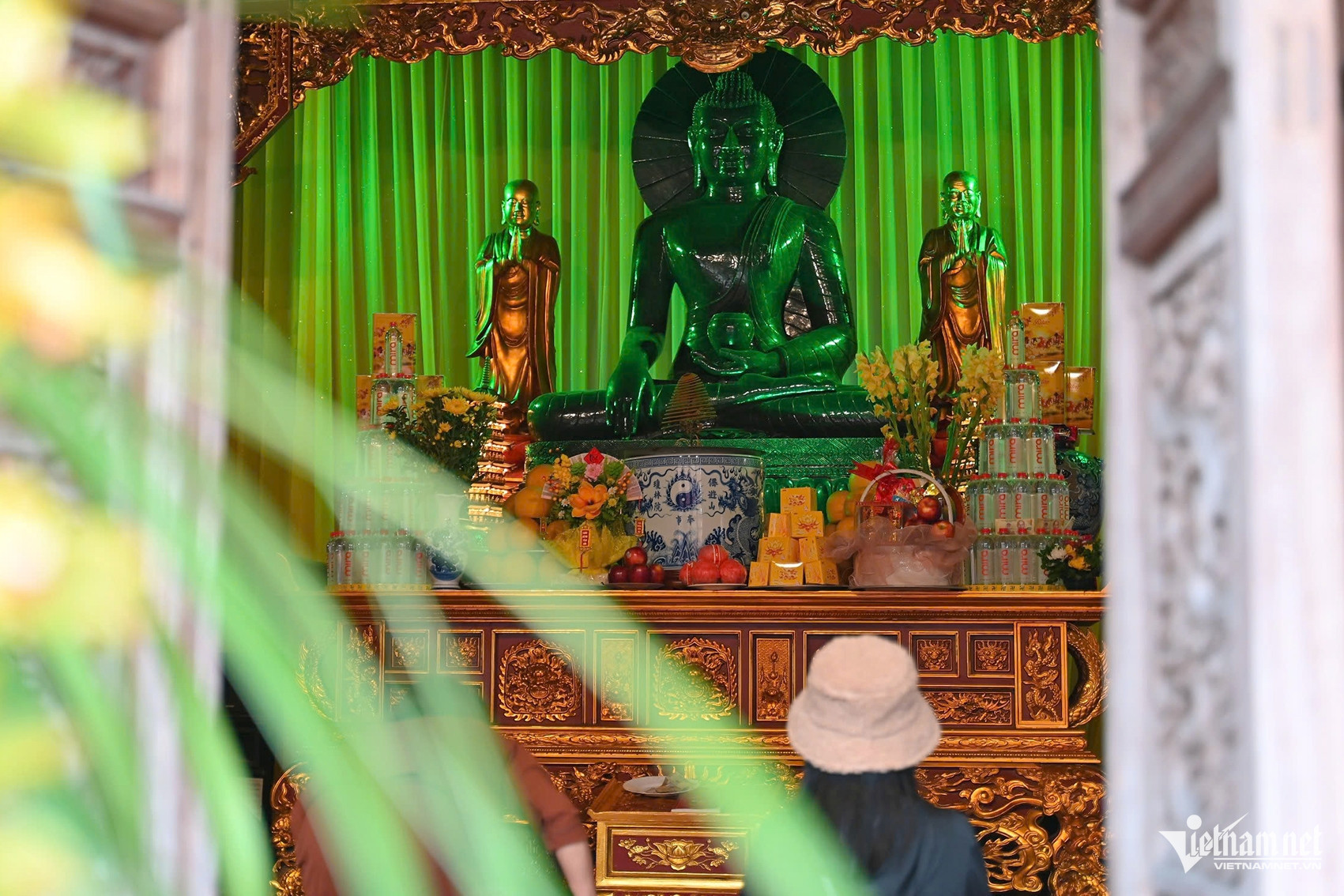
The site is also home to what is recognized as Vietnam's largest monolithic jade statue of Shakyamuni Buddha.
According to the management board of Quynh Lam Pagoda, the statue was carved from a single block of vivid green jade discovered in North Vancouver, Canada. The stone is considered one of the largest and finest jade blocks ever found.
The statue measures 2.13 meters by 1.56 meters at its base, stands 2.2 meters tall and weighs 3.8 tons.
The jade Buddha was sculpted by artisans from Nepal, India and Thailand, following the model of the Shakyamuni Buddha statue at the sacred Bodh Gaya pilgrimage site in India.
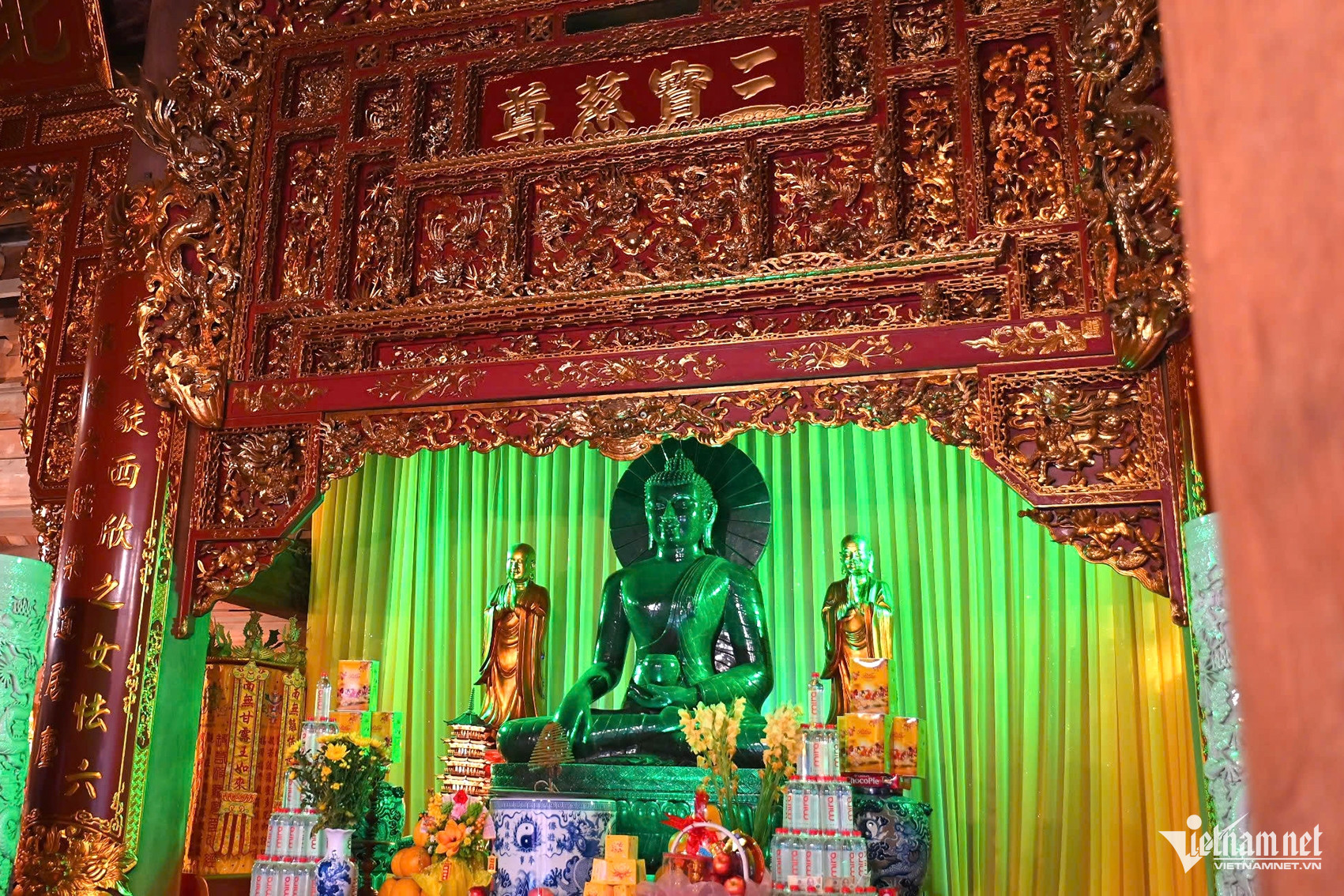
In 2022, the statue was ceremonially installed in the Shakyamuni Buddha Hall of Quynh Lam Pagoda, where it has since become a destination for worshippers and visitors.
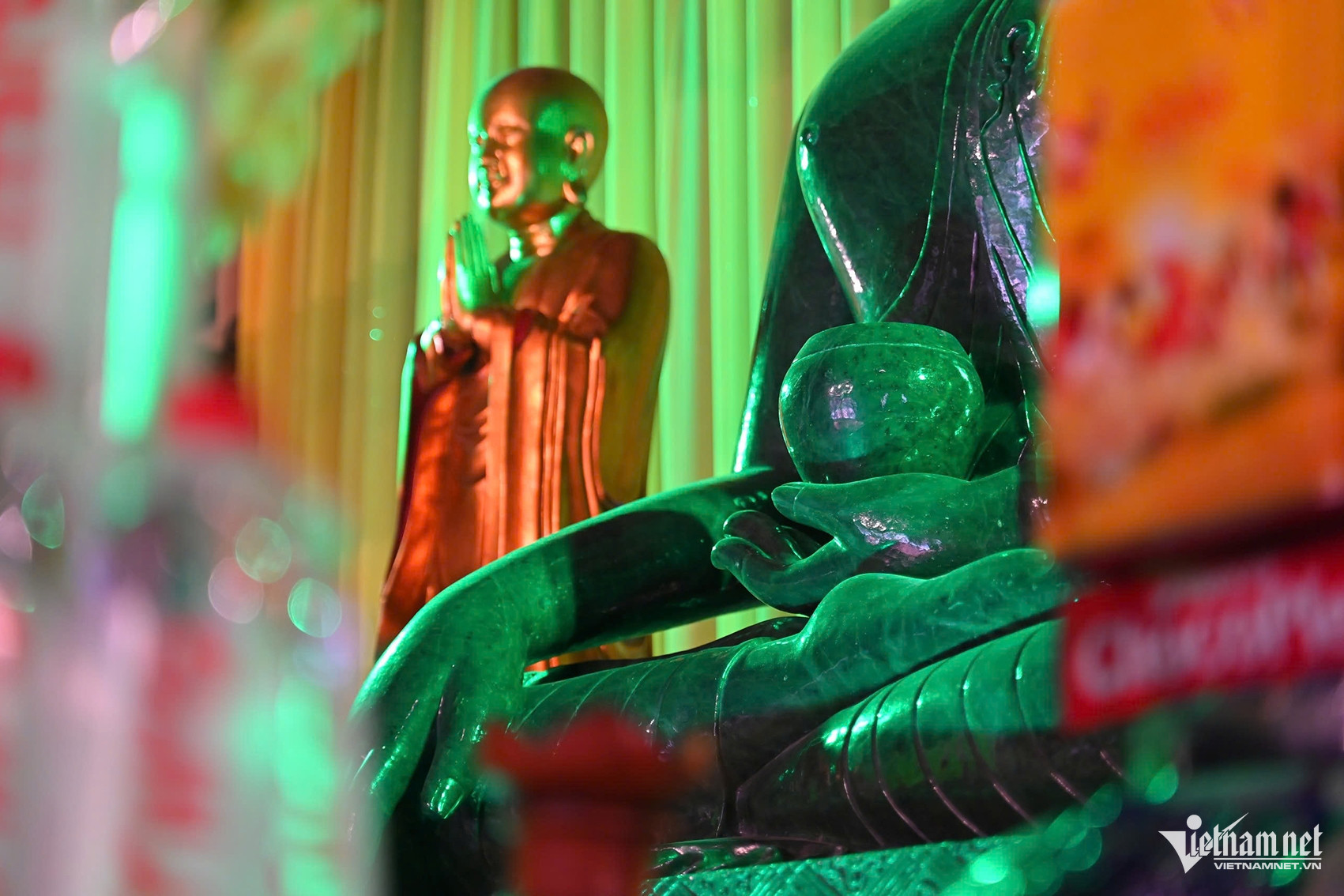
The statue is crafted entirely from a single 3.8-ton block of jade.
A major Buddhist center in Vietnamese history
Quynh Lam Pagoda, also known as Quynh Lam Patriarchal Temple, is situated between Yen Sinh and Ha Loi villages in Binh Khe Ward, Quang Ninh Province. It forms part of the Special National Relic Complex of the Tran Dynasty in Dong Trieu.
Historical records indicate that the pagoda was originally founded by Zen Master Nguyen Minh Khong, the royal monk who served during the reign of King Ly Than Tong (1128-1138).
An inscription titled Trung tu tai tao Tien Du son de nhat Quynh Lam tu records that Nguyen Minh Khong commissioned a giant Maitreya Buddha statue measuring "six truong and sixty thuoc" in height and housed within a five-story main hall. The statue was considered one of the famous "Four Great Treasures of An Nam."
The original Maitreya Buddha statue has since been lost.
Quynh Lam became a major Buddhist center during the 14th century through the work of Phap Loa, the Second Patriarch of the Truc Lam Zen School.
The monk expanded and developed the pagoda into one of the most important Buddhist institutions of the era, hosting major religious events throughout Dai Viet during the early 14th century.
In 1314, Phap Loa ordered the construction of 33 Buddhist halls, scripture repositories and other religious structures. Two years later, in 1316, he established the Quynh Lam Institute on the site, regarded as Vietnam's first Buddhist academy.
Over centuries of exposure to weather, conflict and historical upheavals, the pagoda gradually fell into ruin and had become largely abandoned by the mid-20th century.
Restoration and revival
On April 9, 2016, corresponding to the third day of the third lunar month and the death anniversary of Patriarch Phap Loa, local authorities, residents and Buddhist followers launched a major restoration project.
The reconstruction followed the architectural style of the Later Le Revival period.
Ancient bronze bells and stone steles preserved at the pagoda remain important historical artifacts.
In 2020, the Quang Ninh Buddhist Sangha officially inaugurated the restored Quynh Lam Pagoda with a grand new appearance that reflects its historical significance.
The complex now consists of three principal structures: the Upper Luu Ly Buddha Hall, the Middle Maitreya Buddha Hall and the Lower Shakyamuni Buddha Hall.
The entire complex covers an area of 14.79 hectares.
Today, Quynh Lam Pagoda welcomes large numbers of worshippers and tourists who come to admire its architecture, learn about its history and pay respects to the jade Buddha statue.
Speaking to VietNamNet, Bui Trieu Duong, Chairman of the People's Committee of Binh Khe Ward, said the pagoda dates back to the Ly Dynasty and has evolved through multiple restoration projects into one of the region's most important Buddhist sites.
He added that the monolithic jade statue of Shakyamuni Buddha was ceremonially installed by the former Dong Trieu city authorities and continues to attract visitors and pilgrims every day.
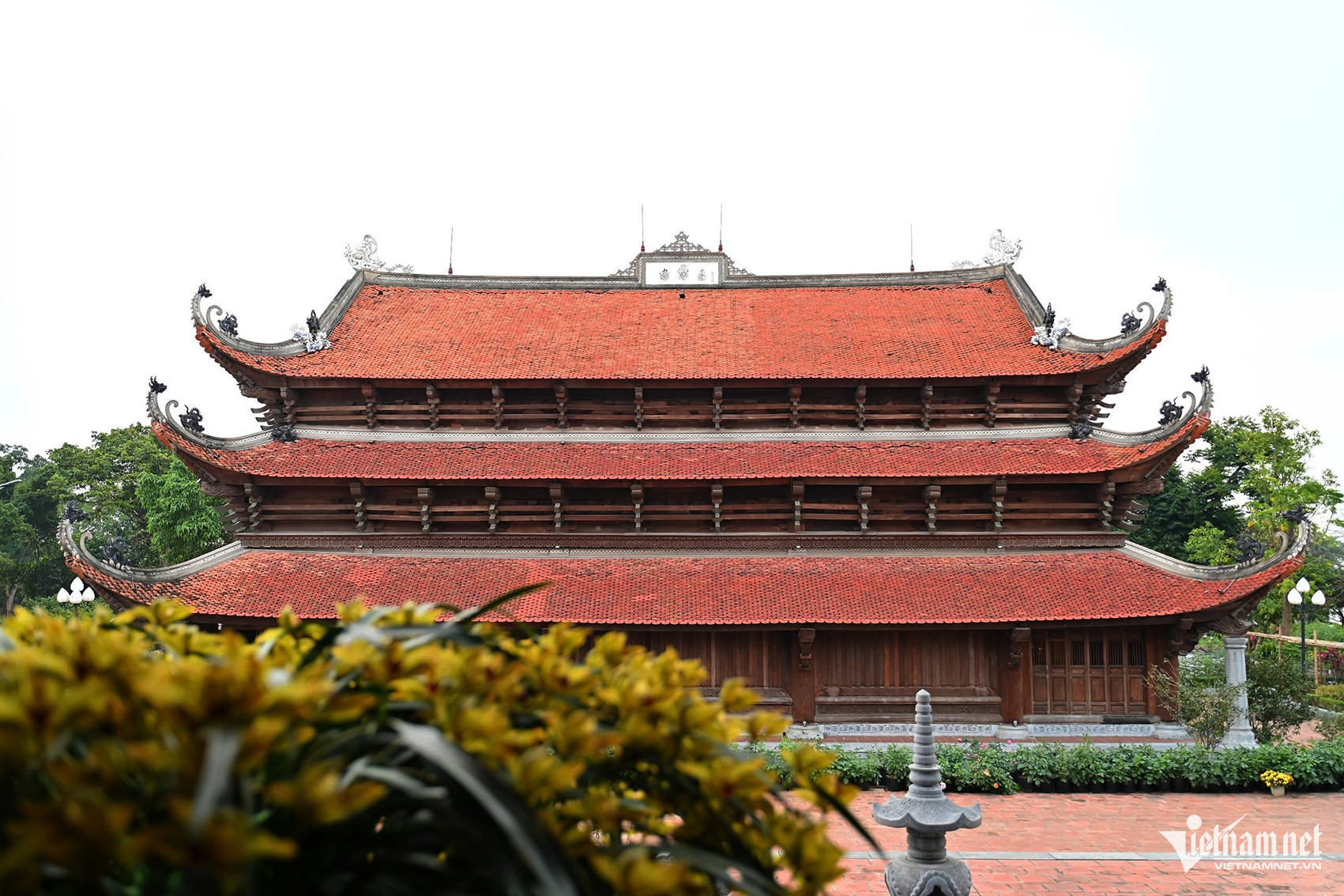
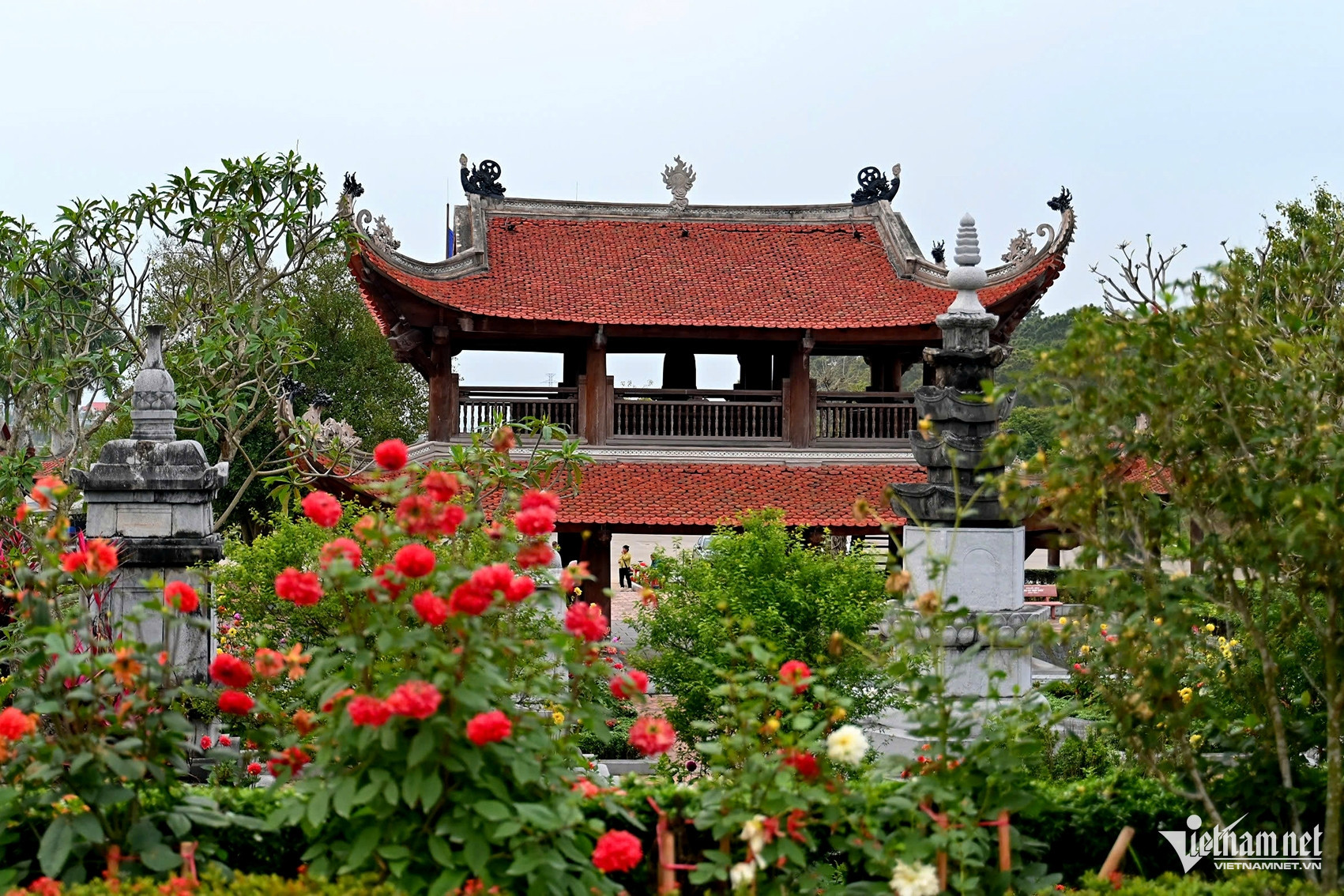
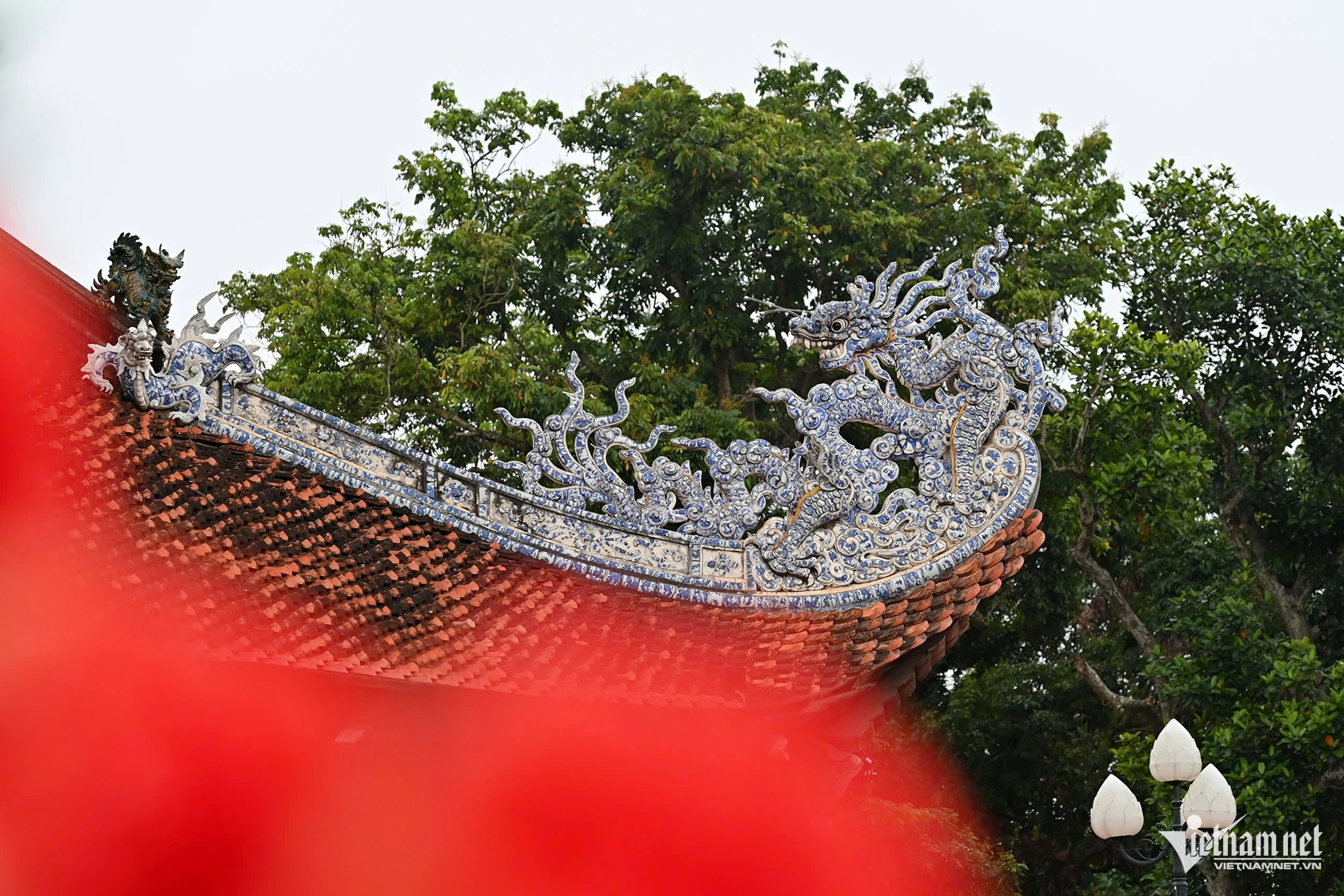
Quynh Lam Pagoda was restored and reconstruction was completed in 2020 after suffering damage from time and war.
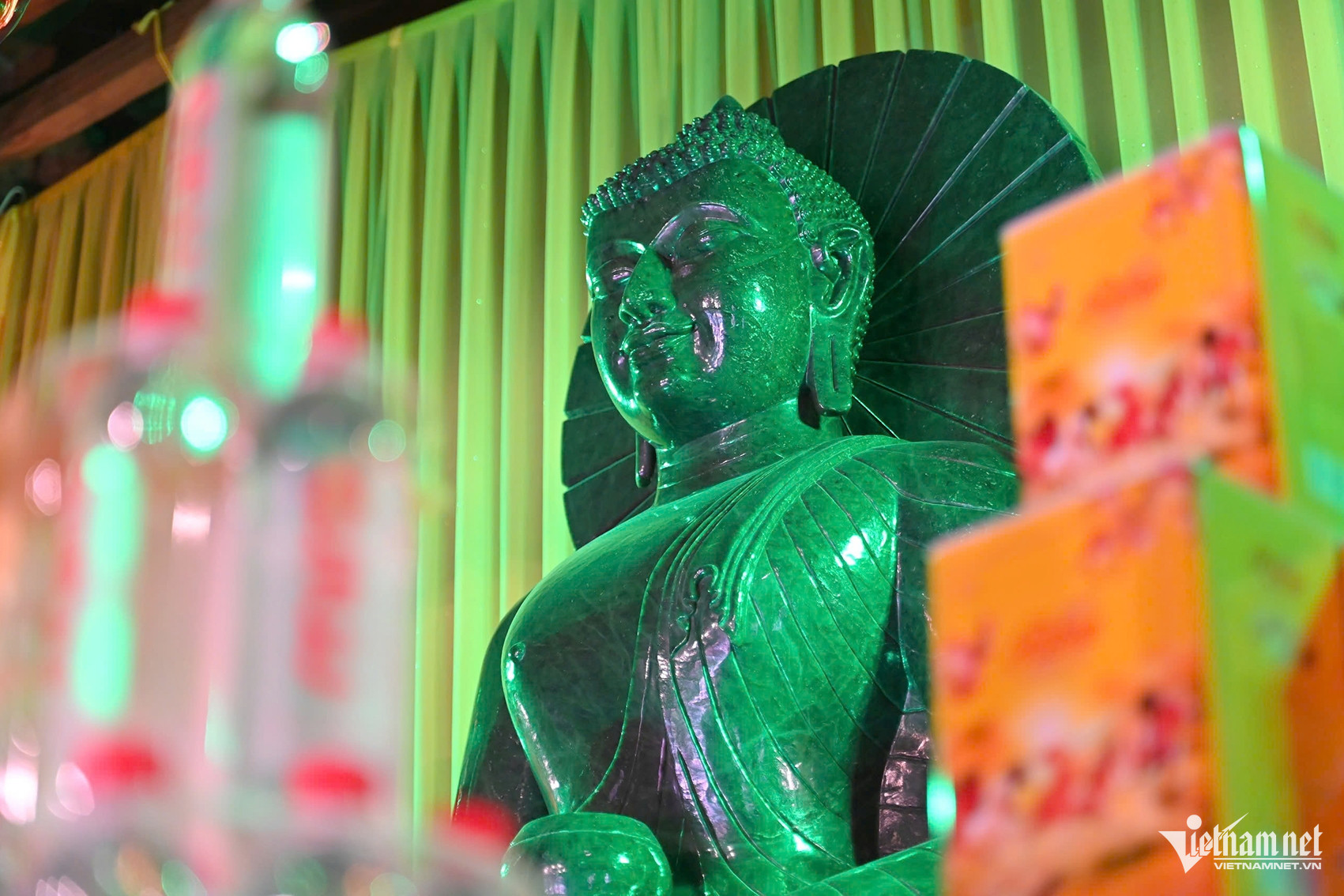
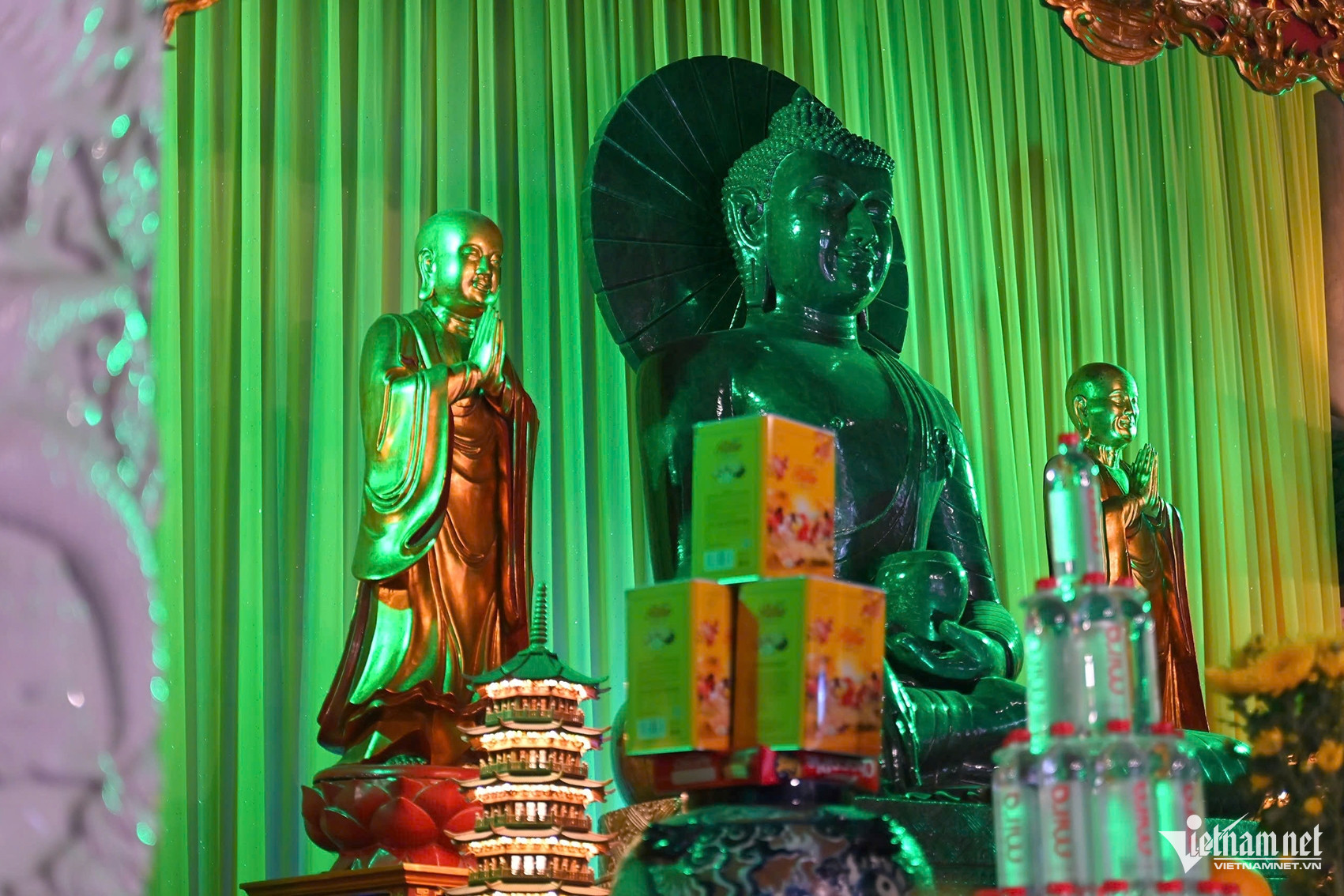
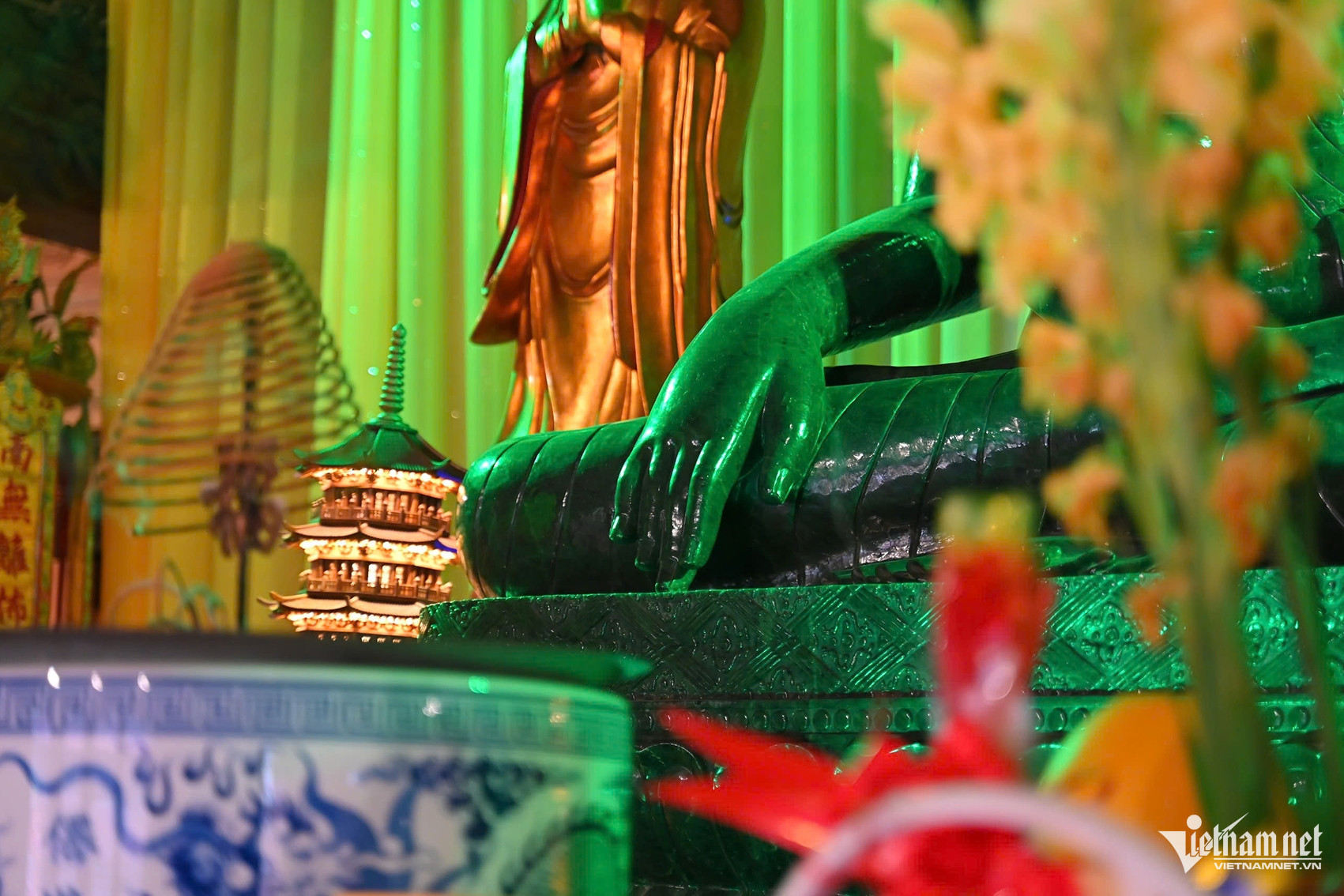
The jade Buddha statue is displayed in the Shakyamuni Buddha Hall, where visitors and worshippers gather daily.
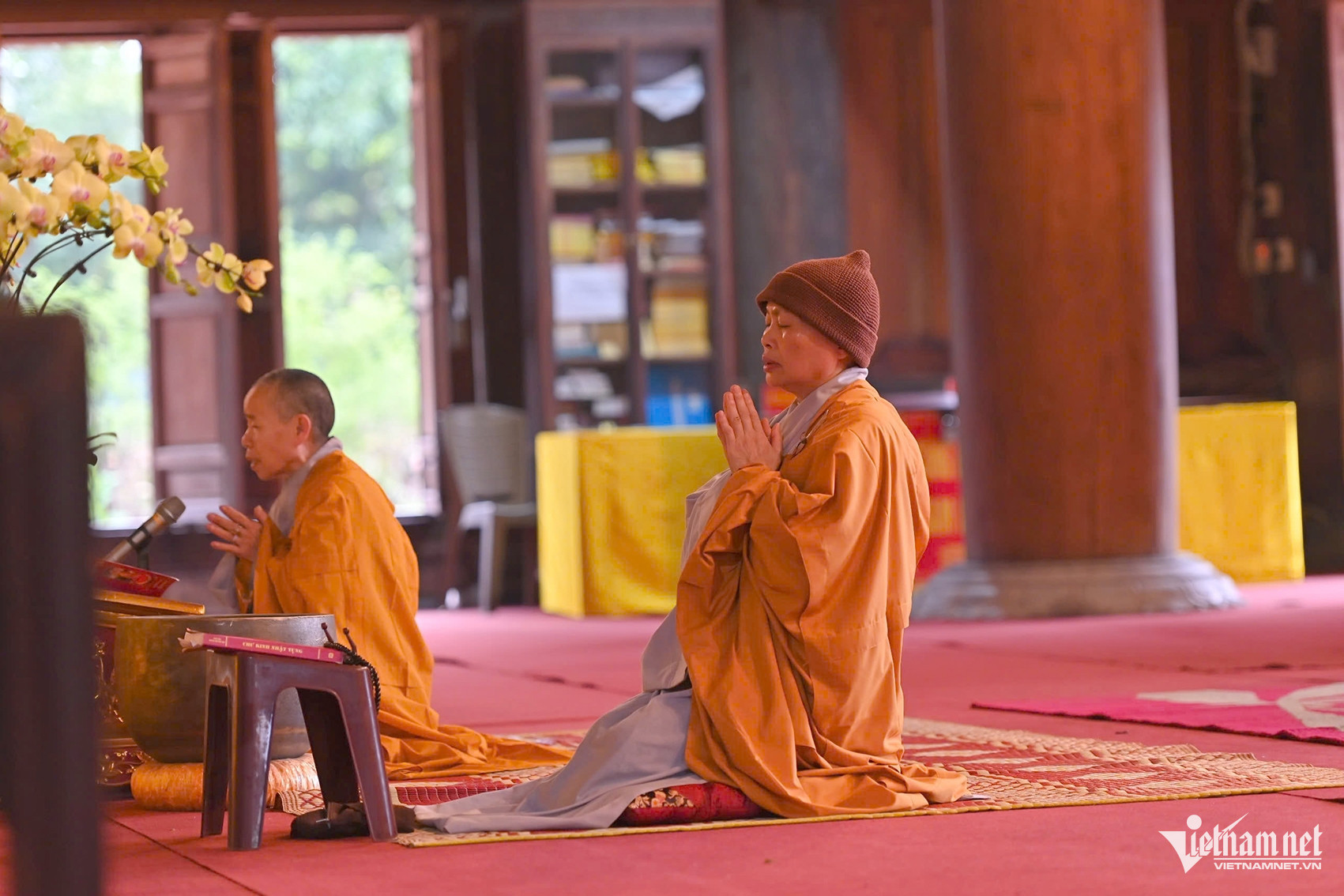
Phap Loa expanded Quynh Lam into one of the most important Buddhist centers of the Tran Dynasty period.
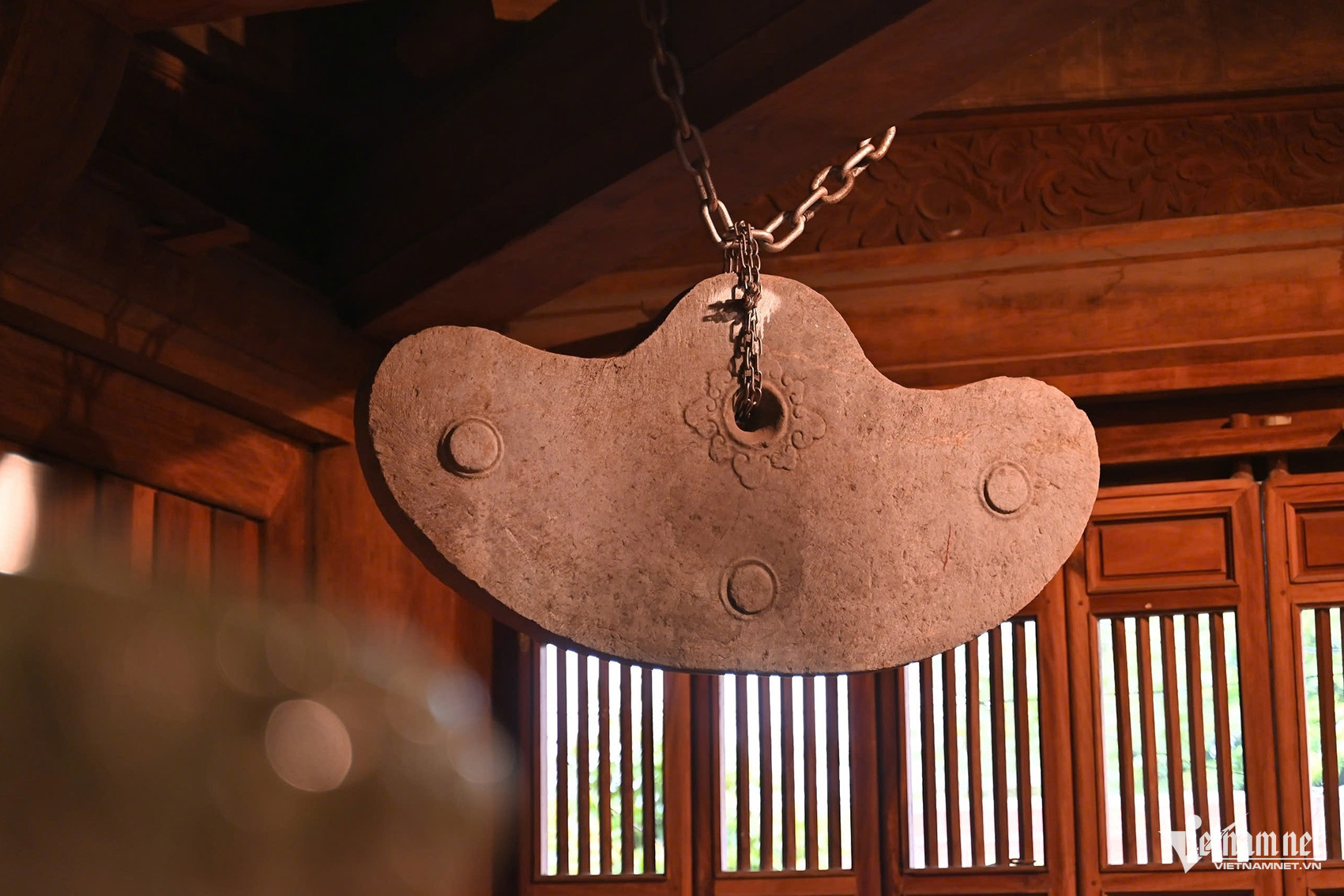
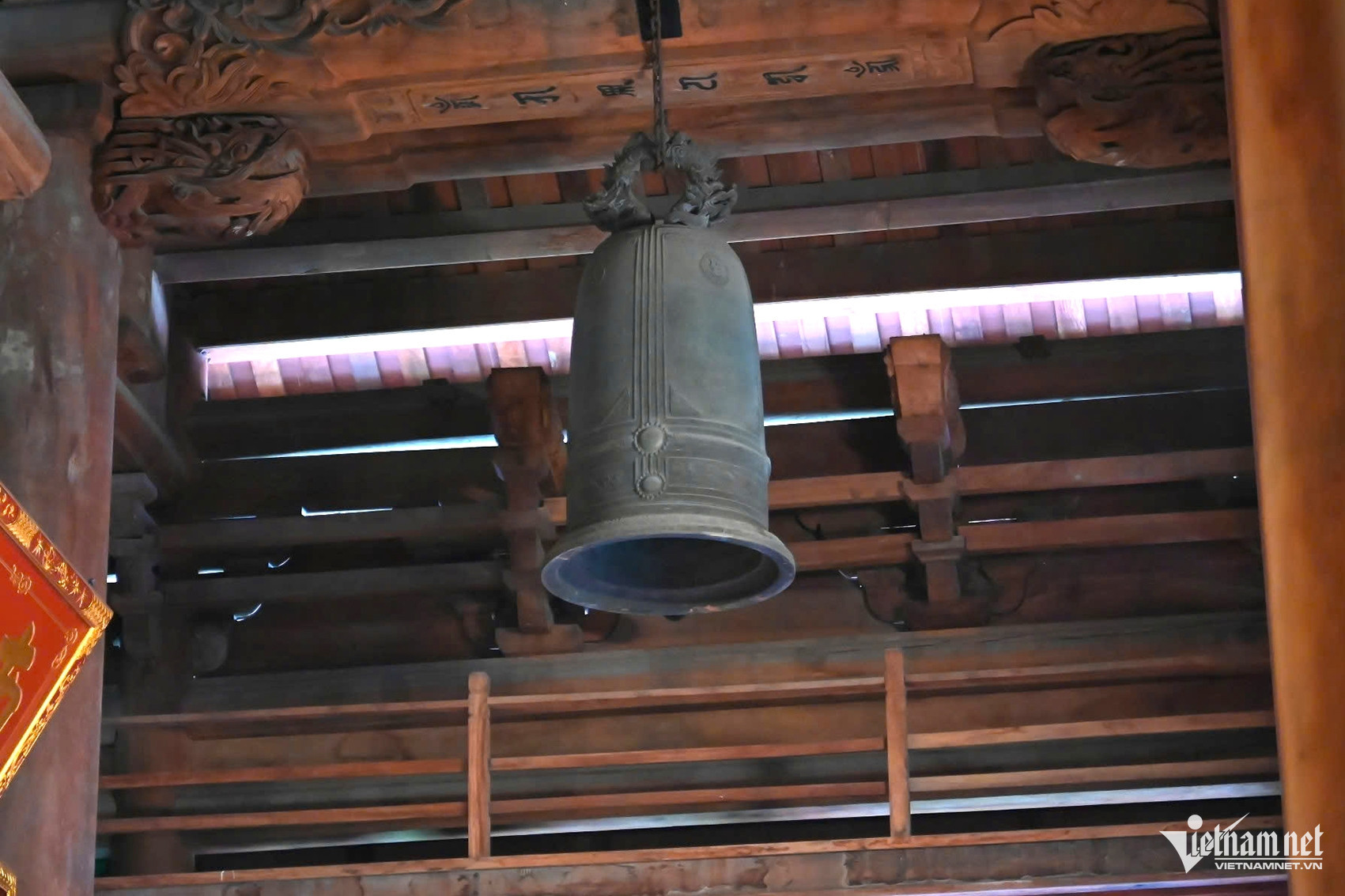
Ancient bronze bells and ceremonial instruments preserved at Quynh Lam Pagoda.
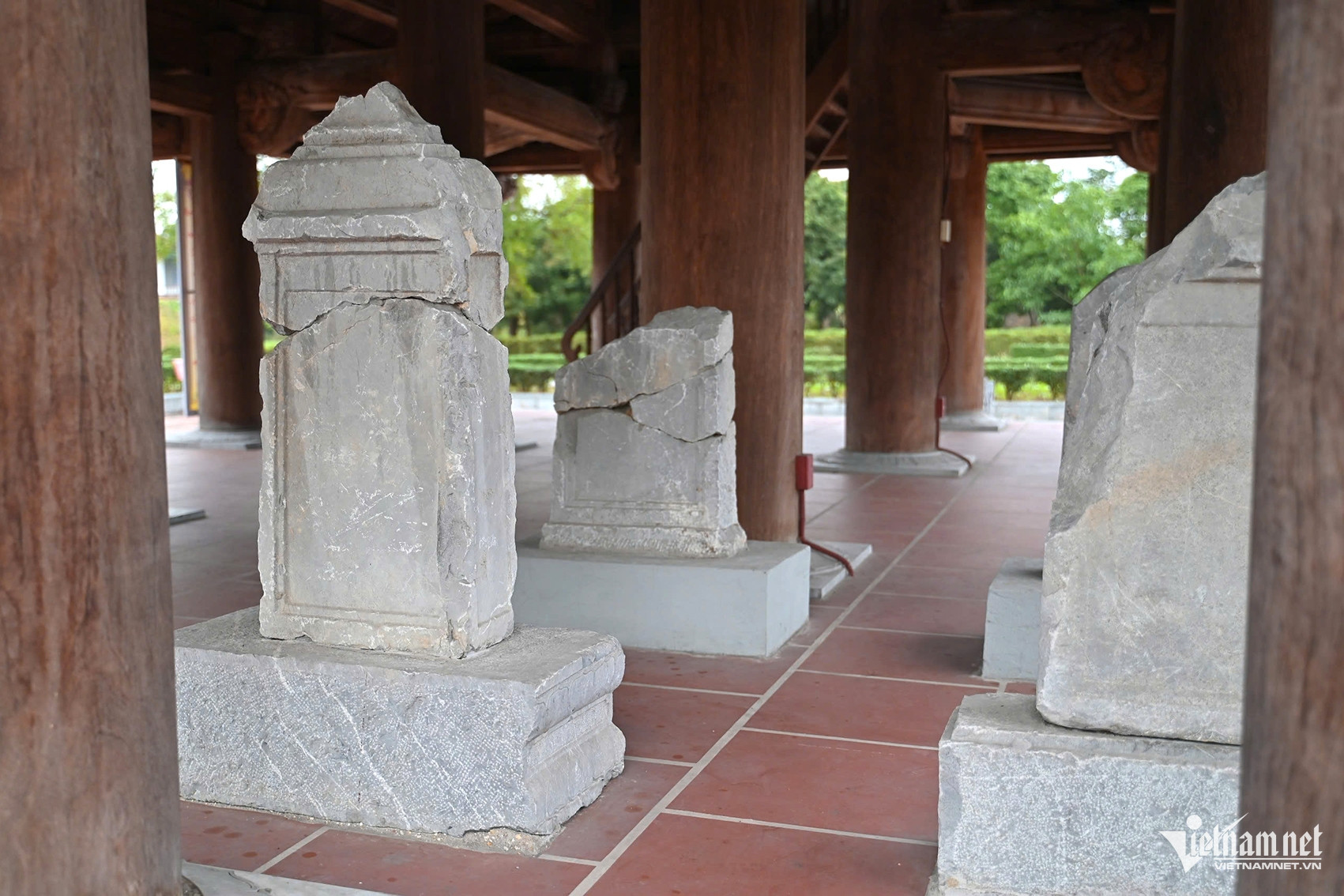
Historic stone steles remain on display within the pagoda grounds.
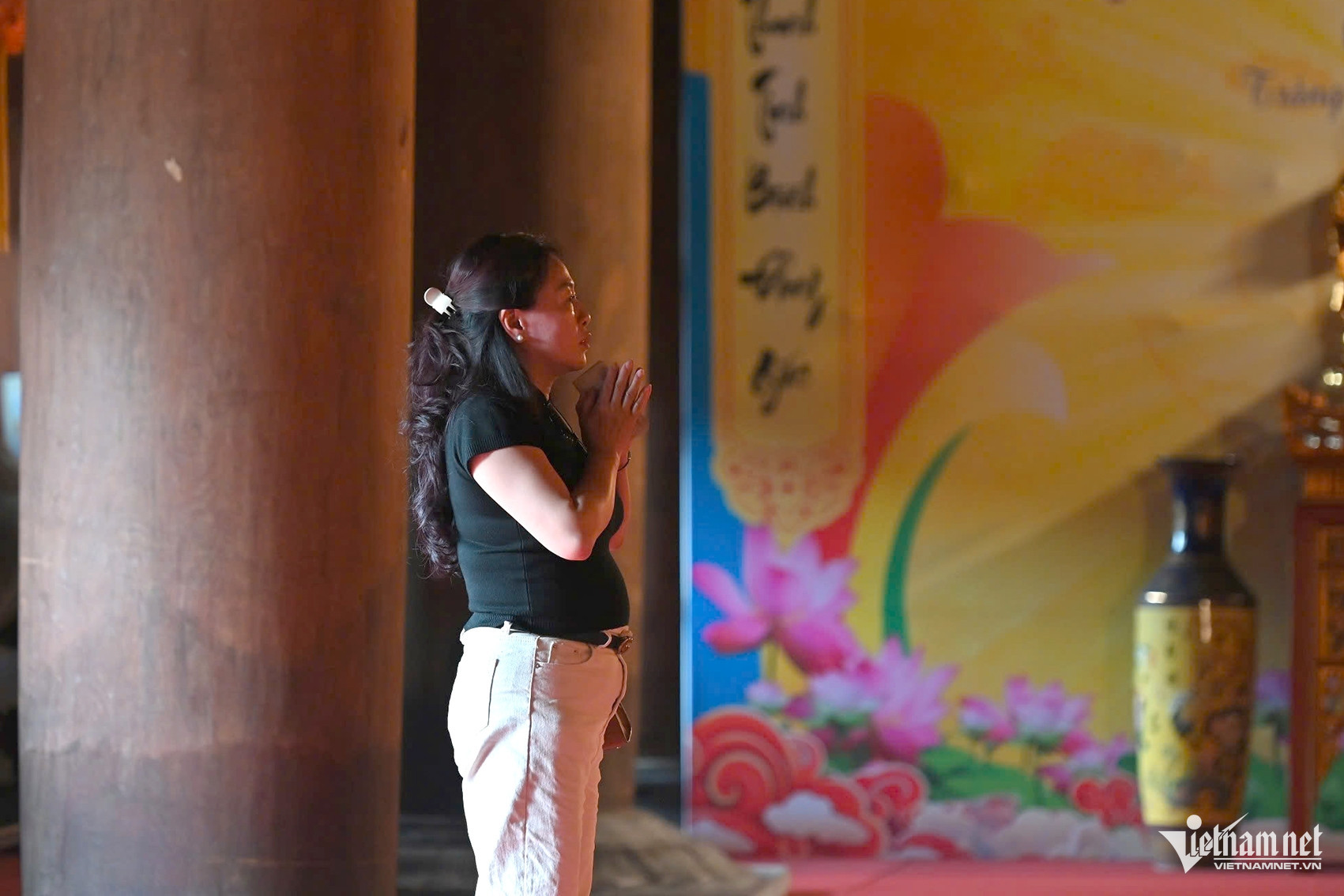
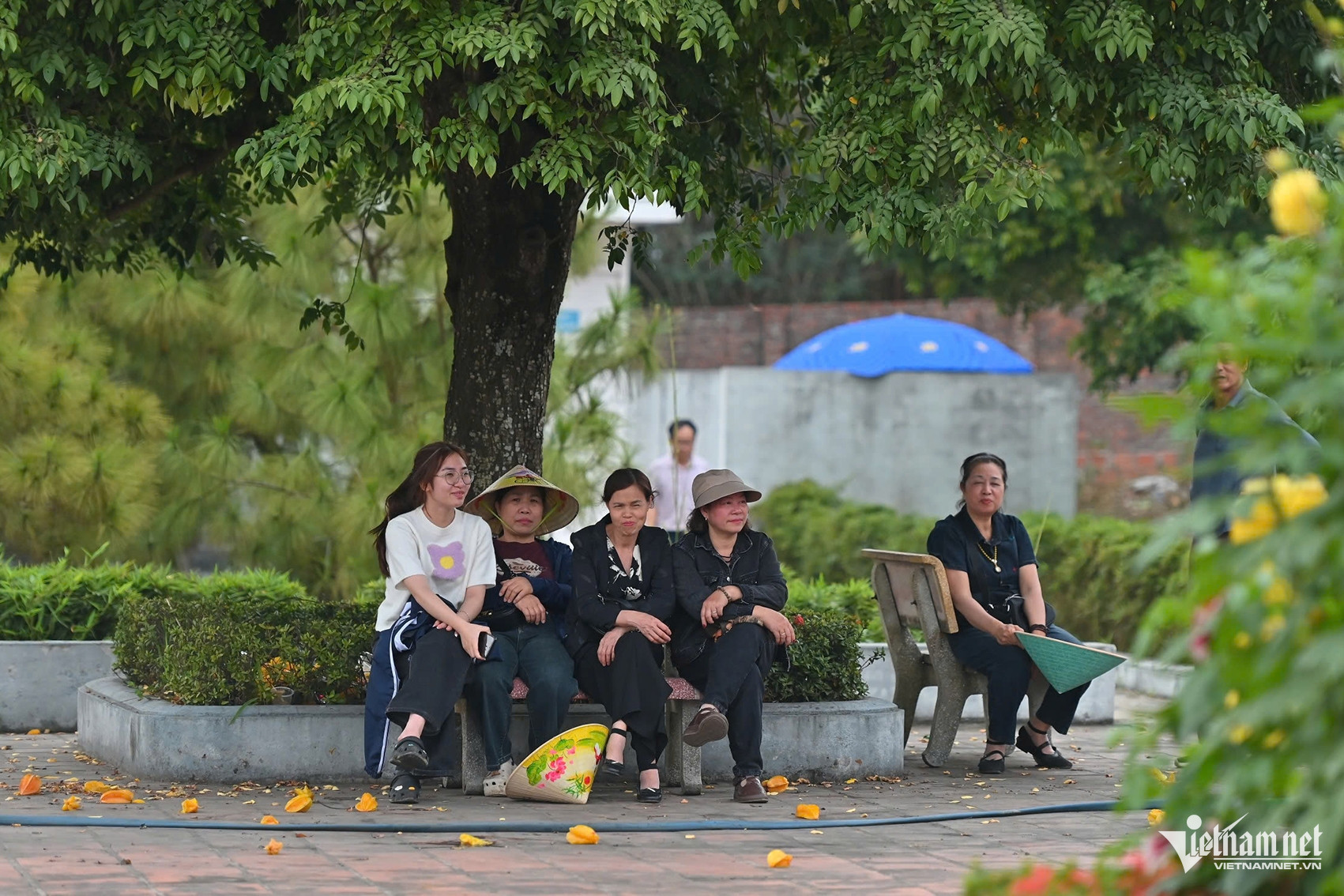
Pilgrims and visitors regularly come to Quynh Lam Pagoda for worship and sightseeing.
Pham Cong
.svg)
