 Vietnamnet.vn

 Podcast



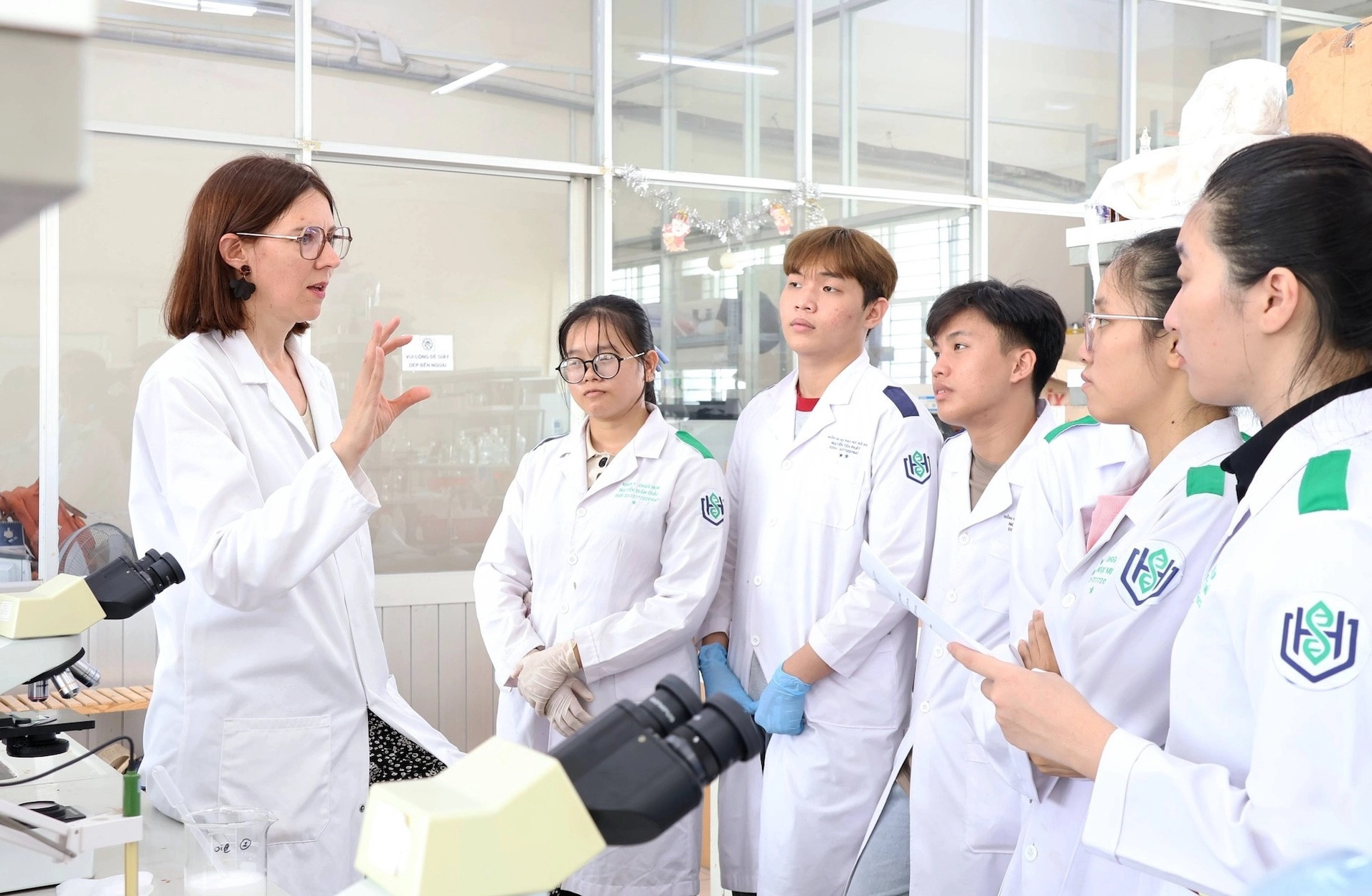
The university is seeking professors, associate professors, experts, scientists, and managers currently working at universities, research institutes, international organizations, and leading technology corporations worldwide.
Recruitment demand spans multiple member institutions. The University of Information Technology plans to invite 15 professors, the University of Science 11, the University of Economics and Law 10, An Giang University 9, the University of Technology 8, the University of Social Sciences and Humanities 7, the University of Health Sciences 6, and the Institute for Circular Economy Development 2.
Priority fields include semiconductors and chip design, artificial intelligence, digital transformation, biotechnology, biomedical science, materials technology, new energy, logistics, international finance, climate change, sustainable development, and Vietnamese history and culture.
Candidates from academia are required to have at least 10 years of experience in teaching and research (for those holding a doctoral degree), or currently hold the title of professor or associate professor at reputable institutions. Experts from businesses or international organizations must have equivalent experience, including roles as specialists, managers, or participation in large-scale R&D projects.
The university also offers special mechanisms for outstanding candidates recommended by reputable scientists, with no age limit and a streamlined appointment process.
Visiting professors will receive support including two round-trip air tickets per year, accommodation and meal expenses for up to 10 working days in Vietnam, and opportunities to participate in science and technology projects. They will also gain access to facilities and laboratories, along with assistance in legal procedures, visas, and recognition upon completing their tenure.
In addition, member institutions will provide remuneration based on teaching and research workload, as well as negotiated contractual terms, along with travel and administrative support.
Le Huyen
.svg)
