 Vietnamnet.vn

 Podcast



As traditional values are translated into digital data, cultural heritage is no longer confined to collective memory. It is gradually becoming a resource for development, bridging the past with the present and the future.
Vietnam’s push in this direction has been formalised through the national programme on digital transformation in culture to 2030, with a vision to 2045, approved by the Prime Minister under Decision No. 611/QD-TTg dated April 4, 2026. One of its key targets is that by 2030, at least 80% of intangible cultural heritage (ICH) in ethnic minority areas will be digitised and stored in specialised cultural databases.
These ambitions suggest a new pathway is opening, enabling ethnic minority heritage to move beyond traditional spaces of preservation and reach wider audiences. Yet turning data into “living value”, narrowing access gaps and safeguarding authenticity in the digital environment remain far from straightforward.
Heritage goes online: wider reach, growing concerns
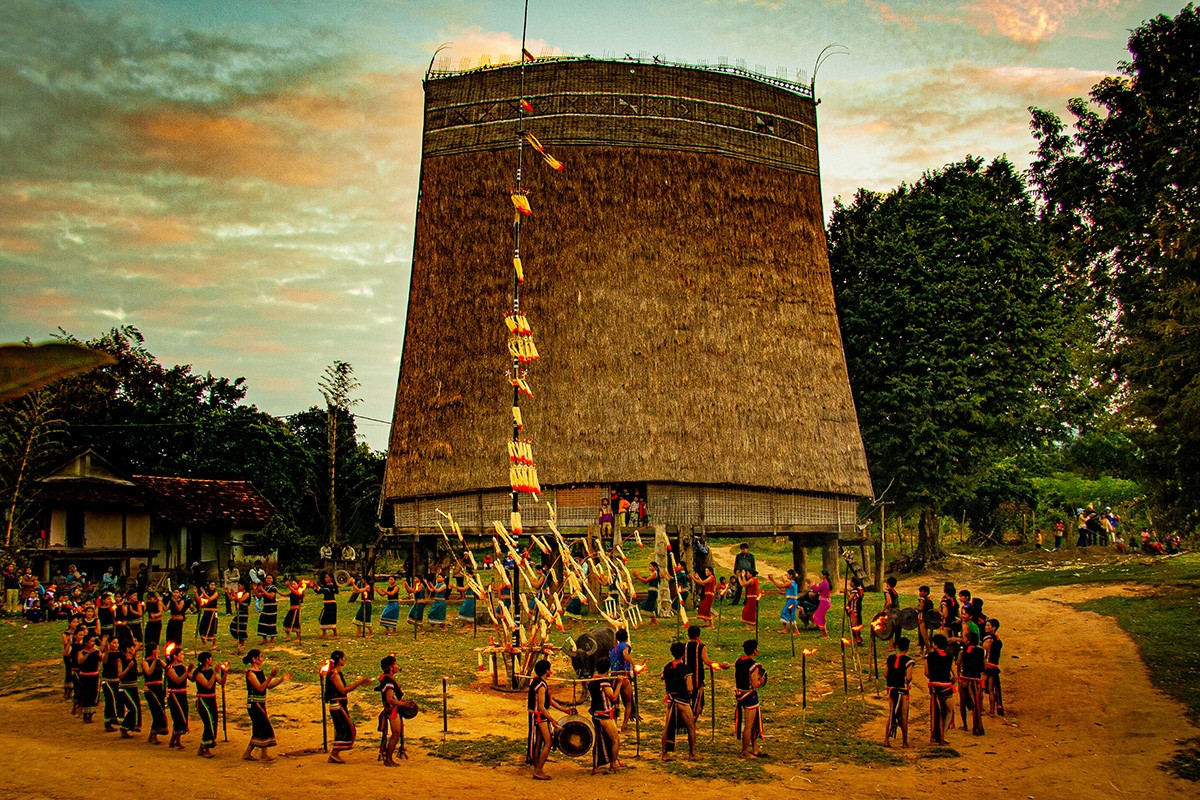
Intangible cultural heritage was first formally recognised in Vietnam’s Law on Cultural Heritage in 2001, later amended in 2024, marking a significant shift in public awareness of its value. Since then, with state investment and broad social participation, efforts to restore, preserve and promote ICH have achieved notable results.
According to the Department of Ethnic Culture under the Ministry of Culture, Sports and Tourism, of the 62,283 ICH elements inventoried nationwide, 571 have been included in the national list of intangible cultural heritage, many of them belonging to ethnic minority communities.
Among the 17 ICH elements inscribed by UNESCO, at least six are directly associated with ethnic minority cultures or distinctive local communities.
These figures reflect both the richness of Vietnam’s heritage and the attention given by the Party and the State to its preservation and development, including that of ethnic minority groups.
A national programme under the 2021-2025 socio-economic development plan for ethnic minority and mountainous areas has also delivered tangible outcomes. Across the country, 124 traditional festivals have been preserved, 36 cultural conservation models established, and support provided for 695 folk culture clubs and 5,760 traditional performance teams in villages and hamlets.
Despite these achievements, significant challenges remain. Many heritage elements have yet to be systematically researched and evaluated.
According to Ban Tuan Nang from the Institute of Culture and Development, under the Ho Chi Minh National Academy of Politics, cultural values are increasingly at risk of disappearing due to modernisation, urbanisation and the unintended consequences of market mechanisms.
In the digital era, these risks are amplified. Some heritage elements have been distorted or misrepresented online.
The Central Highlands gong culture space offers a telling example. Numerous videos on social media showcase or teach gong performances, but some remove the practice from its ritual context, risking a loss of its sacred meaning. Others provide inaccurate guidance, leading to technical distortions.
While disseminating traditional culture in the digital age is necessary, current preservation efforts still lag behind the pace of social change.
Beyond storage: a broader approach to digitisation
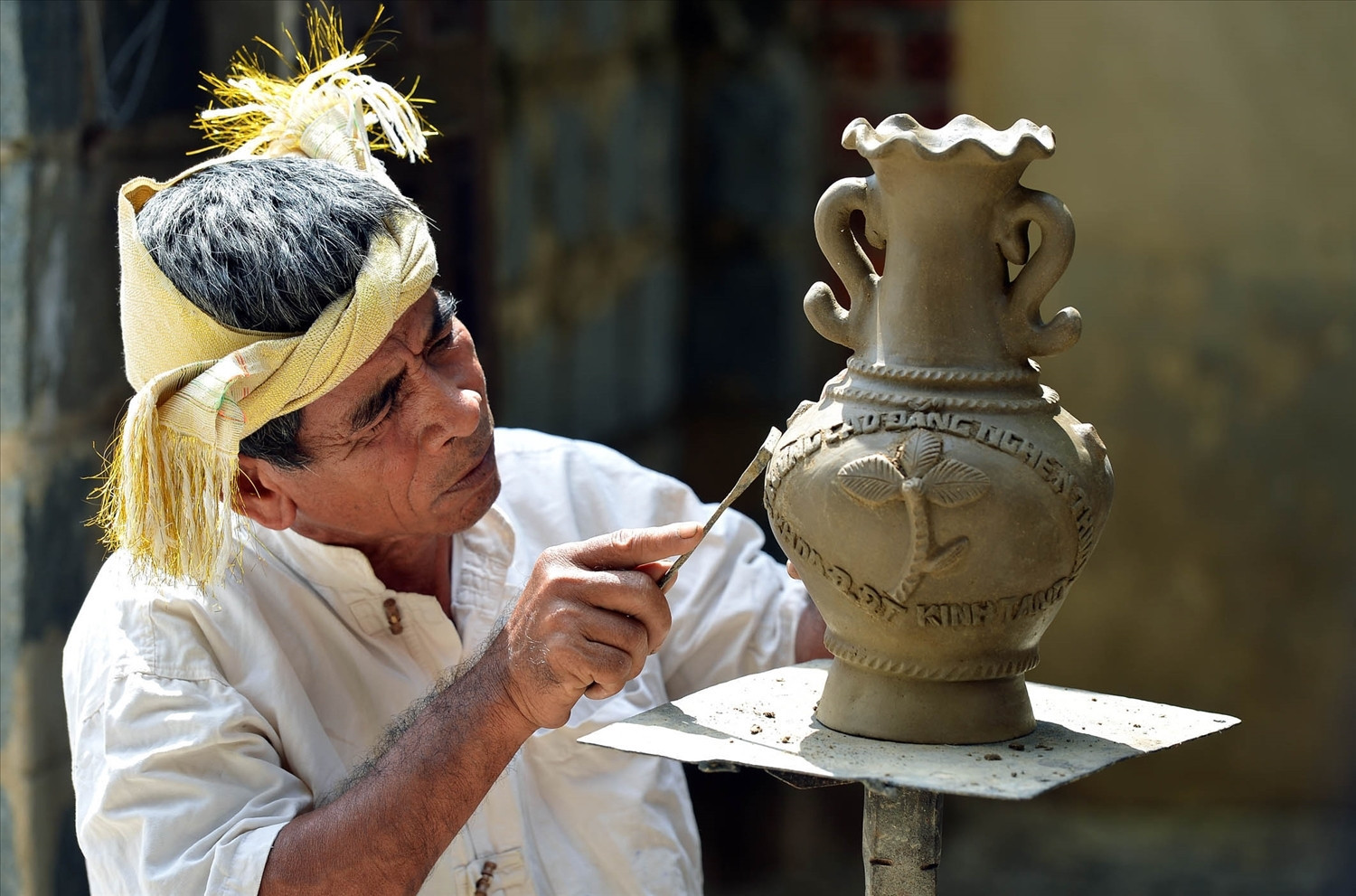
Rapid technological development is forcing a rethink in how cultural heritage is preserved and promoted, particularly intangible heritage.
Digitising heritage should not simply create digital replicas for promotion. It must also define and maintain the inherent standards of each heritage element, ensuring authenticity while enabling it to function as a dynamic part of contemporary life.
This approach is already being pursued. One objective of Vietnam’s heritage digitisation programme for 2021-2030 is to ensure that all national treasures and ICH elements on the national list are digitised, prioritising those with high social demand.
Most localities have launched projects to collect, restore and digitise cultural heritage, achieving initial results. However, much of this work remains at the level of “static digitisation” - storing data in formats such as images, audio and video.
For example, the Vietnam National Institute of Culture and Arts Studies has digitised only 1,154 out of 5,688 video tapes in its archive, and about 40,000 out of 91,648 photographs.
According to artist Nguyen The Son, a lecturer at the University of Science and Arts under Vietnam National University, heritage digitisation must be understood as a comprehensive process, from inventory and data collection to standardisation, database building and technological application.
Digitisation, he argues, should move beyond preservation to value creation. In the right digital environment, heritage can become an important economic resource.
Untying the knots to unlock heritage value
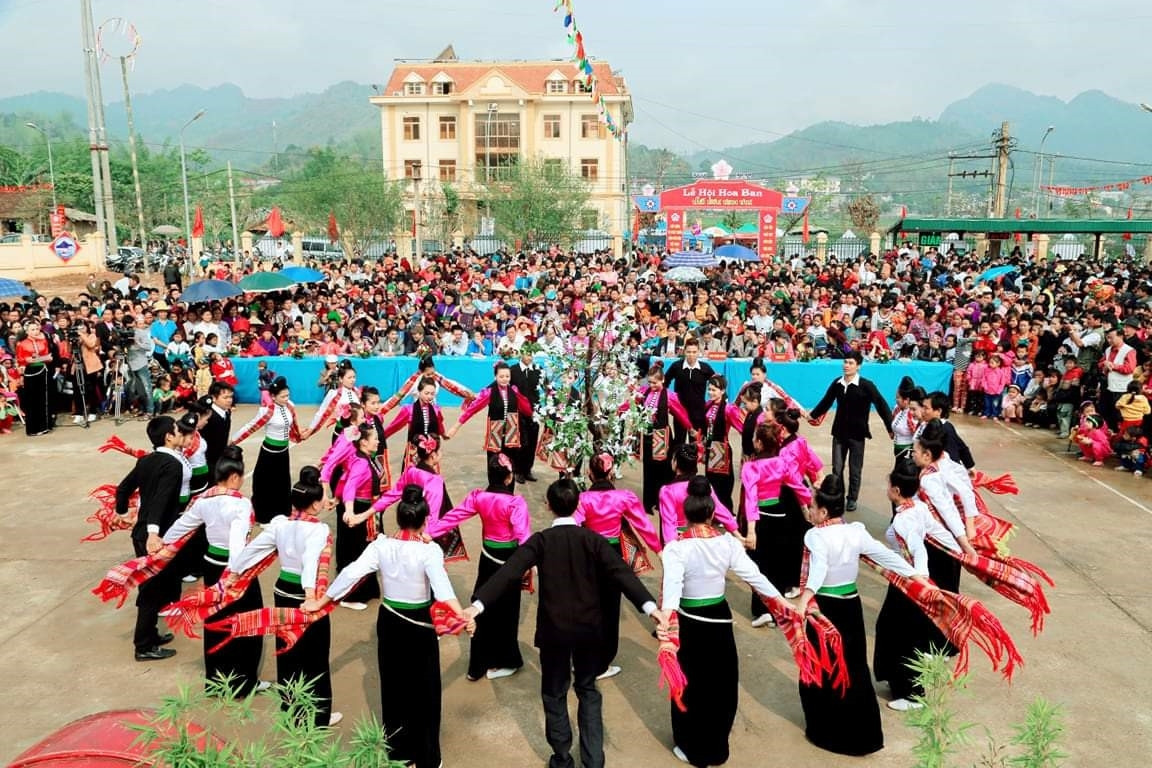
Resolution No. 80-NQ/TW, issued on January 7, 2026 by the Politburo, identifies digital transformation in culture as both an inevitable trend and a key driver for unlocking heritage value.
This direction has been concretised in the national digital transformation programme, which sets the target that by 2030, at least 80% of intangible cultural heritage in ethnic minority areas will be digitised and integrated into specialised databases.
The Government’s determination is clear. Yet, as Ban Tuan Nang notes, many localities in ethnic minority and mountainous regions still face difficulties in implementing digital transformation.
Infrastructure remains limited, equipment inadequate and human resources both scarce and undertrained. Efforts are often fragmented and lack coordination, with no unified digital ecosystem or shared data platform.
From a policy perspective, Trinh Ngoc Chung, Director of the Department of Ethnic Culture, points out that there is still no dedicated law governing ethnic cultural affairs. This limits resource mobilisation and constrains the development of tax incentives and financial support mechanisms for preserving and restoring cultural values.
These bottlenecks are expected to be addressed through the Government’s action programme implementing Resolution No. 80-NQ/TW. Authorities have emphasised the need to review and complete legal frameworks for areas still governed by sub-law documents or not yet fully institutionalised, including ethnic culture, grassroots cultural activities and digital cultural management.
The programme also calls for mobilising and effectively utilising resources, developing infrastructure, improving human resource quality and ensuring sufficient funding for approved initiatives.
At the same time, financial management mechanisms are to be reformed, with budget allocation linked to performance outcomes and increased public investment directed toward grassroots culture, heritage, innovation, training and cultural industries.
Digitising intangible cultural heritage in ethnic minority areas is not merely a technical task. It is a development choice.
The path has been opened, but reaching the destination will require a more coordinated approach, from institutions and resources to development thinking, so that heritage is not only preserved, but becomes a resource for the future.
Under Resolution No. 30/NQ-CP, the Government has called for a fundamental shift in mindset and unified action to develop culture in the new era. The Ministry of Ethnic and Religious Affairs, together with other ministries, sectors and localities, is tasked with implementing communication programmes to build a healthy information environment, promote national cultural identity globally and absorb the essence of world culture.
Artists, intellectuals, cultural workers, folk artisans and influential community figures are expected to play a leading role as catalysts in this process.
Sy Hao
.svg)
