 Vietnamnet.vn

 Podcast



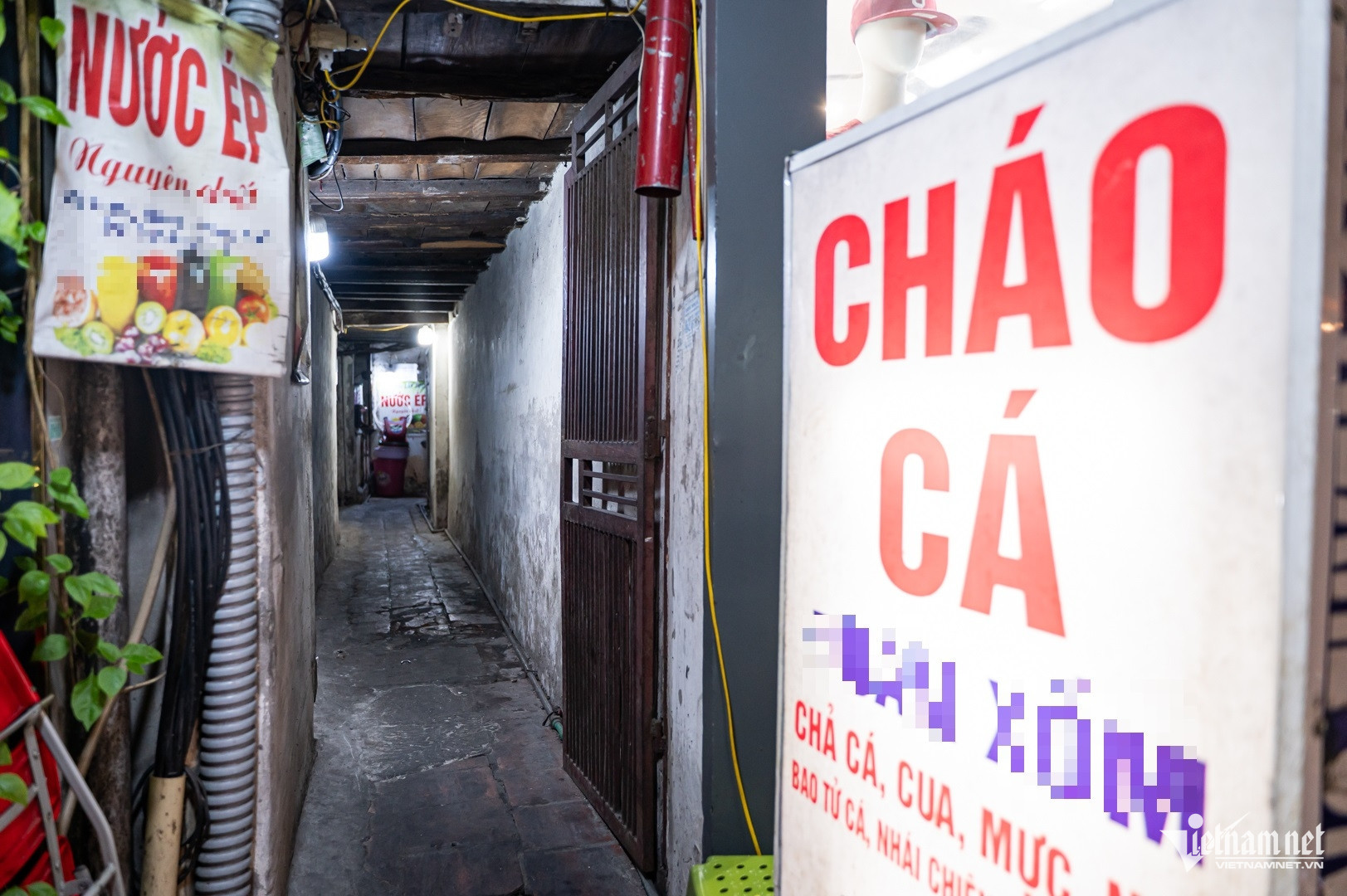
At around 7:30pm, My Han, a 26-year-old visitor from Tay Ninh, and her friend made their way into the bustling street before turning into a narrow, aging alley. Climbing a small staircase to the second floor, they found the well-known porridge shop they had discovered through social media.
Inside, the space is simple and neatly arranged. The kitchen sits right at the entrance, with a steaming pot of porridge filling the air with a rich aroma. Despite its hidden location and limited space, the shop has long been a familiar stop for night diners in the capital.
“This is my first time trying fish porridge in Hanoi. It’s delicious - the fish is firm and flavorful, and the taste is quite different from what I’m used to in the South,” Han said. “I also enjoyed the experience of finding a place tucked away like this.”
The menu features a variety of dishes based on seafood ingredients, including stir-fried fish stomach, squid cakes, and fried frog. Prices range from VND75,000 to VND200,000 (US$3-8). However, the signature fish porridge remains the best-selling item, priced at around VND45,000 (US$1.80) per bowl.

Pham Gia Long, 47, the shop’s owner, said the business was established by his parents in 1997. Today, he and his younger brother, Gia Thanh, 42, continue to run it.
“Previously, the shop was located on the main street, but we later moved into the alley. The space is small, serving around 20 customers at a time. We’ve helped our parents since childhood, so we are familiar with every dish,” Long said.
The shop opens from 5pm until 4am the next morning, catering to a steady flow of diners throughout the night.
A recipe built on tradition
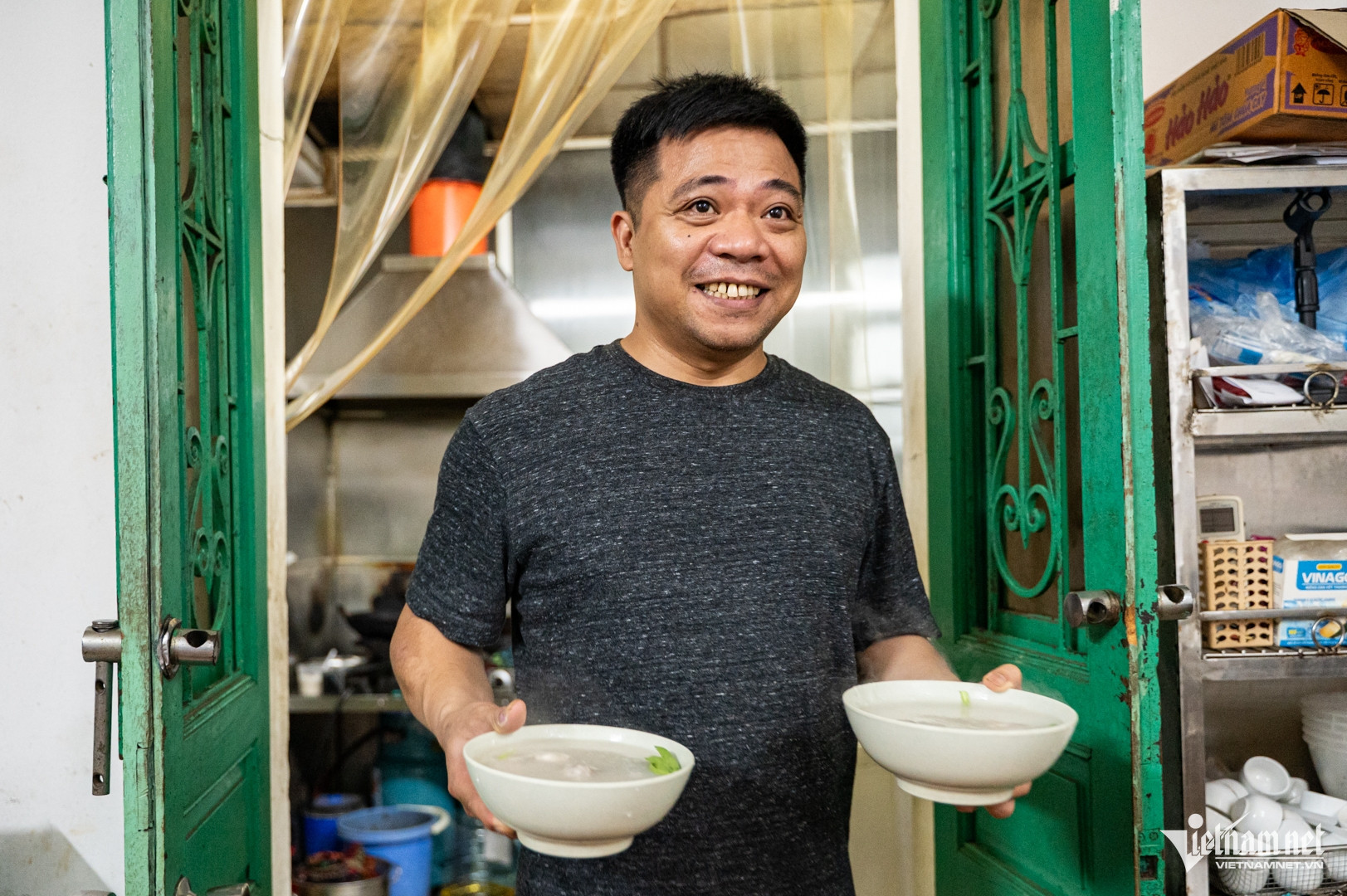
According to Gia Thanh, the shop’s longevity comes down to a carefully preserved cooking method.
Each day, the family uses high-quality rice combined with a small portion of glutinous rice to enhance flavor. The grains are partially ground before being simmered for at least two hours, resulting in a soft and smooth texture. A family seasoning recipe further defines the dish.
The fish used is grass carp, typically weighing over 3kg to ensure firm and flavorful meat. The fish is sourced daily from trusted suppliers and prepared fresh.
On average, the shop uses 15 to 20kg of fish per day and cooks two large pots of porridge.
To eliminate any fishy smell, the fish is marinated for about 30 minutes using a traditional blend of spices before being lightly boiled. This process preserves the natural sweetness and texture of the meat.
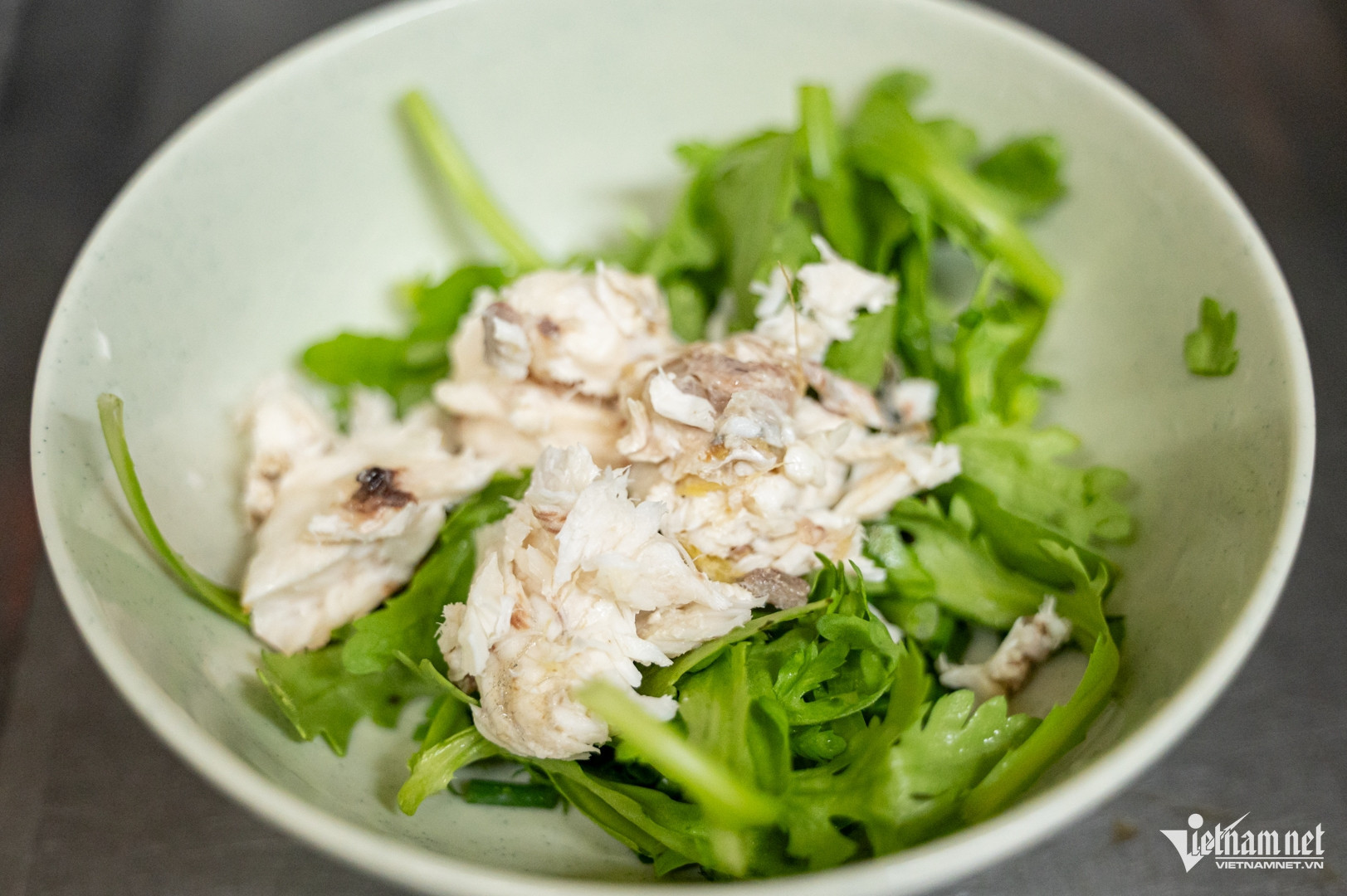
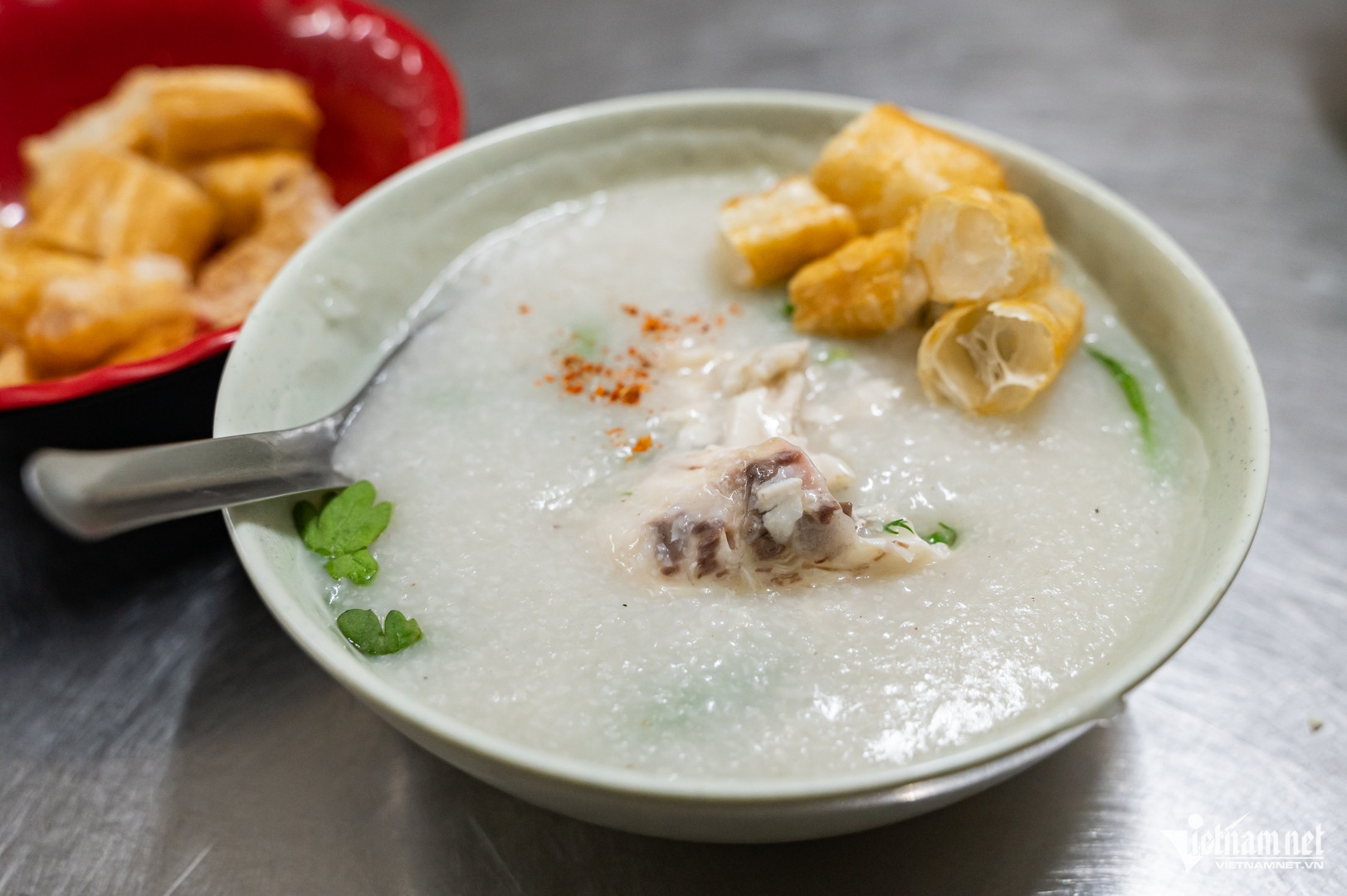
Deboning the fish is the most time-consuming step, requiring precision to ensure no bones remain while maintaining the integrity of the meat.
The porridge is served with spring onions, dill, and chrysanthemum greens. The vegetables are placed at the bottom of the bowl along with the fish, before hot porridge is poured over the top.
Diners mix everything together, allowing the greens to cook lightly while blending with the rich porridge. The firm fish, combined with a touch of pepper and chili powder, creates a balanced and satisfying flavor.
Many customers also order crispy fried dough sticks to accompany the dish.
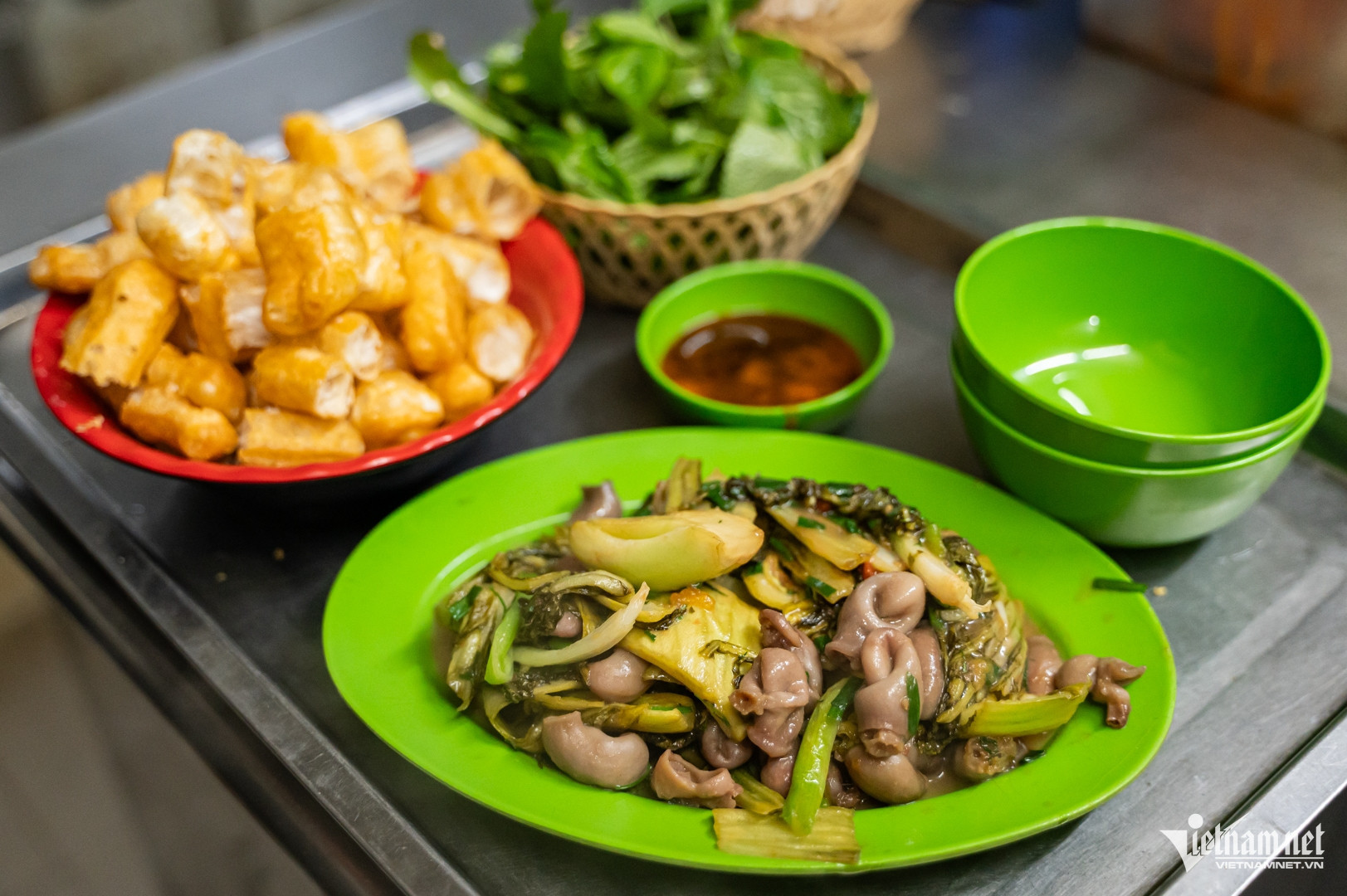
In addition to porridge, stir-fried fish stomach with pickled mustard greens is another popular choice among regulars.
Nguyen Huy - Ngoc Ha
.svg)
