 Vietnamnet.vn

 Podcast



Amid the rapid pace of development and digital transformation, the traditional cultural identity of ethnic communities in Vietnam’s Central Highlands has not been left behind. Instead, it is being revived and shared in new ways by a younger generation eager to reconnect with their roots.
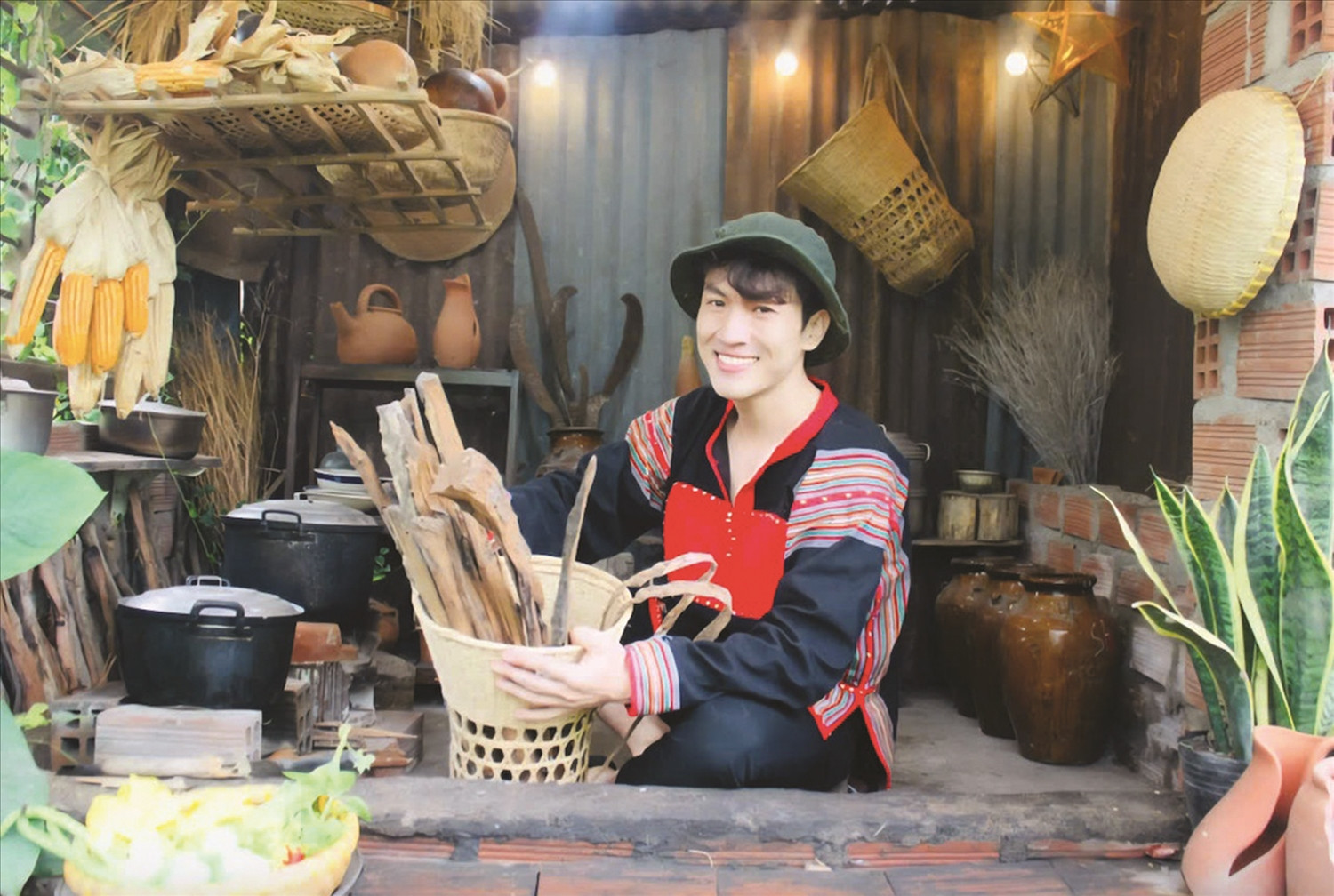
Kpa Sa in Ayun Pa ward with a kitchen space designed in the traditional cultural style of the local community. Photo: NVCC
In residential group 8 of Ayun Pa ward in Gia Lai province, a small garden owned by Kpa Sa has gradually become a place people visit when they want to experience a peaceful corner reflecting the rustic lifestyle of the Gia Rai people.
Since 2018, Sa has transformed what was once a simple plot used for farming and livestock into a tidy and harmonious space. Each courtyard and row of trees has been carefully arranged to create an atmosphere that feels both natural and welcoming.
Beyond beautifying the 200-square-metre garden, Sa also shares images and videos of traditional dishes such as cassava leaves, bitter eggplant and ant salt, as well as everyday tools used by the Gia Rai community, on social media.
These simple but heartfelt posts have resonated with many viewers, drawing visitors who come to see what they describe as a “miniature corner” of local culture.
“At first I worried that my garden was not attractive enough,” Sa said. “So I began redesigning and improving it to make the space more harmonious, cleaner and more beautiful.
“Every day I think about how to arrange one area or another so the garden becomes more lively and appealing. Sometimes from morning until evening there is still work to do, but I keep improving it so people will enjoy visiting.”
In Ia Ly commune, another initiative is helping revive traditional crafts that once seemed to be fading away.
H’Uyen Nie has developed a community-based tourism model known as the Gia Rai Cultural Tourism Village, where visitors can experience everyday cultural practices of the local community.
Concerned that traditional skills such as brocade weaving, basket weaving and rice pounding were becoming less common in daily life, she worked with a group of women in the village to organise hands-on experiences for visitors.
These activities are promoted through the village’s social media fanpage, which helps attract tourists while creating additional income for local women.
More importantly, it allows traditional crafts to be preserved through regular practice.
“Our village has a fanpage called Community Tourism Village,” H’Uyen said.
“The main activities include brocade weaving, basket weaving, rice pounding and traditional cuisine. Visitors can soak rice, cut bamboo tubes and fill them with rice to make bamboo-tube rice. Depending on the season, guests can also take part in activities such as harvesting ripe coffee berries and taking photos.”
Alongside economic development, H’Uyen said cultural preservation remains a central priority.
She encourages younger villagers to learn and maintain traditional practices such as playing gong instruments, weaving textiles and basket weaving so that the heritage of previous generations can continue to thrive.
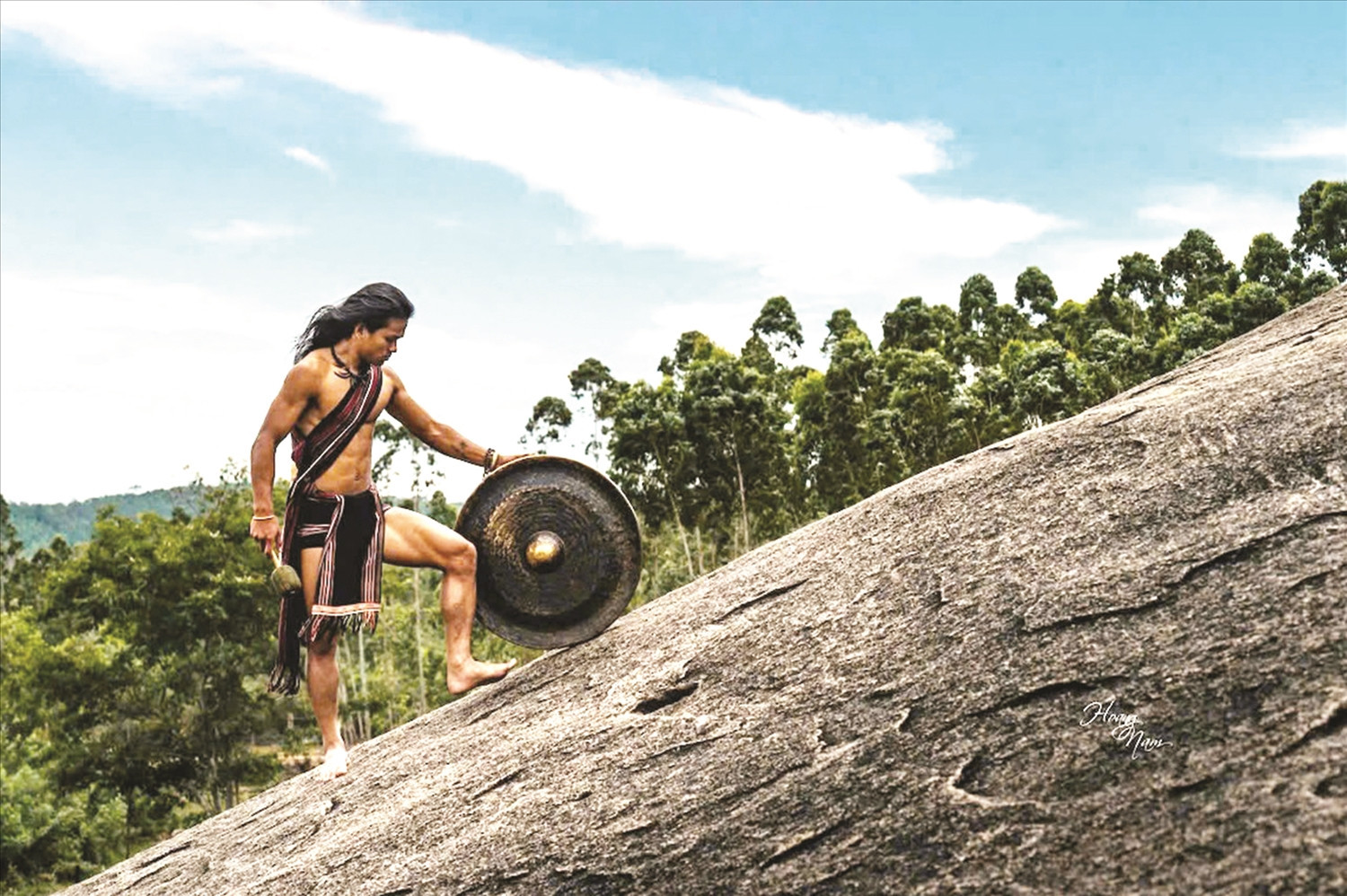
While Sa and H’Uyen promote cultural identity through physical spaces and traditional crafts, 23-year-old Rcom Bus from Pleiku has chosen music and visual storytelling to share the spirit of the Central Highlands.
His social media page, Tarzan Tay Nguyen, has attracted more than 160,000 followers. His videos often feature him blowing a traditional horn beside waterfalls or climbing mountains while wearing traditional loincloth attire, evoking the powerful imagery of the highland forests.
“I used to be a shy boy who was afraid of crowded places,” Bus said. “But I have always loved the gong culture and the traditional music of my people.
“I wanted to introduce my culture to more people, so I started using my phone to film vlogs about our cultural activities. Gradually I became more confident and began creating more videos with richer content.”
Although he never received formal musical training, Bus has created a distinctive presence online.
With his strong appearance, long hair, sun-tanned skin and free-spirited personality, many followers have nicknamed him “Tarzan of the Central Highlands”.
His videos of mountain climbing, rope swinging and performing traditional instruments often attract hundreds of thousands of views. His first viral clip alone received more than 200,000 likes.
Through these efforts, Bus has gradually become a natural ambassador for the culture and landscape of the Central Highlands.
According to Do Duc Thanh, standing deputy secretary of the Gia Lai Provincial Youth Union and president of the Vietnam Youth Federation in the province, digital technology and social media are powerful tools that help young people reconnect with their cultural heritage.
“From a small garden in Ayun Pa to brocade looms in Ia Ly or the echo of horns among the mountains of Pleiku, young ethnic minority people in Gia Lai are quietly telling the story of their homeland’s culture in new ways,” Thanh said.
“They are cultural ambassadors of the Central Highlands, playing an important role in bringing the image of Gia Lai closer to visitors both from Vietnam and abroad.”
Le Phuong
.svg)
