 Vietnamnet.vn

 Podcast



After leaving stable factory jobs that brought in more than VND20 million ($770) per month in Hanoi, a couple in Nghe An returned to their hometown to raise bamboo rats. Four years later, their farm maintains more than 200 animals and generates annual earnings worth hundreds of millions of dong.
Before entering the bamboo rat farming business, Nguyen Thi Dieu, 32, and her husband Hoang Van Toan, 37, from Quynh Mai Ward in Nghe An Province, spent many years working as factory employees in Hanoi. Despite their stable income, they were driven by a desire to build a future on their own land.
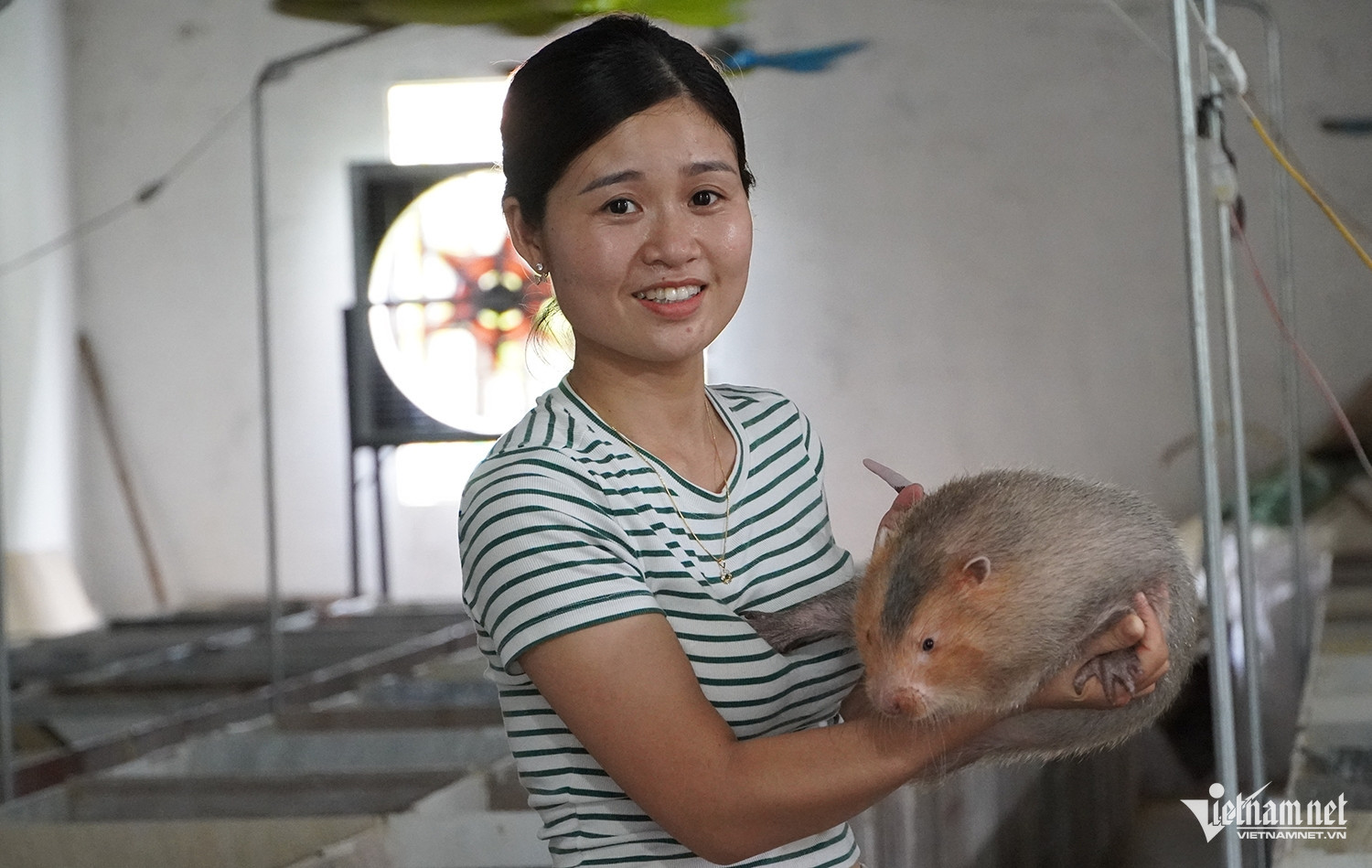
In his spare time, Toan frequently researched effective rural business models online. After recognising the potential of bamboo rat farming, which offered the prospect of relatively high and stable returns, he began planning a return to his hometown.
Once they had acquired basic knowledge and technical skills, the couple resigned from their jobs in 2022 and moved back to Quynh Mai Ward to begin a new chapter.
The decision was initially met with considerable scepticism.
Relatives and neighbours believed they were making a mistake by giving up secure employment in the city. Some questioned who would buy bamboo rats and predicted the venture would soon fail.
However, the couple remained committed to their plan. They purchased 10 breeding pairs of bamboo rats from a farm in Ha Tinh Province for VND45 million ($1,730) and began raising them on a trial basis.
The early stages proved difficult. The animals frequently suffered from diarrhoea, digestive illnesses and loss of appetite, resulting in significant losses among the breeding stock.
While Dieu worried about the setbacks, Toan encouraged her to view the losses as the unavoidable tuition fees of entrepreneurship.
Refusing to give up, the couple continued learning from experienced breeders and suppliers. Once the animals adapted and began thriving, they borrowed additional capital and invested around VND200 million ($7,700) to build a permanent farm consisting of approximately 100 breeding enclosures.
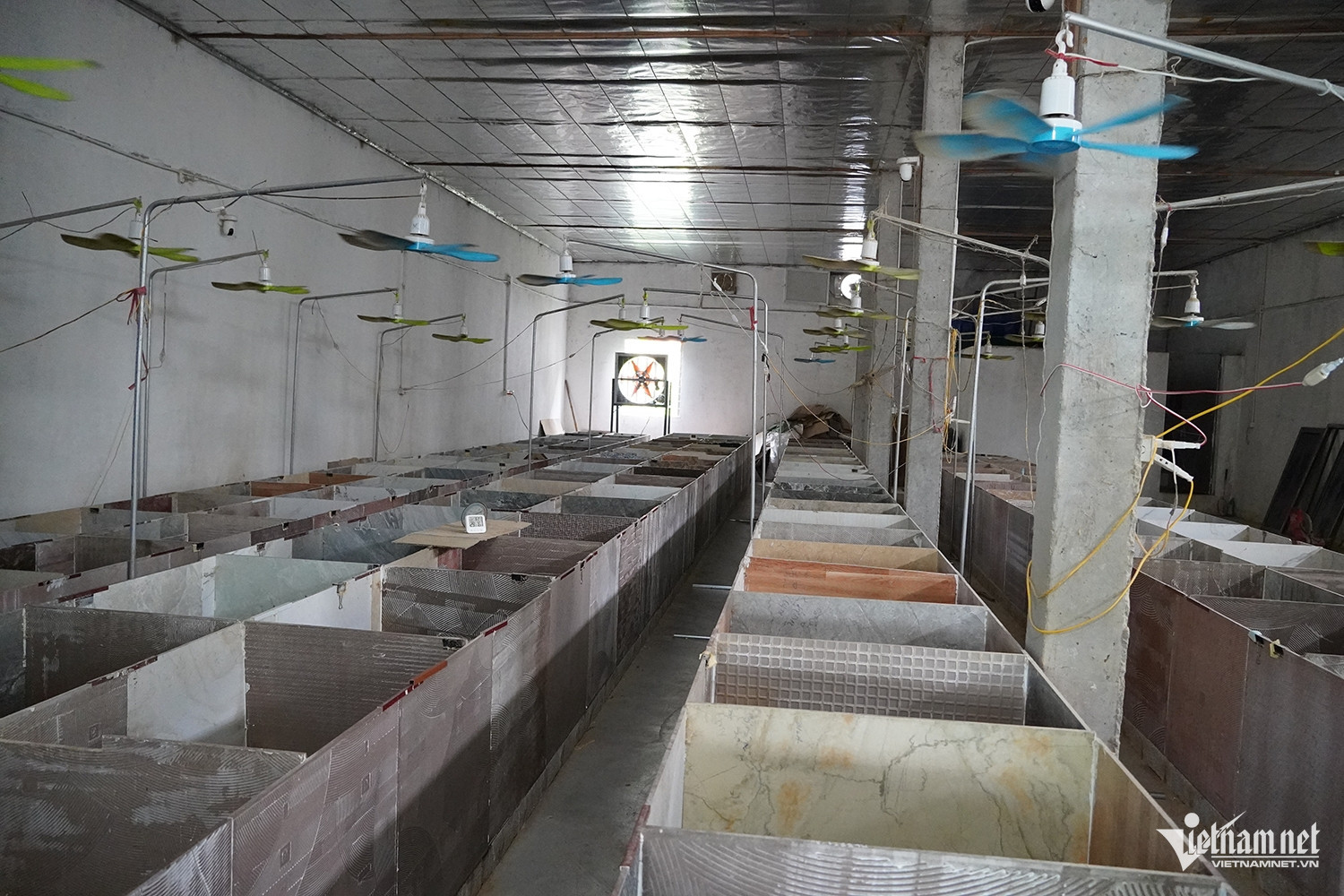
One of the most important technical factors, according to Dieu, is temperature control.
Bamboo rats prefer cool conditions and develop best in temperatures ranging from 17°C to 26°C.
“Air conditioning makes the environment too dry and can affect their respiratory systems. Our cooling system provides a more stable environment for the animals,” she explained.
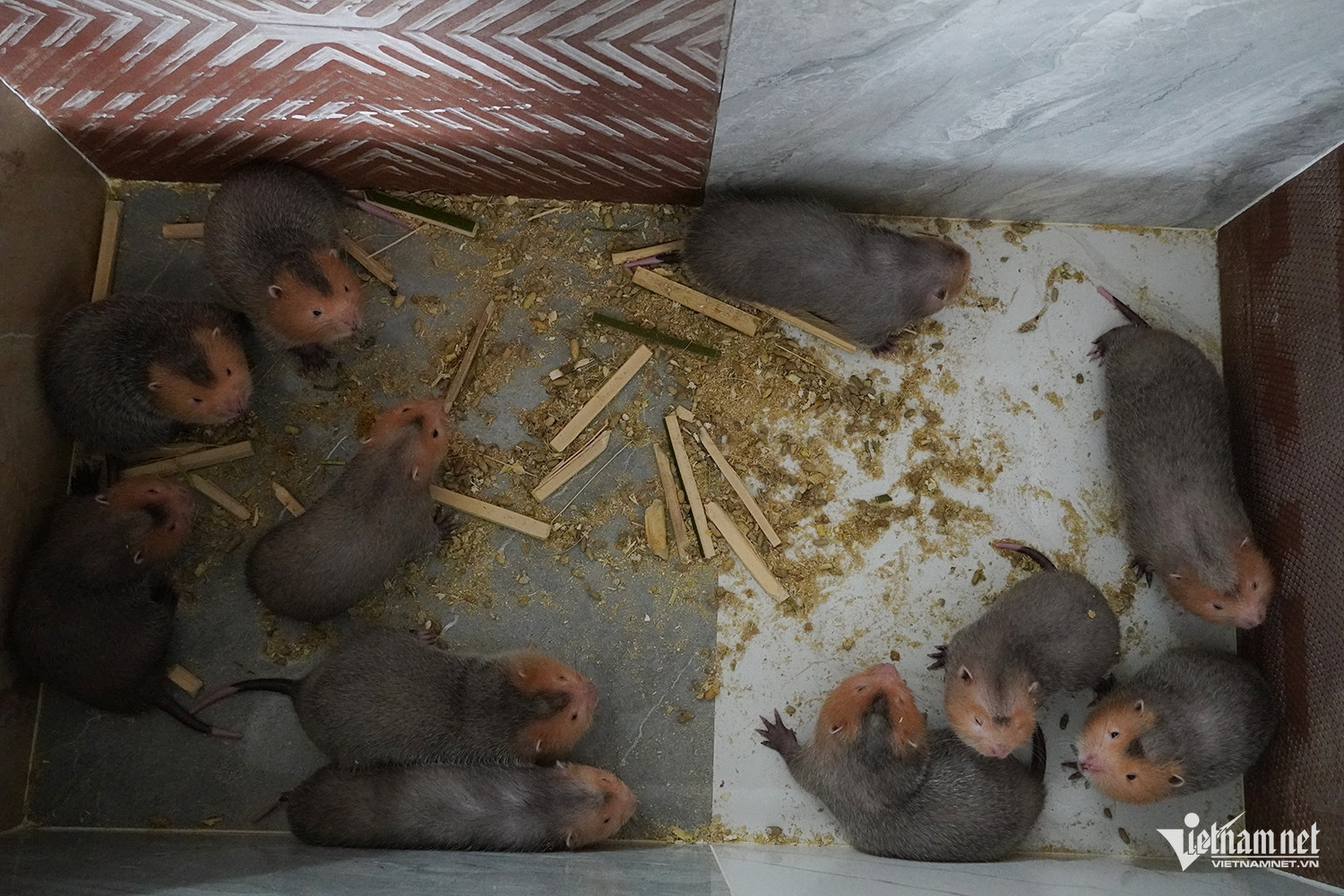
The farm currently maintains a herd of more than 200 bamboo rats, including 50 breeding pairs that provide a steady source of income.
In addition to their relatively high market value, bamboo rats offer another advantage: their feed is inexpensive and readily available. Their diet consists mainly of bamboo, sugarcane, corn and cassava.
According to Dieu, the total monthly feed cost for the entire herd is around VND2.5 million ($96).
However, feeding requires careful management because bamboo rats have sensitive digestive systems.
She said all feed should be harvested in the afternoon. Farmers should avoid cutting bamboo or sugarcane early in the morning or immediately after rain because moisture from dew or rainwater can easily cause intestinal problems.
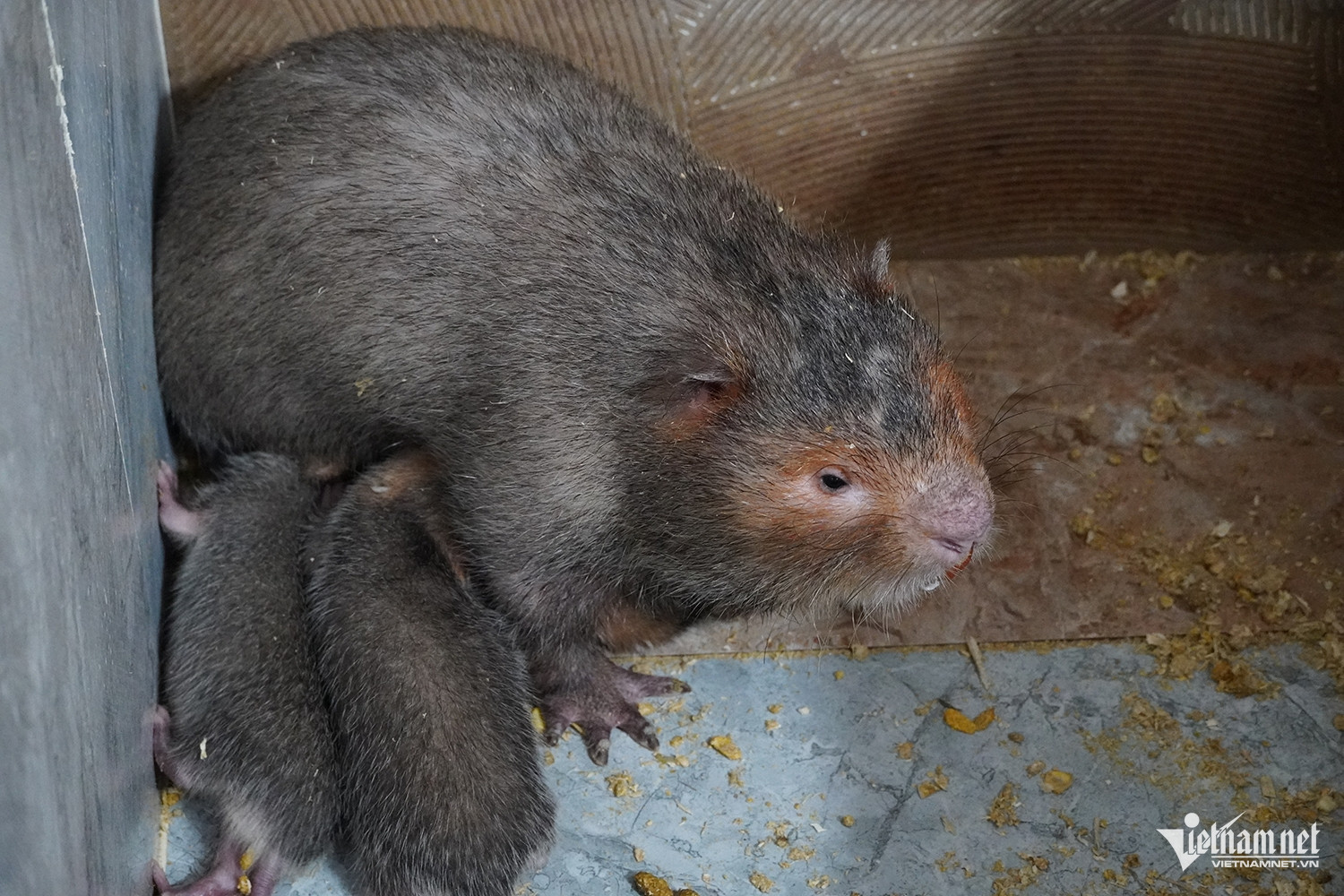
Thanks to meticulous care and a structured breeding process, the herd reproduces steadily and regularly produces dozens of offspring, quickly filling available enclosures.
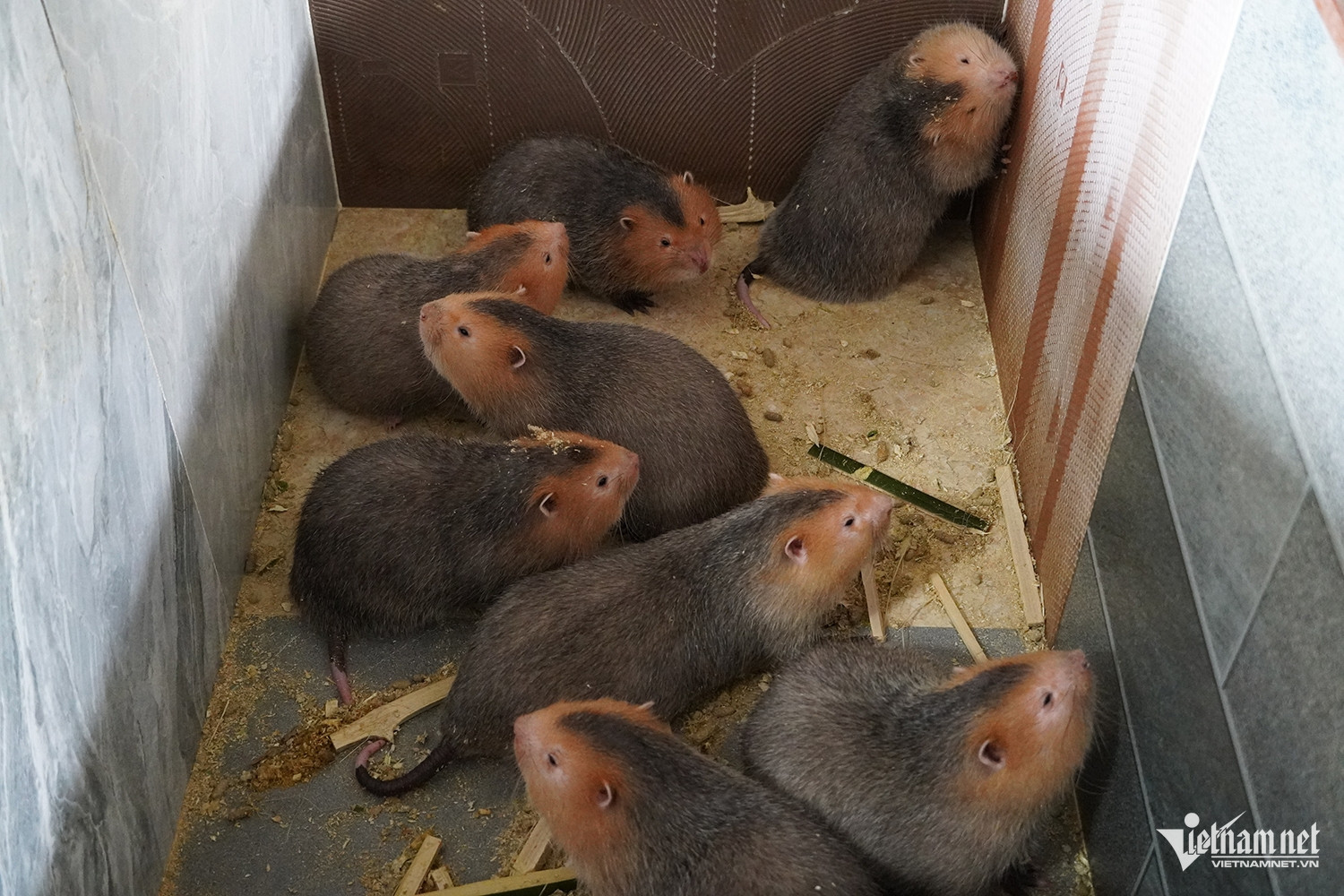
A female bamboo rat typically produces one to two litters per year, with each litter containing between two and four young.
Breeding pairs currently sell for about VND3.5 million ($135) per pair, while commercial bamboo rats fetch around VND800,000 ($31) per kilogram.
Most of the farm's customers come from northern provinces, providing a relatively stable market.
A breeding pair weighing around one kilogram can be sold for approximately VND3.5 million ($135).
Dieu said the farm recovered its initial investment during the first year of operation. By the second year, the family had begun generating profits and expanding production.
The couple now plans to increase the herd to between 400 and 500 animals.
Nguyen Canh Tuy, Chairman of the local Farmers' Association, described the model as an innovative approach for the area.
Currently, only two households in the ward are engaged in bamboo rat farming.
According to Tuy, while the initial investment costs are relatively high compared with traditional livestock, bamboo rat farming offers several advantages, including suitability to local environmental conditions, low disease risk and easily sourced feed.
He believes the model has strong potential to support sustainable rural economic development.
Tran Tuyen
.svg)
