 Vietnamnet.vn

 Podcast



Thao Trinh
Cai troi, also known locally as cai ma, co hoi, ha kho thao nam or kim dau tuyen, is a wild herbaceous plant that grows in clusters around home gardens, rice fields, ponds and canals.
In Vietnam, the plant can be found in many regions, though it is especially common in the Mekong Delta.
The herb grows in bunches before branching into multiple stems.
Its leaves have gently wavy edges, while the stems are covered in fine, soft hairs.
In recent years, cai troi has become increasingly popular among locals as a clean and natural vegetable for daily meals.
Cai troi is a sun-loving plant that grows quickly and can be harvested continuously. Photos: Vuong Thanh Bang, Nga Cao
Cao Nga, a resident of Tra Con commune in Vinh Long province, said that besides being gathered from the wild, cai troi is now commonly cultivated in parts of the Mekong Delta through seeds or cuttings.
“This vegetable is resilient, easy to grow and requires very little care while producing harvests quickly. However, locals believe wild cai troi has a more distinctive flavor and tastes better than cultivated varieties,” she said.
According to Nga, cai troi grows year-round but tastes best from spring to summer, especially after rainfall.
The herb thrives naturally without maintenance and is rarely damaged by insects or pests.
Before flowering, even if the tips are cut, the plant can regenerate and quickly produce new shoots.
Because of this, locals jokingly describe it as a vegetable that “keeps growing the more you harvest it” and “costs nothing to buy.”
Nga added that young cai troi shoots can simply be washed and eaten raw.
They are often served alone or combined with other wild herbs and dipped into braised fish or meat sauce.
The herb is also commonly cooked in hotpots, stir-fried with garlic or boiled and eaten with fermented tofu sauce.
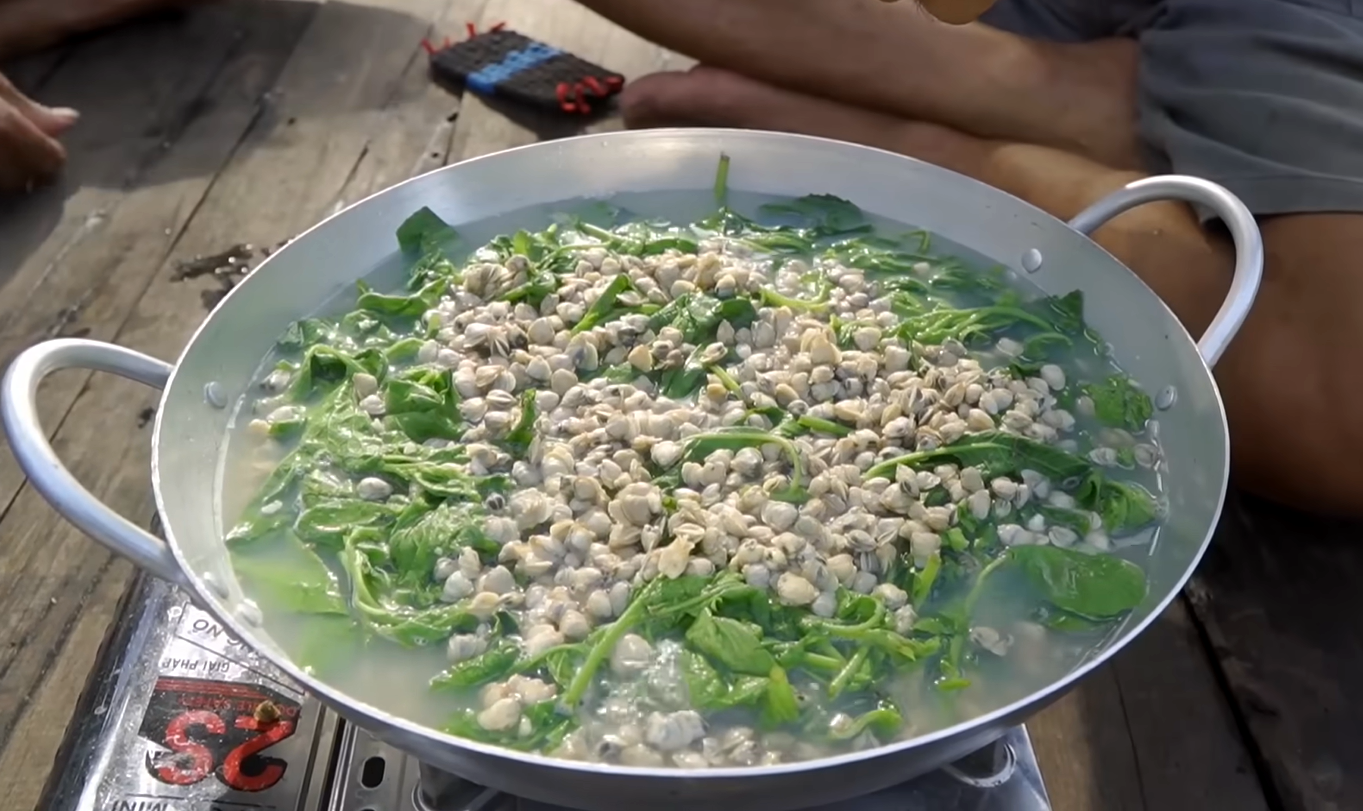
However, the most popular preparation remains cai troi soup.
In the Mekong Delta, locals often cook the herb with clams, shellfish, snakehead fish or shrimp.
These ingredients enhance the vegetable’s distinctive flavor while adding a naturally sweet taste to the broth.
“Cai troi has a slightly pungent aroma and strong flavor, but once people get used to it, they begin to love it. Some even notice a subtle sweetness and refreshing aftertaste,” Nga said.
Tran Minh from Ho Chi Minh City, who has tried dishes made with cai troi several times, described the herb as unique and pleasantly familiar, with a scent somewhat similar to mustard greens.
As someone who prefers clean and natural ingredients for family meals, he occasionally orders several kilograms of cai troi from the Mekong Delta to prepare dishes at home.
“Once cleaned, cai troi is very easy to cook. It tastes great in hotpot or soup with snakehead fish. However, because the vegetable cooks quickly, timing is important to preserve its natural green color, crisp texture and distinctive aroma,” he said.
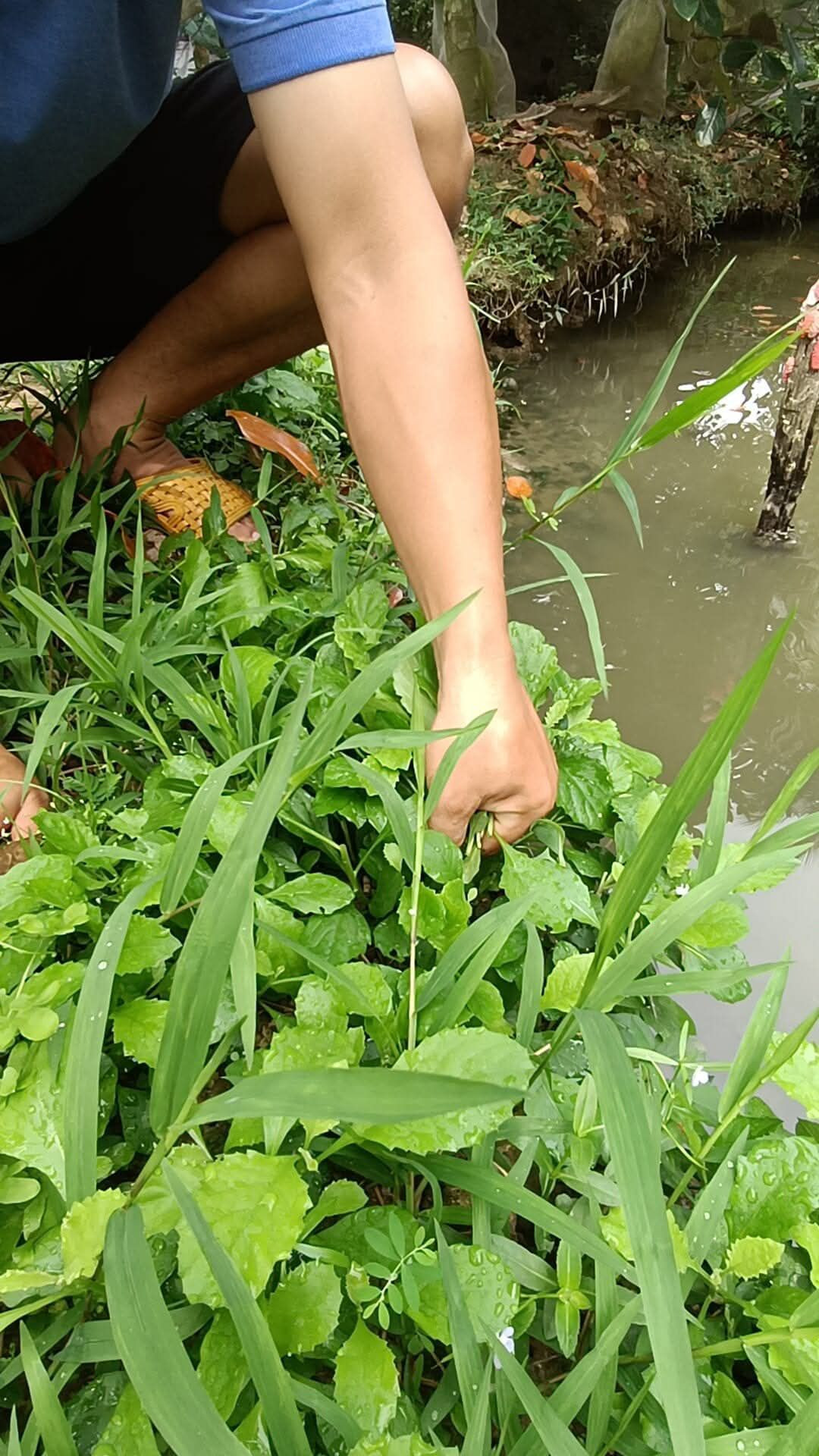
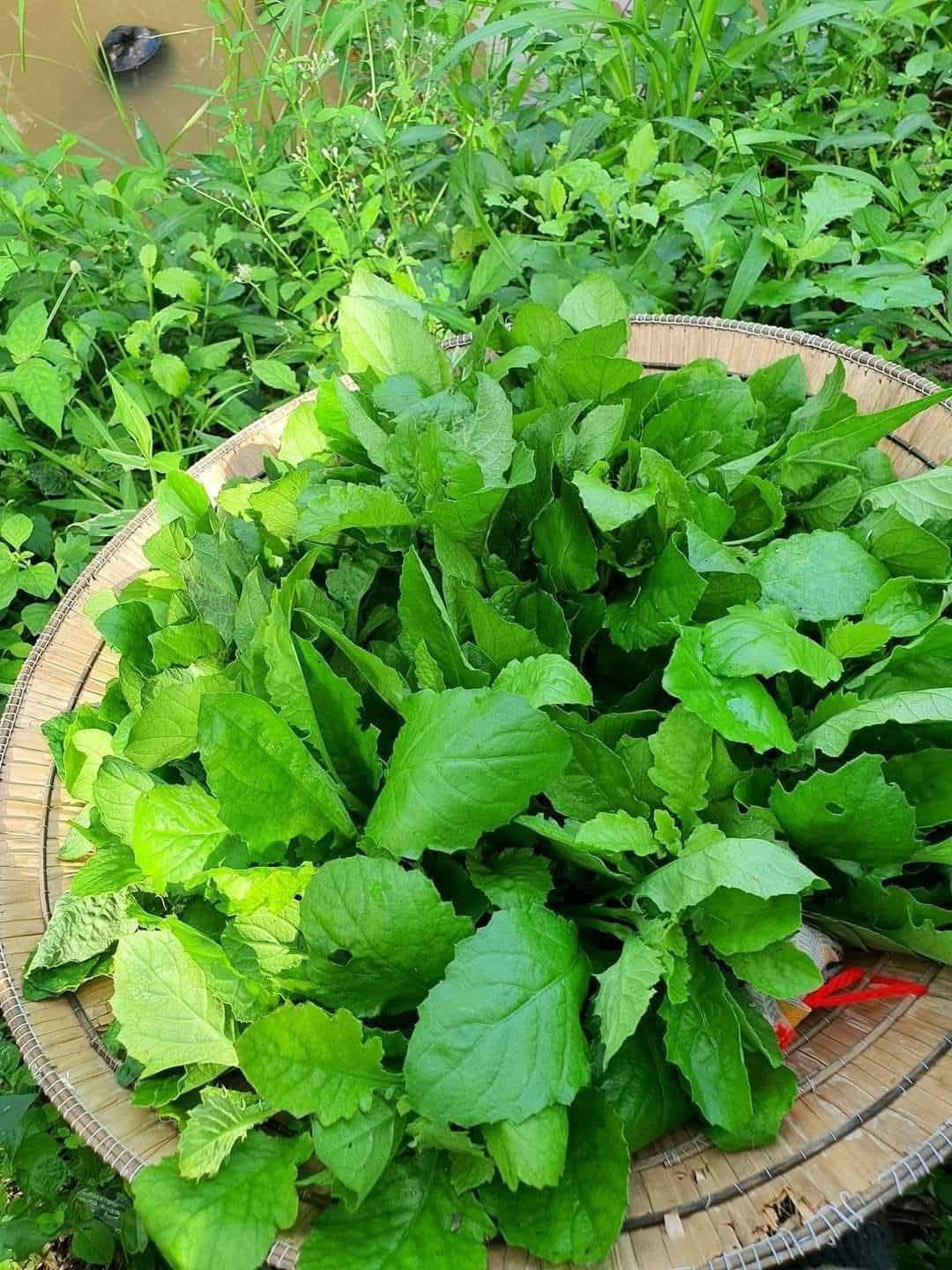
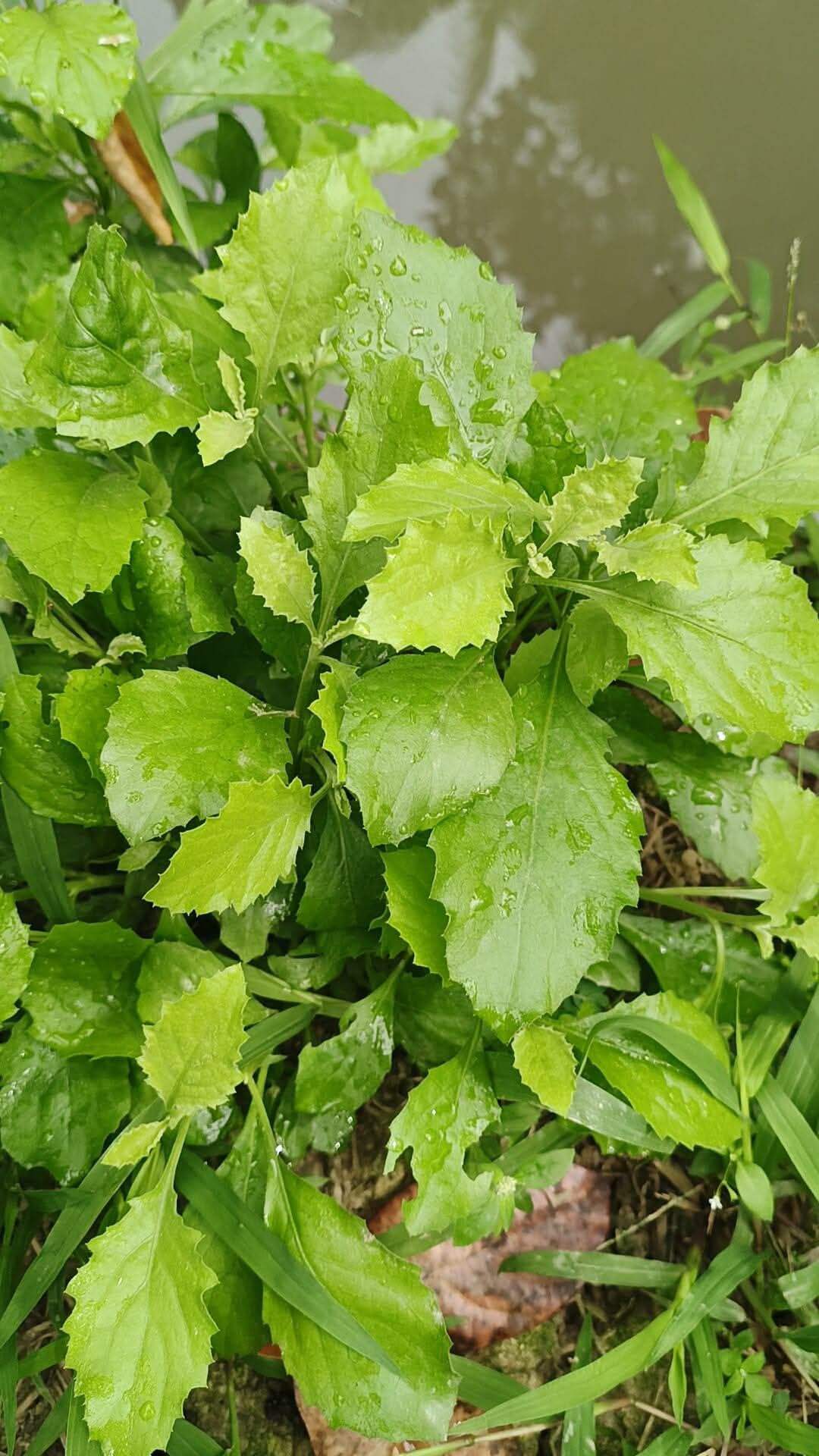
Cai troi is a sun-loving plant that grows quickly and can be harvested continuously. Photos: Vuong Thanh Bang, Nga Cao
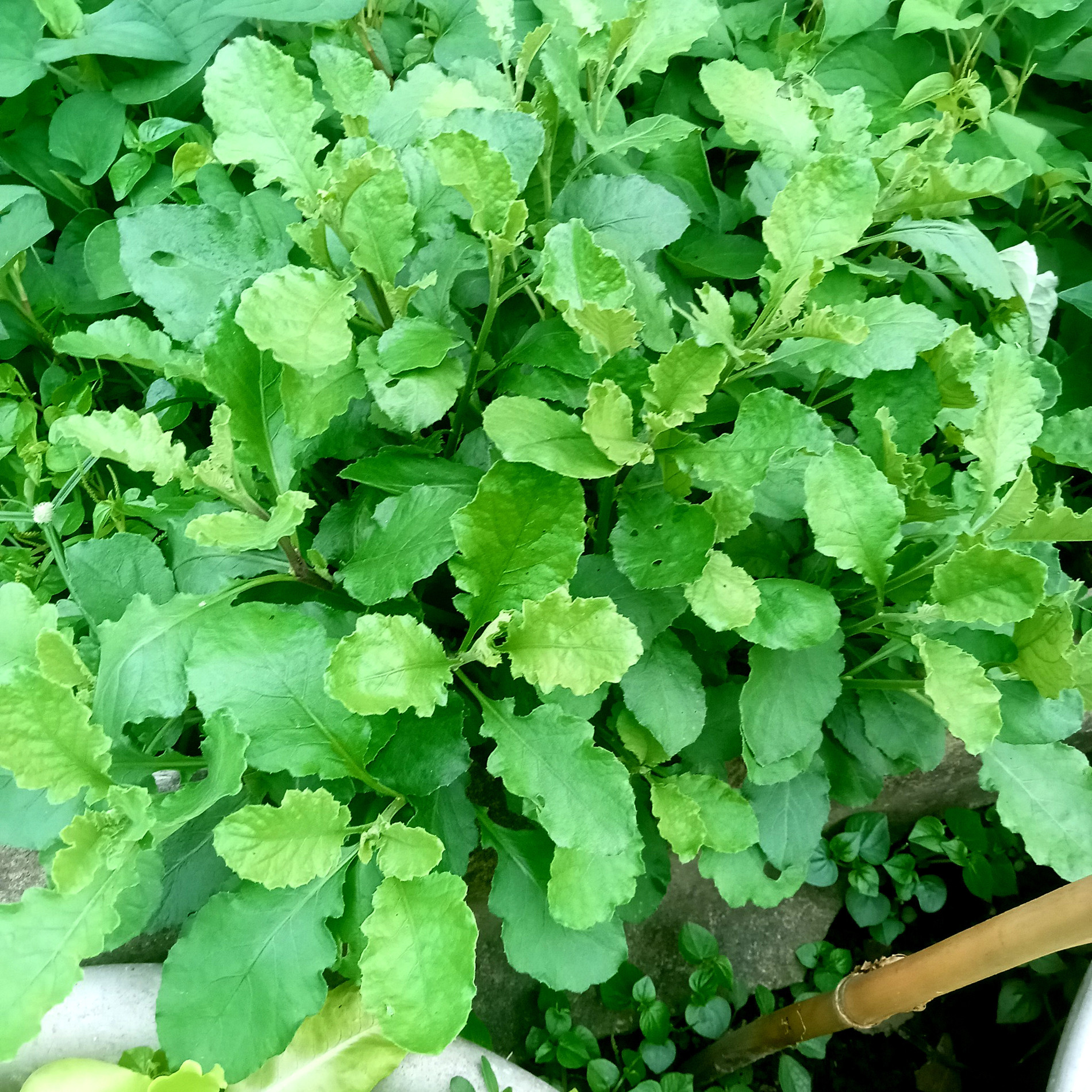
Cai troi grows abundantly in rural areas, so locals jokingly call it a vegetable that “costs nothing to buy.” Photo: Minh Minh
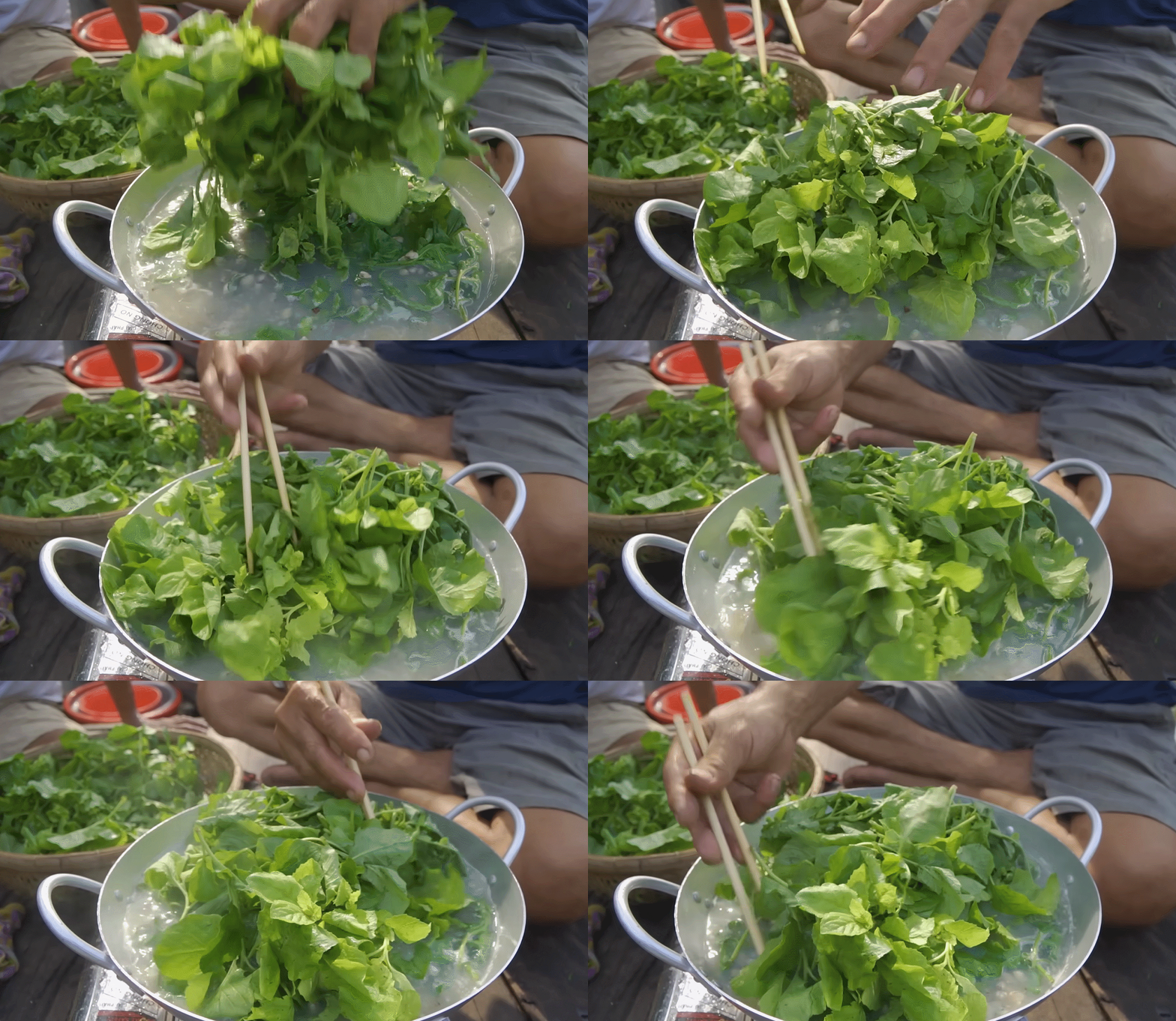
Cai troi tastes delicious in hotpot or soup. Photo: Net Que
.svg)
