 Vietnamnet.vn

 Podcast



Preserving traditional weaving through tourism
Tucked away in the mountains of western Thanh Hoa Province, But Village in Nam Xuan Commune is home to an ethnic Thai community known for its traditional wooden stilt houses, peaceful surroundings and enduring cultural traditions.
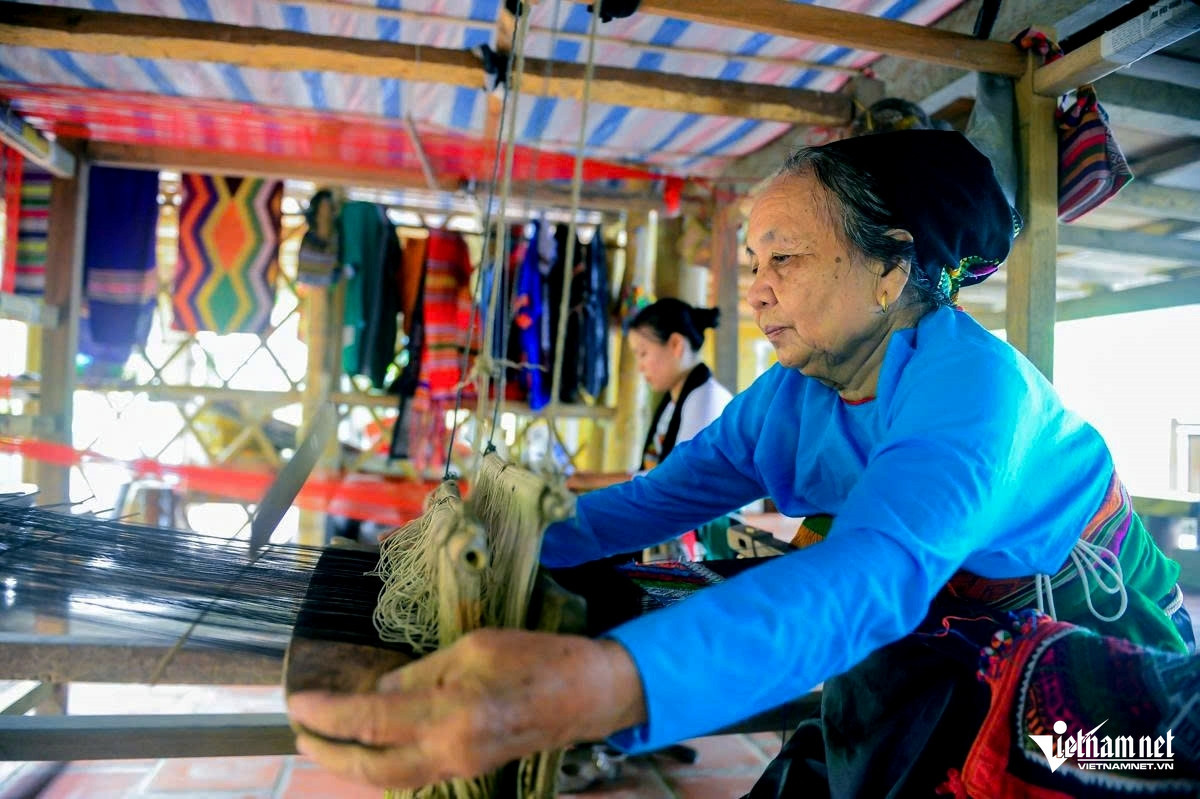
Visitors come not only to stay in the village's stilt houses and enjoy local specialties such as bamboo-tube rice and free-range chicken, but also to discover the traditional brocade weaving craft that has been part of village life for generations.
Inside the stilt houses that now welcome tourists, brocade is everywhere. Handwoven scarves, fabric bags, pillowcases, curtains, blankets, bed linens and seat cushions bring color and character to the rooms.
Their intricate patterns, carefully created by local weavers, do more than decorate the homestays. They offer visitors a closer connection to the culture and craftsmanship of the community.
Luong Thi Nha, 75, has been weaving since she was seven. As a child, she spent countless hours watching her mother and other family members work at their looms, gradually learning the skills that had been passed down through generations.
"Weaving takes patience and great attention to detail, from setting up the threads and combining colors to creating the patterns," Nha said.
"Every step requires precision. A weaver must know how each pattern works and adjust individual threads to bring out the distinctive designs in the fabric."
For Nha, weaving has never been simply about making things for everyday use. It is also a way of keeping her community's cultural heritage alive, passing on both the techniques and the patterns that earlier generations worked so carefully to develop.
"In 2021, the traditional brocade weaving craft of But Village was officially recognized as a traditional craft by the Thanh Hoa provincial authorities," she said. "The recognition has given the locality a stronger foundation for preserving the craft while finding ways to keep it relevant in modern life."
Weaving new opportunities for local incomes
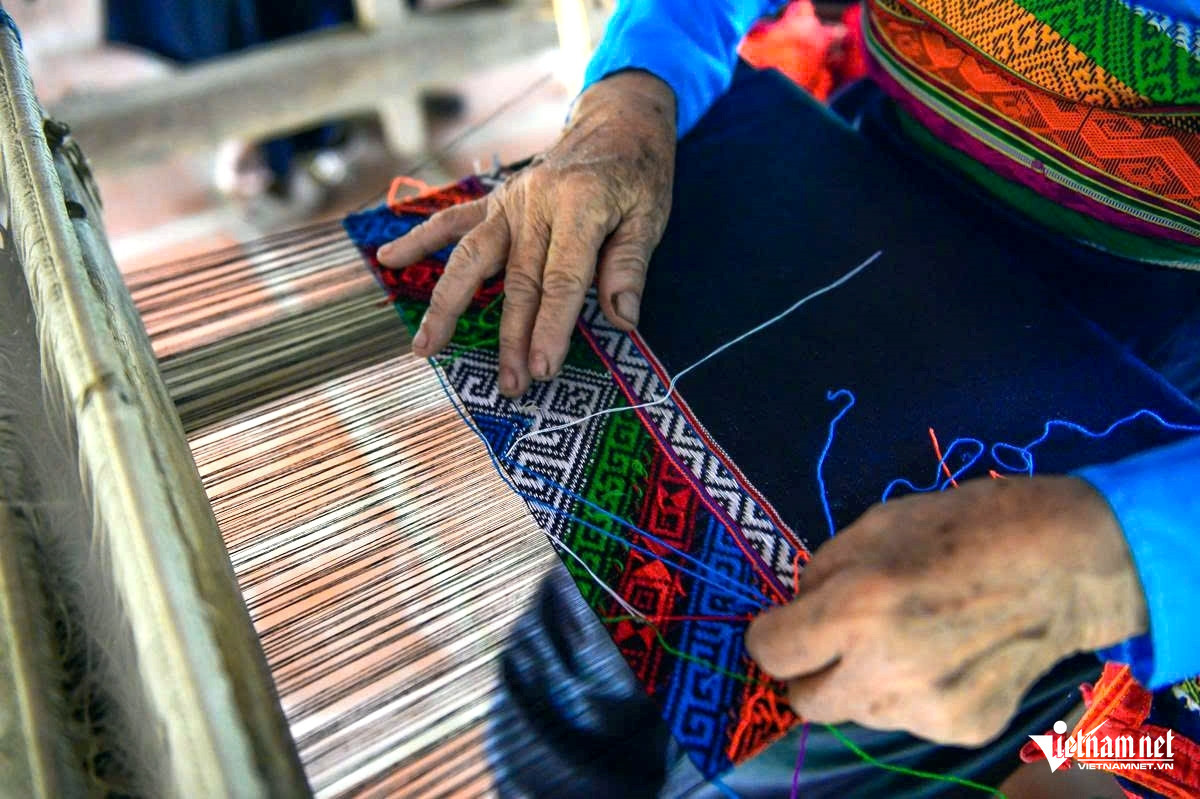
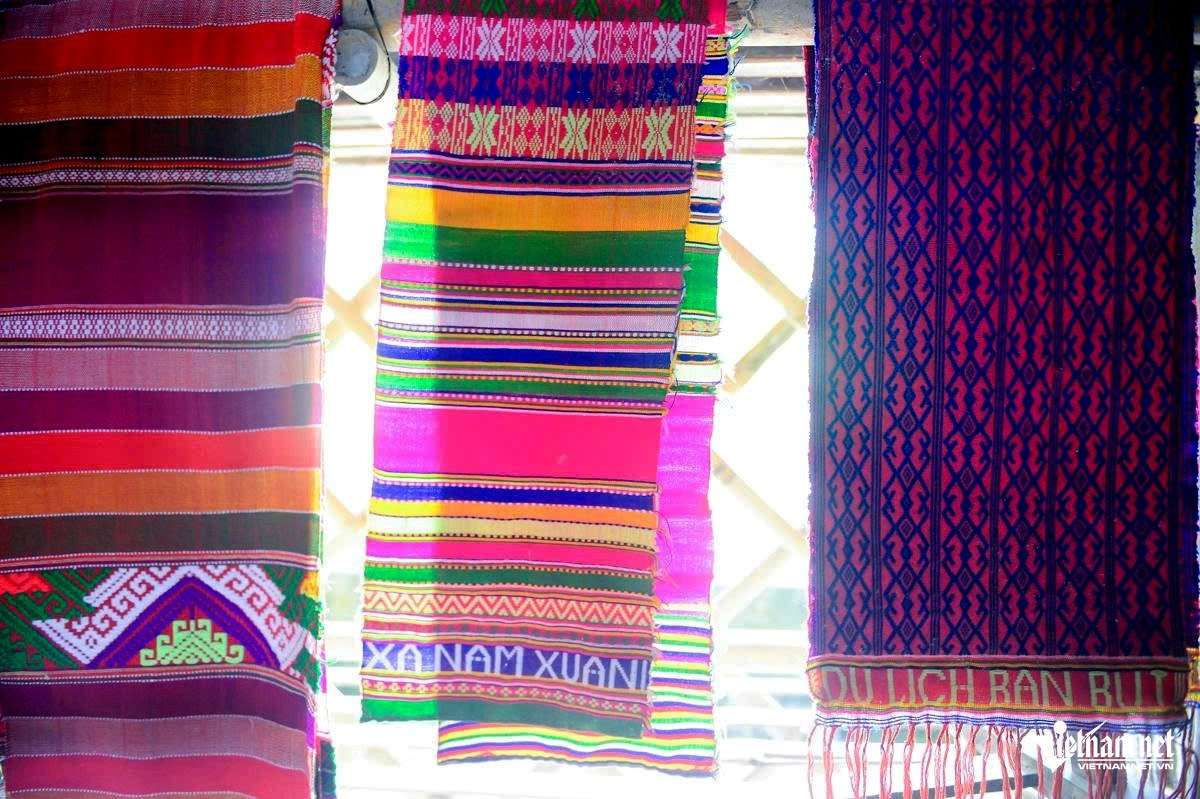
According to villagers, brocade was once produced mainly for household use. Today, the growth of community-based tourism has opened up a new market for the fabrics woven by But Village's ethnic Thai residents.
Alongside traditional clothing and pieu headscarves worn by ethnic Thai women, local weavers now make fabric bags, seat cushions, blankets, bed linens, pillows and other items suited to visitors' needs.
Some are used to furnish and decorate the village's tourist homestays, while others are displayed and offered for sale as souvenirs.
Hoang Manh Hung, Vice Chairman of the Nam Xuan Commune People's Committee, said incorporating brocade into tourist accommodation has given traditional woven products new practical uses while allowing visitors to learn more about local weaving techniques and ethnic Thai culture.
According to Hung, the commune began converting selected traditional stilt houses into tourist homestays in 2020. What started with a handful of participating households has gradually developed into a broader community tourism initiative.
But Village now has five households involved in tourism. The area receives around 10,000 to 15,000 visitors annually for sightseeing, cultural experiences and overnight stays, generating a significant source of income for local residents.
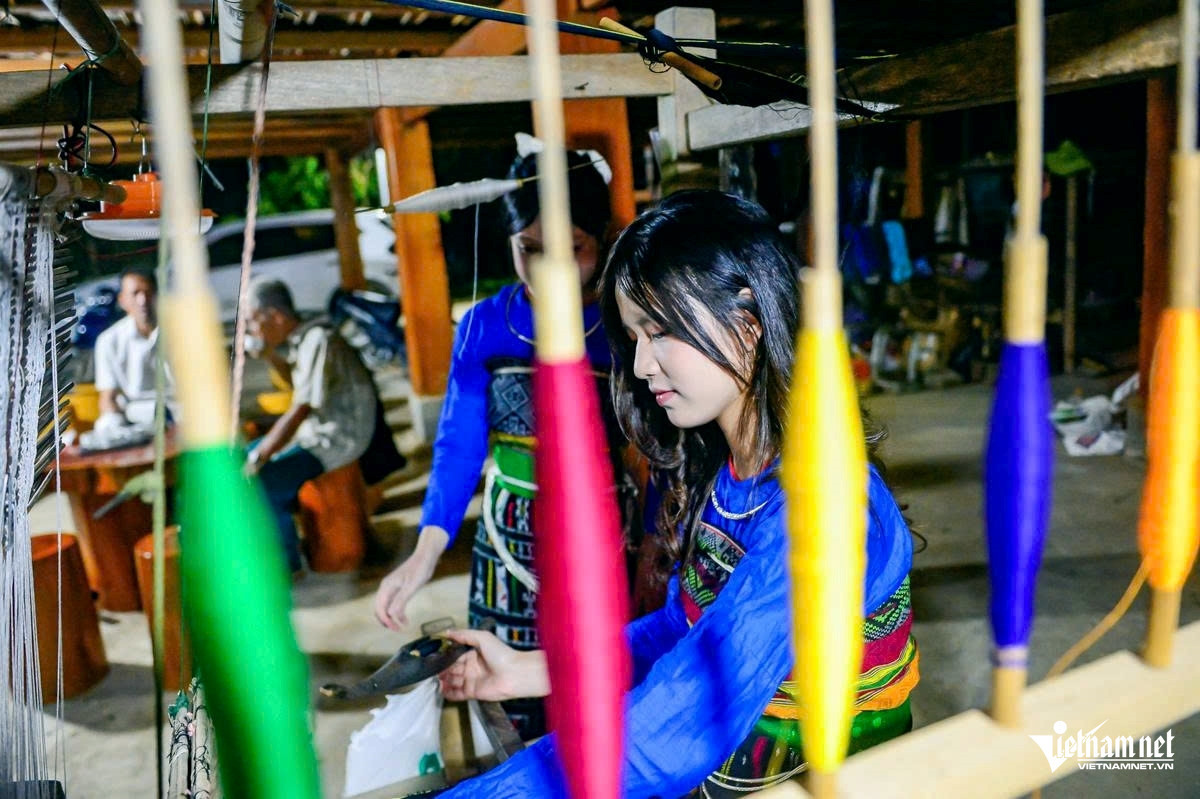
Tourism has also created more opportunities to sell handwoven brocade, providing additional earnings for those who continue to practice the traditional craft.
"Our commune is working to develop community-based tourism alongside the preservation and promotion of traditional cultural identity," Hung said. "Handicrafts, particularly brocade weaving, are considered one of the defining features of the destination. They are also an important part of ensuring that traditional crafts can survive in the long term."
Hung said turning brocade weaving into a genuinely sustainable livelihood will require improvements in product quality, a wider range of designs and continued respect for the craft's handmade character.
He also emphasized the importance of building stronger connections between weavers, homestay operators and travel companies, alongside efforts to promote local tourism.
Such cooperation, he said, would help expand markets for woven products and give villagers greater control over their production and livelihoods.
Le Duong
.svg)
