 Vietnamnet.vn

 Podcast



Ra Pat Ngoc Ha, born in 2000 and from A Luoi 4 commune in the central city of Hue, is currently a student at the Faculty of History at the University of Sciences, Hue University.
For Ha, learning about traditional musical instruments is also a way of understanding the culture and memories of his own homeland.
Through quiet, everyday efforts, the young man from the Truong Son mountain range is working to preserve the cultural heritage of the Ta Oi community in the highlands of A Luoi, while bringing its distinctive sounds closer to younger generations in the digital age.
It started with a bamboo mouth harp
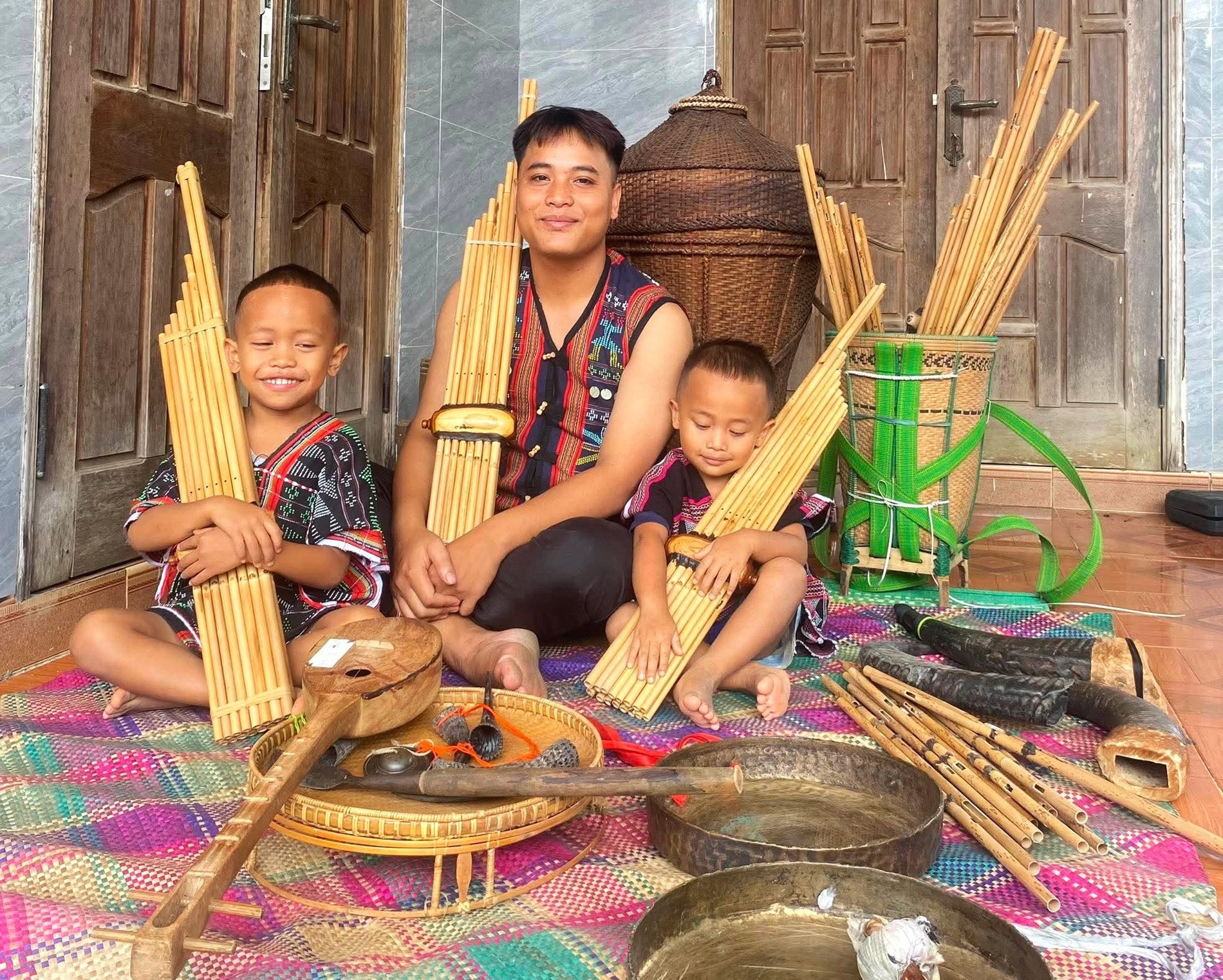
Ha said his journey began in ninth grade, when he joined a summer class in traditional folk songs and dances organized by his local community.
The songs, dances and sounds of traditional instruments gradually became familiar to him.
At home, his grandfather often reminded him of the importance of preserving the cultural values passed down by their ancestors. Those words led Ha to pay closer attention to the instruments that remained part of everyday life among the Ta Oi.
At first, he simply wanted to learn how to play them. Then he became curious about how they were made.
Ha began studying the principles behind the sounds they produced and experimenting with making instruments from bamboo and other locally available materials, hoping the sounds of the mountains would not be forgotten.
A bamboo mouth harp was among the first instruments he attempted to make.
“At first, I just wanted to know why it made that sound,” Ha said. “I observed it, took it apart to see how it was constructed and then tried making one myself. After many attempts, I gradually understood how it worked.”
Once he understood how one instrument produced sound, he moved on to others, studying percussion, wind and string instruments as well as those that produce resonant tones.
Ha’s approach to learning was straightforward.
Older members of the community who knew about traditional instruments explained what they could, from selecting materials and understanding their construction to learning how to play them. Ha memorized their instructions, experimented on his own and corrected his mistakes along the way.
Bamboo, a familiar material in the mountainous region, became the starting point for many of his experiments.
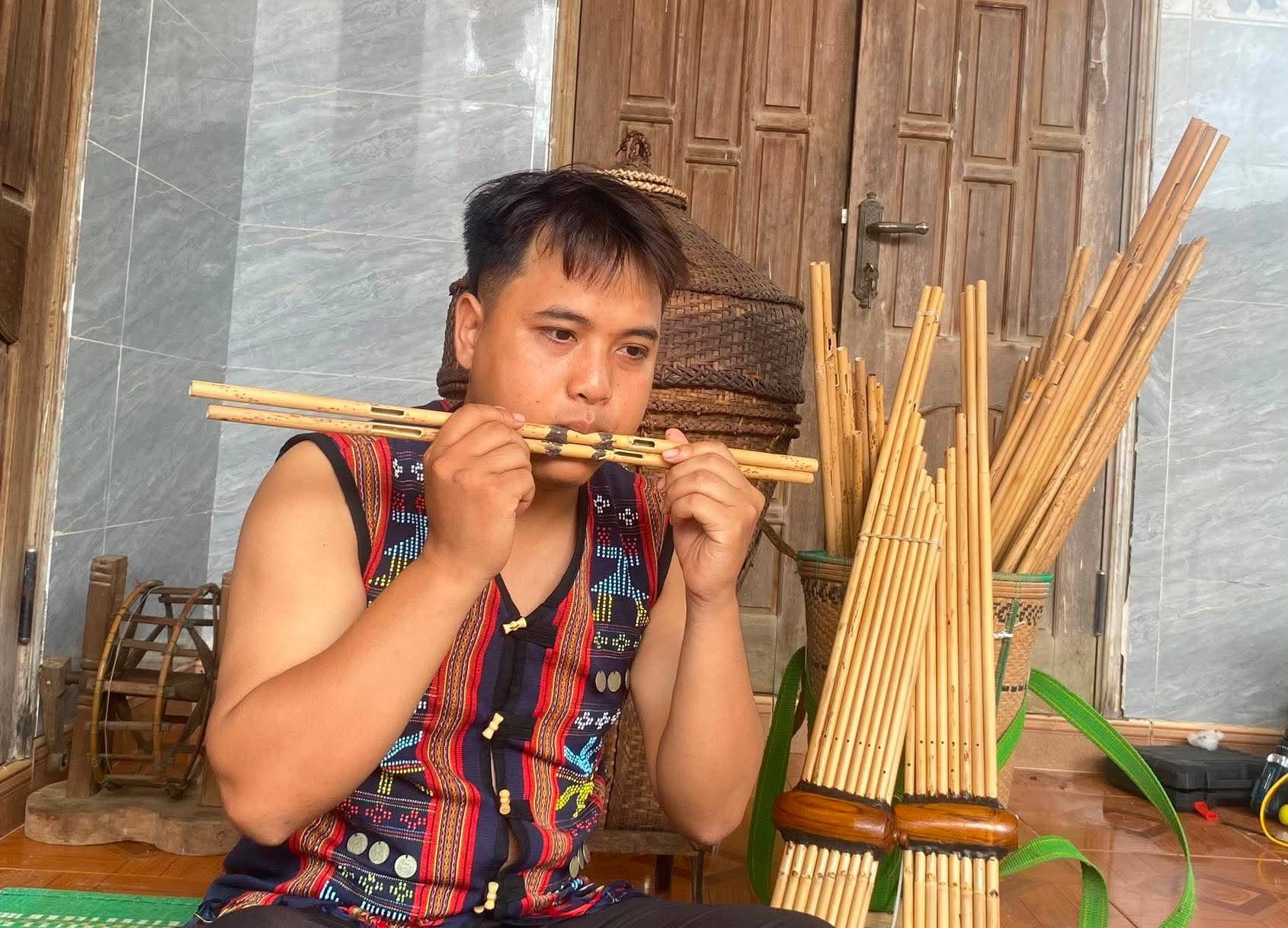
“Some instruments look easy to make from the outside, but once you try, you realize how difficult they are,” he said. “If just one component is wrong, the sound changes.”
Of all the instruments he has made, the khen be, a traditional multi-pipe mouth organ, took the most time.
The instrument consists of numerous components, with each detail affecting its overall sound.
Ha spent more than a month experimenting before completing one to his satisfaction. Some components had to be remade repeatedly until the instrument produced the sound he wanted.
For Ha, an unsuccessful attempt is not necessarily a failure. Each one teaches him something new about the instrument.
When old sounds return
The deeper Ha delved into the craft, the more he realized that the instruments he was making were far more than objects designed to produce sound.
Drums, gongs, the Ta Lu string instrument and various wind instruments once accompanied many aspects of Ta Oi life, from festivals and community gatherings to courtship and love.
Over time, however, some of these instruments have become less common. Certain sounds are heard increasingly rarely, particularly among younger generations.
Ha began taking the instruments he had reconstructed to older people in his community and playing them.
Their reactions stayed with him.
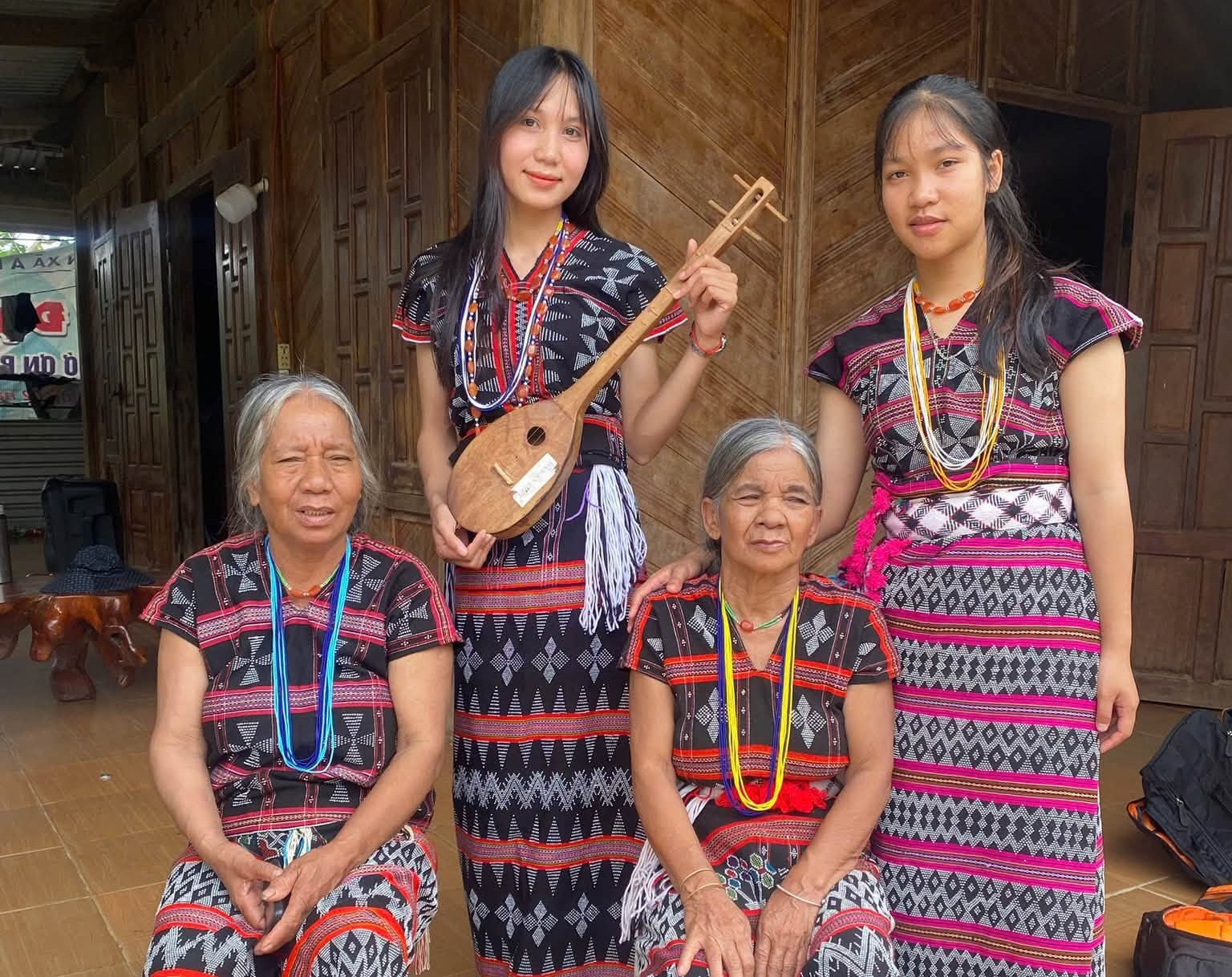

Some were surprised to hear sounds they had not encountered for years. Others told him the music brought back memories of their youth and happier times long past.
“Some of the elders were really surprised when they heard them,” Ha said. “They told me the sounds brought back beautiful memories from the past. Hearing that made me happy because I had created something that people still remembered.”
Those encounters encouraged him to explore more of the Ta Oi community’s traditional instruments.
Ha also began sharing his work on social media, both to introduce the instruments to a wider audience and to help more people discover a musical tradition deeply familiar to communities in Vietnam’s central highlands but little known elsewhere.
Through social media, his work has reached professional musicians in Vietnam, some of whom have bought instruments made by Ha for their own use. Collectors specializing in Southeast Asian musical instruments have also shown interest in his work.
“My greatest joy is hearing the traditional sounds of my village being played in more places, so that more people can discover and better understand Ta Oi culture,” Ha said.
Studying history at university has given him further opportunities to explore the culture of his homeland.
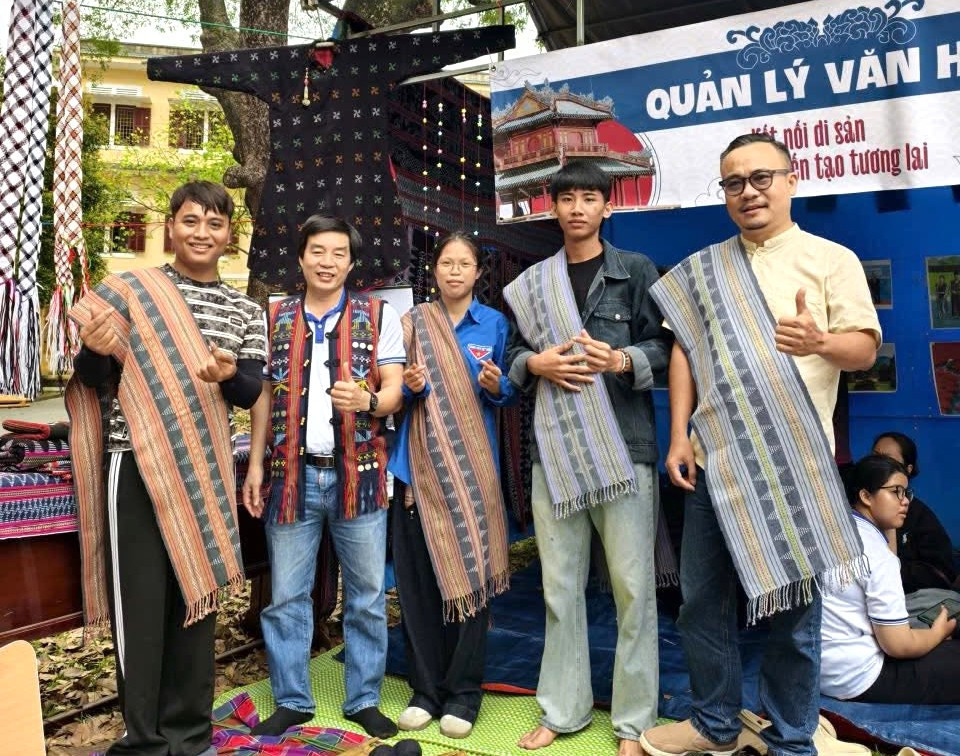
Whenever his university holds events, or during Hue’s traditional craft festivals, Ha often brings his instruments along and introduces teachers, fellow students and visitors to the cultural traditions of the A Luoi highlands.
“I hope I can pass what I know on to others,” Ha said. “So that one day, when the sounds of Ta Oi instruments are heard, the memories and culture of our homeland will still be remembered.”
Ho Giap
.svg)
